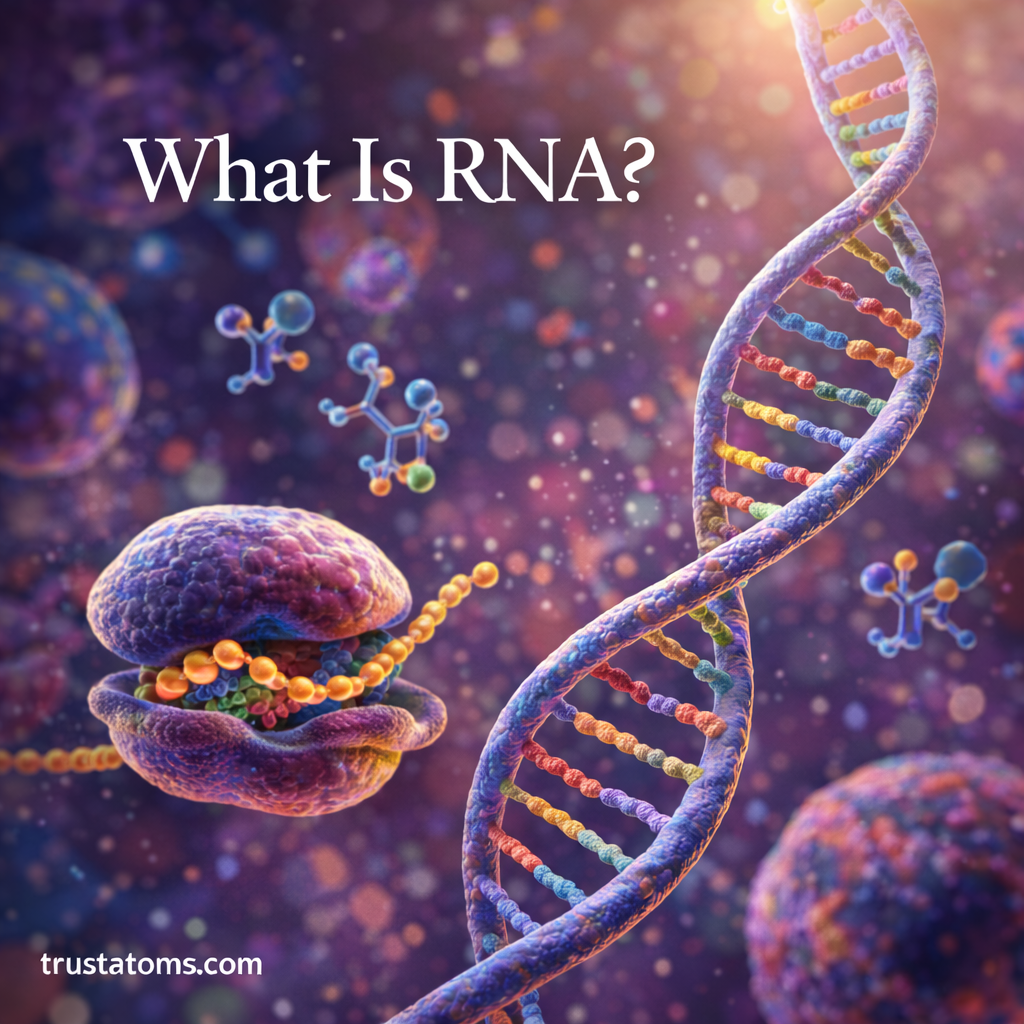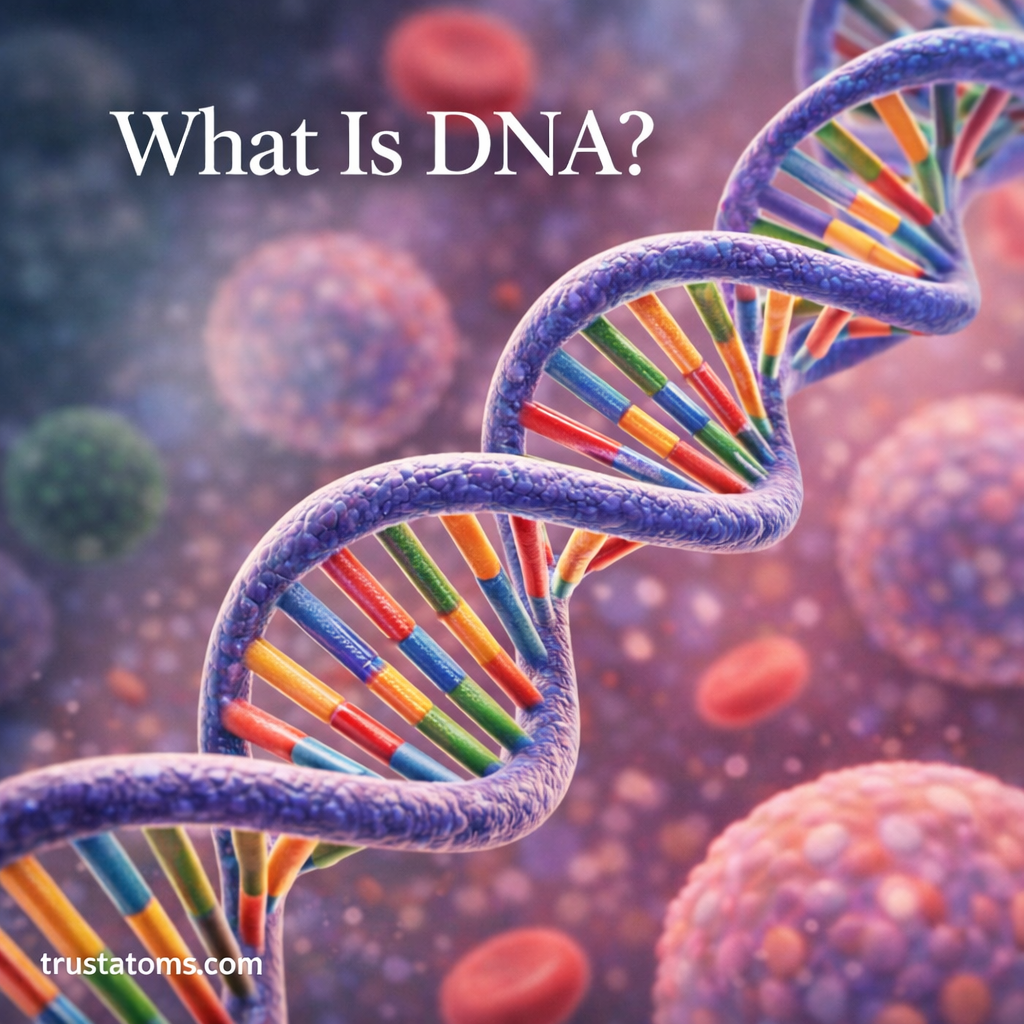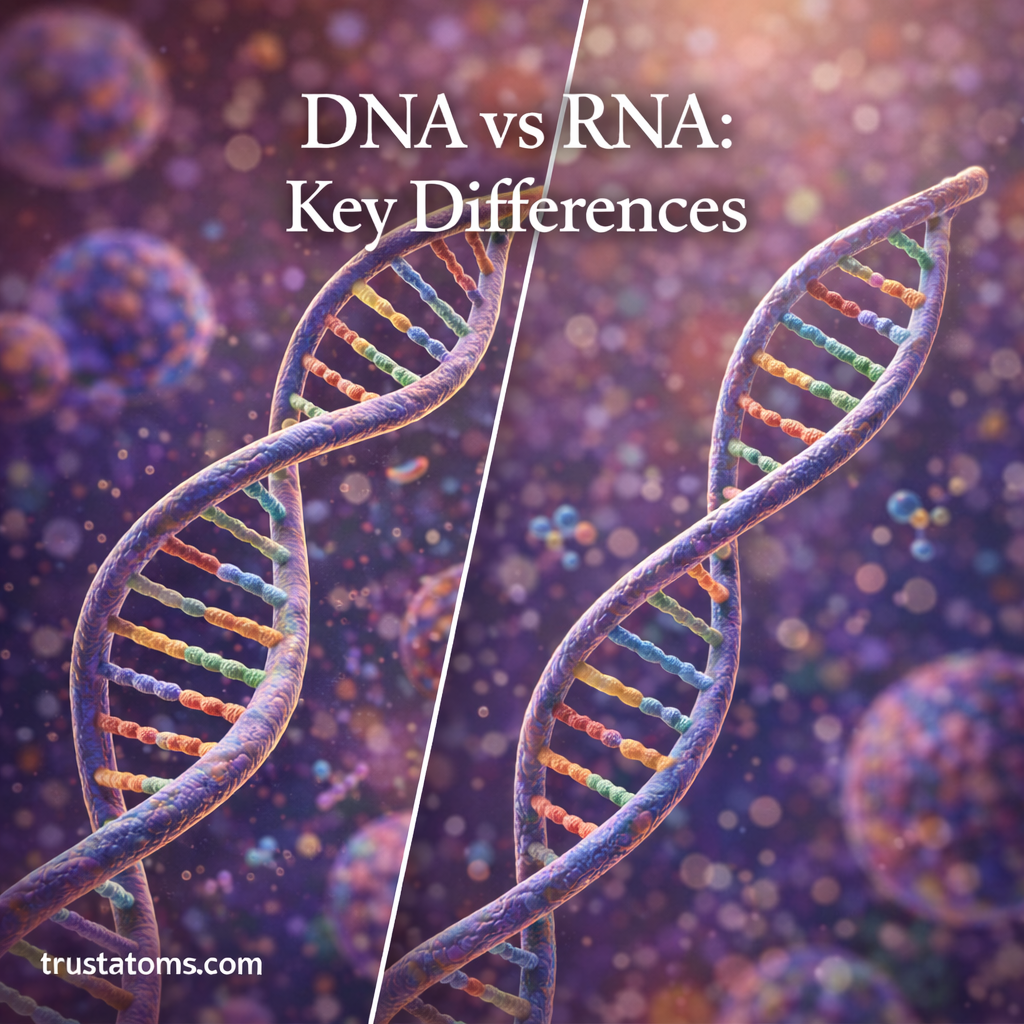
DNA and RNA are two essential molecules that carry and use genetic information in living organisms. Both belong to a group of molecules known as nucleic acids, and they work together to ensure cells can store instructions and build the proteins necessary for life.
Although DNA and RNA share some similarities, they differ in structure, function, and how they operate within the cell. Understanding these differences helps explain how genetic information flows from stored instructions to biological activity.
This article explores the key differences between DNA and RNA, their structures, and how they work together in the process of gene expression.
Continue reading “DNA vs RNA: Key Differences”