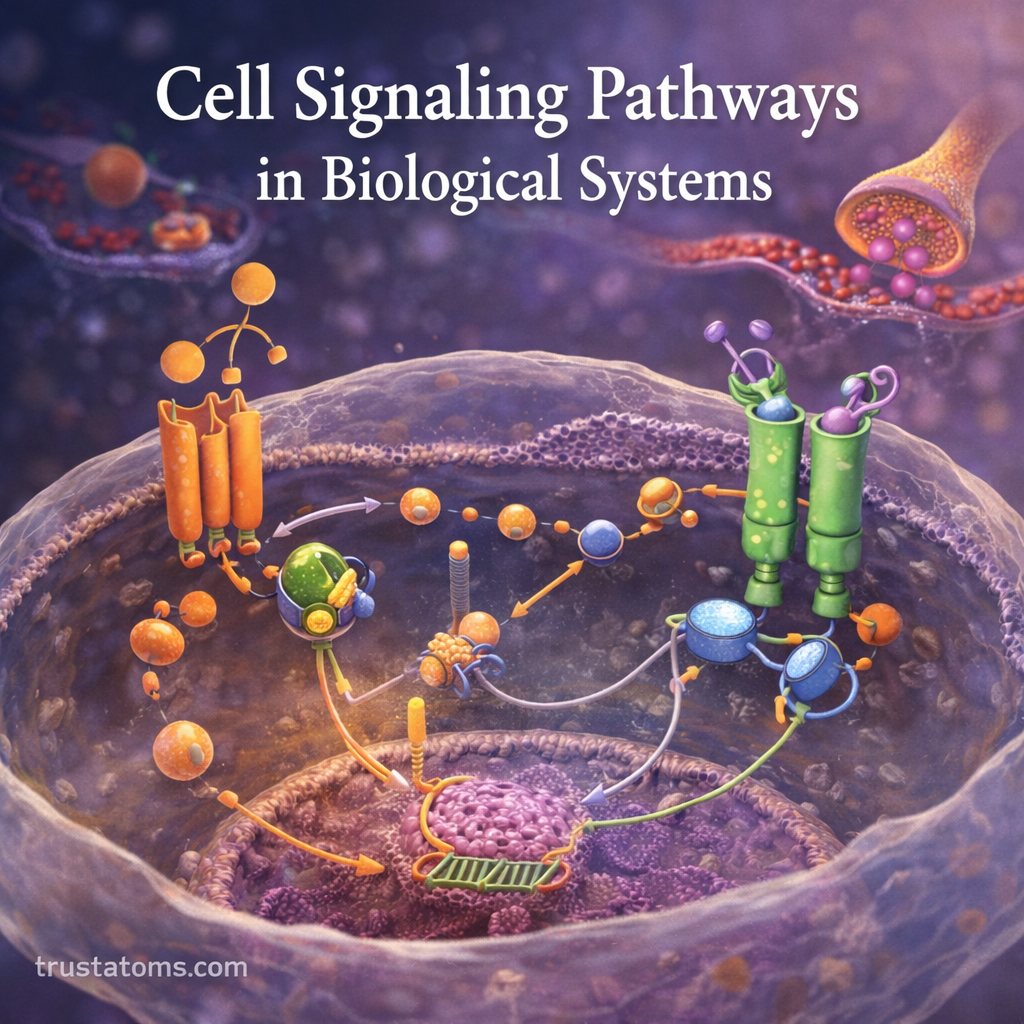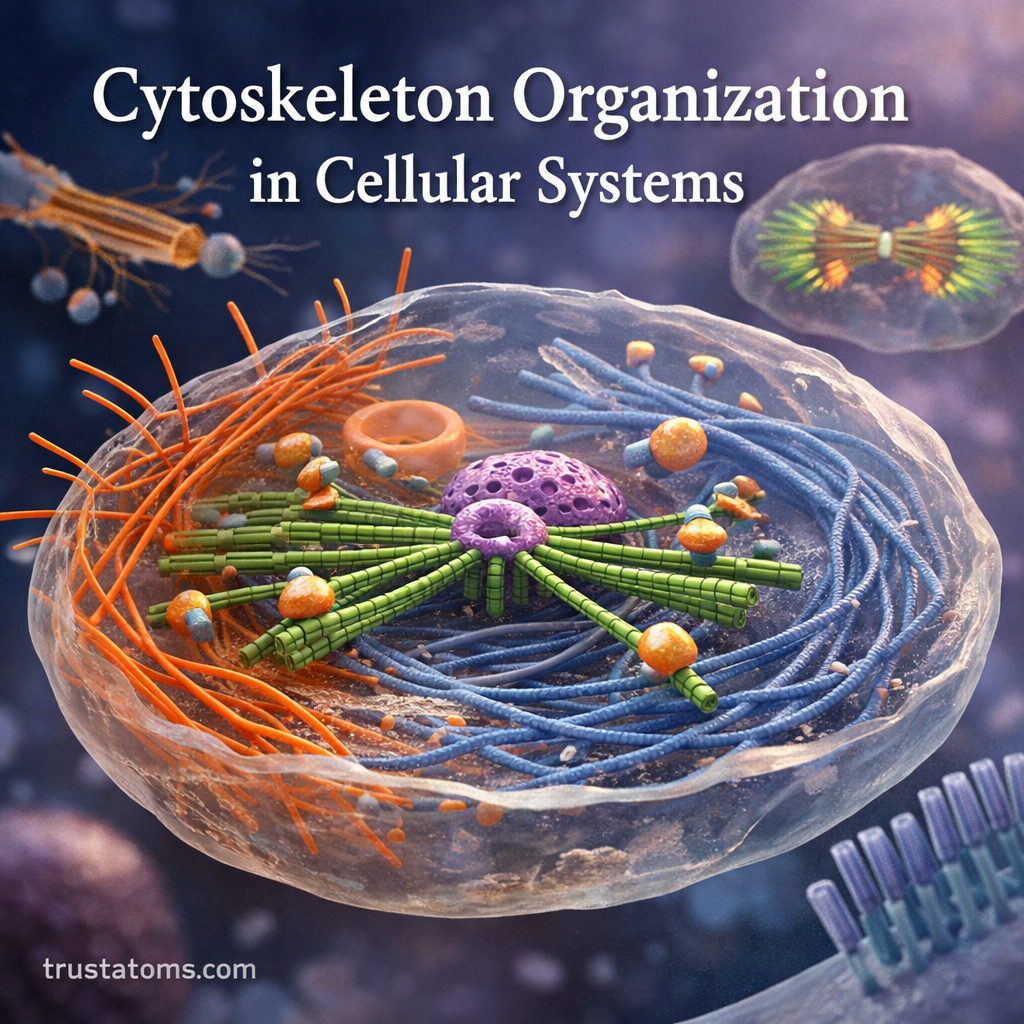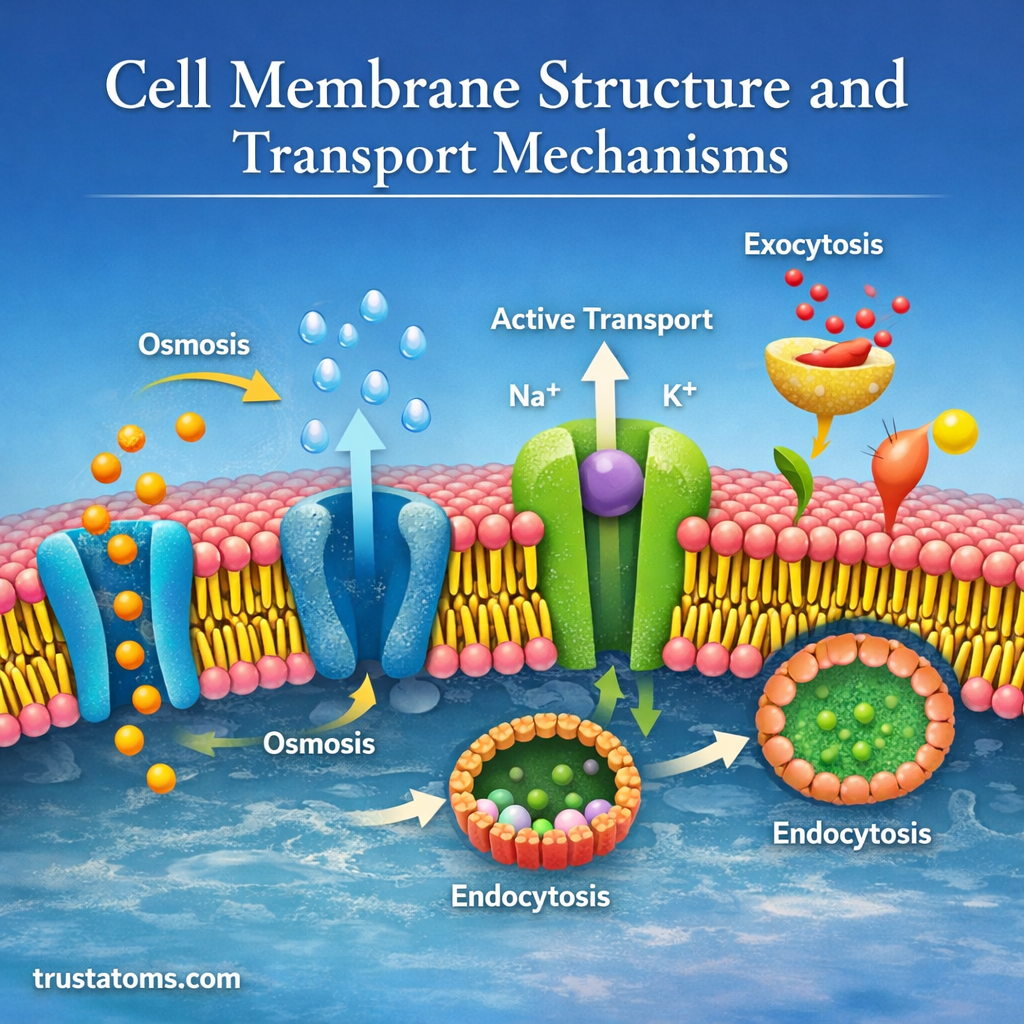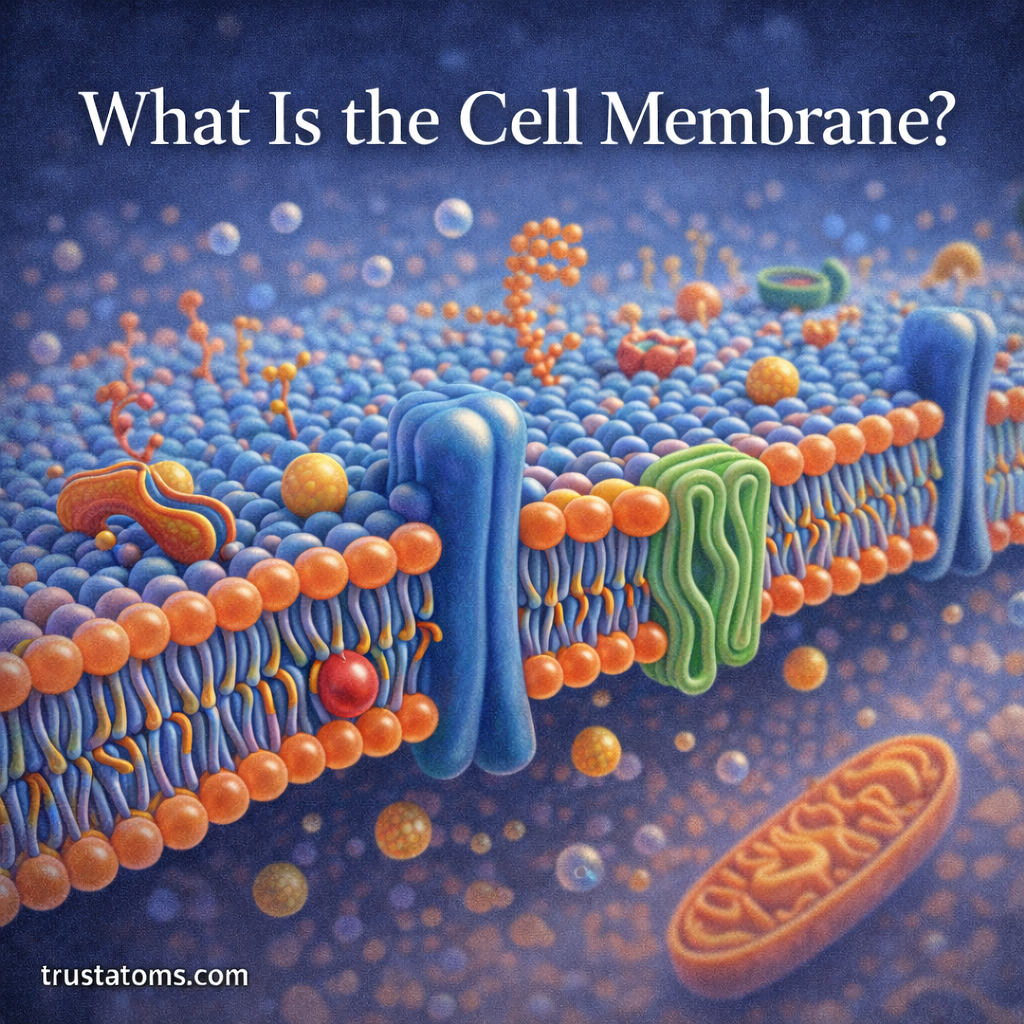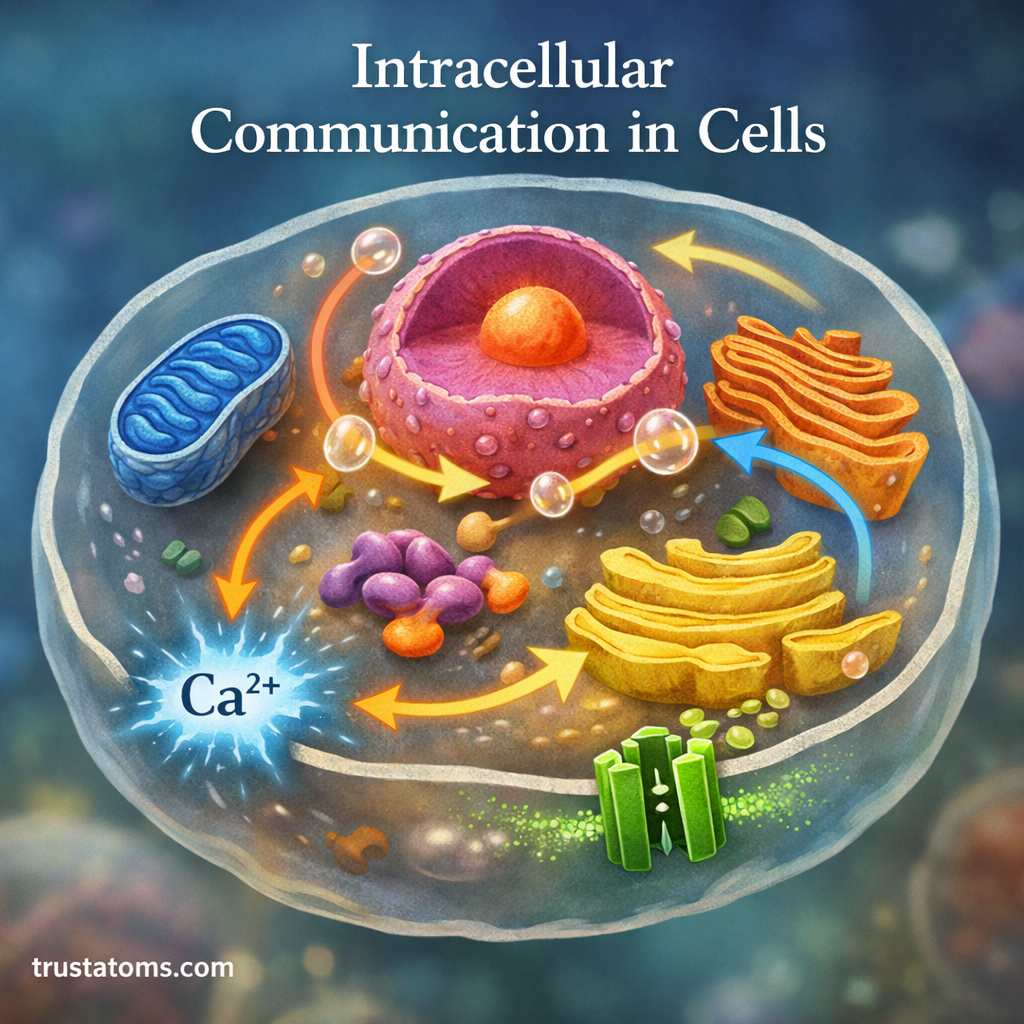
Cells constantly process information to survive, adapt, and function properly. Even though a cell may appear simple under a microscope, it is actually an incredibly organized system where molecules continuously send and receive signals.
Intracellular communication refers to the processes that allow different parts of a cell to exchange information. Through chemical signals, proteins, and molecular pathways, cells coordinate activities such as metabolism, growth, division, and responses to environmental changes.
Understanding intracellular communication helps explain how cells maintain balance, respond to stress, and perform specialized tasks within tissues and organs.
Continue reading “Intracellular Communication in Cells”