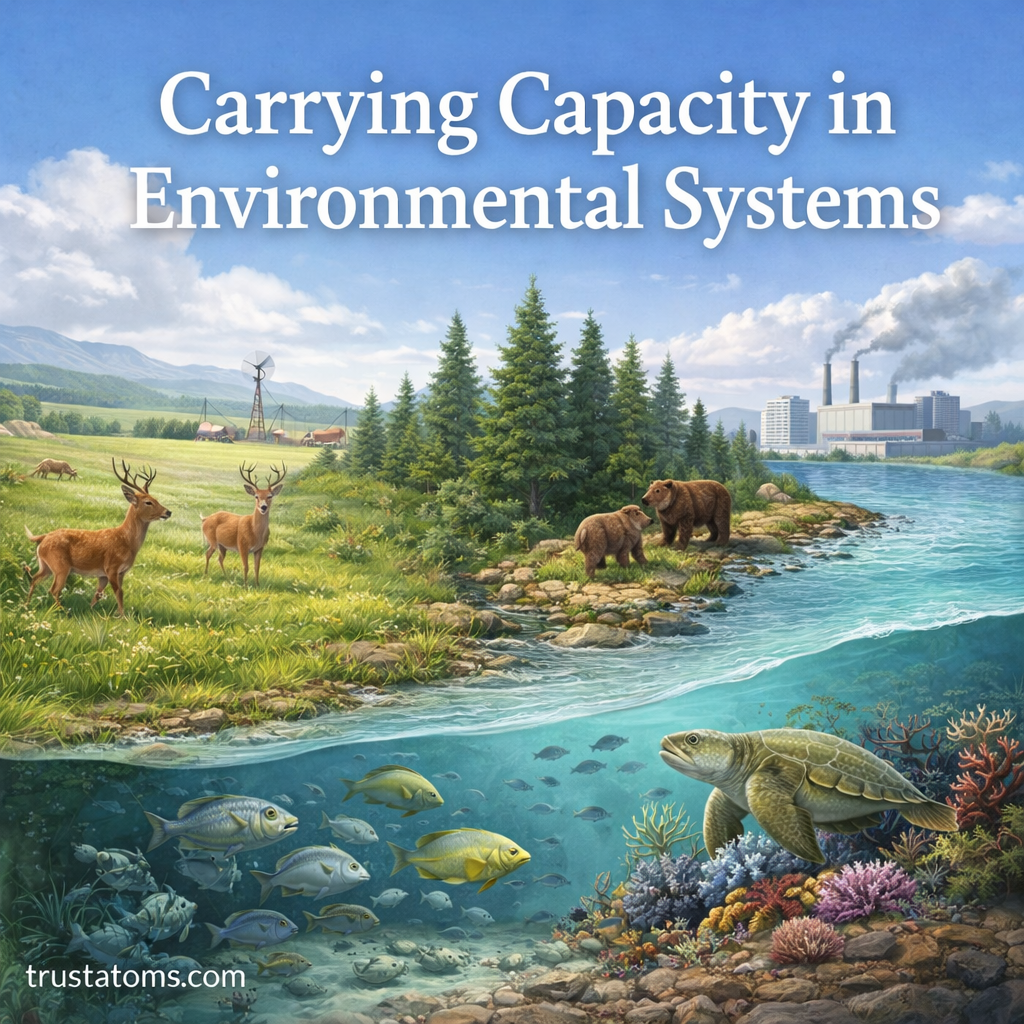
Carrying capacity is a foundational concept in environmental science and ecology. It describes the maximum population size of a species that an ecosystem can support sustainably over time without damaging the environment.
In environmental systems, resources such as food, water, space, and energy are limited. These limits naturally regulate population growth and help maintain ecological balance. When populations grow too large for available resources, ecosystems experience stress, and populations may decline.
Understanding carrying capacity helps scientists study sustainability, resource management, and long-term environmental stability.
What Carrying Capacity Means in Environmental Systems
In environmental systems, carrying capacity refers to the balance between available resources and the number of organisms using them.
Every ecosystem—from forests and wetlands to oceans and deserts—has limits that determine how many organisms can survive within it.
These limits are influenced by:
- Food availability
- Freshwater supply
- Habitat space
- Climate conditions
- Predator–prey relationships
- Competition between species
When populations stay near carrying capacity, ecosystems remain relatively stable.
Why Environmental Systems Have Limits
Natural environments cannot support unlimited growth. Several ecological constraints prevent populations from expanding indefinitely.
Resource Availability
All organisms rely on resources to survive. When resources become scarce, population growth slows.
Common limiting resources include:
- Plants for herbivores
- Prey for predators
- Nutrients for plant growth
- Oxygen in aquatic systems
If these resources decline, the environment can support fewer individuals.
Habitat Space
Many species require specific habitats for shelter, breeding, and protection.
Limited habitat space can lead to:
- Increased competition
- Territorial conflicts
- Reduced reproductive success
For example, birds may compete for nesting areas, while mammals may defend territories for food access.
Environmental Conditions
Climate and environmental conditions strongly influence carrying capacity.
Factors that can limit populations include:
- Drought
- Extreme temperatures
- Seasonal food shortages
- Natural disasters
These conditions can temporarily reduce the number of organisms an environment can support.
Carrying Capacity and Ecosystem Balance
Healthy environmental systems tend to maintain dynamic balance. Populations fluctuate but usually remain within sustainable limits.
This balance occurs through natural feedback mechanisms.
Density-Dependent Factors
Density-dependent factors become stronger as populations grow larger.
Examples include:
- Competition for food and space
- Spread of disease
- Increased predation
- Stress from overcrowding
These factors naturally slow population growth as carrying capacity is approached.
Density-Independent Factors
Some environmental influences affect populations regardless of size.
Examples include:
- Hurricanes
- Floods
- Wildfires
- Sudden climate shifts
These events can temporarily reduce population sizes and change carrying capacity.
Carrying Capacity in Different Ecosystems
Carrying capacity varies widely depending on the type of ecosystem and its available resources.
Forest Ecosystems
Forests support a wide range of species, including insects, birds, mammals, and plants.
Carrying capacity depends on:
- Vegetation growth
- Soil nutrients
- Water availability
- Predator populations
When herbivore populations grow too large, overgrazing may occur, reducing plant growth and affecting the entire ecosystem.
Aquatic Ecosystems
Lakes, rivers, and oceans also have carrying capacity limits.
Important factors include:
- Oxygen levels in water
- Nutrient availability
- Water temperature
- Habitat structure
For example, if fish populations exceed the carrying capacity of a lake, oxygen depletion and food shortages may cause population declines.
Grassland Ecosystems
Grasslands often support grazing animals such as deer, antelope, and livestock.
The carrying capacity of grasslands is strongly influenced by:
- Rainfall patterns
- Soil health
- Plant productivity
During drought conditions, grass growth declines, lowering the number of animals the ecosystem can support.
Human Influence on Environmental Carrying Capacity
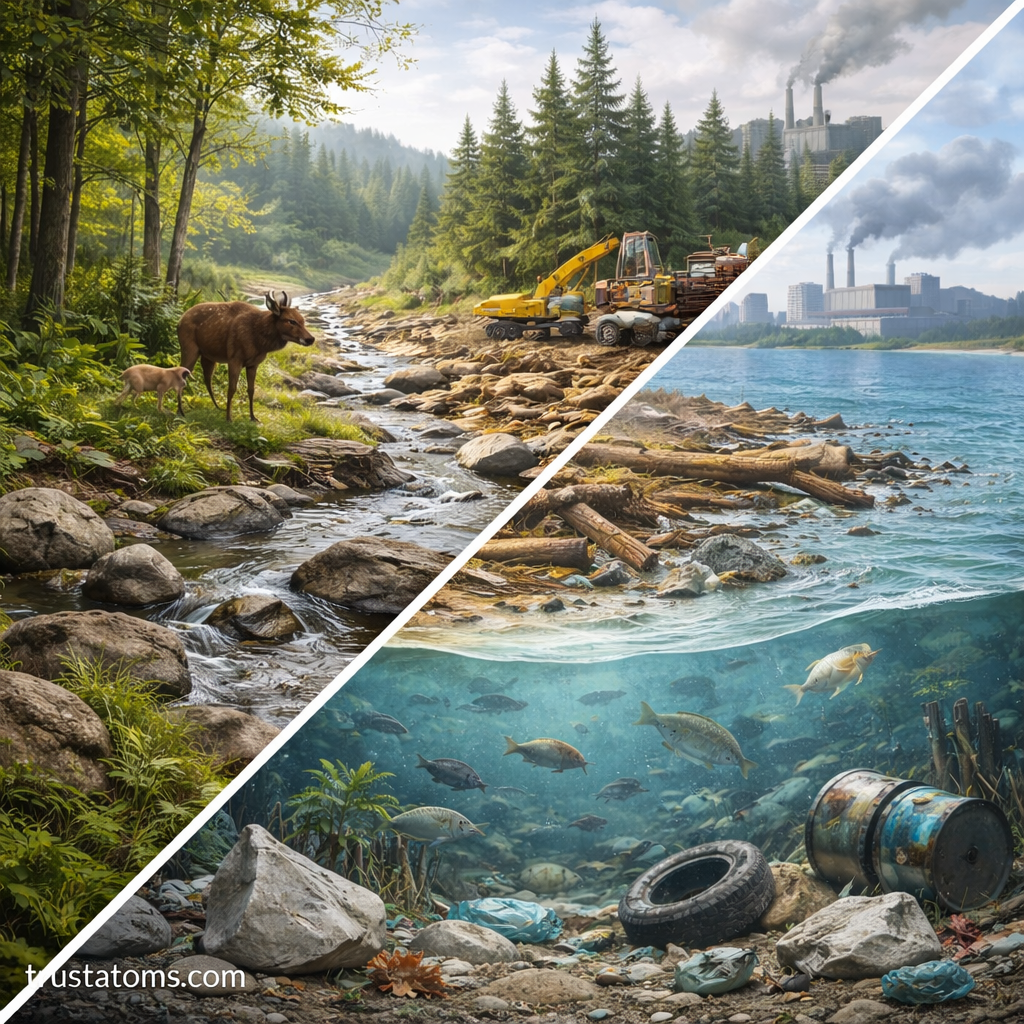
Human activities can significantly change the carrying capacity of environmental systems.
Some actions increase environmental capacity, while others reduce it.
Ways Humans Increase Carrying Capacity
Technological and environmental improvements can allow ecosystems to support more organisms.
Examples include:
- Irrigation systems improving crop production
- Habitat restoration programs
- Wildlife conservation efforts
- Sustainable land management
These actions can improve resource availability and ecosystem health.
Ways Humans Decrease Carrying Capacity
Environmental damage often reduces the ability of ecosystems to support life.
Common causes include:
- Habitat destruction
- Pollution
- Deforestation
- Climate change
- Overfishing and overhunting
When ecosystems are degraded, populations may decline or disappear entirely.
Population Overshoot in Environmental Systems
Population overshoot occurs when a population temporarily grows beyond the carrying capacity of its environment.
This situation can lead to serious ecological consequences.
Common outcomes include:
- Rapid resource depletion
- Increased disease spread
- Starvation
- Habitat damage
Eventually, the population may decline sharply until it returns to a sustainable level.
These boom-and-bust cycles are seen in many species, including insects, mammals, and microorganisms.
Carrying Capacity and Sustainability
The concept of carrying capacity is closely tied to environmental sustainability.
Scientists use this concept to evaluate how human populations and activities affect ecosystems.
Sustainability focuses on:
- Using resources responsibly
- Protecting biodiversity
- Maintaining ecosystem health
- Ensuring resources remain available for future generations
Understanding ecological limits helps societies make better environmental decisions.
Why Carrying Capacity Matters for Environmental Science
Carrying capacity plays a major role in environmental research and policy.
Scientists apply this concept in areas such as:
- Wildlife management
- Conservation biology
- Fisheries regulation
- Agriculture planning
- Climate change research
By understanding environmental limits, scientists can help maintain stable ecosystems and prevent ecological collapse.
Key Takeaways
Carrying capacity is essential for understanding how environmental systems function.
Important points include:
- Carrying capacity is the maximum population an ecosystem can support sustainably.
- Environmental systems are limited by resources such as food, water, and habitat.
- Natural feedback mechanisms help regulate population size.
- Human activities can increase or decrease ecosystem carrying capacity.
- Sustainable resource management helps maintain ecological balance.
Recognizing environmental limits is crucial for protecting ecosystems and ensuring long-term environmental health.