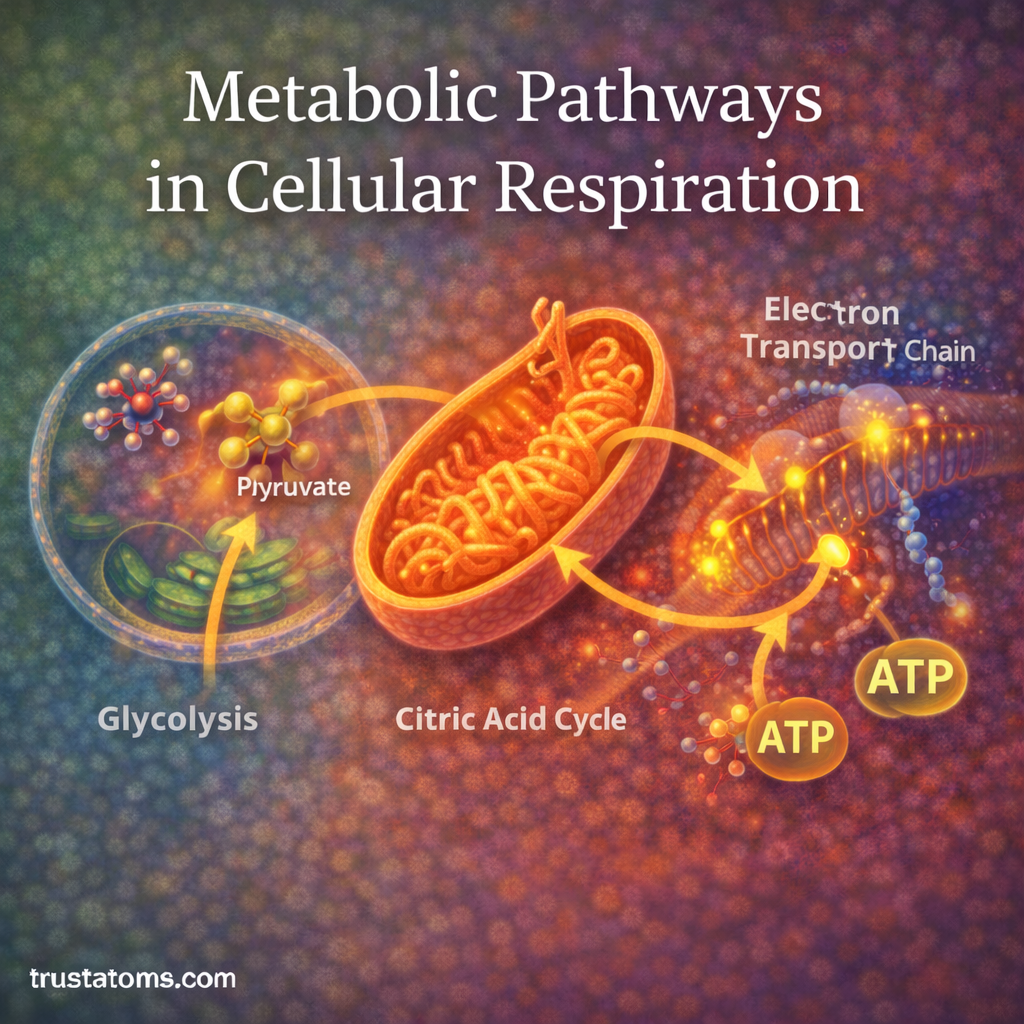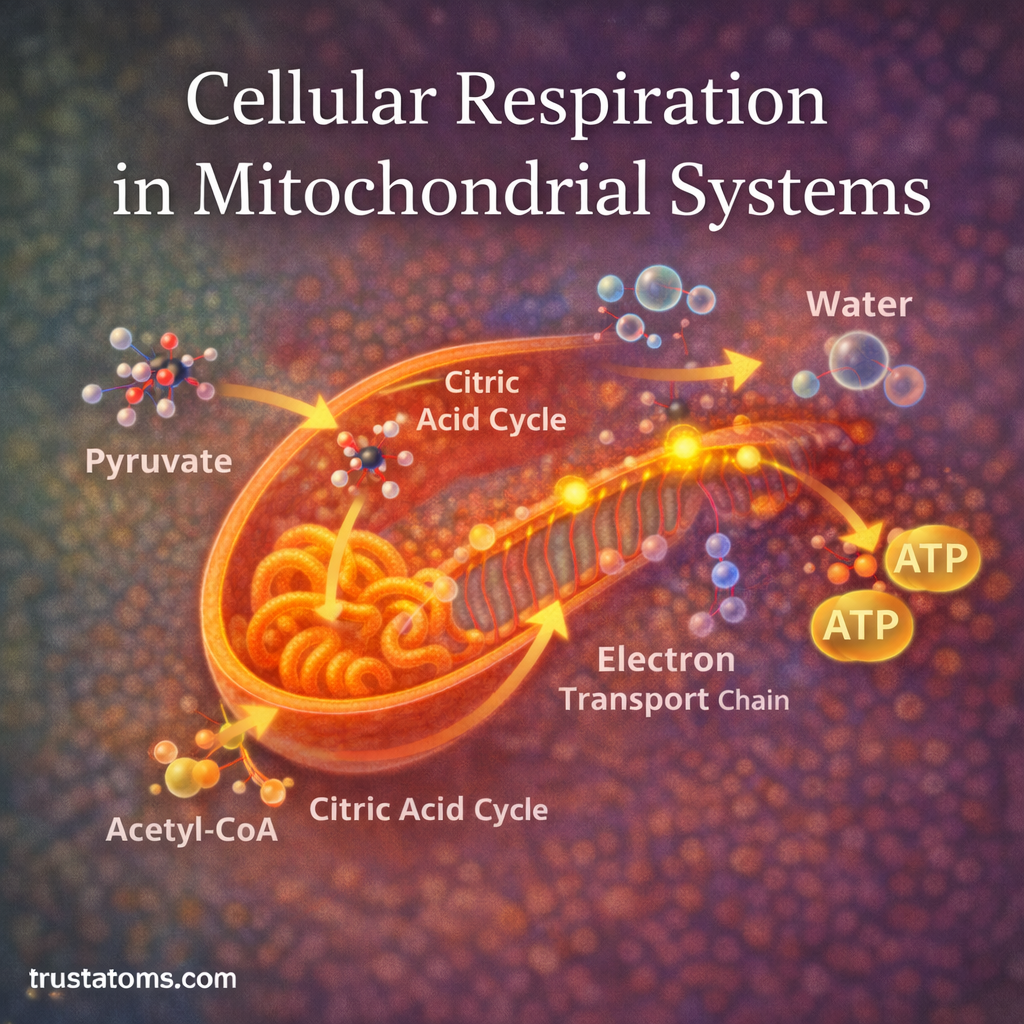
Cells require a constant supply of energy to maintain life. Activities such as muscle contraction, nutrient transport, protein synthesis, and cellular repair all depend on a reliable energy source. In most eukaryotic organisms, this energy is produced through cellular respiration within mitochondria.
Mitochondria are specialized organelles that convert the chemical energy stored in nutrients into ATP (adenosine triphosphate), the molecule that powers cellular processes. Because of their central role in energy production, mitochondria are often referred to as the powerhouses of the cell.
Understanding how cellular respiration operates inside mitochondria helps explain how cells generate the energy needed to support life.
Continue reading “Cellular Respiration in Mitochondrial Systems”