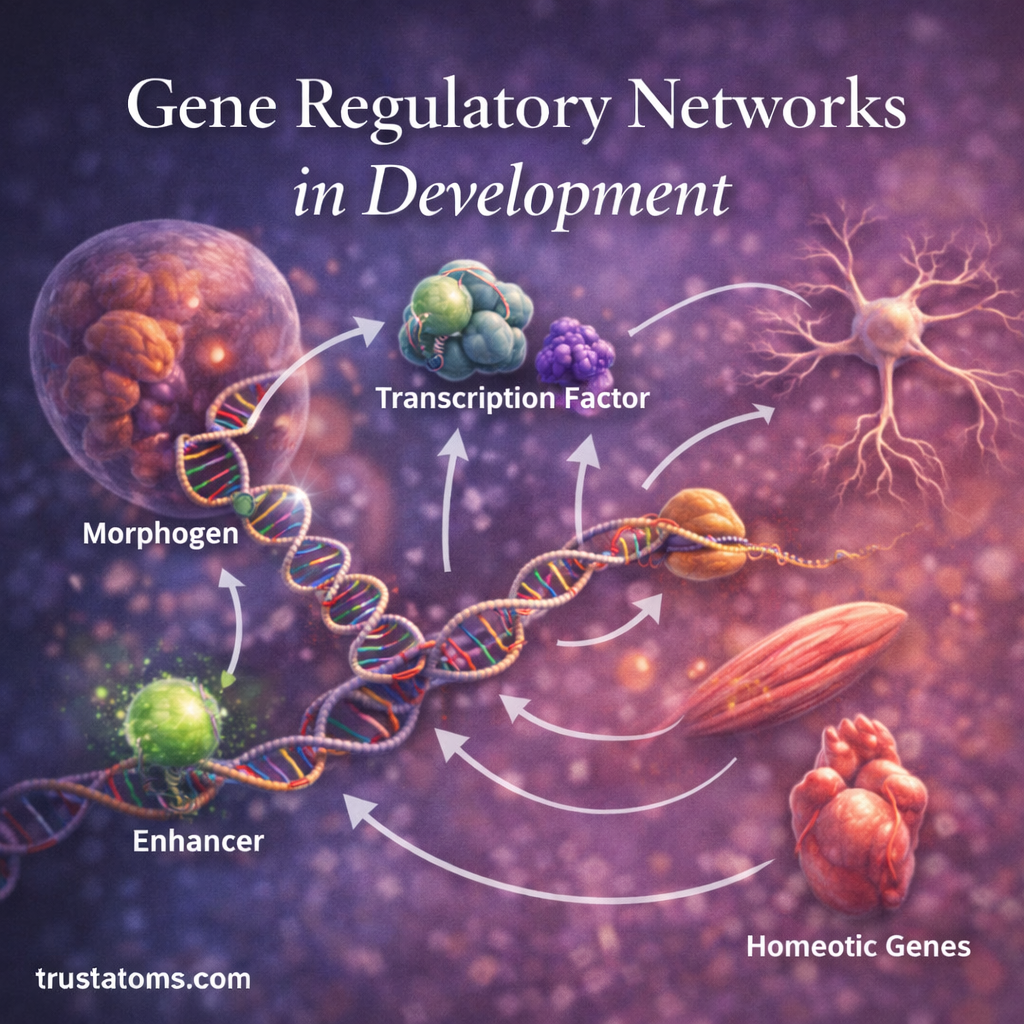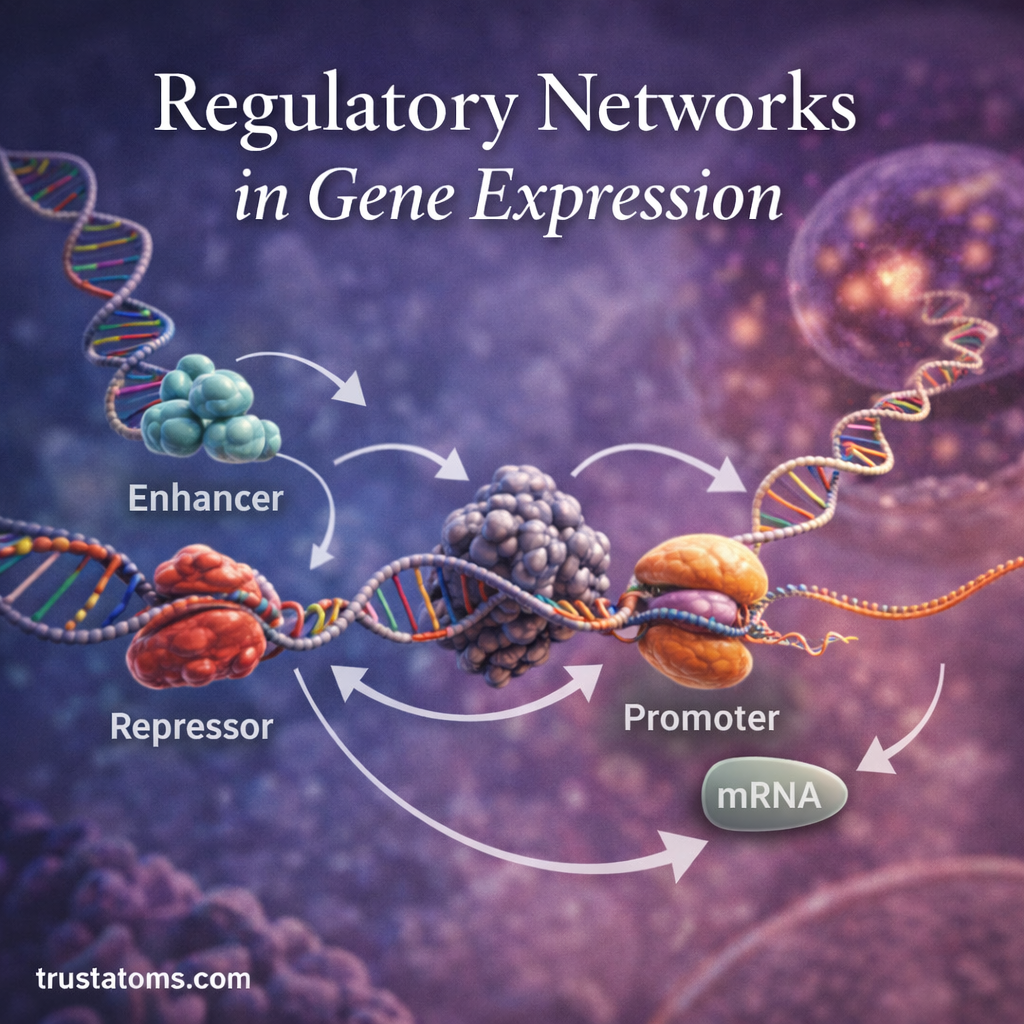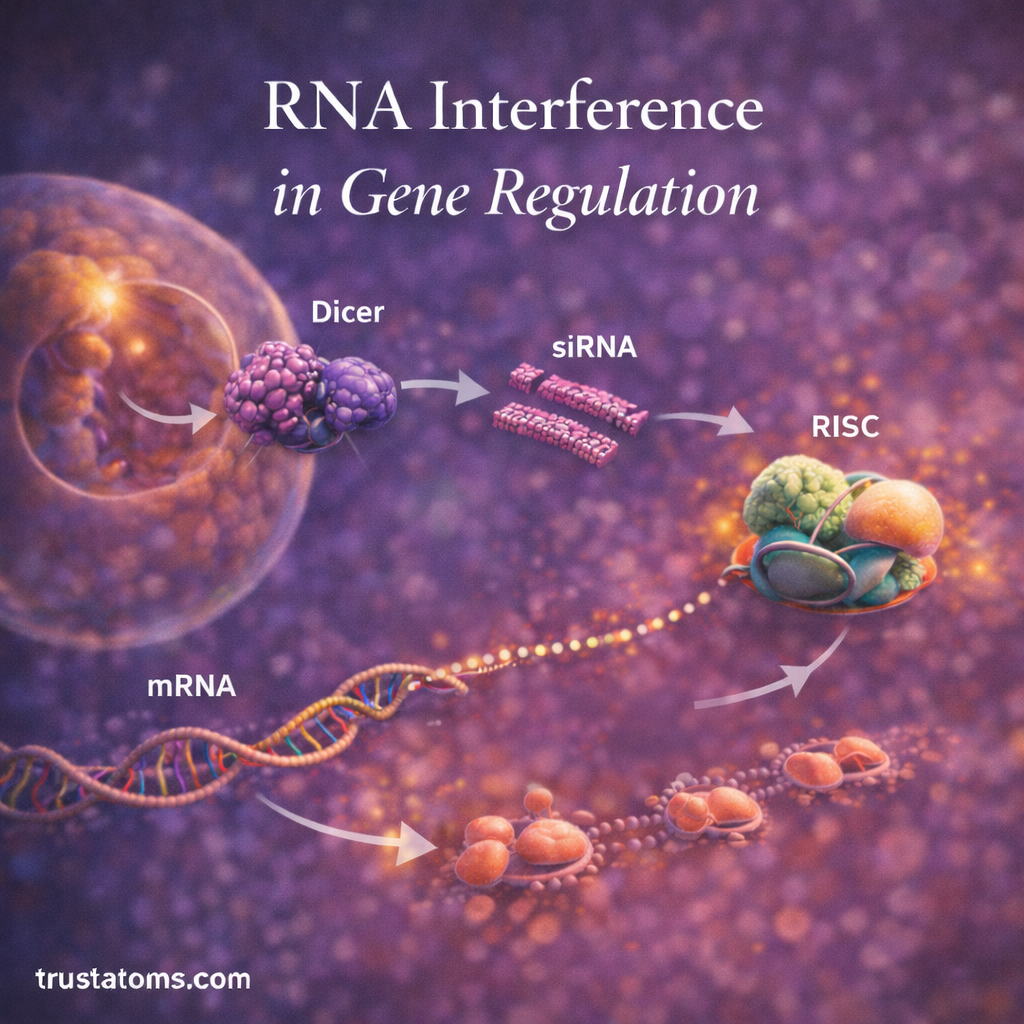
RNA interference (RNAi) is a biological process that helps cells regulate gene activity by controlling how much protein a gene produces. Instead of changing the DNA sequence itself, RNA interference works by targeting messenger RNA (mRNA) molecules and preventing them from being translated into proteins.
This mechanism allows cells to silence or reduce the expression of specific genes. RNA interference plays important roles in gene regulation, immune defense, development, and cellular stability.
Since its discovery in the late 20th century, RNA interference has become one of the most important tools for studying gene function and developing new therapeutic strategies.
Continue reading “RNA Interference in Gene Regulation”