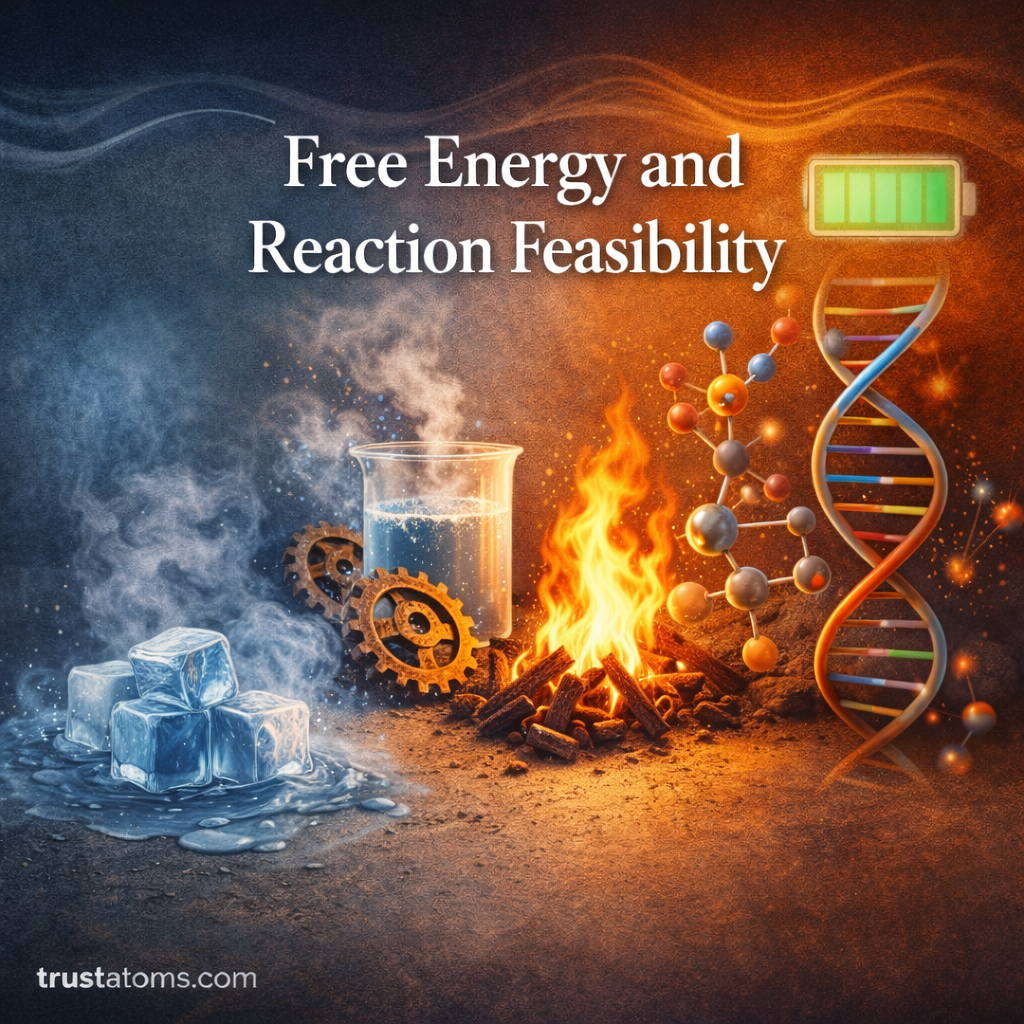
Chemical reactions occur constantly in nature—from the metabolism in living cells to industrial chemical production. However, not every possible reaction happens naturally. Some reactions proceed on their own, while others require continuous energy input.
To understand why certain reactions occur and others do not, chemists use the concept of free energy, specifically Gibbs free energy. This thermodynamic quantity helps determine whether a reaction is feasible under specific conditions.
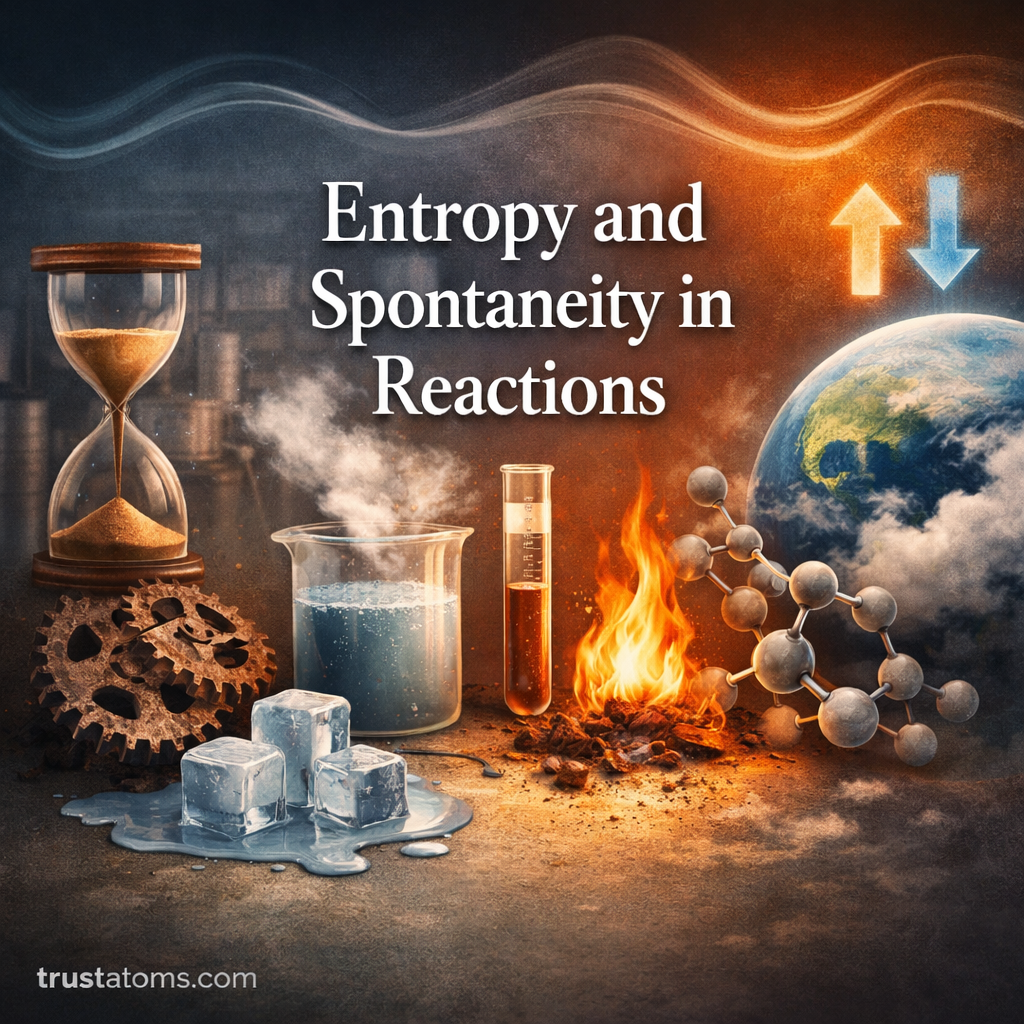
Free energy combines the effects of energy changes and entropy to predict whether a chemical reaction will occur spontaneously.
Continue reading “Free Energy and Reaction Feasibility”