Enzyme Inhibition in Biochemical Pathways

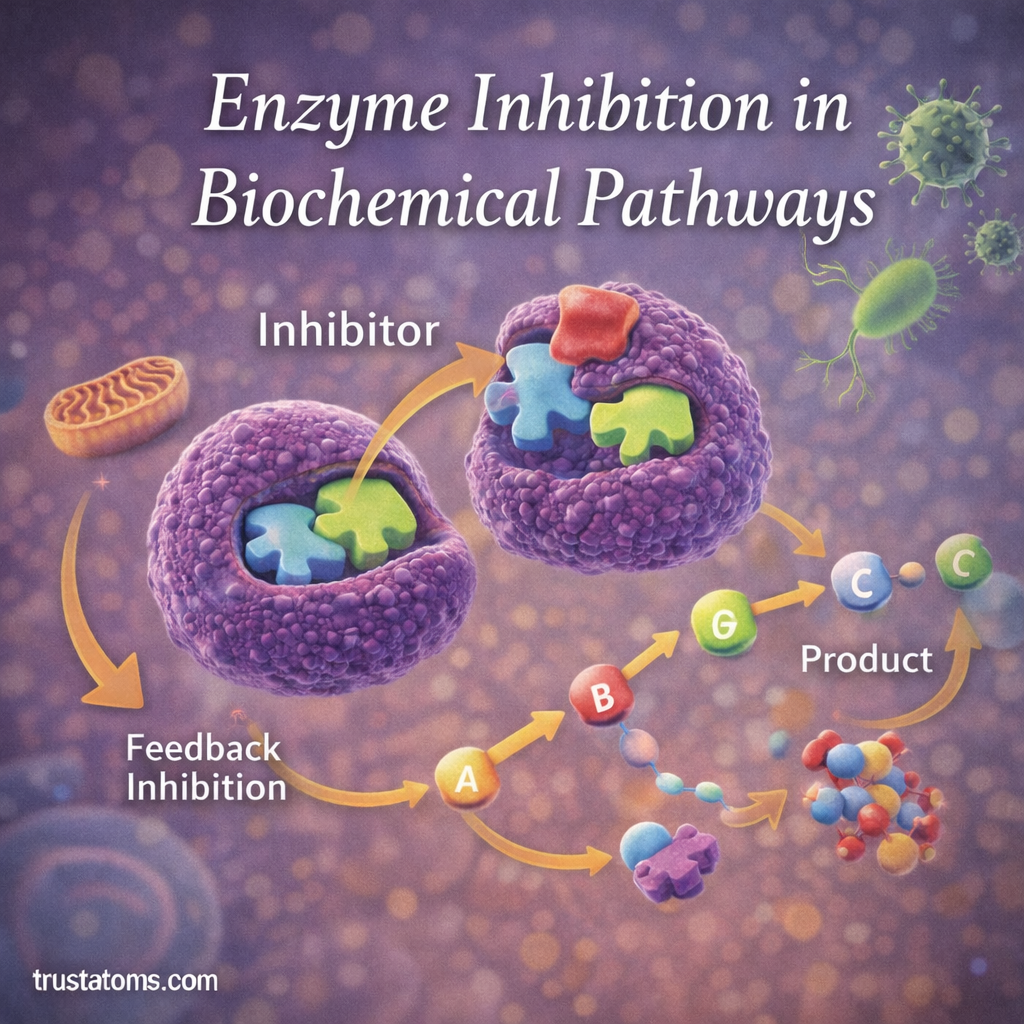
Scientific illustration showing enzyme inhibition and feedback inhibition in biochemical pathways with enzymes, substrates, inhibitors, and metabolic products.
Educational illustration demonstrating enzyme inhibition and feedback inhibition within biochemical pathways, showing how inhibitors regulate enzyme activity and metabolic reactions. trustatoms.com.

Enzyme inhibition is a biological process in which molecules reduce or stop the activity of enzymes. Because enzymes control many chemical reactions in living organisms, inhibiting their activity can significantly affect metabolic pathways and cellular processes.

In biochemical pathways, enzyme inhibition helps regulate metabolism, maintain cellular balance, and control the speed of chemical reactions. It also plays an important role in medicine, where many drugs work by inhibiting specific enzymes linked to disease.

Understanding enzyme inhibition helps scientists explain how metabolic pathways are controlled and how biological systems maintain stability.

Continue reading “Enzyme Inhibition in Biochemical Pathways”

Enzyme Kinetics in Biological Reactions

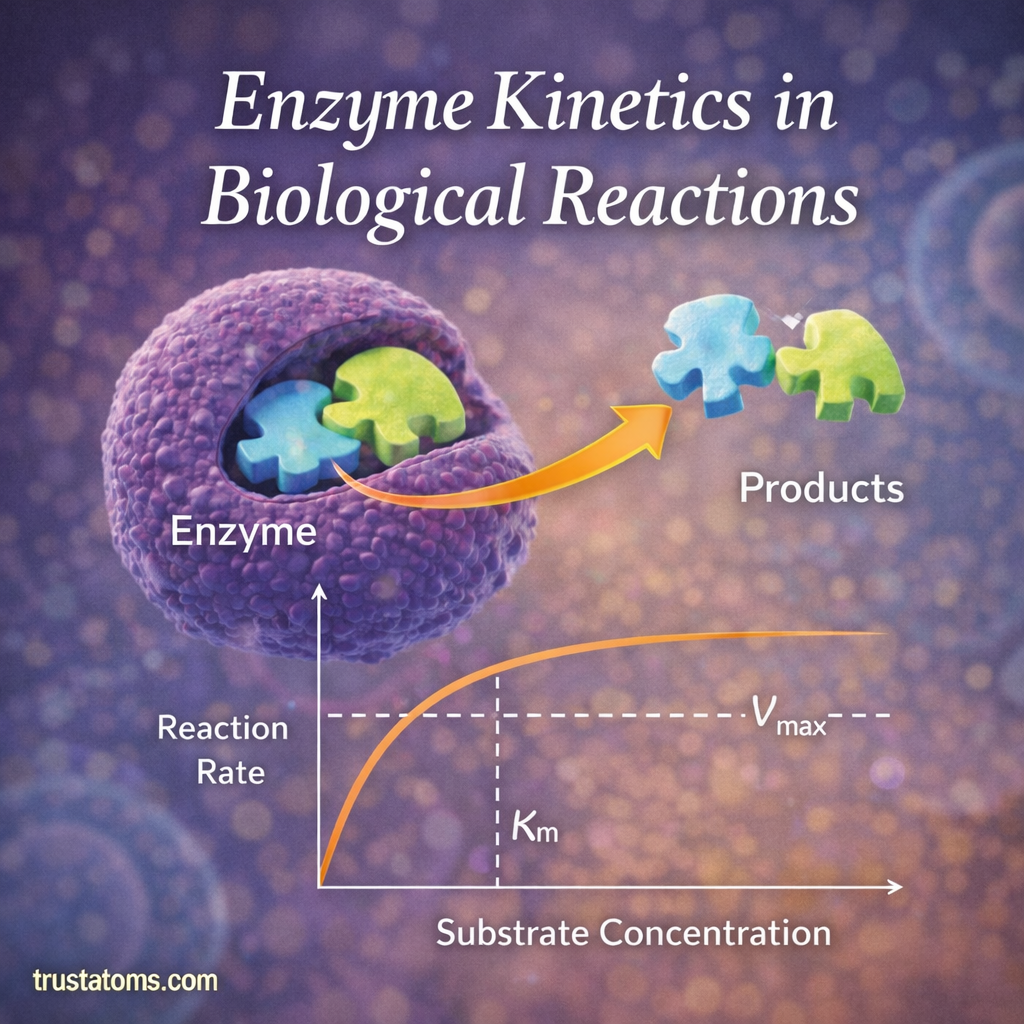
Scientific illustration showing an enzyme converting substrates into products alongside a reaction rate curve representing enzyme kinetics.
Educational illustration demonstrating enzyme kinetics, showing substrate binding to an enzyme and a reaction rate curve that represents how enzyme activity changes with substrate concentration. trustatoms.com.

Enzyme kinetics is the study of how quickly enzymes catalyze chemical reactions and how different factors influence those reaction rates. Because enzymes control nearly every biochemical process in living organisms, understanding enzyme kinetics is essential for studying metabolism, drug development, and molecular biology.

In biological systems, enzymes accelerate reactions by lowering the activation energy required for molecules to interact. Enzyme kinetics focuses on measuring how fast these reactions occur and identifying the conditions that affect enzyme efficiency.

Scientists analyze enzyme kinetics to understand how enzymes behave in cells and how biological reactions are regulated.

Continue reading “Enzyme Kinetics in Biological Reactions”

What Is an Enzyme?

Scientific illustration showing an enzyme binding substrates at an active site and converting them into products during a biological reaction.
Educational illustration showing how an enzyme binds substrates at its active site and converts them into products during a biochemical reaction. trustatoms.com.

Enzymes are specialized biological molecules that make life possible by speeding up chemical reactions inside cells. Nearly every biological process—digestion, energy production, DNA replication, and cellular repair—depends on enzymes to occur efficiently.

In simple terms, an enzyme is a biological catalyst, meaning it accelerates chemical reactions without being consumed in the process. Most enzymes are proteins, although a small number are RNA molecules known as ribozymes.

Because chemical reactions inside cells would otherwise occur extremely slowly, enzymes are essential for maintaining life.

Continue reading “What Is an Enzyme?”

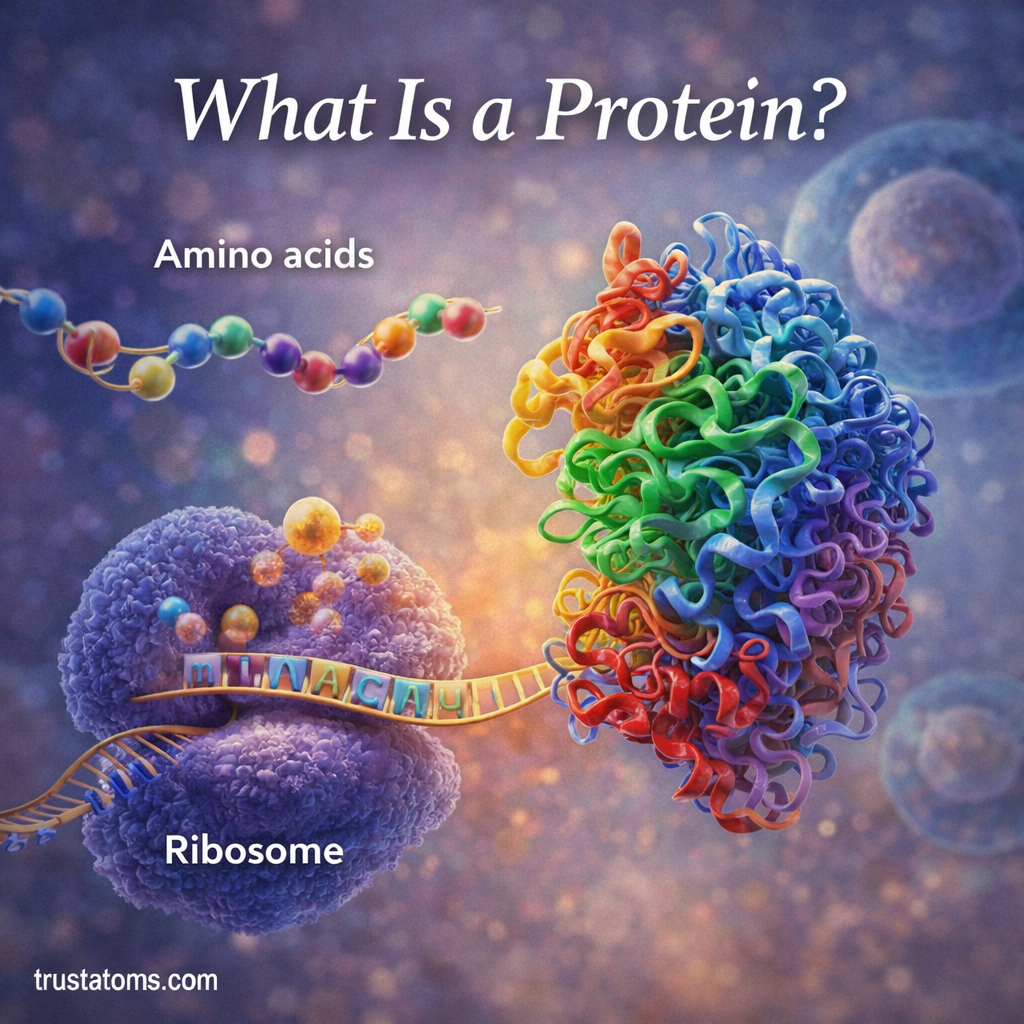
What Is a Protein?

Scientific illustration showing amino acids forming a protein structure and a ribosome building a polypeptide chain during protein synthesis.
Educational illustration showing amino acids forming a folded protein structure and a ribosome assembling a polypeptide chain during protein synthesis. trustatoms.com.

Proteins are one of the most essential molecules in biology. They perform a vast range of functions inside living organisms, from building tissues to carrying out chemical reactions that sustain life.

In simple terms, a protein is a large biological molecule made from chains of amino acids. These molecules act as the workhorses of the cell, carrying out structural, functional, and regulatory roles in nearly every biological process.

Proteins are found in all living organisms, including animals, plants, bacteria, and fungi. Without proteins, cells would not be able to grow, repair themselves, or maintain the chemical reactions necessary for survival.

Continue reading “What Is a Protein?”

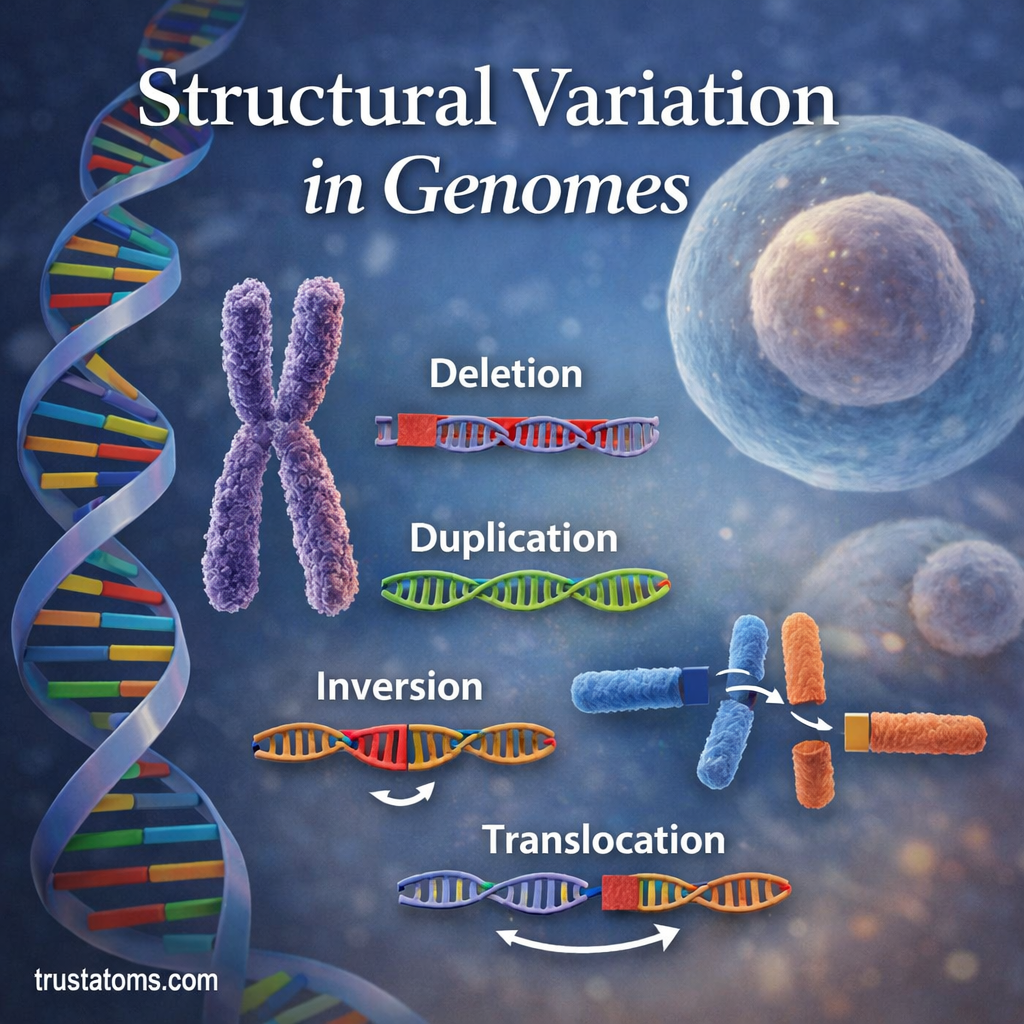
Structural Variation in Genomes

Scientific illustration showing different types of structural variation in genomes including deletion, duplication, inversion, and translocation in DNA.
Educational diagram illustrating major types of structural variation in genomes, including deletion, duplication, inversion, and translocation within chromosomes. trustatoms.com.

Genomes are not static blueprints. While many people think of genetic differences as small changes in DNA letters (mutations), large-scale alterations also play a major role in shaping organisms. These larger changes are known as structural variations (SVs)—significant rearrangements of DNA segments within or between chromosomes.

Structural variations can affect thousands to millions of DNA base pairs and often have a greater biological impact than single nucleotide mutations. They influence evolution, genetic diversity, disease susceptibility, and how genes function inside cells.

Understanding structural variation has become increasingly important in modern biology, especially with advances in genome sequencing technologies that allow scientists to detect complex genomic rearrangements across populations.

Continue reading “Structural Variation in Genomes”

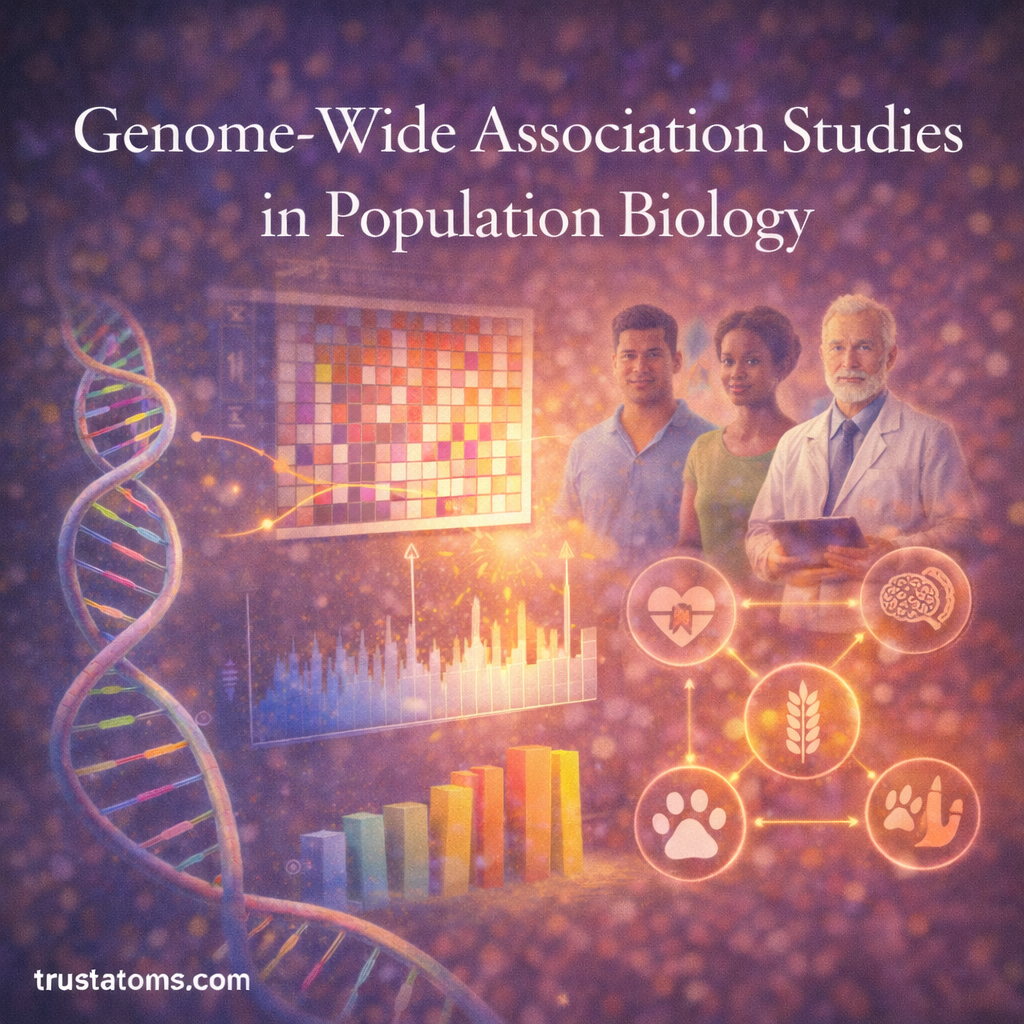
Genome-Wide Association Studies in Population Biology

Illustration showing genome-wide association studies with DNA helix, genomic data charts, and diverse individuals representing population genetic analysis.
Conceptual illustration of genome-wide association studies showing DNA analysis, genetic data visualization, and population-level trait research. trustatoms.com.

Genome-wide association studies (GWAS) have transformed how scientists study genetic variation in populations. By analyzing thousands or even millions of genetic markers across many individuals, researchers can identify genetic variants associated with specific traits, diseases, or biological characteristics.

In population biology, GWAS helps scientists understand how genetic variation contributes to differences among individuals and populations. These studies provide insights into complex traits that are influenced by multiple genes rather than a single genetic mutation.

Through large-scale genomic analysis, GWAS allows researchers to connect genetic patterns with biological outcomes across populations.

Continue reading “Genome-Wide Association Studies in Population Biology”

Epistasis in Genetic Interactions

Illustration showing epistasis in genetic interactions where multiple genes influence a single trait through interacting chromosomes and DNA pathways.
Conceptual illustration showing epistasis where multiple genes interact to influence trait expression through interconnected genetic pathways. trustatoms.com.

In genetics, traits are often influenced by more than one gene. While some genes contribute independently to characteristics, others interact in ways that modify or mask each other’s effects. One important form of gene interaction is epistasis.

Epistasis occurs when the expression of one gene is influenced by one or more other genes. These interactions can alter how traits appear in an organism and can complicate inheritance patterns beyond simple Mendelian genetics.

Understanding epistasis helps scientists explain complex trait inheritance, evolutionary processes, and many biological mechanisms involved in health and disease.

Continue reading “Epistasis in Genetic Interactions”

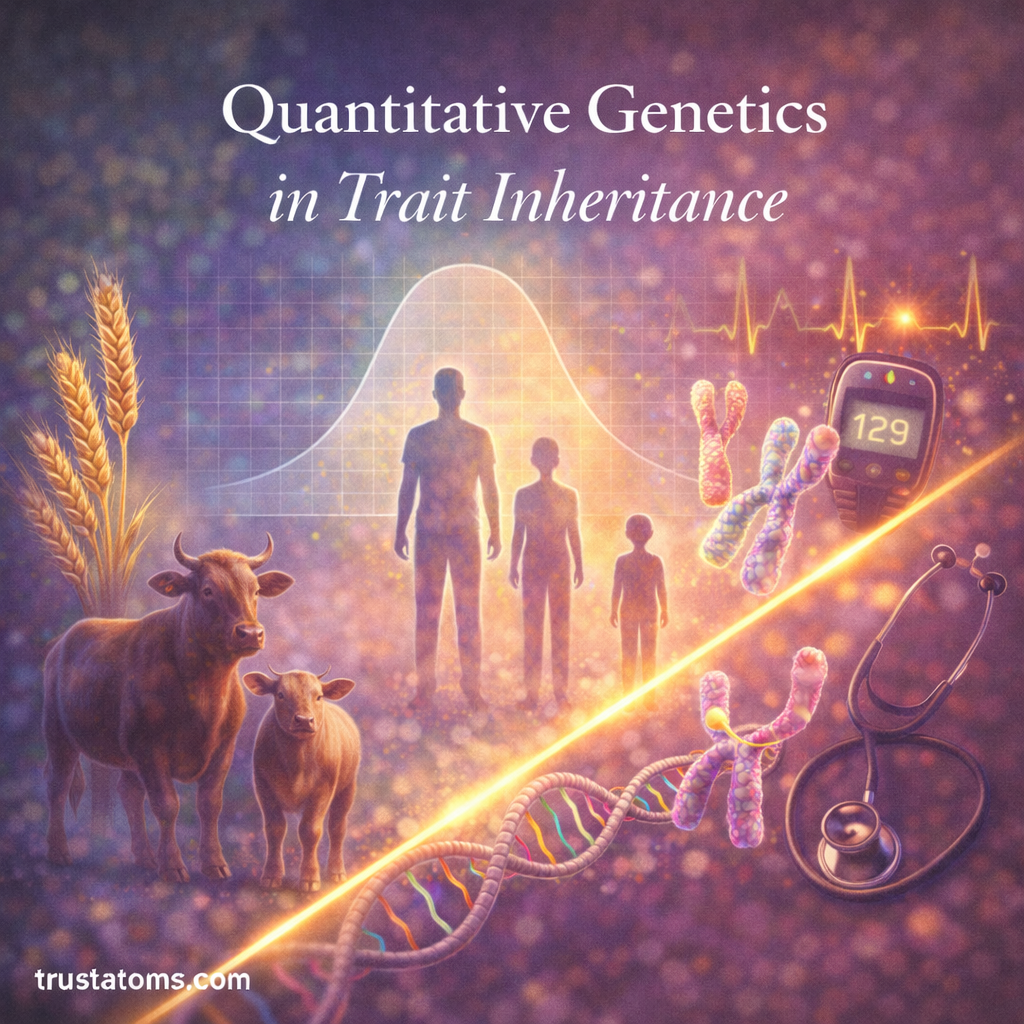
Quantitative Genetics in Trait Inheritance

Illustration showing quantitative genetics in trait inheritance with a bell curve distribution, DNA strands, chromosomes, and examples of human and agricultural traits.
Conceptual illustration showing quantitative genetics where multiple genes influence trait inheritance, represented by a bell curve distribution and DNA structures. trustatoms.com.

Many biological traits do not follow simple inheritance patterns controlled by a single gene. Instead, they are influenced by multiple genes and environmental factors. Quantitative genetics is the field of biology that studies how these complex traits are inherited and how genetic variation contributes to differences within populations.

Quantitative genetics helps scientists understand traits that vary continuously rather than appearing in distinct categories. These traits include characteristics such as height, weight, skin pigmentation, crop yield, and many behavioral or physiological traits.

By analyzing how genes and environmental conditions interact, quantitative genetics provides insight into evolution, agriculture, medicine, and population biology.

Continue reading “Quantitative Genetics in Trait Inheritance”

Genetic Variation in Populations

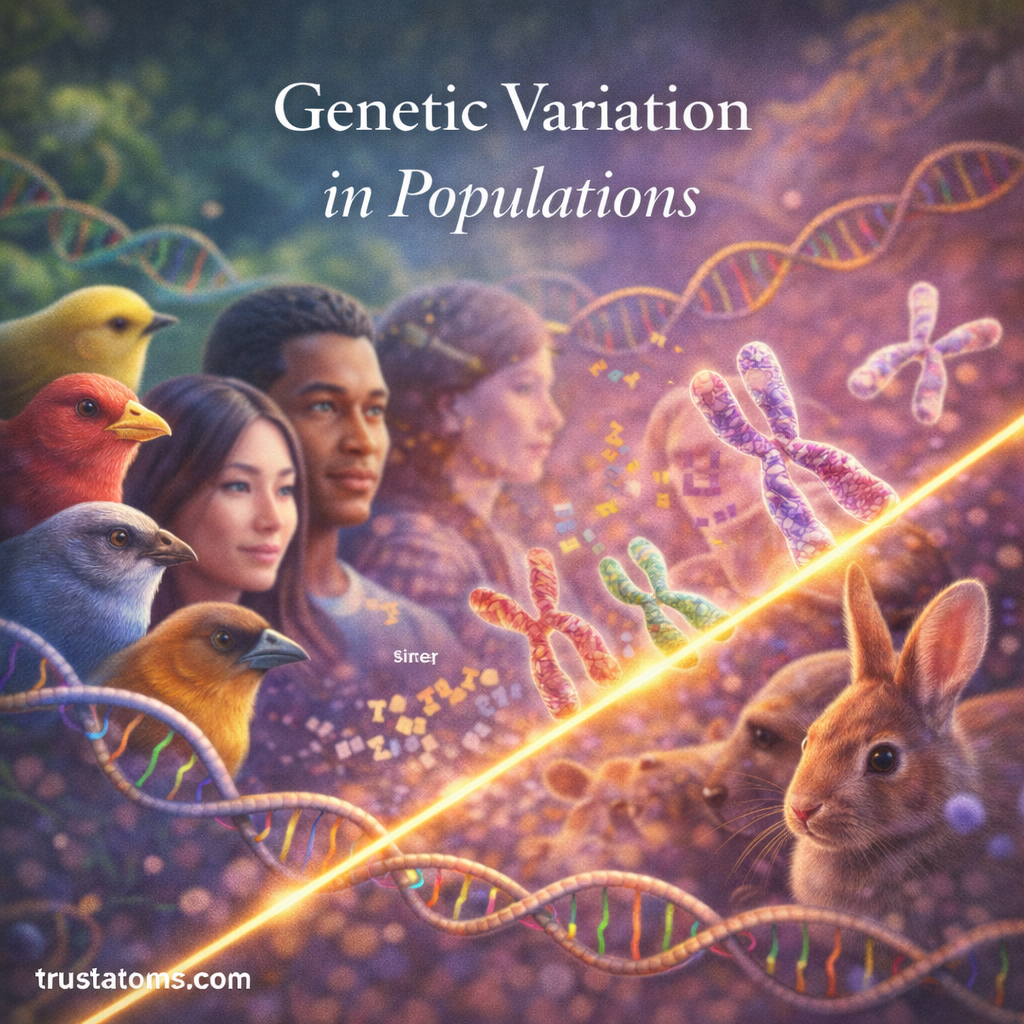
Illustration showing genetic variation in populations with diverse humans and animals alongside DNA strands and chromosomes representing biodiversity.
Illustration representing genetic variation across populations with diverse organisms, DNA strands, and chromosomes highlighting biological diversity. trustatoms.com.

Genetic variation is the foundation of biological diversity. Within any population of organisms, individuals differ in their genetic makeup, which leads to differences in traits such as appearance, physiology, and behavior. These genetic differences allow populations to adapt to changing environments and play a crucial role in evolution.

Without genetic variation, populations would struggle to survive environmental challenges such as disease, climate shifts, or competition for resources. Understanding how genetic variation arises and spreads within populations helps scientists explain evolutionary change and biodiversity.

Continue reading “Genetic Variation in Populations”

RNA Interference in Gene Regulation

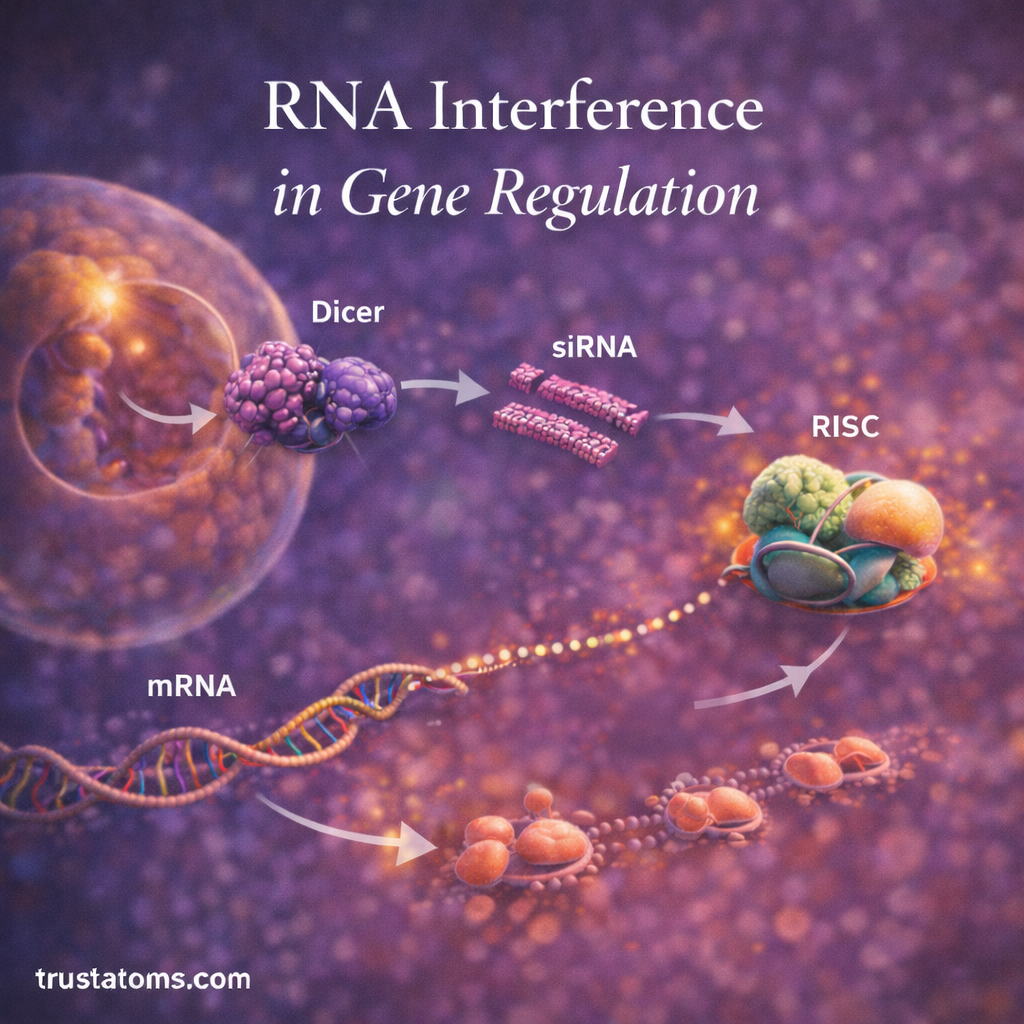
Illustration showing the RNA interference pathway where Dicer processes double-stranded RNA into siRNA and the RISC complex binds messenger RNA to silence gene expression.
Illustration of the RNA interference pathway showing Dicer producing small interfering RNA and the RISC complex targeting messenger RNA to regulate gene expression. trustatoms.com.

RNA interference (RNAi) is a biological process that helps cells regulate gene activity by controlling how much protein a gene produces. Instead of changing the DNA sequence itself, RNA interference works by targeting messenger RNA (mRNA) molecules and preventing them from being translated into proteins.

This mechanism allows cells to silence or reduce the expression of specific genes. RNA interference plays important roles in gene regulation, immune defense, development, and cellular stability.

Since its discovery in the late 20th century, RNA interference has become one of the most important tools for studying gene function and developing new therapeutic strategies.

Continue reading “RNA Interference in Gene Regulation”