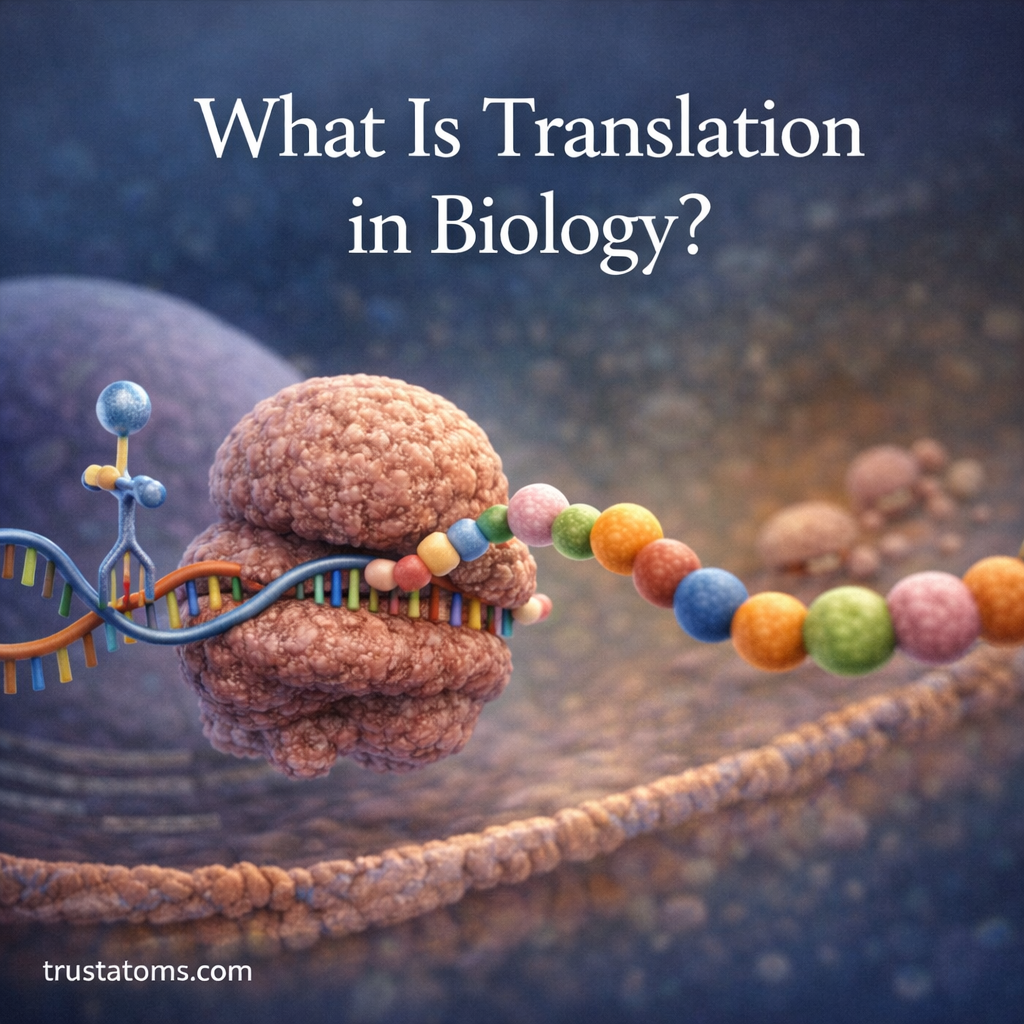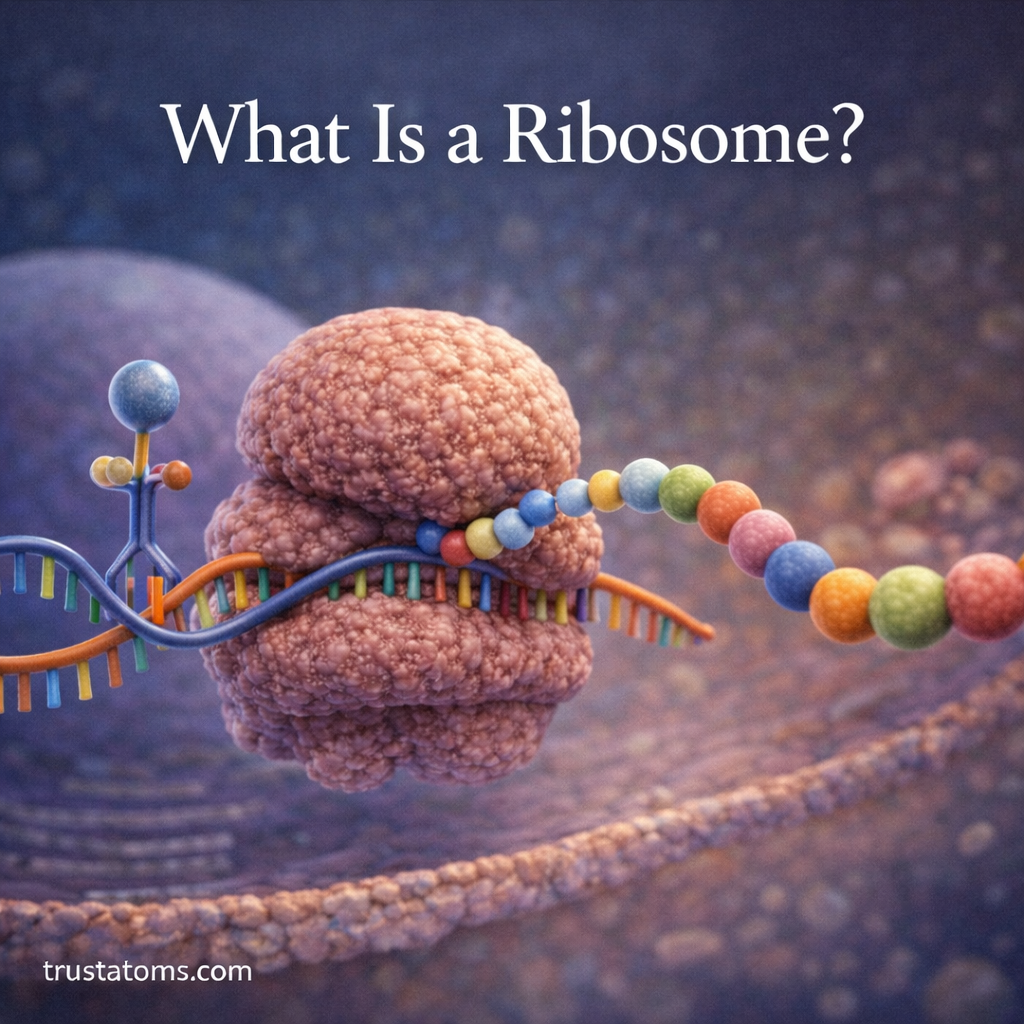
A ribosome is a small cellular structure responsible for building proteins. It acts as the cell’s protein-production machine by reading genetic instructions from messenger RNA (mRNA) and assembling amino acids into a chain that forms a protein.
Proteins are essential for nearly every biological process, including cell growth, metabolism, repair, and communication. Because ribosomes produce these proteins, they are among the most important structures inside living cells.
Ribosomes exist in all forms of life—from simple bacteria to complex human cells—making them one of the most universal components of biology.
Continue reading “What Is a Ribosome?”