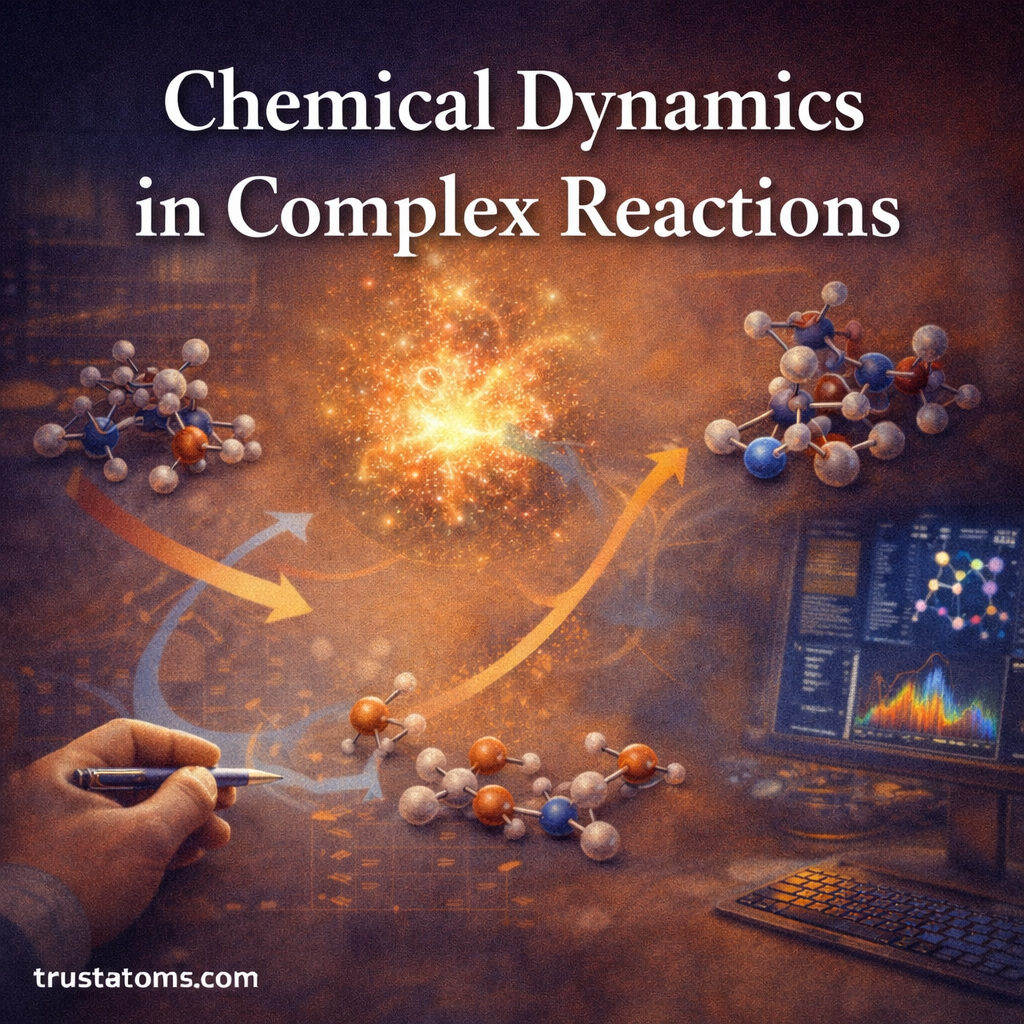
Chemical reactions are often presented in simple equations showing reactants converting into products. In reality, many reactions involve numerous intermediate steps, competing pathways, and rapidly changing molecular interactions. The study of chemical dynamics focuses on how these reactions actually unfold over time at the atomic and molecular level.
Chemical dynamics explores how molecules move, collide, transfer energy, and rearrange bonds during a reaction. Understanding these processes helps scientists predict reaction mechanisms, control chemical processes, and design more efficient industrial and biological reactions.
From atmospheric chemistry to drug development, chemical dynamics plays a central role in modern chemical research.
What Is Chemical Dynamics?
Chemical dynamics is the study of how chemical reactions occur and evolve over time, particularly at the level of molecular motion and energy transfer.
Rather than simply asking what products form, chemical dynamics asks questions such as:
- How do molecules collide during a reaction?
- How quickly do bonds break and form?
- What intermediate species appear during the reaction?
- Which reaction pathways are most likely?
By studying these processes, chemists gain deeper insight into the mechanisms that drive complex chemical transformations.
Reaction Mechanisms in Complex Systems
Many reactions occur through multiple steps rather than a single transformation. A reaction mechanism describes the detailed sequence of elementary steps that convert reactants into products.
Each elementary step typically involves:
- Bond breaking
- Bond formation
- Electron rearrangement
- Energy transfer between molecules
In complex reactions, several pathways may compete with one another. The dominant pathway depends on factors such as temperature, pressure, and molecular structure.
Understanding reaction mechanisms allows chemists to control reaction outcomes and improve efficiency.
Molecular Collisions and Reaction Probability
For a chemical reaction to occur, molecules must collide under the right conditions.
Not all collisions lead to reactions. A successful reaction requires:
- Sufficient kinetic energy
- Proper molecular orientation
- An energy level that exceeds the activation barrier
This concept is often described by collision theory, which explains how reaction rates depend on molecular motion and collision frequency.
Higher temperatures increase molecular motion, which leads to more energetic collisions and greater reaction probability.
Energy Transfer During Reactions
Energy transfer plays a critical role in chemical dynamics. During collisions, molecules exchange energy through vibrational, rotational, and translational motion.
These energy exchanges determine whether molecules have enough energy to overcome the activation energy barrier required for a reaction.
Energy may move between molecules in several ways:
- Vibrational energy exchange between bonds
- Rotational motion changes
- Translational kinetic energy from molecular movement
Understanding how energy moves between molecules helps explain why some reactions proceed quickly while others occur slowly.
Reaction Intermediates
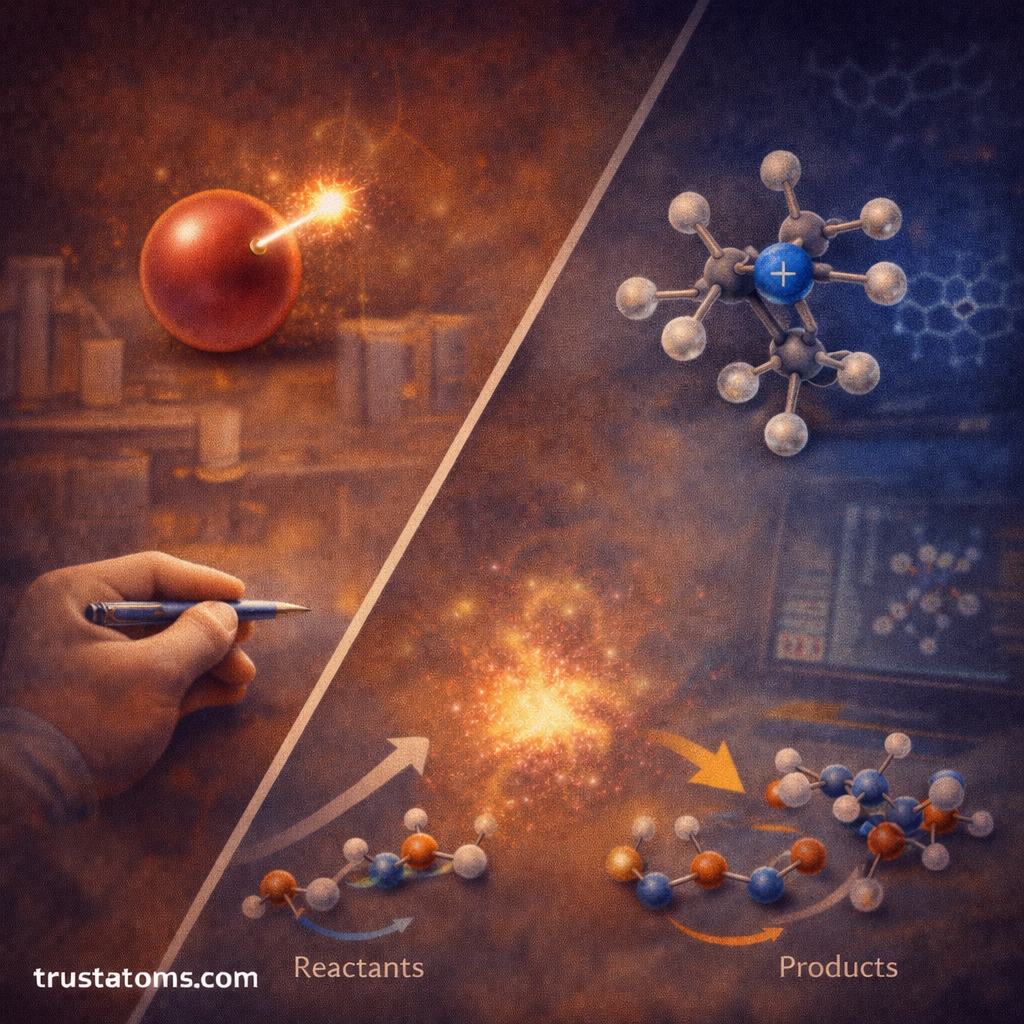
Complex reactions often produce temporary molecular species known as reaction intermediates.
Intermediates exist only briefly during the reaction process and then transform into other species.
Common types of intermediates include:
- Free radicals
- Carbocations
- Carbanions
- Activated complexes
Although intermediates are short-lived, modern experimental techniques allow scientists to detect and study them.
Analyzing intermediates provides valuable insight into reaction mechanisms and dynamic behavior.
Transition States and Reaction Pathways
During a chemical reaction, molecules pass through a high-energy configuration called the transition state.
The transition state represents the point at which bonds are partially broken and partially formed. It is the highest energy point along the reaction pathway.
Key characteristics of transition states include:
- Extremely short lifetimes
- Unstable atomic arrangements
- Maximum energy along the reaction coordinate
The structure and energy of the transition state strongly influence reaction speed and mechanism.
Reaction Rate and Dynamic Behavior
Chemical dynamics also examines how quickly reactions occur. Reaction rates depend on how frequently molecules collide with sufficient energy and the correct orientation.
Several factors influence reaction dynamics:
- Temperature
- Molecular concentration
- Pressure
- Presence of catalysts
- Molecular complexity
Increasing temperature generally increases reaction rates because molecules move faster and collisions become more energetic.
In complex reactions, multiple pathways may compete, leading to different reaction speeds and product distributions.
Experimental Methods in Chemical Dynamics
Studying chemical dynamics requires specialized techniques capable of observing reactions at extremely short timescales.
Modern research tools include:
- Ultrafast laser spectroscopy
- Molecular beam experiments
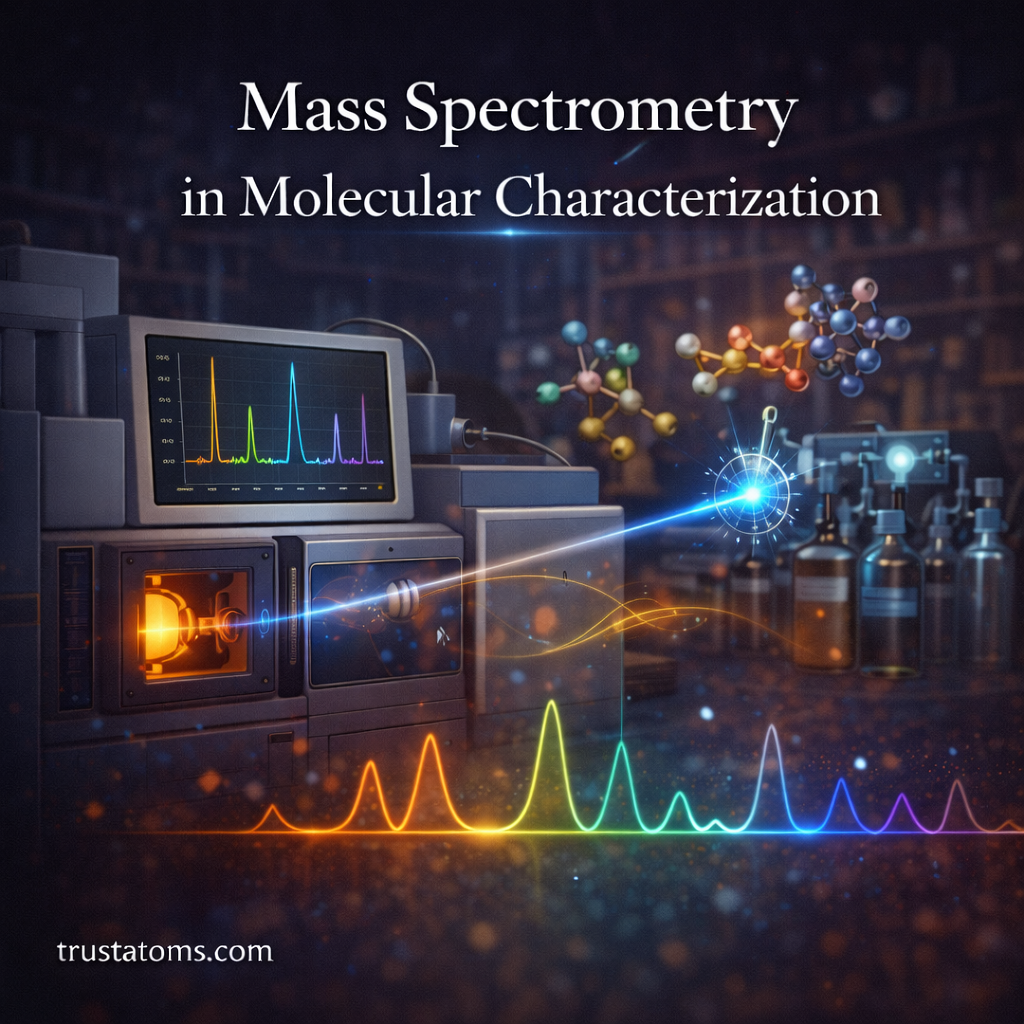
- Mass spectrometry
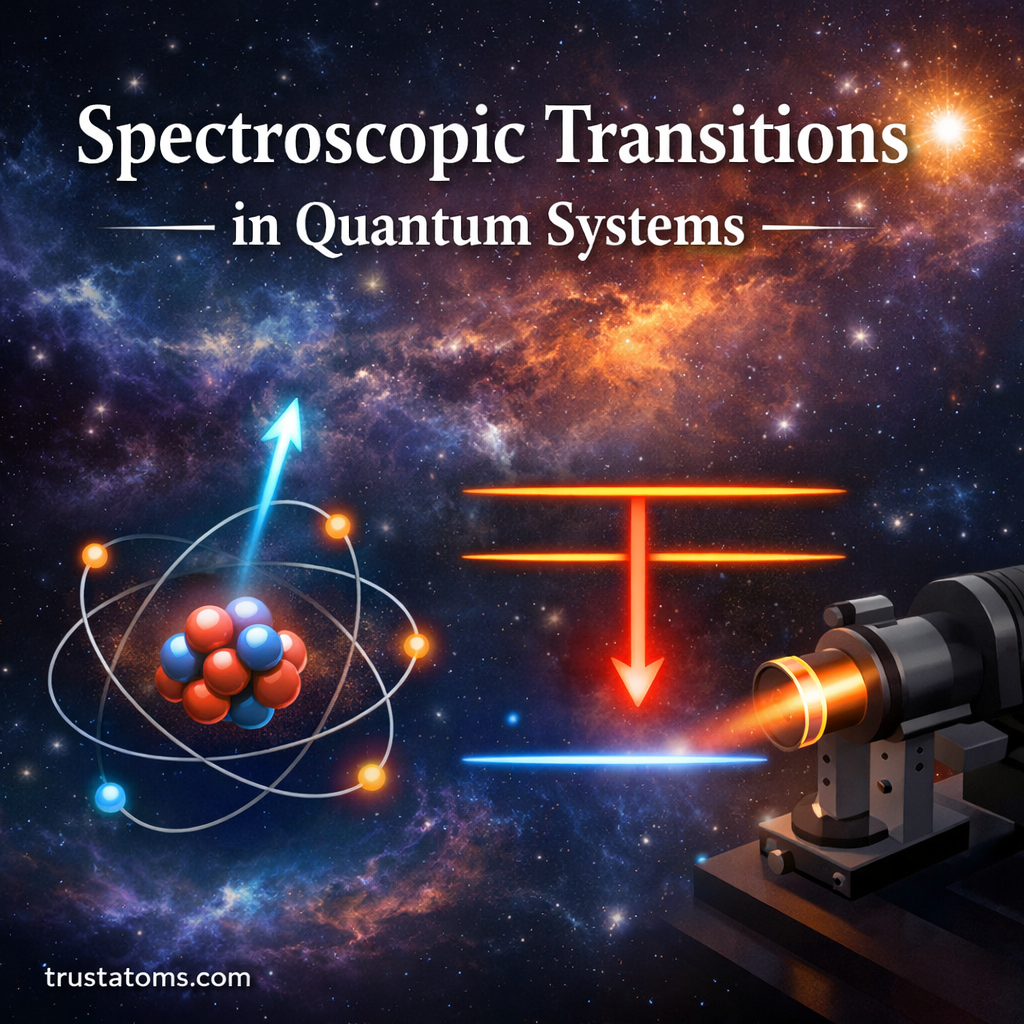
- Time-resolved spectroscopy
These techniques allow scientists to observe molecular changes occurring within femtoseconds (quadrillionths of a second).
This level of precision provides a detailed view of how molecules behave during chemical reactions.
Computational Modeling in Chemical Dynamics
Computational chemistry has become an important tool for studying chemical dynamics.
Computer simulations allow scientists to model how molecules move and interact during reactions.
These simulations can help researchers:
- Predict reaction pathways
- Visualize molecular motion
- Estimate reaction rates
- Study systems that are difficult to observe experimentally
Molecular dynamics simulations are particularly useful for exploring complex chemical systems involving many interacting molecules.
Applications of Chemical Dynamics
Understanding chemical dynamics has practical applications across many scientific fields.
Atmospheric Chemistry
Chemical dynamics helps explain reactions occurring in Earth’s atmosphere, including processes that affect air quality and climate.
Examples include:
- Ozone formation and depletion
- Pollutant transformation
- Photochemical smog reactions
Combustion Chemistry
Combustion reactions involve highly complex dynamic processes.
Studying chemical dynamics allows scientists to improve:
- Fuel efficiency
- Engine design
- Emissions control
- Energy production technologies
Biological Chemistry
Many biological reactions occur through complex molecular pathways.
Chemical dynamics helps researchers understand:
- Enzyme activity
- Metabolic reactions
- Protein interactions
- Molecular signaling processes
This knowledge supports advances in medicine and biotechnology.
Industrial Chemical Processes
Large-scale chemical manufacturing often involves reactions with many competing pathways.
Chemical dynamics helps engineers optimize:
- Reaction conditions
- Catalyst performance
- Product yield
- Energy efficiency
Better understanding of reaction mechanisms leads to safer and more efficient industrial processes.
Why Chemical Dynamics Matters
Chemical dynamics provides insight into the microscopic events that drive chemical reactions. By studying how molecules move, collide, and transfer energy, scientists gain a deeper understanding of how reactions actually occur.
This knowledge allows chemists to:
- Predict reaction outcomes
- Design more efficient chemical processes
- Control reaction pathways
- Develop new technologies
In complex chemical systems, reaction dynamics often determine whether reactions proceed slowly, rapidly, or along multiple pathways.
Final Thoughts
Chemical dynamics reveals the hidden processes occurring during chemical reactions. By examining molecular motion, energy transfer, intermediates, and transition states, scientists can understand how complex reactions evolve over time.
As experimental and computational tools continue to advance, the study of chemical dynamics will remain essential for exploring chemical behavior in fields ranging from atmospheric science to biotechnology and advanced materials.