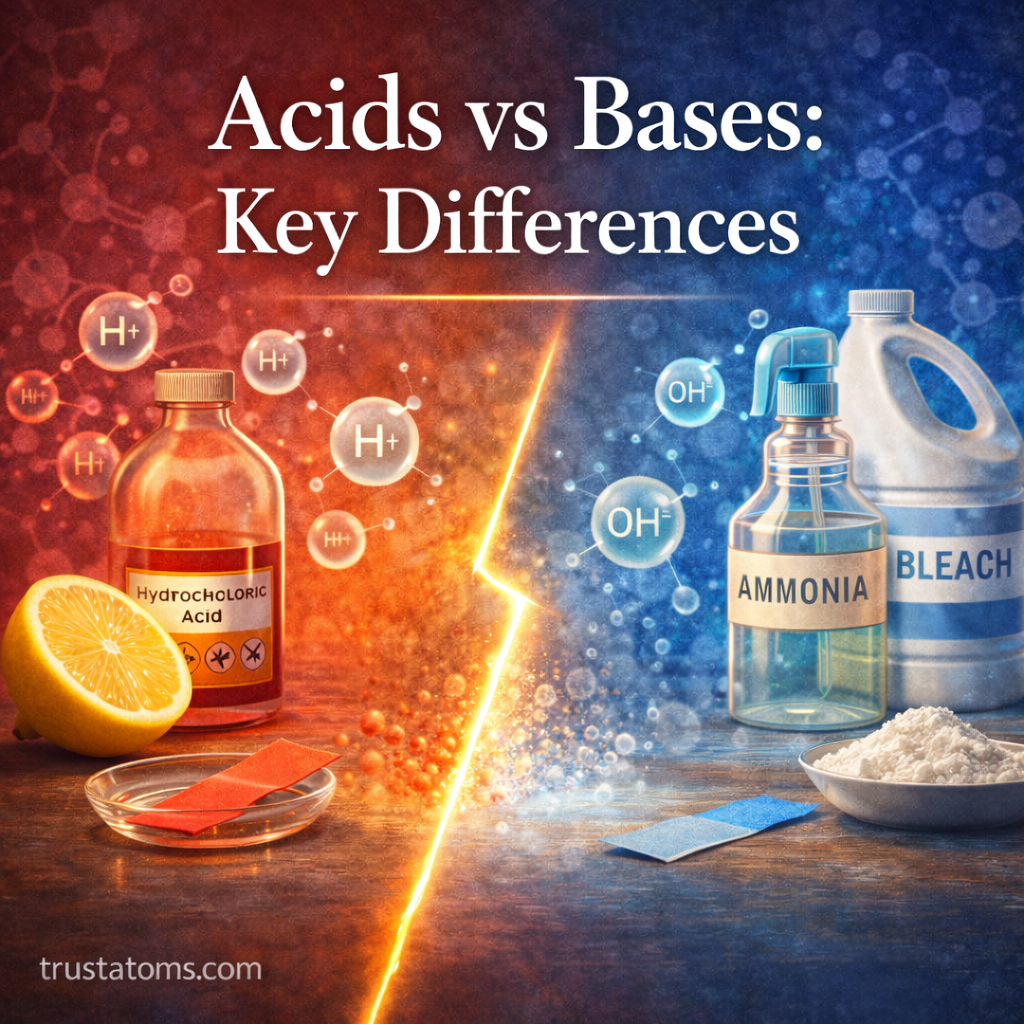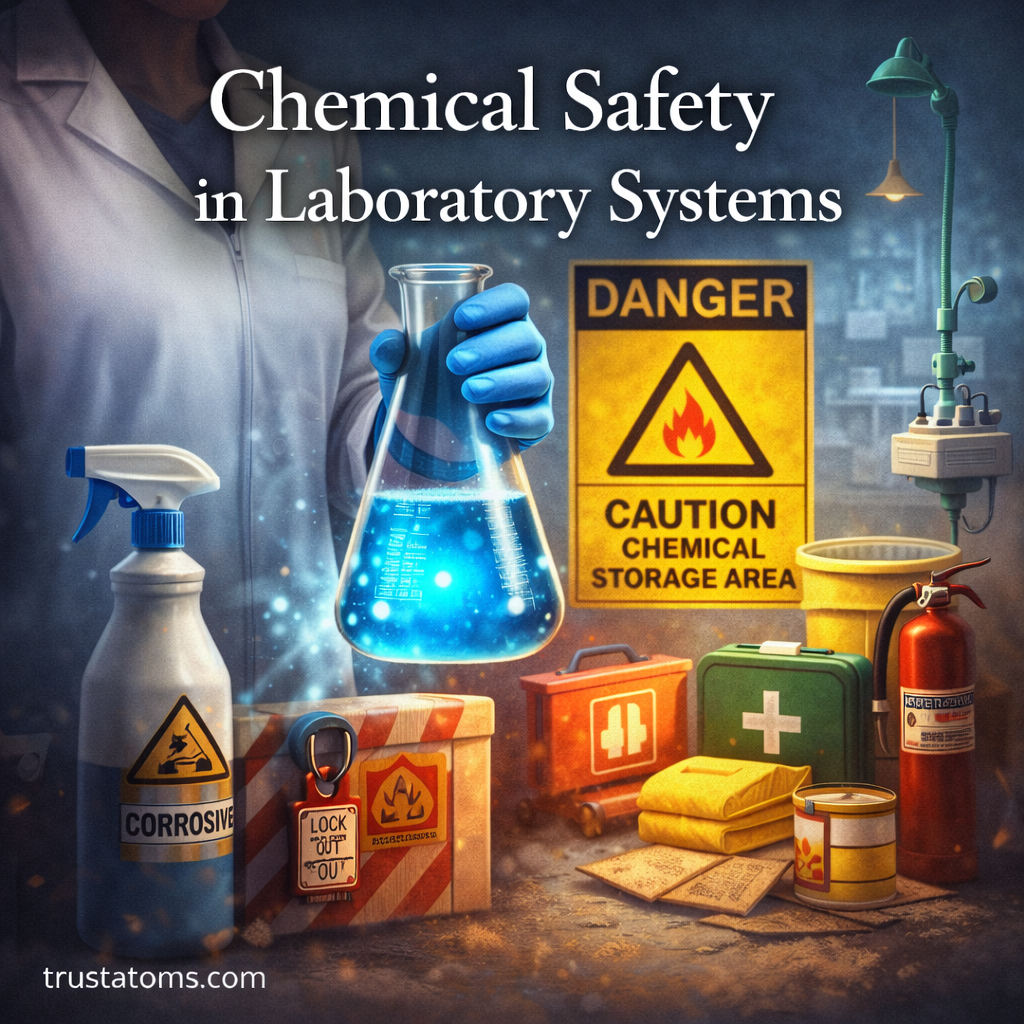
Chemical laboratories are designed to support controlled experimentation, analysis, and research. However, working with chemicals also introduces potential hazards such as toxic exposure, fire risks, corrosive materials, and reactive substances. For this reason, chemical safety is a foundational part of laboratory systems.
Chemical safety in laboratories involves proper training, protective equipment, safe storage, hazard awareness, and emergency preparedness. When these systems are implemented effectively, laboratories can minimize risk while maintaining productive scientific work.
Understanding laboratory chemical safety helps students, researchers, and professionals create environments where scientific discovery can occur responsibly and safely.
Why Chemical Safety Matters in Laboratories
Laboratories often contain substances that can be harmful if handled improperly. Many chemicals are toxic, flammable, corrosive, or reactive under certain conditions.
Proper safety systems help prevent:
- Chemical burns
- Toxic inhalation
- Fires and explosions
- Environmental contamination
- Accidental chemical reactions
In addition to protecting people, safety protocols also safeguard equipment, research samples, and laboratory infrastructure.
Most professional laboratories operate under strict safety guidelines that are reviewed regularly to maintain compliance and reduce risk.
Understanding Chemical Hazards
Before working with any chemical, it is essential to understand its potential hazards. Chemical hazards typically fall into several categories.
Physical Hazards
Physical hazards involve chemicals that may cause fires, explosions, or other dangerous reactions.
Examples include:
- Flammable liquids
- Combustible gases
- Reactive metals
- Explosive compounds
- Pressurized containers
These substances require controlled storage and careful handling to prevent accidents.
Health Hazards
Health hazards refer to chemicals that can harm the body through inhalation, ingestion, or skin contact.
Common examples include:
- Toxic substances
- Carcinogens
- Corrosive acids or bases
- Irritants
- Sensitizing chemicals
Understanding these hazards helps laboratory workers use appropriate protective measures.
Environmental Hazards
Some chemicals pose risks to ecosystems if released improperly.
Examples include:
- Toxic heavy metals
- Persistent industrial chemicals
- Pollutants harmful to aquatic life
Proper disposal and containment procedures help prevent environmental contamination.
The Role of Safety Data Sheets (SDS)
Safety Data Sheets (SDS) are standardized documents that provide detailed information about a chemical substance.
An SDS typically includes:
- Chemical identification
- Hazard classifications
- Handling and storage recommendations
- First aid procedures
- Firefighting guidance
- Spill response instructions
Laboratory personnel should review the SDS for any chemical before using it. These documents provide essential information for safe handling and emergency response.
Personal Protective Equipment (PPE)
Personal protective equipment helps reduce exposure to hazardous chemicals. PPE acts as a barrier between laboratory workers and potential hazards.
Common laboratory PPE includes:
- Safety goggles or protective eyewear
- Laboratory coats
- Chemical-resistant gloves
- Face shields
- Respirators (when required)
Choosing the Right PPE
Different chemicals require different protective equipment.
For example:
- Strong acids may require acid-resistant gloves
- Volatile chemicals may require respiratory protection
- Splash hazards require face shields and goggles
Selecting the correct PPE depends on the chemical properties and the laboratory procedure being performed.
Safe Chemical Storage Practices
Proper chemical storage is essential to prevent dangerous reactions and accidental exposure.
Laboratories typically store chemicals based on compatibility rather than alphabetical order.
Key Storage Principles
- Separate acids and bases
- Keep flammable liquids in fire-resistant cabinets
- Store oxidizers away from combustible materials
- Maintain proper labeling on all containers
- Use secondary containment for hazardous liquids
Temperature, ventilation, and humidity can also affect chemical stability. Storage conditions must match the requirements listed in the chemical’s safety documentation.
Ventilation and Laboratory Safety Systems
Laboratories use specialized ventilation systems to reduce exposure to harmful vapors and fumes.
Chemical Fume Hoods
Fume hoods are enclosed workspaces that draw contaminated air away from the user.
They are commonly used when working with:
- Volatile solvents
- Toxic vapors
- Corrosive chemicals
- Strong acids and bases
Proper airflow within a fume hood helps prevent inhalation of hazardous substances.
General Laboratory Ventilation
In addition to fume hoods, laboratories often include:
- Local exhaust systems
- Air filtration units
- Negative-pressure airflow systems
These systems help maintain safe air quality inside the laboratory.
Labeling and Chemical Identification
Clear labeling is critical in laboratory safety. Every chemical container must be properly identified.
Labels typically include:
- Chemical name
- Hazard warnings
- Handling precautions
- Date of preparation
- Responsible person or laboratory
Unlabeled chemicals can create serious risks because their hazards may be unknown.
Laboratories often follow international labeling systems that standardize hazard symbols and warnings.
Chemical Spill Response Procedures
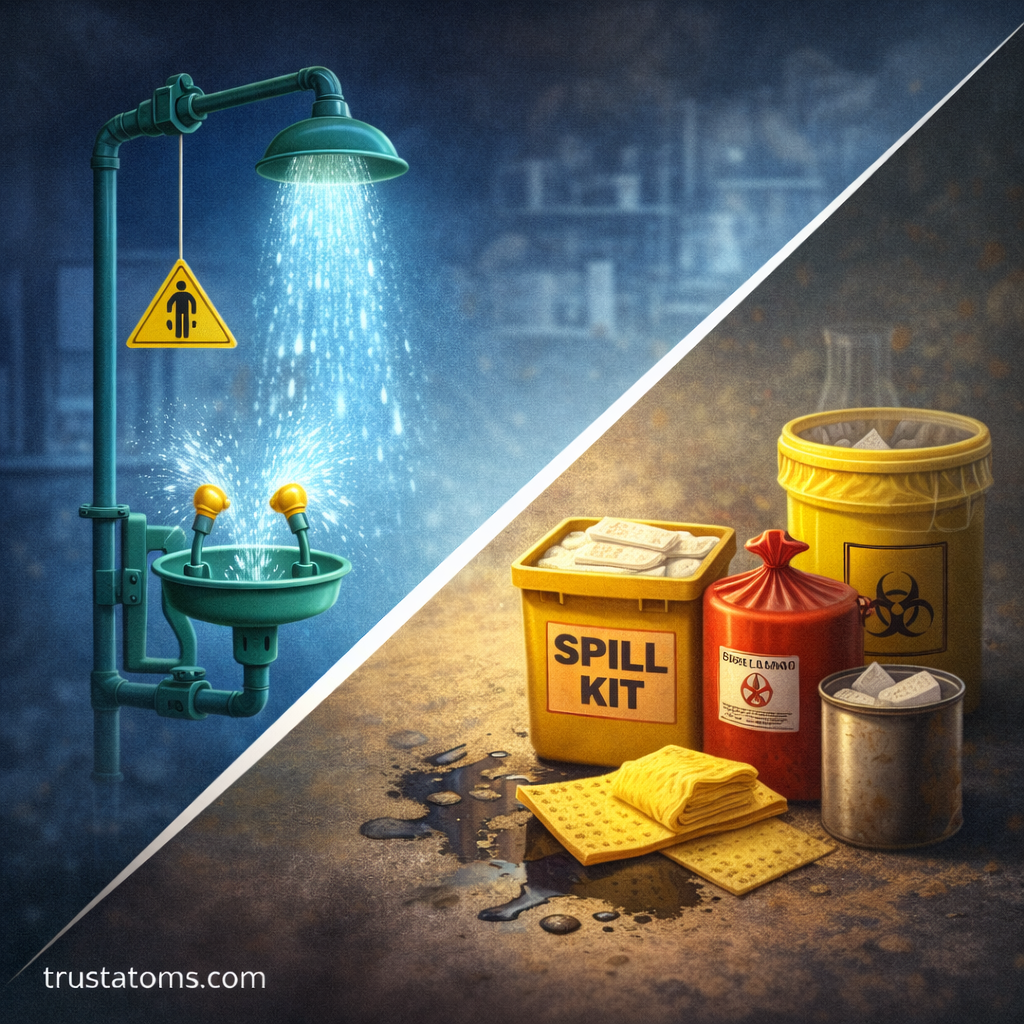
Even with strong safety practices, chemical spills can occasionally occur. Laboratories must be prepared to respond quickly and safely.
Basic Spill Response Steps
- Identify the chemical involved.
- Alert nearby personnel.
- Use appropriate protective equipment.
- Contain the spill using absorbent materials.
- Dispose of contaminated materials properly.
For large or highly hazardous spills, laboratory workers may need to evacuate the area and contact trained emergency response teams.
Spill kits designed for different chemical types are commonly kept in laboratory environments.
Chemical Waste Management
Laboratories generate chemical waste that must be handled responsibly. Improper disposal can create safety risks and environmental damage.
Common Types of Laboratory Waste
- Solvent waste
- Acid and base waste
- Heavy metal solutions
- Biological chemical mixtures
- Reactive chemical residues
Waste chemicals are typically collected in labeled containers and disposed of through regulated waste management systems.
Proper documentation ensures that waste is transported and treated safely.
Laboratory Safety Training and Culture
Effective chemical safety depends not only on rules but also on a strong safety culture within the laboratory.
Safety training typically includes:
- Hazard recognition
- Proper chemical handling
- Emergency response procedures
- Equipment operation
- Waste disposal protocols
Regular training ensures that laboratory personnel remain aware of evolving safety standards and procedures.
Creating a culture where safety concerns can be openly discussed also helps prevent accidents.
Final Thoughts
Chemical safety in laboratory systems is essential for protecting people, research, and the environment. Through hazard awareness, protective equipment, proper storage, and emergency preparedness, laboratories can safely manage the risks associated with chemical experimentation.
By following established safety practices and maintaining strong safety cultures, scientists and laboratory professionals ensure that chemical research continues to advance responsibly and safely.