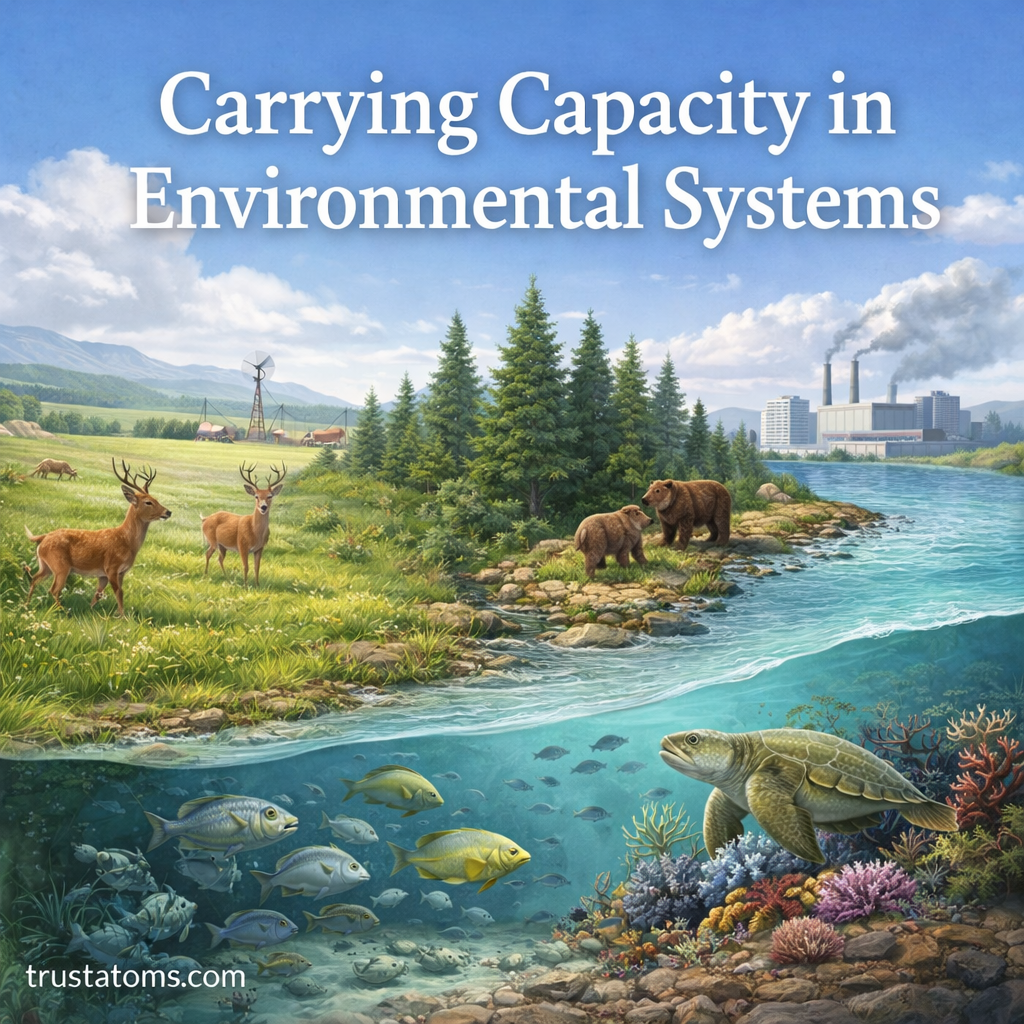
In nature, organisms often compete with one another for limited resources. This interaction is known as competition, a key ecological process that influences how species survive, reproduce, and interact within ecosystems.
Competition occurs when two or more organisms require the same limited resource, such as food, water, sunlight, territory, or shelter. Because resources are finite, organisms must compete to obtain what they need to survive.
This process plays a major role in shaping ecological communities by affecting species populations, distribution, and evolutionary adaptations.
What Is Ecological Competition?
Ecological competition is a biological interaction where organisms struggle for the same resources within an environment.
The competition may occur:
- Between individuals of the same species
- Between individuals of different species
When organisms compete, one or both participants may experience reduced growth, reproduction, or survival due to limited resources.
Unlike predator–prey relationships, competition does not involve one organism consuming another. Instead, organisms indirectly affect each other by using shared resources.
Why Competition Happens in Nature
Competition arises because ecosystems contain limited resources, while organisms continually require energy and nutrients.
Common resources that organisms compete for include:
- Food sources
- Water
- Sunlight
- Space or territory
- Mates
- Shelter or nesting sites
- Nutrients in soil
When multiple organisms rely on the same resource, competition becomes unavoidable.
For example:
- Plants compete for sunlight and soil nutrients.
- Animals compete for food and territory.
- Birds may compete for nesting locations.
Types of Ecological Competition

Biologists generally recognize two major forms of competition: intraspecific competition and interspecific competition.
Intraspecific Competition
Intraspecific competition occurs between individuals of the same species.
Because individuals of the same species share very similar needs, this type of competition can be especially intense.
Examples
- Deer competing for food during winter
- Male birds competing for mates
- Trees of the same species competing for sunlight
- Fish competing for spawning areas
Intraspecific competition often helps regulate population size by limiting how many individuals can survive in a particular environment.
Interspecific Competition
Interspecific competition occurs between different species that require the same resource.
Although the species are different, their ecological roles may overlap.
Examples
- Lions and hyenas competing for prey
- Different plant species competing for sunlight
- Birds competing for insects
- Marine animals competing for plankton
This type of competition can shape how species divide resources within ecosystems.
Direct vs Indirect Competition
Competition can occur in different ways depending on how organisms interact.
Direct Competition
Direct competition happens when organisms physically interact or confront each other.
Examples include:
- Animals fighting for territory
- Birds competing for nesting spaces
- Plants releasing chemicals that inhibit nearby plants
Direct competition can sometimes involve aggressive behavior.
Indirect Competition
Indirect competition occurs when organisms consume the same resource without directly interacting.
Examples include:
- Two plant species absorbing the same soil nutrients
- Different predators feeding on the same prey population
- Grazing animals eating the same vegetation
Indirect competition is very common in natural ecosystems.
The Competitive Exclusion Principle
One of the most important ideas in ecology is the competitive exclusion principle.
This principle states that:
Two species that compete for exactly the same resources cannot coexist indefinitely in the same environment.
Eventually, one species will gain an advantage and outcompete the other.
Possible outcomes include:
- One species becoming locally extinct
- One species adapting to use different resources
- Species occupying slightly different ecological niches
This principle helps explain why species often evolve specialized roles within ecosystems.
Resource Partitioning
When species compete for the same resources, they sometimes evolve strategies to reduce competition. This process is called resource partitioning.
Resource partitioning occurs when species divide resources in different ways.
Examples include:
- Birds feeding at different heights in the same tree
- Predators hunting at different times of day
- Animals eating different parts of the same plant
By using resources differently, species can coexist within the same ecosystem.
Adaptations That Reduce Competition
Organisms may evolve adaptations that help them compete more effectively.
Examples include:
- Specialized feeding structures
- Behavioral strategies such as hunting at different times
- Physical traits that improve resource access
- Migration to areas with less competition
These adaptations allow species to survive even in crowded or resource-limited environments.
The Role of Competition in Evolution
Competition is one of the driving forces behind natural selection.
When organisms compete for resources:
- Individuals with advantageous traits are more likely to survive.
- Successful individuals reproduce and pass on those traits.
- Over time, populations adapt to their environment.
Competition therefore helps shape species evolution and ecological diversity.
Examples of Competition in Ecosystems
Competition occurs in nearly every ecological community.
Forest Ecosystems
Trees compete for sunlight, water, and nutrients. Taller trees often shade smaller plants, giving them a competitive advantage.
Grassland Ecosystems
Herbivores compete for grasses and vegetation. When food becomes scarce, some animals may migrate to new areas.
Ocean Ecosystems
Marine organisms compete for food sources such as plankton or small fish.
Desert Ecosystems
Plants compete intensely for limited water resources.
These interactions influence which species thrive in each environment.
Why Competition Is Important for Ecosystems
Competition helps maintain balance within ecosystems by:
- Controlling population growth
- Promoting species diversity
- Encouraging ecological specialization
- Driving evolutionary adaptations
Without competition, ecosystems could become unstable, with certain species dominating and others disappearing.
Competition ensures that resources are distributed among multiple organisms, supporting complex and diverse ecological communities.
Final Thoughts
Competition in ecological communities occurs when organisms struggle for the same limited resources. This interaction influences population sizes, species distribution, and the evolution of organisms.
Both intraspecific and interspecific competition shape ecosystems by determining how organisms access food, space, and other essential resources. Through processes such as resource partitioning and natural selection, competition helps maintain balance and diversity in the natural world.
Understanding competition allows scientists to better explain how ecosystems function and how species adapt to survive within them.