Electrochemical cells are a cornerstone of modern energy technology. From powering smartphones and laptops to supporting renewable energy storage and electric vehicles, these systems convert chemical energy into electrical energy through controlled chemical reactions.
As the global energy landscape shifts toward cleaner and more sustainable solutions, electrochemical cells are becoming increasingly important. Understanding how they work helps explain many of the technologies that support modern power systems, portable electronics, and large-scale energy storage.
What Is an Electrochemical Cell?
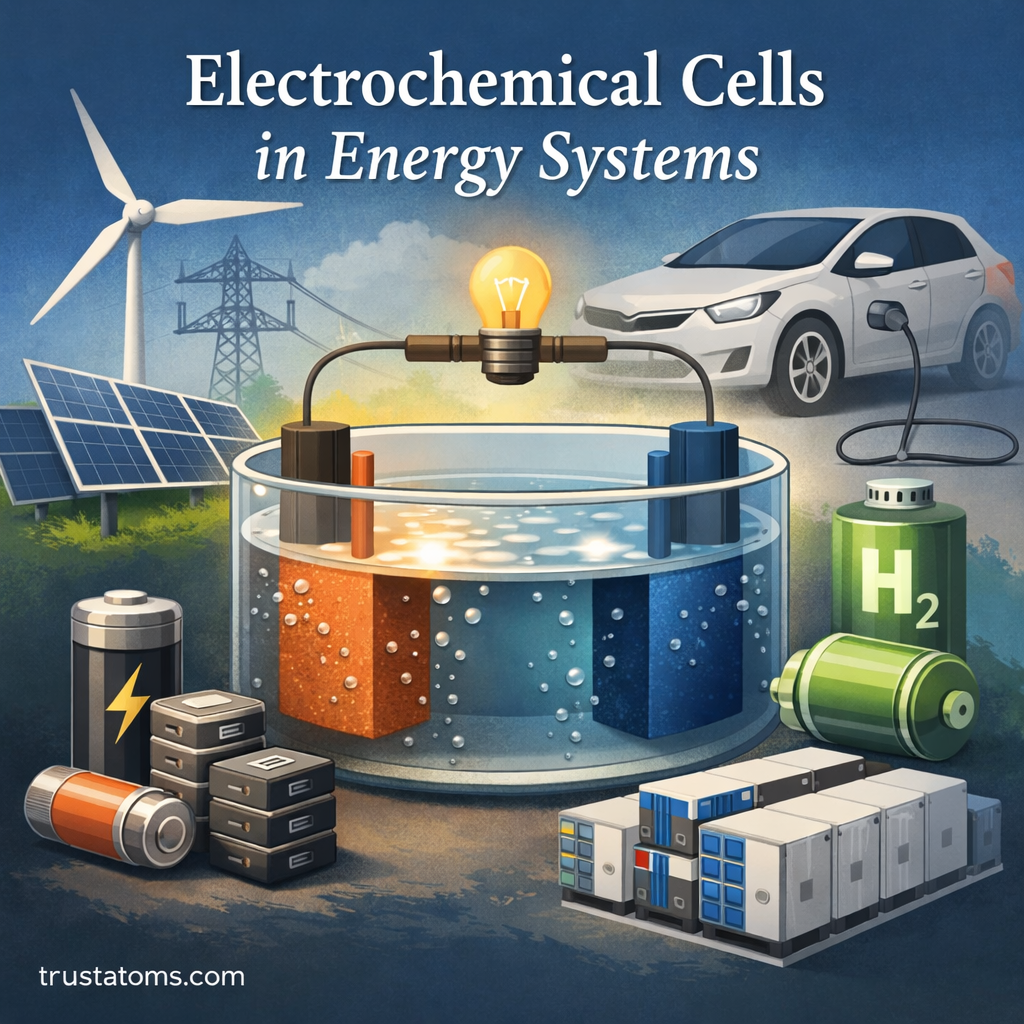
An electrochemical cell is a device that generates electrical energy from chemical reactions or uses electrical energy to drive chemical reactions.
The core principle behind electrochemical cells is redox chemistry, where:
- Oxidation is the loss of electrons.
- Reduction is the gain of electrons.
These reactions occur at separate electrodes, allowing electrons to move through an external circuit and produce usable electrical energy.
Electrochemical cells are widely used in:
- Batteries
- Fuel cells
- Sensors
- Industrial electrolysis
- Renewable energy storage systems
Key Components of an Electrochemical Cell
Although designs vary depending on the application, most electrochemical cells share several essential components.
Electrodes
Electrodes are conductive materials where redox reactions occur.
Two types are present in every cell:
- Anode – where oxidation occurs
- Cathode – where reduction occurs
Electrons flow from the anode to the cathode through an external circuit.
Electrolyte
The electrolyte is a medium containing ions that allows charge to move between the electrodes.
Electrolytes may be:
- Liquid solutions
- Solid ionic conductors
- Polymer membranes
They complete the internal electrical circuit by enabling ion movement.
External Circuit
The external circuit connects the electrodes and allows electrons to flow through a device or electrical load, such as a motor, light, or electronic component.
Separator or Membrane
Many cells include a separator that prevents the electrodes from directly touching while still allowing ions to move through the electrolyte.
This component helps maintain controlled chemical reactions and prevents short circuits.
Types of Electrochemical Cells
Electrochemical cells can be classified into two main categories depending on how they operate.
Galvanic (Voltaic) Cells
Galvanic cells generate electricity from spontaneous chemical reactions.
Common examples include:
- Alkaline batteries
- Lithium-ion batteries
- Lead-acid car batteries
These systems convert stored chemical energy into electrical energy used by electronic devices.
Electrolytic Cells
Electrolytic cells require an external electrical power source to drive chemical reactions that would not occur naturally.
Applications include:
- Metal plating
- Hydrogen production through water electrolysis
- Industrial chemical manufacturing
While they consume electricity, they are essential for producing important materials and fuels.
Role of Electrochemical Cells in Modern Energy Systems
Electrochemical technologies are becoming central to energy infrastructure as societies transition toward renewable energy sources.
Energy Storage
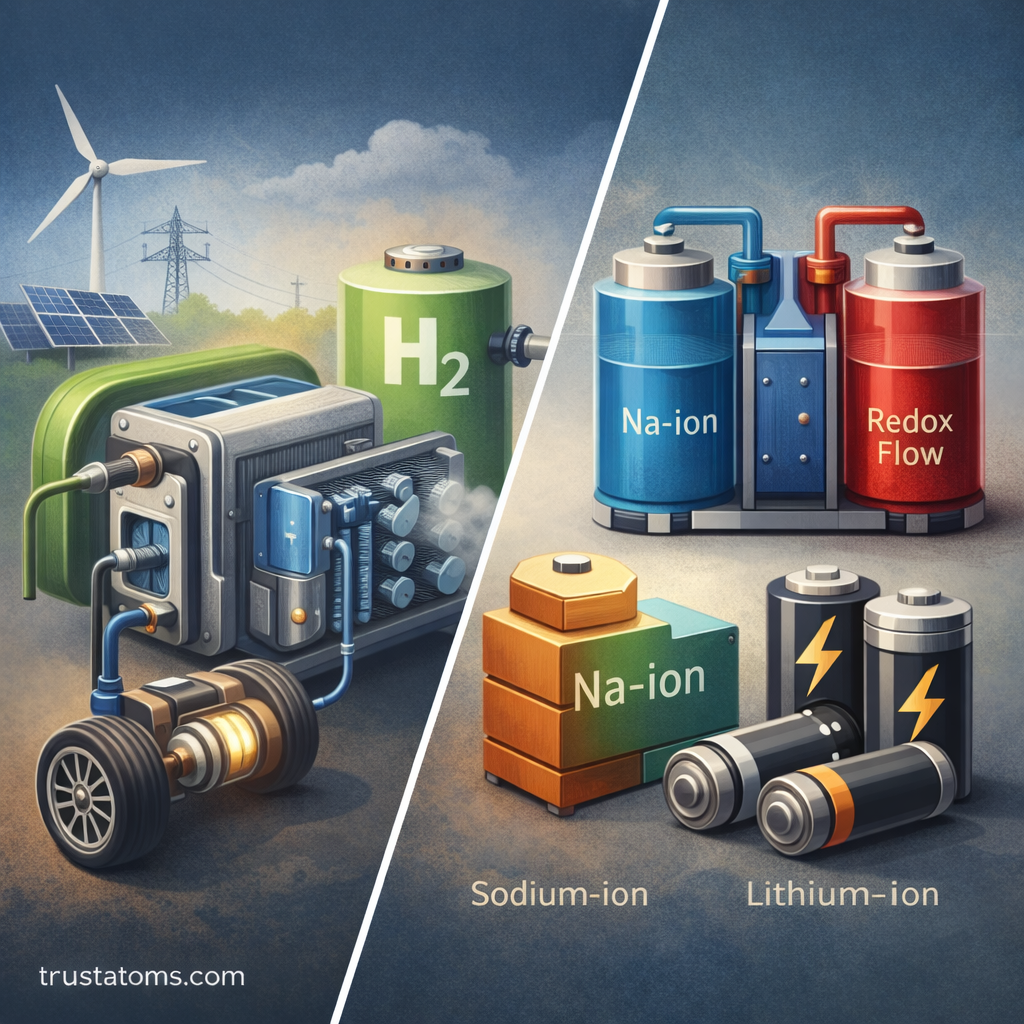
Renewable energy sources such as solar and wind are intermittent. Electrochemical storage systems help balance supply and demand by storing excess electricity.
Examples include:
- Lithium-ion grid batteries
- Flow batteries
- Sodium-ion batteries
These systems store energy during peak production and release it when demand rises.
Electric Transportation
Electric vehicles rely on high-capacity electrochemical batteries to store energy efficiently.
Advantages include:
- Reduced greenhouse gas emissions
- Lower fuel costs
- Higher energy efficiency compared to combustion engines
Battery technology improvements are continuously increasing vehicle range and charging speed.
Portable Electronics
Electrochemical cells power everyday devices such as:
- Smartphones
- Laptops
- Medical devices
- Wireless tools
Advances in battery chemistry have allowed these devices to become smaller while maintaining longer operating times.
Renewable Energy Integration
Fuel cells and electrolyzers are gaining importance in hydrogen energy systems.
These technologies allow:
- Storage of renewable electricity as hydrogen fuel
- Conversion of hydrogen back into electricity
- Long-term energy storage solutions
Advantages of Electrochemical Energy Systems
Electrochemical technologies provide several advantages that make them ideal for modern energy applications.
Key benefits include:
- High energy conversion efficiency
- Scalable designs for small devices or large grids
- Reduced emissions compared to fossil fuel systems
- Fast response times for energy demand changes
- Compatibility with renewable energy infrastructure
Because of these benefits, electrochemical systems are central to the development of sustainable energy networks.
Challenges and Limitations
Despite their advantages, electrochemical energy systems also face several technical challenges.
Common limitations include:
- Limited lifespan due to electrode degradation
- High material costs for certain battery chemistries
- Energy density constraints
- Recycling and disposal concerns
- Safety risks in high-energy batteries
Researchers are working to improve materials, design safer systems, and develop more sustainable battery recycling processes.
Emerging Innovations in Electrochemical Technology
Scientific research continues to expand the possibilities of electrochemical energy systems.
Promising developments include:
Solid-State Batteries
Solid-state batteries replace liquid electrolytes with solid materials, improving safety and potentially increasing energy density.
Flow Batteries
Flow batteries store energy in liquid electrolytes that circulate through the system. This design allows large-scale energy storage for power grids.
Hydrogen Fuel Cells
Fuel cells generate electricity by combining hydrogen and oxygen, producing only water as a byproduct.
These systems are being explored for:
- Transportation
- Backup power systems
- Industrial energy solutions
Sustainable Battery Materials
Scientists are developing alternatives to scarce materials such as cobalt and lithium, aiming for more abundant and environmentally friendly battery chemistries.
Final Thoughts
Electrochemical cells play a vital role in modern energy systems by enabling efficient energy conversion and storage. From the batteries that power everyday electronics to large grid storage systems supporting renewable energy, these technologies are essential for the future of clean and reliable energy.
As research advances and new materials emerge, electrochemical systems will likely become even more efficient, durable, and sustainable. Their continued development will help support the transition toward a more resilient and environmentally responsible global energy infrastructure.