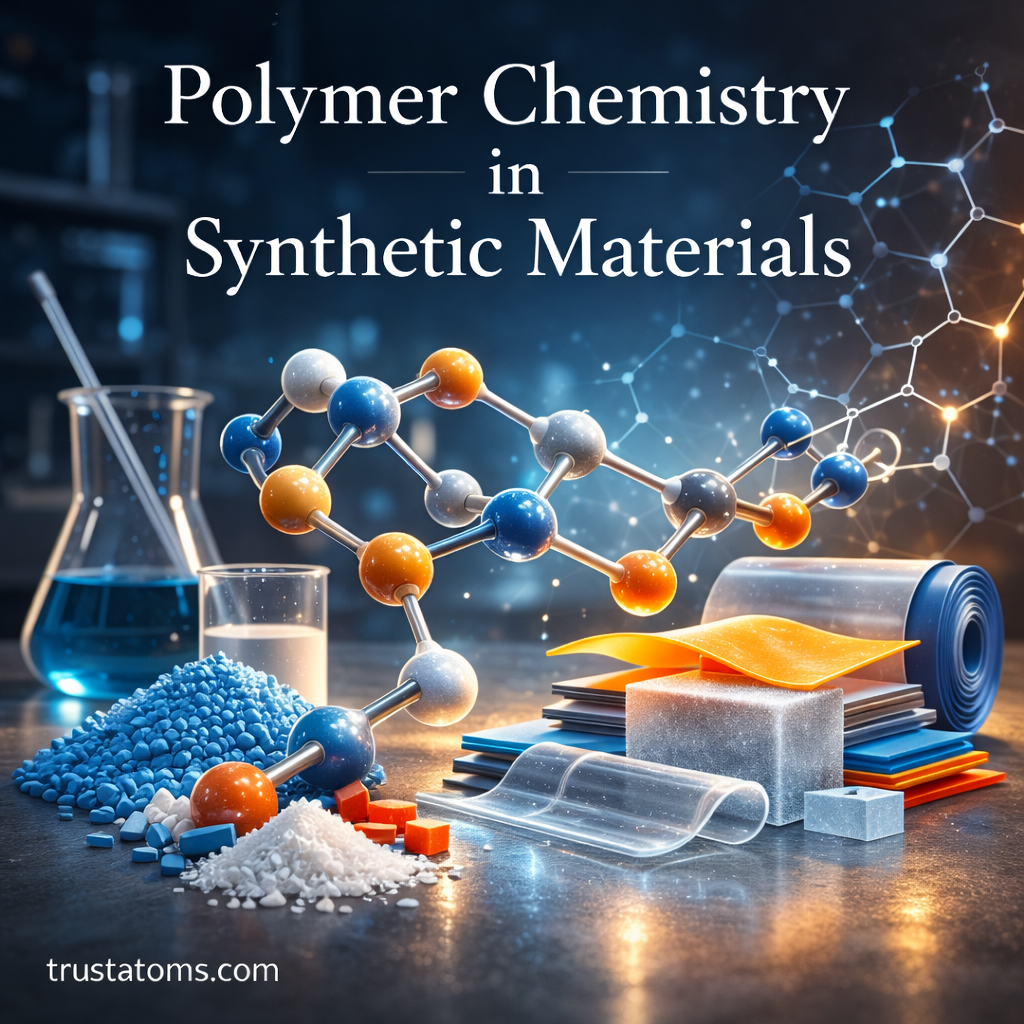
Polymer chemistry is a branch of chemistry that focuses on the structure, synthesis, and properties of polymers—large molecules made from repeating units called monomers. These materials form the foundation of many synthetic products used in everyday life, from plastics and fibers to adhesives and coatings.
Synthetic polymers have transformed industries such as packaging, construction, healthcare, and electronics. By carefully designing polymer structures and chemical compositions, scientists can create materials with specific mechanical strength, flexibility, durability, and chemical resistance.
Understanding polymer chemistry helps explain how these versatile materials are developed and how they continue to shape modern technology and manufacturing.
What Are Polymers?
Polymers are large molecules composed of repeating structural units known as monomers. These units are chemically bonded together to form long molecular chains.
Natural polymers exist in biological systems, while synthetic polymers are engineered in laboratories and industrial processes.
Examples of natural polymers include:
- Proteins
- DNA
- Cellulose
- Natural rubber
Examples of synthetic polymers include:
- Polyethylene
- Nylon
- Polyester
- Polystyrene
- Polyvinyl chloride (PVC)
The structure and arrangement of monomers determine the physical and chemical properties of the polymer.
How Polymerization Works
Polymerization is the chemical process used to create polymers from monomers. During this process, many small molecules link together to form a long molecular chain.
There are two primary types of polymerization used in polymer chemistry.
Addition Polymerization
Addition polymerization occurs when monomers join together without producing byproducts.
Common characteristics include:
- Rapid chain growth
- Formation of long polymer chains
- High molecular weight materials
Examples of polymers formed through addition polymerization include:
- Polyethylene
- Polypropylene
- Polystyrene
These polymers are widely used in packaging, containers, and consumer products.
Condensation Polymerization
Condensation polymerization involves the formation of polymers while releasing small molecules as byproducts, often water or alcohol.
Examples of condensation polymers include:
- Nylon
- Polyester
- Polycarbonate
These materials are commonly used in textiles, engineering plastics, and durable consumer products.
Structure of Synthetic Polymers
The structure of polymer chains strongly influences the properties of the resulting material.
Linear Polymers
Linear polymers consist of long, straight chains of monomers.
Characteristics include:
- Flexible structures
- High density packing
- Moderate strength
Examples include polyethylene and polyvinyl chloride.
Branched Polymers
Branched polymers contain side chains attached to the main polymer backbone.
These structures can:
- Reduce packing efficiency
- Increase flexibility
- Lower material density
Low-density polyethylene is an example of a branched polymer.
Cross-Linked Polymers
Cross-linked polymers contain chemical bonds that connect different polymer chains together.
This structure produces materials that are:
- Rigid
- Durable
- Resistant to heat and chemicals
Examples include epoxy resins and vulcanized rubber.
Properties of Synthetic Polymers
Polymer chemistry allows scientists to tailor materials with a wide range of useful properties.
Important polymer properties include:
- Mechanical strength
- Flexibility
- Heat resistance
- Chemical stability
- Electrical insulation
These properties can be adjusted by changing the monomer composition, molecular weight, and polymer structure.
For example, flexible polymers are used in packaging materials, while rigid polymers are used in structural applications.
Types of Synthetic Polymer Materials
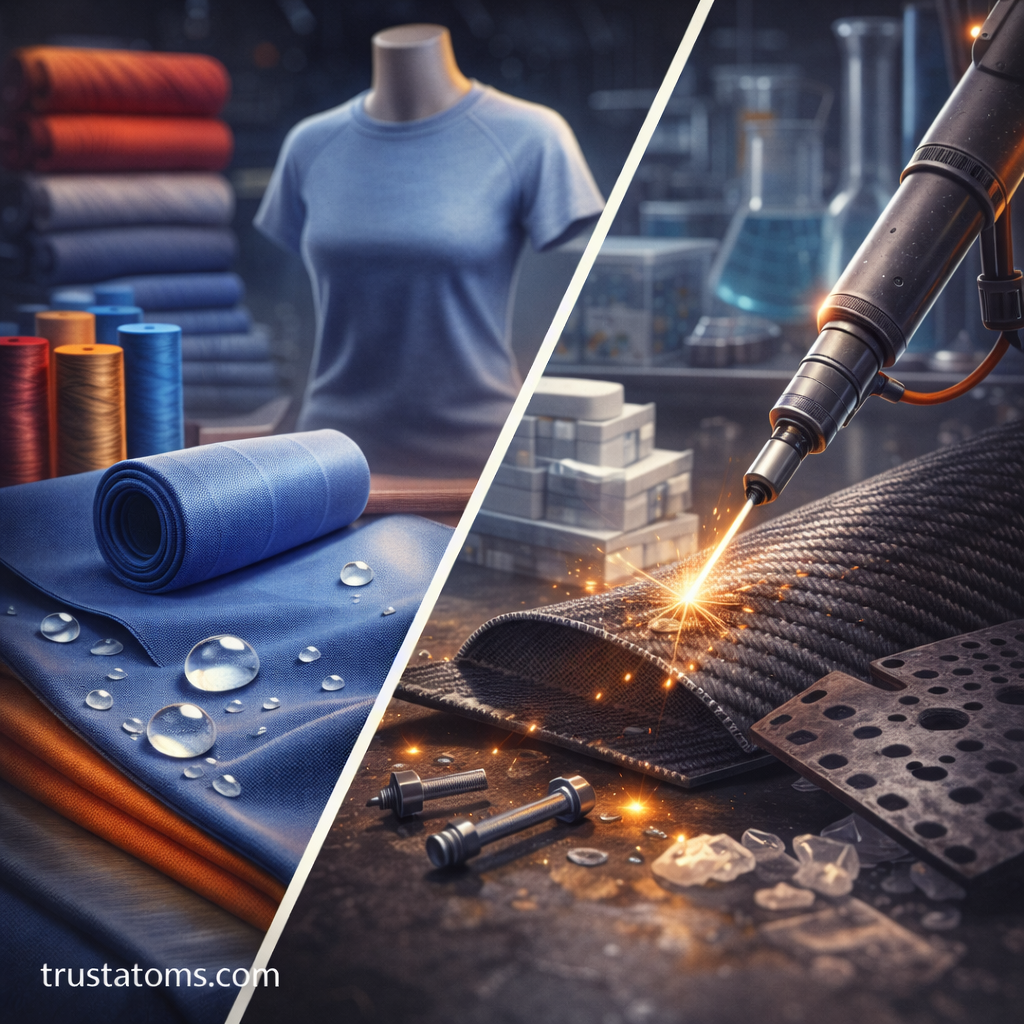
Polymer chemistry supports the creation of many different types of synthetic materials used across industries.
Plastics
Plastics are one of the most widely used synthetic polymer materials.
Common examples include:
- Polyethylene (PE)
- Polypropylene (PP)
- Polycarbonate (PC)
- Polystyrene (PS)
Plastics are used in packaging, consumer goods, automotive components, and electronics.
Synthetic Fibers
Synthetic fibers are polymers designed to form threads and fabrics.
Examples include:
- Nylon
- Polyester
- Acrylic fibers
- Spandex
These materials are used in clothing, carpets, and industrial textiles.
Elastomers
Elastomers are polymers that exhibit elastic properties, meaning they can stretch and return to their original shape.
Common elastomers include:
- Synthetic rubber
- Silicone materials
- Polyurethane elastomers
These materials are used in tires, seals, gaskets, and flexible products.
Polymer Chemistry in Industry
Polymer chemistry plays a major role in modern industrial production.
Large-scale polymer manufacturing involves controlled chemical reactions that produce materials in high volumes.
Industries that rely heavily on polymer chemistry include:
- Packaging and plastics manufacturing
- Automotive and aerospace industries
- Textile and clothing production
- Electronics manufacturing
- Construction materials
Engineers and chemists work together to design polymers that meet specific performance and safety requirements.
Polymer Chemistry in Medicine
Synthetic polymers also play an important role in healthcare and medical technology.
Medical polymer materials must meet strict standards for safety and biocompatibility.
Medical Applications of Polymers
Examples include:
- Biodegradable sutures
- Medical implants
- Drug delivery systems
- Surgical materials
- Medical tubing
Biocompatible polymers are designed to interact safely with biological systems while maintaining their structural properties.
Environmental Considerations in Polymer Chemistry
While synthetic polymers offer many benefits, their environmental impact has become an important issue.
Many traditional plastics take a long time to degrade in natural environments.
Researchers are developing new approaches to reduce the environmental impact of polymer materials.
Sustainable Polymer Innovations
Current research focuses on:
- Biodegradable polymers
- Recyclable plastic materials
- Bio-based polymer production
- Reduced plastic waste systems
Green polymer chemistry aims to design materials that maintain performance while reducing environmental harm.
The Future of Polymer Chemistry
Polymer chemistry continues to evolve as scientists develop new materials with advanced capabilities.
Emerging research areas include:
- Smart polymers that respond to environmental changes
- Self-healing materials
- Advanced nanostructured polymers
- Sustainable biodegradable plastics
- High-performance polymers for energy systems
These innovations will support future technologies in medicine, electronics, transportation, and sustainable manufacturing.
Final Thoughts
Polymer chemistry is central to the development of synthetic materials that support modern life. From packaging and textiles to medical devices and advanced engineering materials, polymers provide versatility, durability, and adaptability.
By controlling polymer structure and chemical composition, scientists can design materials with precise properties for specific applications. As research continues to advance, polymer chemistry will remain a key driver of innovation in materials science and sustainable technology.