RNA interference (RNAi) is a biological process that helps cells regulate gene activity by controlling how much protein a gene produces. Instead of changing the DNA sequence itself, RNA interference works by targeting messenger RNA (mRNA) molecules and preventing them from being translated into proteins.
This mechanism allows cells to silence or reduce the expression of specific genes. RNA interference plays important roles in gene regulation, immune defense, development, and cellular stability.
Since its discovery in the late 20th century, RNA interference has become one of the most important tools for studying gene function and developing new therapeutic strategies.
What Is RNA Interference?
RNA interference is a natural cellular mechanism that regulates gene expression by destroying or blocking messenger RNA molecules before they can produce proteins.
The process involves small RNA molecules that guide specialized proteins to specific mRNA targets.
When the target mRNA is recognized, the cell can:
- Break down the mRNA
- Prevent the mRNA from being translated
- Reduce the amount of protein produced
This process allows cells to precisely control gene activity.
RNA interference acts as a post-transcriptional regulation system, meaning it operates after DNA has already been transcribed into RNA.
Why RNA Interference Is Important
RNA interference serves several critical biological functions.
Cells rely on RNAi to:
- Fine-tune gene expression levels
- Protect against viral infections
- Regulate developmental processes
- Maintain genome stability
Because RNA interference can selectively silence genes, it provides an additional layer of control beyond transcriptional regulation.
This mechanism allows organisms to respond quickly to internal signals and environmental changes.
Types of RNA Molecules Involved in RNA Interference
Several classes of small RNA molecules participate in RNA interference. These molecules differ in their origin and function but operate through similar pathways.
Small Interfering RNA (siRNA)
Small interfering RNA (siRNA) molecules are short double-stranded RNA fragments typically about 20–25 nucleotides long.
They often originate from:
- Viral RNA
- Experimental RNA introduced into cells
- Long double-stranded RNA molecules
Once processed, siRNAs guide protein complexes to complementary mRNA targets, leading to mRNA cleavage and degradation.
MicroRNA (miRNA)
MicroRNAs are naturally produced by cells and regulate many genes involved in development and physiology.
These molecules are:
- Encoded in the genome
- Transcribed as longer RNA precursors
- Processed into small regulatory RNA fragments
MicroRNAs usually reduce gene expression by blocking translation rather than destroying mRNA completely.
Piwi-Interacting RNA (piRNA)
Piwi-interacting RNAs are primarily found in reproductive cells and help protect the genome from harmful genetic elements such as transposons.
Their functions include:
- Silencing mobile genetic elements
- Maintaining genome integrity
- Supporting germ cell development
Although they use different proteins than siRNA and miRNA pathways, piRNAs contribute to RNA-based gene regulation.
The RNA Interference Mechanism
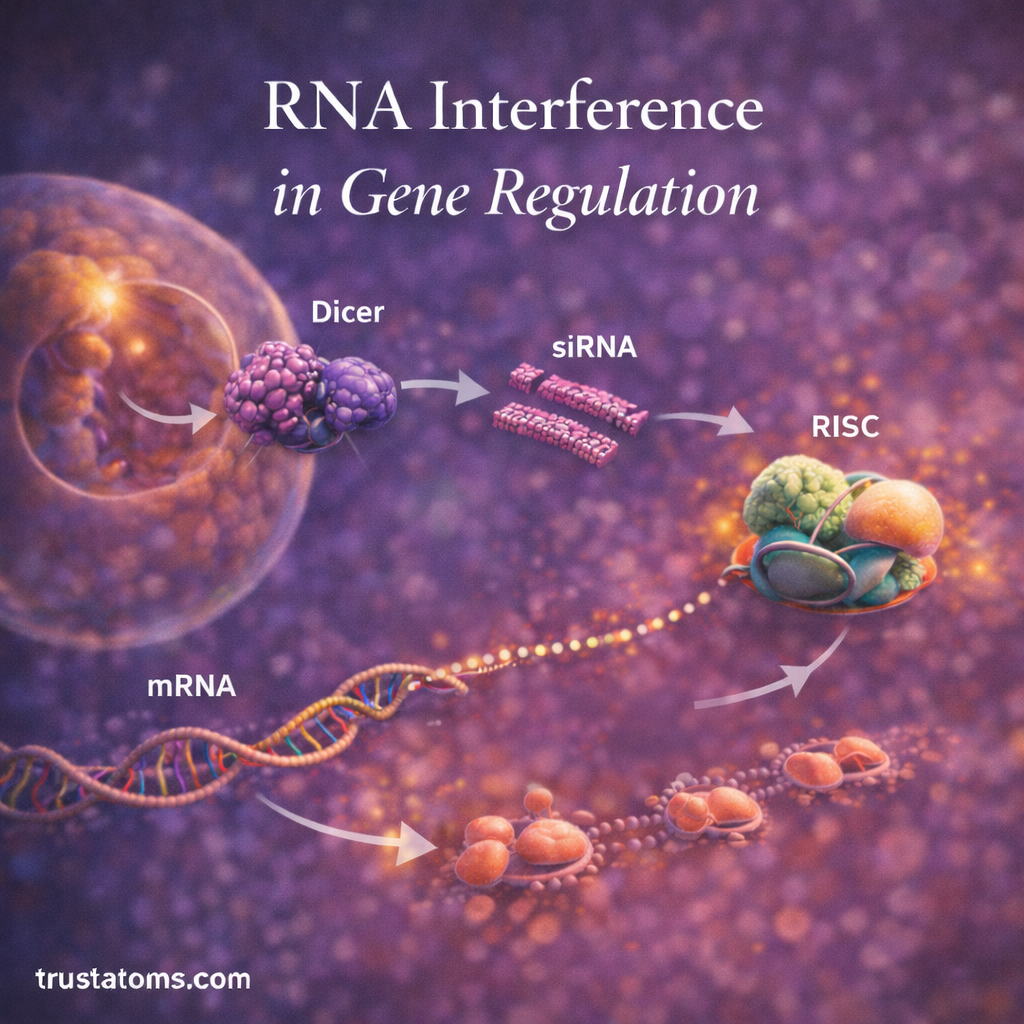
RNA interference occurs through a multi-step cellular process involving specialized enzymes and protein complexes.
The major steps include:
- Double-stranded RNA formation
RNA molecules that trigger RNA interference often begin as double-stranded RNA. - Dicer enzyme processing
The enzyme Dicer cuts long double-stranded RNA into smaller fragments known as siRNA or miRNA. - Formation of the RISC complex
The RNA-induced silencing complex (RISC) incorporates one strand of the small RNA molecule. - Target recognition
The RISC complex uses the RNA guide strand to locate matching messenger RNA sequences. - Gene silencing
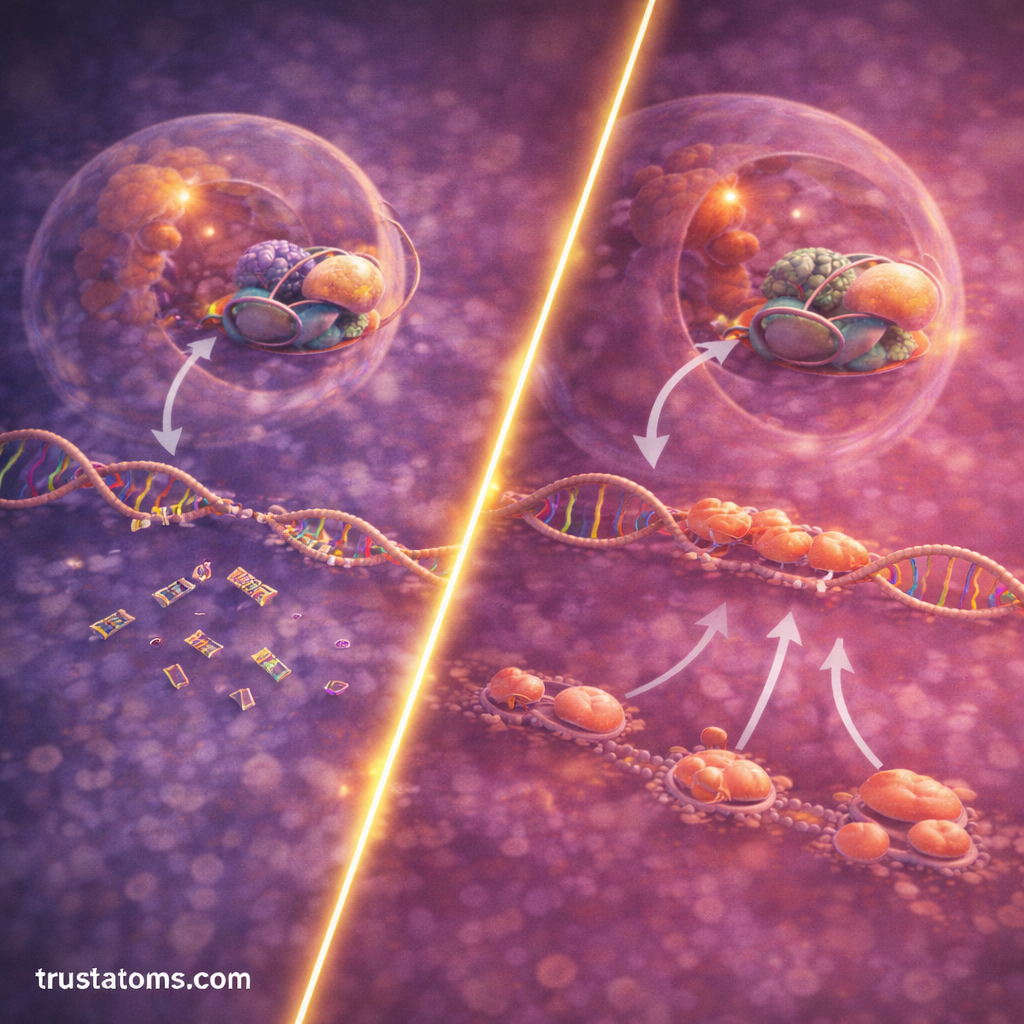
Once bound to the target mRNA, RISC either destroys the RNA or blocks its translation.
Through this process, RNA interference reduces the amount of protein produced from specific genes.
RNA Interference in Cellular Defense
One of the earliest biological roles of RNA interference is defense against viruses.
Many viruses produce double-stranded RNA during replication. Cells recognize this RNA as foreign and trigger the RNAi pathway.
The RNA interference system can:
- Detect viral RNA
- Cut viral RNA into fragments
- Prevent viral proteins from being produced
This antiviral defense mechanism is particularly important in plants, insects, and other organisms.
In mammals, RNA interference also contributes to immune responses and cellular protection.
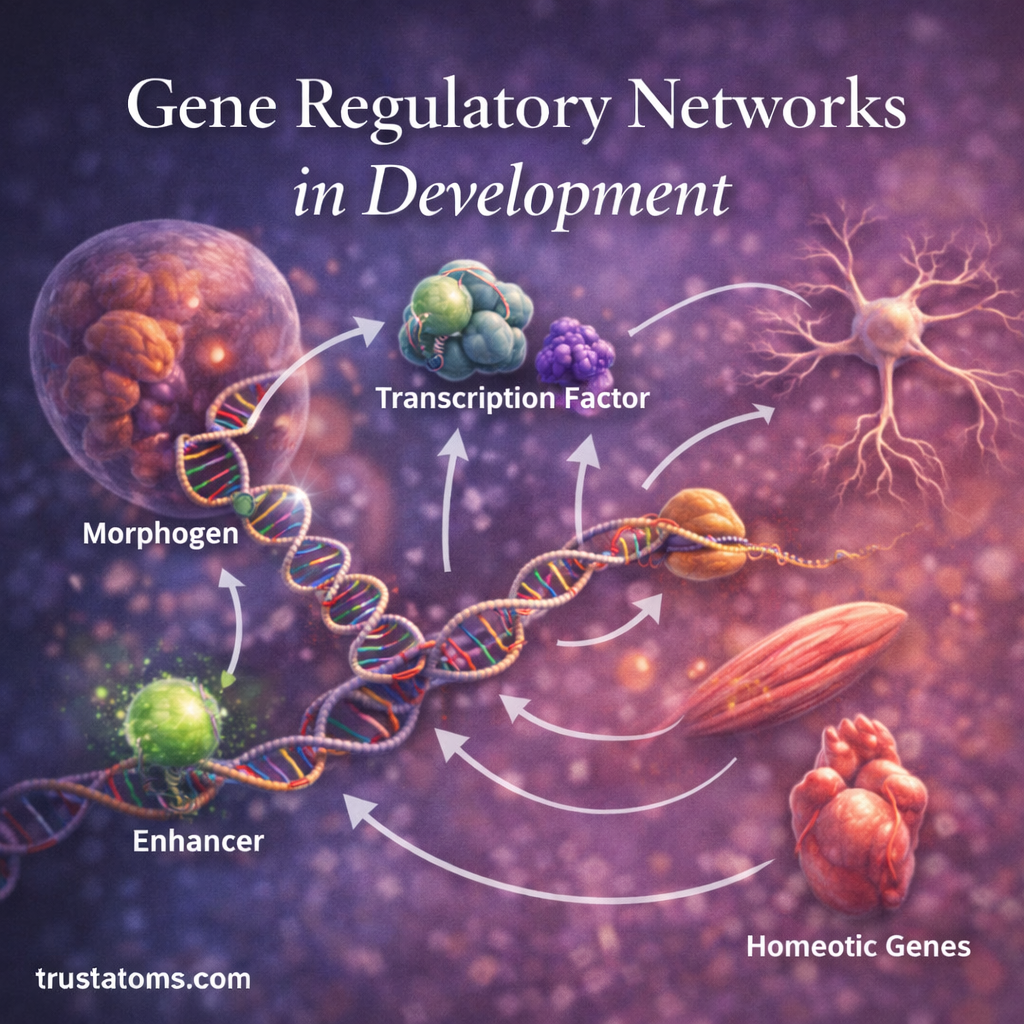
RNA Interference and Development
RNA interference plays a key role in regulating gene activity during development.
Cells must carefully control when certain genes are turned on or off while tissues and organs form.
MicroRNAs are especially important for:
- Controlling cell differentiation
- Coordinating developmental timing
- Stabilizing gene expression patterns
For example, specific microRNAs regulate genes that determine whether cells become neurons, muscle cells, or other specialized cell types.
By adjusting gene expression levels, RNA interference helps ensure that development occurs in an organized and controlled manner.
RNA Interference and Genome Stability
RNA interference also helps protect genomes from unstable genetic elements.
Some DNA sequences known as transposons can move around within the genome, potentially disrupting genes.
RNA interference mechanisms can silence these elements by targeting their RNA transcripts.
This prevents transposons from spreading and helps maintain genetic stability across generations.
RNA Interference in Medical Research
RNA interference has become a powerful tool in biomedical research.
Scientists can introduce synthetic small RNA molecules into cells to silence specific genes.
This technique allows researchers to:
- Study the function of individual genes
- Identify disease-causing genetic pathways
- Test new therapeutic strategies
RNA interference has been used extensively in gene function studies and drug development.
RNAi-Based Therapeutic Approaches
Researchers are exploring RNA interference as a treatment for several diseases.
Potential RNAi-based therapies include treatments for:
- Viral infections
- Genetic disorders
- Cancer
- Metabolic diseases
By targeting harmful genes or disease-related proteins, RNA interference may offer highly precise medical treatments.
Several RNAi-based drugs have already been approved for clinical use, and many more are under development.
How Scientists Study RNA Interference
Scientists use advanced laboratory techniques to investigate RNA interference pathways.
Common research methods include:
- RNA sequencing (RNA-seq) to analyze RNA molecules
- Gene knockdown experiments using siRNA
- CRISPR gene editing to modify regulatory pathways
- Microscopy and molecular imaging to observe RNA behavior inside cells
These tools help researchers understand how RNA interference regulates gene activity across different biological systems.
Final Thoughts
RNA interference is a powerful regulatory system that allows cells to control gene expression after transcription occurs. By targeting messenger RNA molecules, RNAi mechanisms can reduce or silence gene activity with remarkable precision.
This process supports essential biological functions, including immune defense, development, and genome protection. In addition to its natural role in cells, RNA interference has become a major tool in scientific research and modern medicine.
As scientists continue exploring RNA-based regulation, RNA interference remains one of the most promising pathways for understanding gene control and developing innovative therapies.