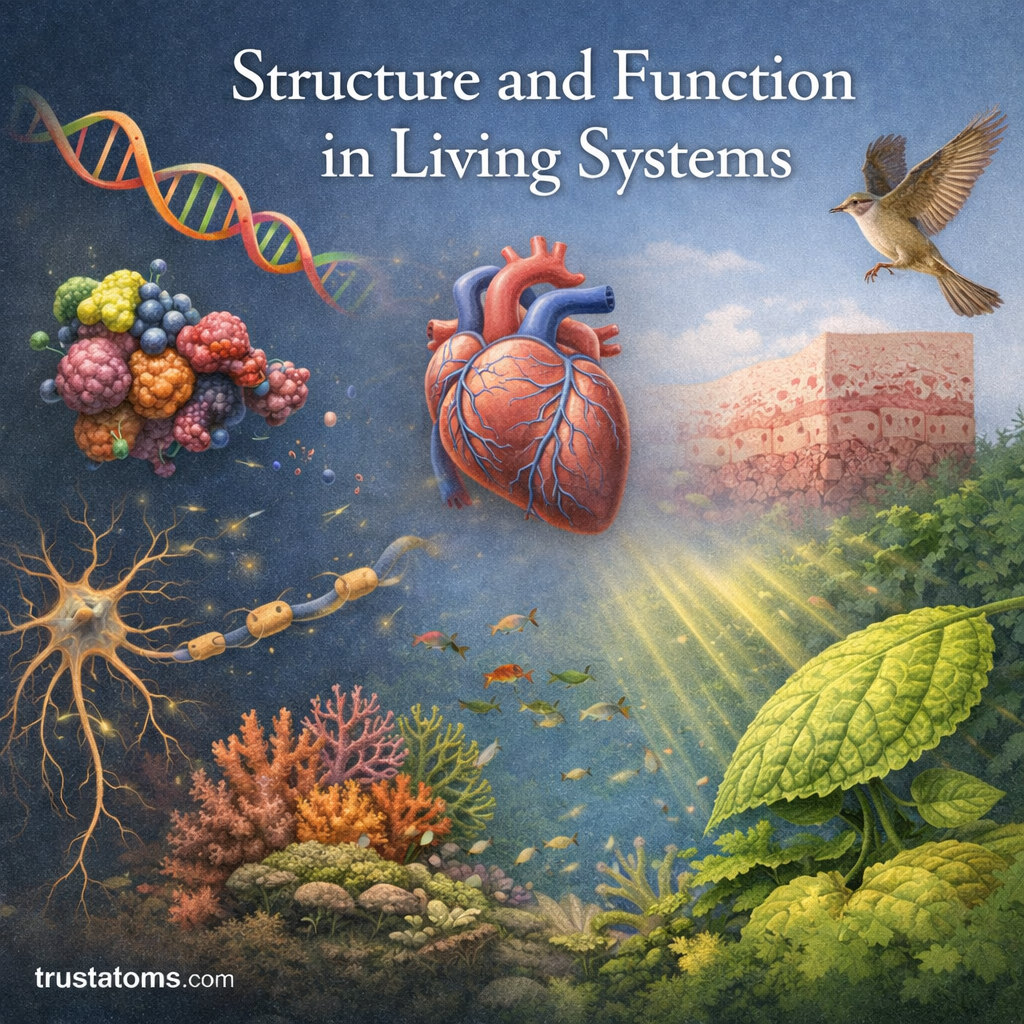
One of the most important principles in biology is the relationship between structure and function. This concept explains that the physical form of a biological structure is closely connected to the job it performs.
From tiny molecules inside cells to large organs in the body, biological structures are shaped in ways that help them carry out specific tasks efficiently. Scientists study this relationship to understand how living organisms survive, grow, and interact with their environments.
Understanding structure and function helps explain why biological systems are organized the way they are and how small changes in structure can affect how a system works.
What Does Structure and Function Mean?
In biology, structure refers to the physical form or arrangement of a biological component.
This could include:
- The shape of a molecule
- The organization of a cell
- The anatomy of an organ
- The physical traits of an organism
Function, on the other hand, refers to the role or job that structure performs.
For example:
- The structure of red blood cells helps them carry oxygen.
- The structure of plant leaves helps them capture sunlight.
- The structure of bird wings allows birds to fly.
Because structure influences function, biological systems are often highly specialized.
Why Structure and Function Are Connected
Living systems are shaped by evolution and natural selection. Structures that perform useful functions help organisms survive and reproduce.
Over long periods of time:
- Effective structures are preserved through evolution.
- Inefficient structures are modified or lost.
This connection means that scientists can often predict a structure’s function simply by studying its form.
For example, sharp teeth suggest a carnivorous diet, while wide flat teeth suggest a plant-based diet.
Examples of Structure and Function in Biology
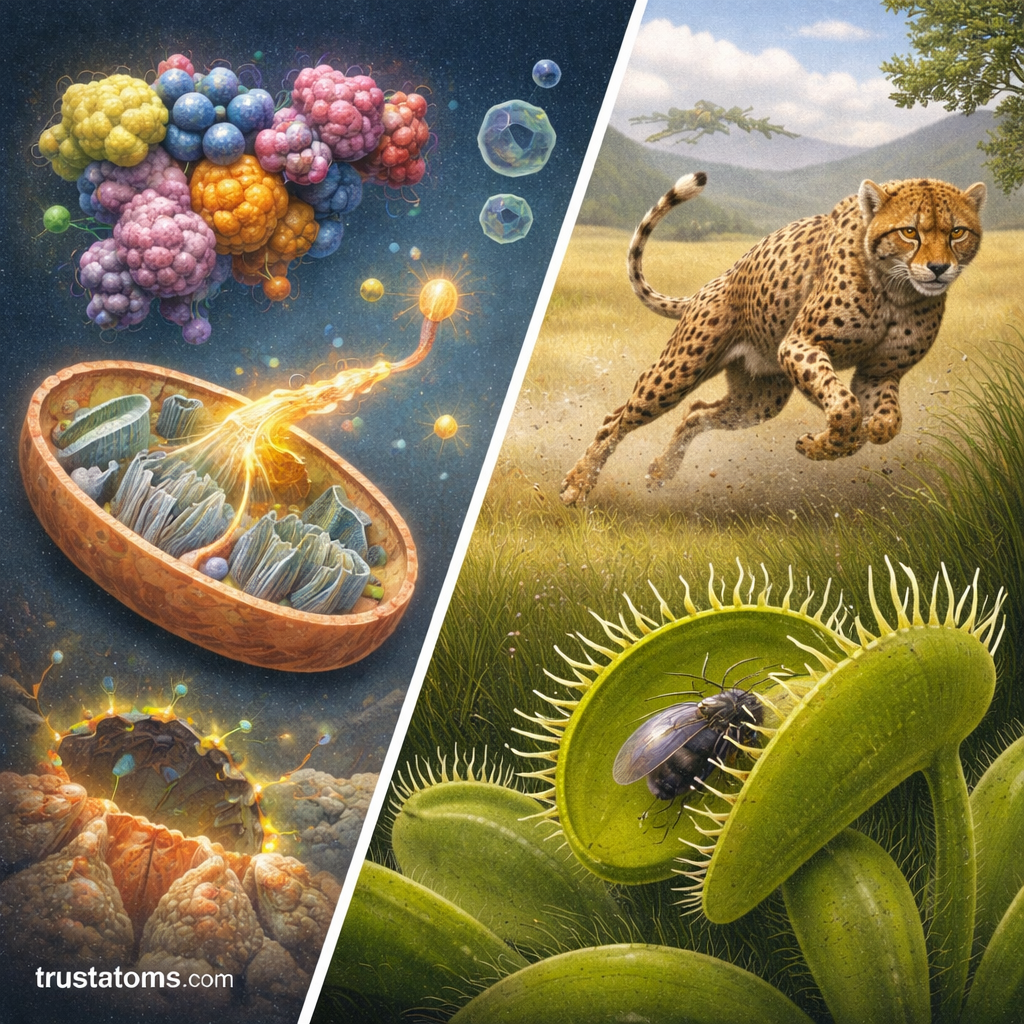
Structure and function appear at nearly every level of biological organization.
Molecular Level
At the molecular level, shape determines how molecules interact with each other.
Examples include:
- Enzymes have specific shapes that allow them to bind to particular molecules.
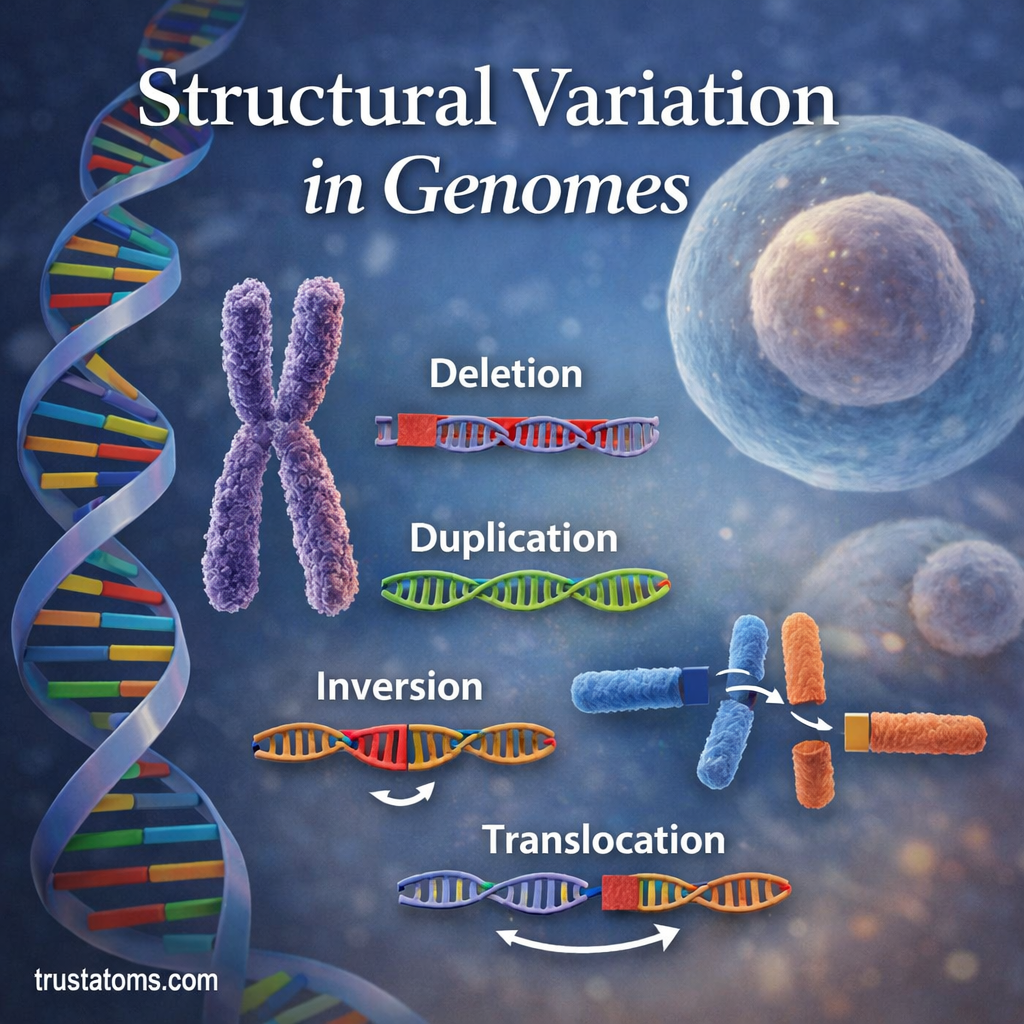
- DNA has a double-helix structure that allows it to store genetic information and replicate accurately.
- Proteins fold into specific shapes that determine their biological roles.
Even small changes in molecular structure can significantly affect how these molecules work.
Cellular Level
Cells contain specialized structures that allow them to perform specific tasks.
Examples include:
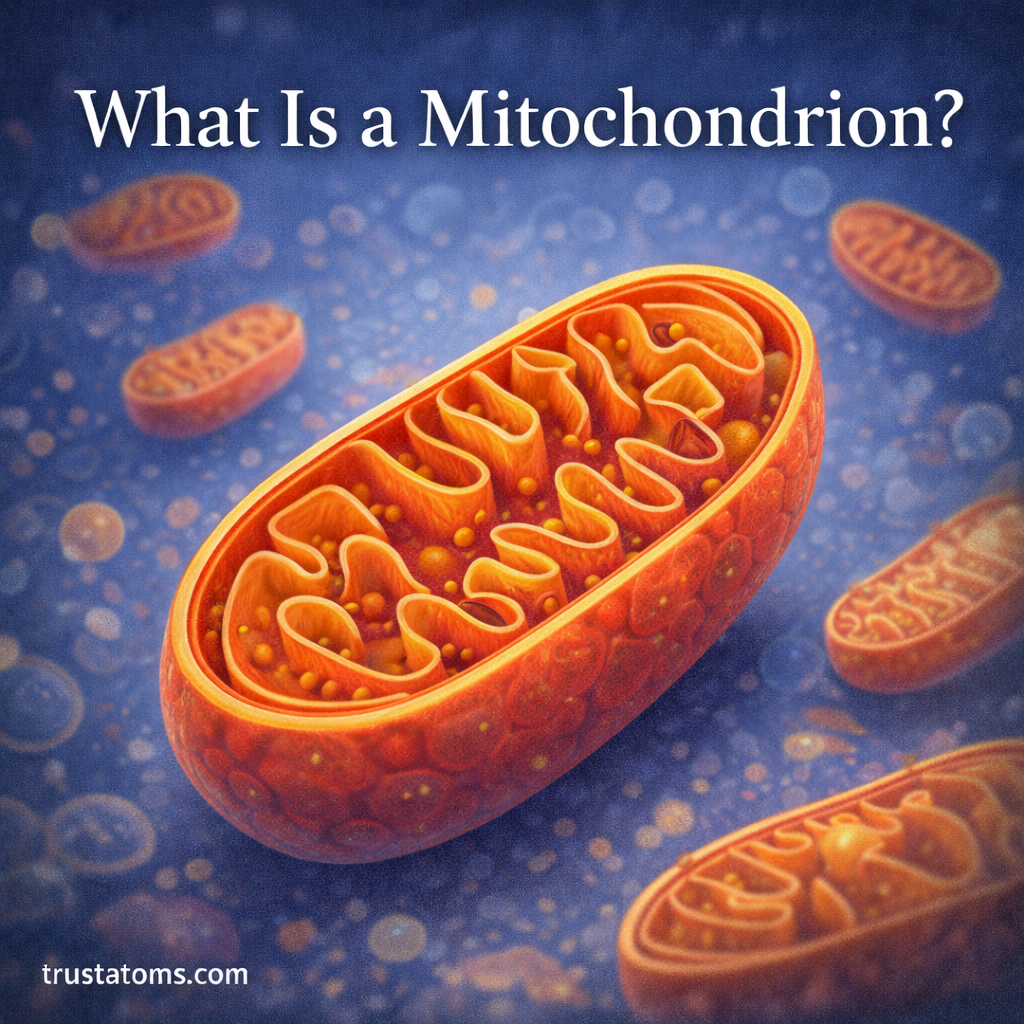
- Mitochondria have folded membranes that increase surface area for energy production.
- Nerve cells (neurons) have long extensions that allow signals to travel quickly across the body.
- Muscle cells contain organized protein fibers that allow them to contract and produce movement.
Each cell type is designed for a particular biological role.
Tissue and Organ Level
Tissues and organs also demonstrate the relationship between structure and function.
Examples include:
- The heart has thick muscular walls that allow it to pump blood efficiently.
- The lungs contain millions of tiny air sacs that increase the surface area for gas exchange.
- Plant roots have branching structures that help absorb water and nutrients from the soil.
The physical arrangement of tissues allows organs to perform complex biological functions.
Whole Organism Level
At the level of the entire organism, body structures help organisms survive in their environments.
Examples include:
- Bird wings allow flight and migration.
- Fish gills extract oxygen from water.
- Cactus spines reduce water loss and protect the plant.
These structures are adaptations that improve survival in specific habitats.
Structure and Function in Ecosystems
The principle of structure and function also appears at the ecological level.
For example:
- Coral reefs provide complex structures that support thousands of marine species.
- Forests create layered habitats for birds, insects, and mammals.
- Wetlands slow water flow and filter pollutants.
In these cases, the structure of the environment influences how ecosystems function.
How Scientists Study Structure and Function
Biologists use many tools and methods to understand how structure affects function.
Common approaches include:
Microscopy
Microscopes allow scientists to observe:
- Cells
- Organelles
- Microorganisms
This helps researchers understand how tiny biological structures work.
Imaging Technology
Modern imaging tools allow scientists to study structures inside the body, including:
- MRI scans
- CT scans
- Ultrasound imaging
These technologies reveal how organs and tissues function.
Comparative Biology
Scientists also compare structures across species.
For example:
- Studying the wings of birds and bats
- Comparing the skeletons of mammals
- Observing how plants adapt to different climates
These comparisons help scientists understand evolutionary relationships.
When Structure Changes, Function Can Change
Because structure and function are closely linked, changes in structure often affect how biological systems operate.
Examples include:
- Mutations in DNA can change protein structure and lead to disease.
- Damage to organs can affect how they perform their functions.
- Environmental stress can alter the structure of ecosystems.
Understanding these connections helps scientists diagnose diseases, improve medical treatments, and protect natural environments.
Why the Structure–Function Relationship Matters
The relationship between structure and function is one of the core ideas in biology because it explains how living systems operate.
This concept helps scientists:
- Understand how cells perform specific tasks
- Explain how organs work together in the body
- Study how organisms adapt to their environments
- Identify the causes of many diseases
- Design medical treatments and technologies
By studying biological structures, researchers gain insights into how life functions at every level.
Final Thoughts
Structure and function are deeply connected in living systems. The shape, organization, and arrangement of biological components allow them to perform specific roles necessary for survival.
From molecules and cells to organs and ecosystems, this relationship helps explain how life works. By understanding how structure influences function, scientists can better study the complexity of living organisms and the natural world.