A mitochondrion is a specialized structure inside a cell responsible for producing energy. Often called the powerhouse of the cell, mitochondria convert nutrients into a form of usable energy known as ATP (adenosine triphosphate). This energy powers many essential cellular processes, including movement, growth, and repair.
Mitochondria are found in most eukaryotic cells, including those of animals, plants, fungi, and many single-celled organisms. Without mitochondria, cells would struggle to generate the energy required to survive.
Understanding the Role of Mitochondria
Mitochondria play a central role in cellular metabolism. Their main function is to convert chemical energy from food molecules into ATP, which cells use as fuel.
Cells need ATP for many activities, including:
- Muscle contraction
- Active transport of molecules across membranes
- Protein synthesis
- Cellular growth and division
- Maintaining internal cellular balance
Because energy demands vary across tissues, some cells contain many mitochondria. For example, muscle cells and nerve cells often have large numbers of mitochondria to support their high energy needs.
Structure of a Mitochondrion
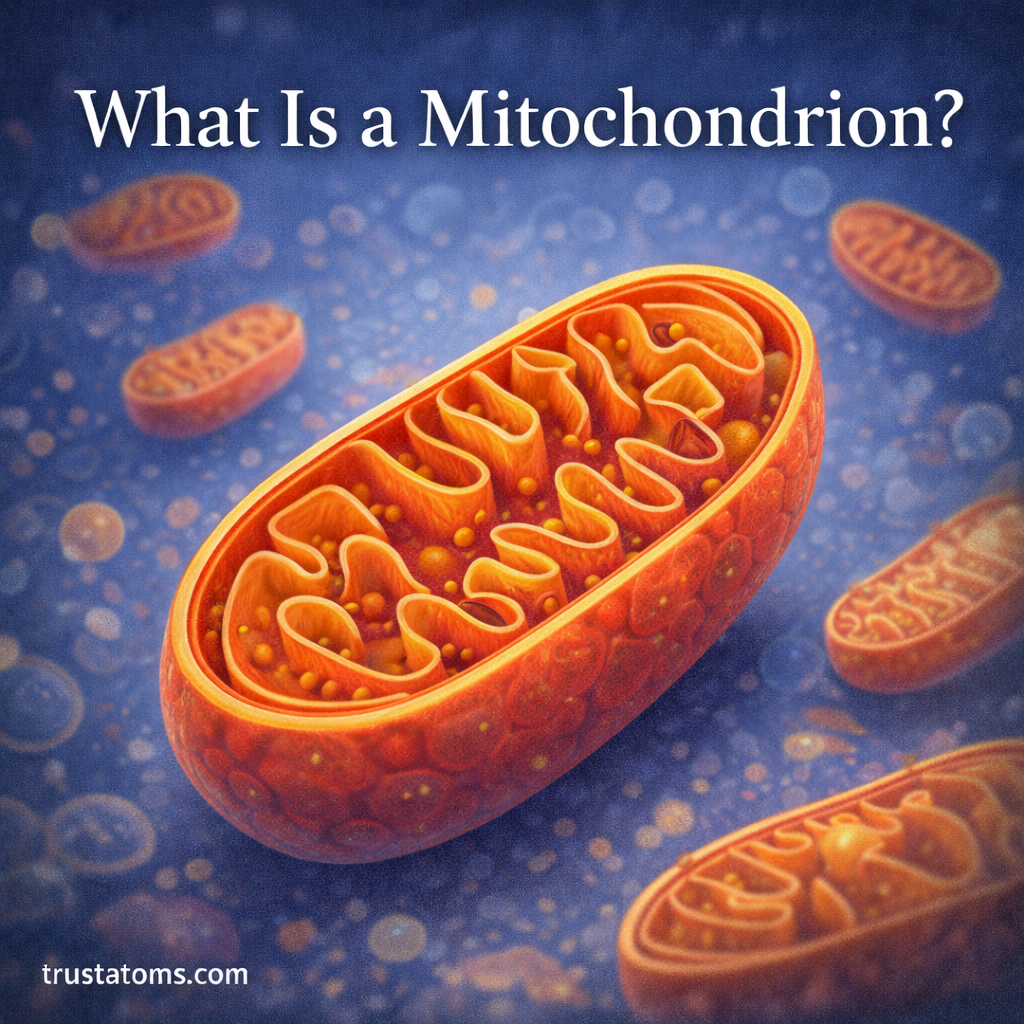
Mitochondria have a unique structure that allows them to efficiently generate energy.
Double Membrane
Each mitochondrion is surrounded by two membranes:
- Outer membrane – smooth and permeable to certain molecules
- Inner membrane – folded and highly specialized for energy production
Cristae
The inner membrane forms folds known as cristae. These folds increase the surface area where energy-producing reactions occur.
More surface area allows mitochondria to produce greater amounts of ATP.
Matrix
Inside the inner membrane is a fluid-filled region called the matrix.
The matrix contains:
- Enzymes involved in energy metabolism
- Mitochondrial DNA
- Ribosomes that help produce mitochondrial proteins
This internal environment supports many chemical reactions required for cellular respiration.
How Mitochondria Produce Energy
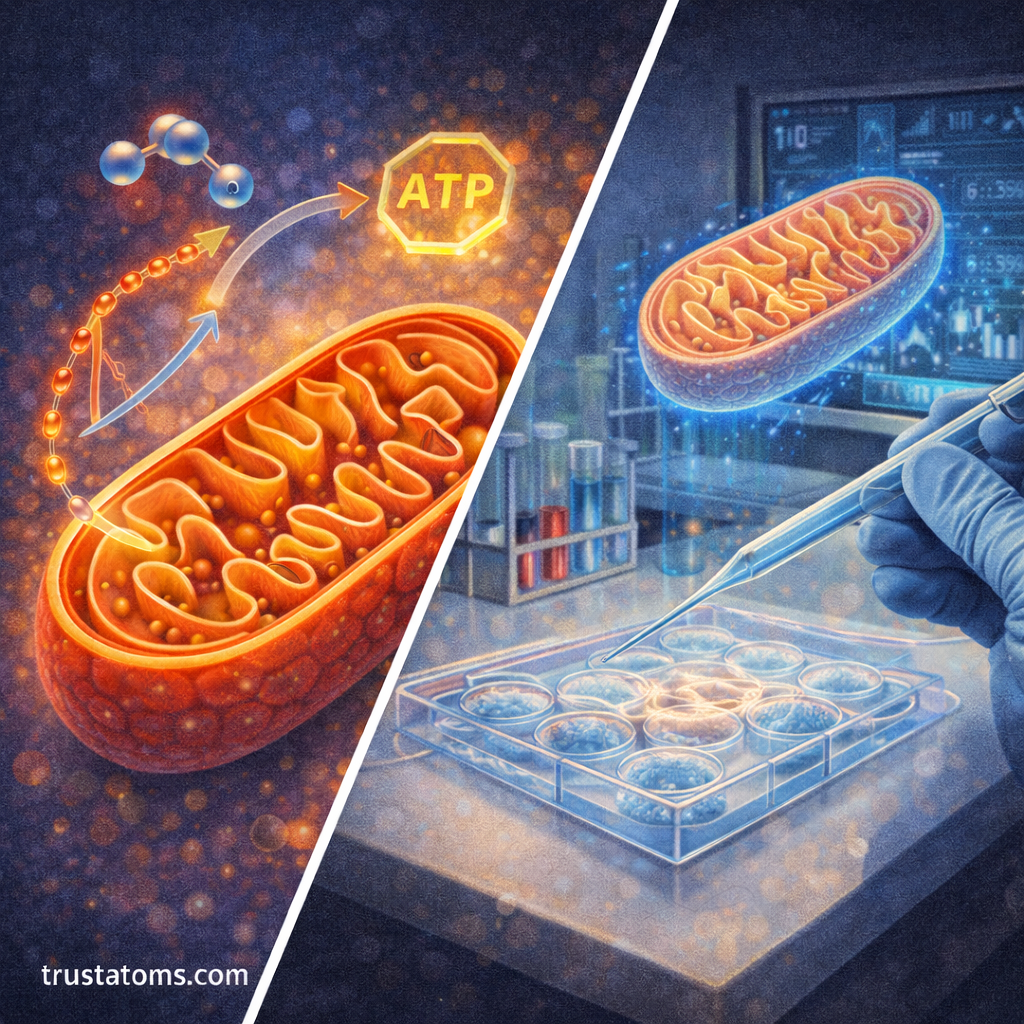
Mitochondria generate ATP through a process called cellular respiration. This process converts the chemical energy stored in nutrients into usable cellular energy.
Cellular respiration occurs in several stages.
1. Breakdown of Nutrients
Cells first break down glucose and other molecules into smaller compounds that mitochondria can use for energy production.
2. The Citric Acid Cycle
Inside the mitochondrial matrix, molecules from nutrient breakdown enter a series of chemical reactions known as the citric acid cycle.
This cycle generates high-energy molecules that carry electrons.
3. Electron Transport Chain
The final stage occurs along the inner mitochondrial membrane.
During this stage:
- Electrons move through protein complexes
- Energy released during this process helps produce ATP
- Oxygen plays an important role in accepting electrons
This stage produces most of the ATP used by the cell.
Why Mitochondria Are Important for Cells
Mitochondria do more than just generate energy. They also participate in several other important cellular functions.
These include:
- Regulating cellular metabolism
- Controlling programmed cell death (apoptosis)
- Producing heat in certain tissues
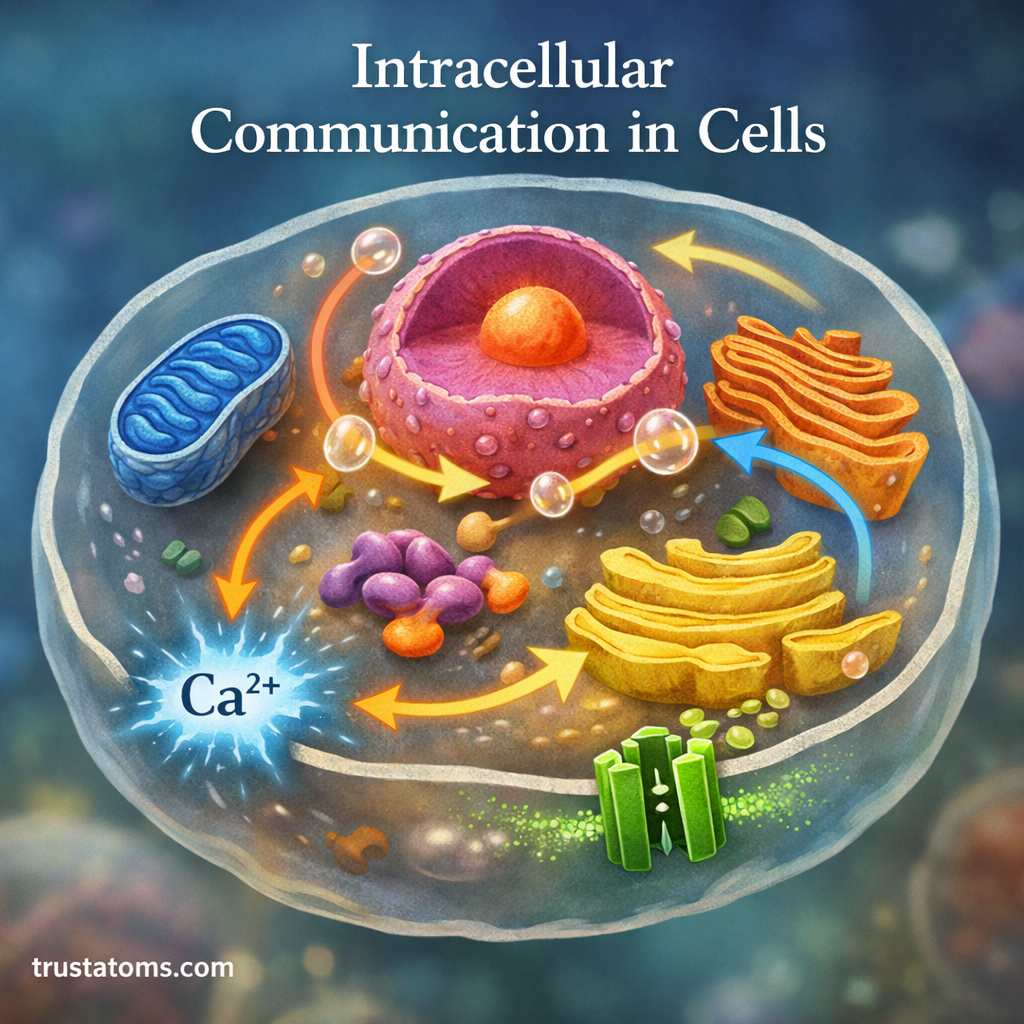
- Helping manage calcium levels in cells
- Supporting cell signaling pathways
Because mitochondria influence so many processes, their health is essential for normal cell function.
Mitochondrial DNA
One unusual feature of mitochondria is that they contain their own DNA.
This mitochondrial DNA (mtDNA) differs from the DNA found in the cell nucleus.
Key characteristics of mitochondrial DNA include:
- It is circular rather than linear
- It contains genes involved in energy production
- It is inherited primarily from the mother
Scientists believe mitochondria evolved from ancient bacteria that formed a symbiotic relationship with early cells. This idea is known as the endosymbiotic theory.
Mitochondria and Human Health
Problems with mitochondrial function can lead to various health conditions.
Because mitochondria generate energy for cells, tissues with high energy demands are especially affected by mitochondrial disorders.
Examples include:
- Muscle weakness
- Neurological disorders
- Fatigue and reduced stamina
- Heart and metabolic problems
Researchers continue to study mitochondria to better understand these diseases and develop potential treatments.
Mitochondria in Different Types of Cells
Not all cells contain the same number of mitochondria.
Cells that require large amounts of energy often contain more mitochondria.
Examples include:
- Muscle cells, which require energy for contraction
- Brain cells, which constantly transmit electrical signals
- Liver cells, which carry out many metabolic processes
In contrast, cells with lower energy demands may contain fewer mitochondria.
Final Thoughts
Mitochondria are essential organelles that provide the energy needed for life. By converting nutrients into ATP, they allow cells to perform countless biological processes that support growth, movement, and survival.
Their unique structure, ability to generate energy, and role in cellular regulation make mitochondria one of the most important components of living cells. As research continues, scientists are discovering more about how mitochondria influence health, aging, and disease.