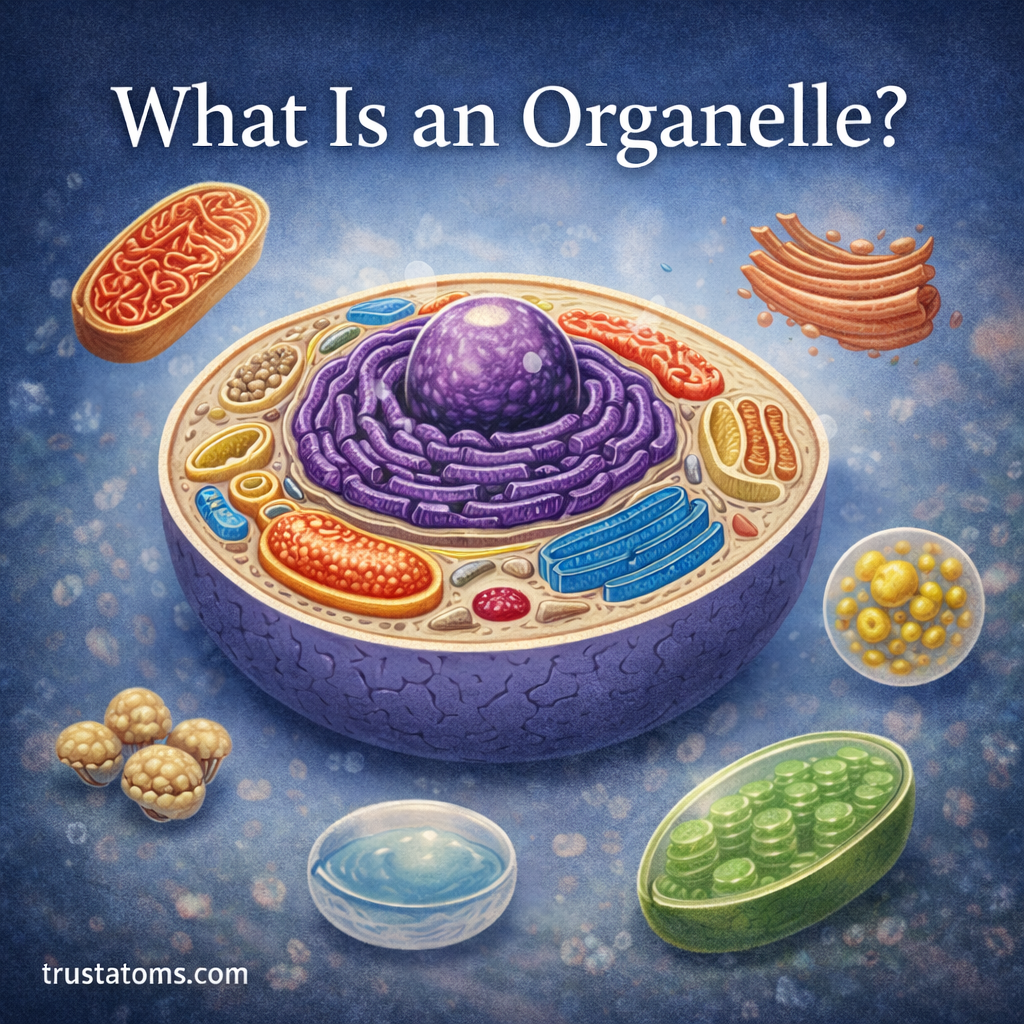
Organelles are specialized structures inside cells that perform specific tasks necessary for life. Much like organs in the human body, organelles carry out essential functions that keep cells alive and operating efficiently.
Cells are the basic units of life, and organelles allow them to organize complex biological processes into manageable systems. By dividing tasks among different structures, cells can grow, produce energy, build molecules, and maintain internal balance.
Understanding organelles helps scientists explain how cells function, how diseases affect cellular processes, and how living organisms develop and survive.
Understanding the Role of Organelles
An organelle is a distinct structure within a cell that carries out a particular function. These structures are typically enclosed by membranes or formed from specialized proteins.
Organelles help cells perform a wide range of biological activities, including:
- Producing energy
- Synthesizing proteins
- Processing and transporting molecules
- Storing nutrients and waste
- Regulating cellular activities
Without organelles, cells would not be able to manage the many chemical reactions required for life.
Why Organelles Are Important for Cells
Cells are extremely busy environments filled with chemical reactions and molecular activity. Organelles help organize these activities so that the cell operates efficiently.
Key benefits of organelles include:
- Division of labor: Different organelles handle different cellular tasks
- Efficiency: Processes occur in specialized environments optimized for specific reactions
- Protection: Membrane-bound organelles isolate harmful reactions from the rest of the cell
- Coordination: Organelles interact to maintain cellular stability and function
This organization allows cells to maintain a stable internal environment, a condition known as homeostasis.
Common Types of Organelles
Many types of organelles exist inside cells, each performing a unique role.
Nucleus
The nucleus is often called the control center of the cell.
Its main functions include:
- Storing the cell’s DNA
- Regulating gene expression
- Controlling cell growth and reproduction
The nucleus contains genetic instructions that guide all cellular activities.
Mitochondria
Mitochondria are responsible for producing energy for the cell.
They convert nutrients into a molecule called ATP (adenosine triphosphate), which powers many cellular processes.
Because of this role, mitochondria are often referred to as the powerhouses of the cell.
Ribosomes
Ribosomes are small structures that build proteins.
They read genetic instructions from RNA and assemble amino acids into proteins that the cell needs for structure, repair, and function.
Ribosomes can be found:
- Floating freely in the cytoplasm
- Attached to the endoplasmic reticulum
Endoplasmic Reticulum
The endoplasmic reticulum (ER) is a network of membranes involved in protein and lipid production.
There are two types:
- Rough ER, which has ribosomes attached and helps produce proteins
- Smooth ER, which synthesizes lipids and helps detoxify harmful substances
Golgi Apparatus
The Golgi apparatus processes and packages molecules produced by the cell.
Its functions include:
- Modifying proteins and lipids
- Sorting molecules
- Packaging materials for transport within or outside the cell
It acts like a cellular shipping and distribution center.
Lysosomes
Lysosomes are responsible for breaking down waste materials and damaged cellular components.
They contain digestive enzymes that allow the cell to recycle molecules and remove harmful substances.
Vacuoles
Vacuoles are storage organelles.
They can store:
- Water
- Nutrients
- Waste products
In plant cells, vacuoles are often large and help maintain the structure and pressure of the cell.
Chloroplasts (Plant Cells Only)
Chloroplasts are organelles found in plant cells and some algae.
They perform photosynthesis, the process by which sunlight is converted into chemical energy stored in sugars.
Chloroplasts contain chlorophyll, the green pigment that captures light energy.
Organelles in Different Types of Cells
Not all cells contain the same organelles. The presence and structure of organelles depend on the type of cell.
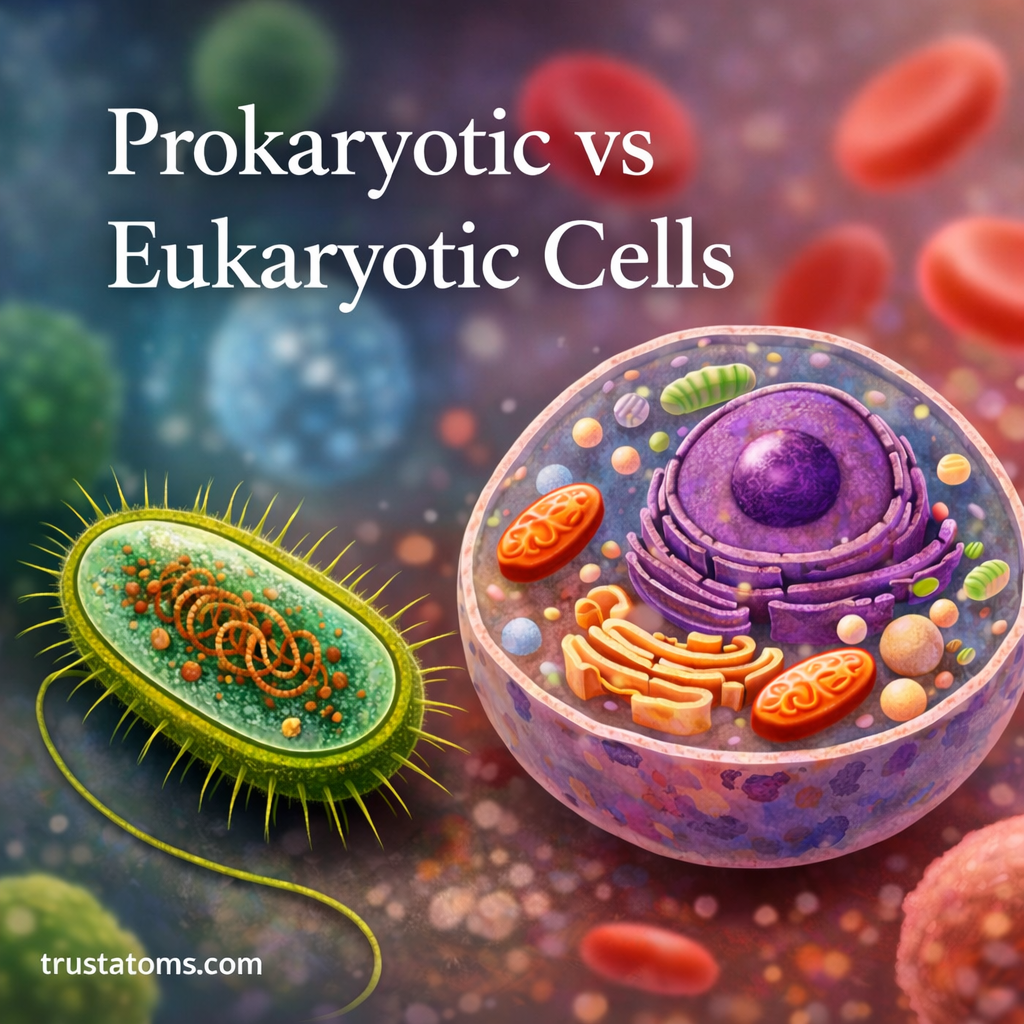
Eukaryotic Cells
Eukaryotic cells contain membrane-bound organelles and are generally larger and more complex.
Examples include cells from:
- Animals
- Plants
- Fungi
- Protists
These cells contain structures like the nucleus, mitochondria, and Golgi apparatus.
Prokaryotic Cells
Prokaryotic cells are simpler and do not contain membrane-bound organelles.
Examples include bacteria and archaea.
Although simpler, these cells still perform essential life processes using specialized regions within the cell.
How Organelles Work Together
Organelles do not function independently. Instead, they operate as part of a coordinated system inside the cell.
For example:
- The nucleus stores genetic instructions.
- Ribosomes read these instructions to build proteins.
- The endoplasmic reticulum helps process the proteins.
- The Golgi apparatus modifies and ships them to their destination.
This cooperation allows cells to perform complex functions efficiently.
Organelles and Cellular Health
When organelles do not function properly, cells can become damaged or diseased.
Examples of problems linked to organelle malfunction include:
- Mitochondrial diseases affecting energy production
- Lysosomal storage disorders caused by enzyme deficiencies
- Neurodegenerative conditions linked to cellular transport problems
Studying organelles helps scientists understand how these diseases develop and how they might be treated.
Final Thoughts
Organelles are essential structures that allow cells to carry out the many processes required for life. Each organelle performs specialized tasks, from producing energy to building proteins and managing waste.
By organizing cellular activities into separate compartments, organelles make cells more efficient and capable of supporting complex life.
As scientists continue studying organelles, they gain deeper insights into cellular biology, human health, and the fundamental processes that sustain living organisms.