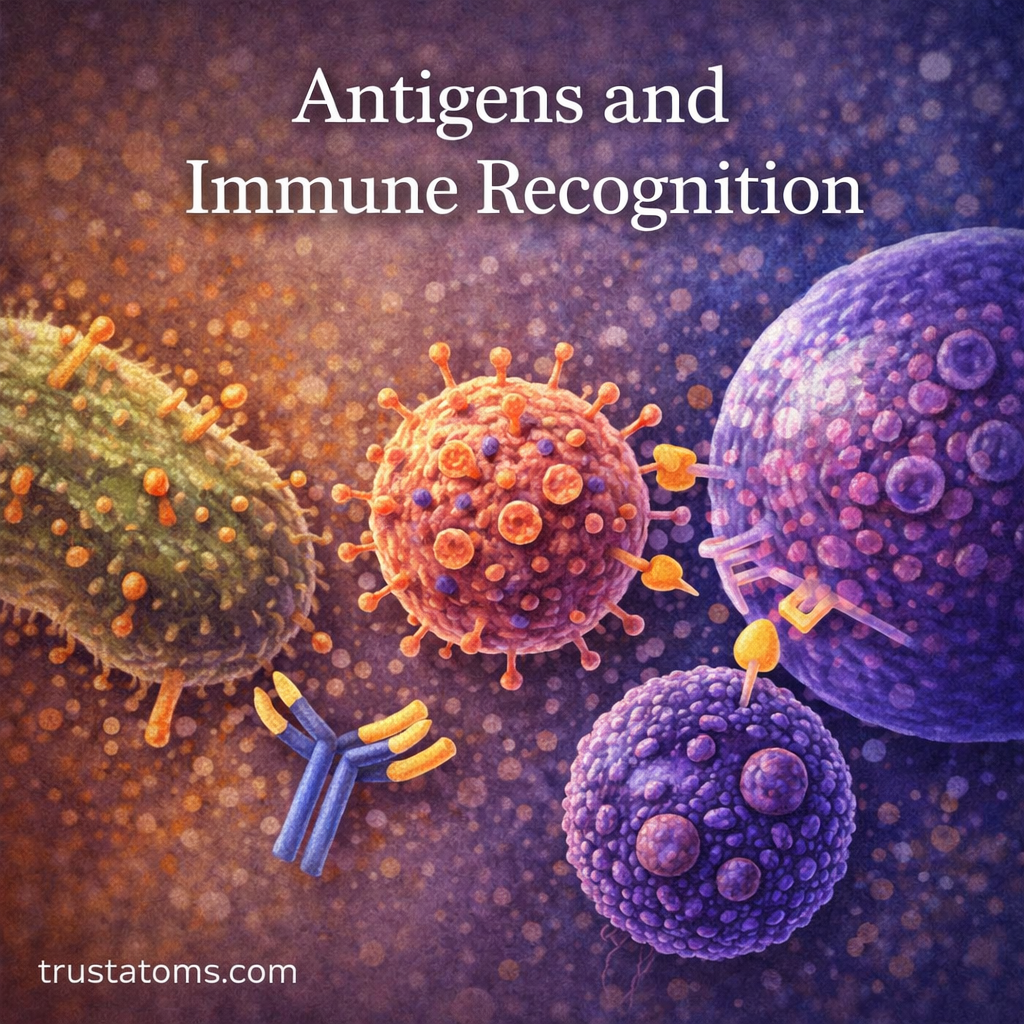
The immune system’s ability to protect the body depends on one critical function: recognizing what belongs and what doesn’t. This is where antigens come in.
Antigens are the molecular “identifiers” that allow the immune system to detect harmful invaders and trigger a defense response. Without this recognition process, the body would not be able to distinguish between safe cells and dangerous threats.
What Are Antigens?
Antigens are substances—usually proteins or molecules—found on the surface of pathogens, cells, or foreign materials. They act like biological markers that the immune system can detect.
Antigens can come from:
- Bacteria
- Viruses
- Fungi
- Parasites
- Toxins
- Abnormal or cancerous cells
Even your own cells have antigens, which help the immune system recognize them as “self.”
How Immune Recognition Works
Immune recognition is the process by which the body identifies antigens and decides whether to respond.
Step-by-Step Process
- Detection
Immune cells encounter antigens on a pathogen or abnormal cell - Identification
The immune system determines whether the antigen is “self” or “non-self” - Activation
If the antigen is foreign, immune cells activate a response - Response
The immune system targets and eliminates the threat
This process happens constantly and often without you noticing.
Types of Antigens
Not all antigens are the same. They can be categorized based on their origin and how the immune system reacts to them.
Foreign Antigens (Non-Self)
These come from outside the body and trigger an immune response.
Examples:
- Bacterial proteins
- Viral surface markers
- Environmental substances like pollen
Self-Antigens
These are found on the body’s own cells and usually do not trigger a response.
However, in some conditions (like autoimmune diseases), the immune system mistakenly attacks these antigens.
Neoantigens
These are newly formed antigens, often associated with abnormal or cancerous cells.
They signal that something is wrong within the body.
Role of Antibodies in Antigen Recognition
Antibodies are specialized proteins produced by B cells that bind to specific antigens.
How Antibodies Work
- Each antibody is designed to match a specific antigen
- Binding helps neutralize the threat
- It also marks the pathogen for destruction by other immune cells
This precise interaction is often compared to a lock-and-key mechanism.
Role of T Cells in Antigen Recognition
T cells are another critical part of immune recognition, especially for detecting infected or abnormal cells.
How T Cells Function
- T cells recognize antigens presented on cell surfaces
- They use specialized receptors to identify threats
- Once activated, they either destroy infected cells or coordinate the immune response
Unlike antibodies, T cells do not bind freely—they require antigen presentation.
What Is Antigen Presentation?
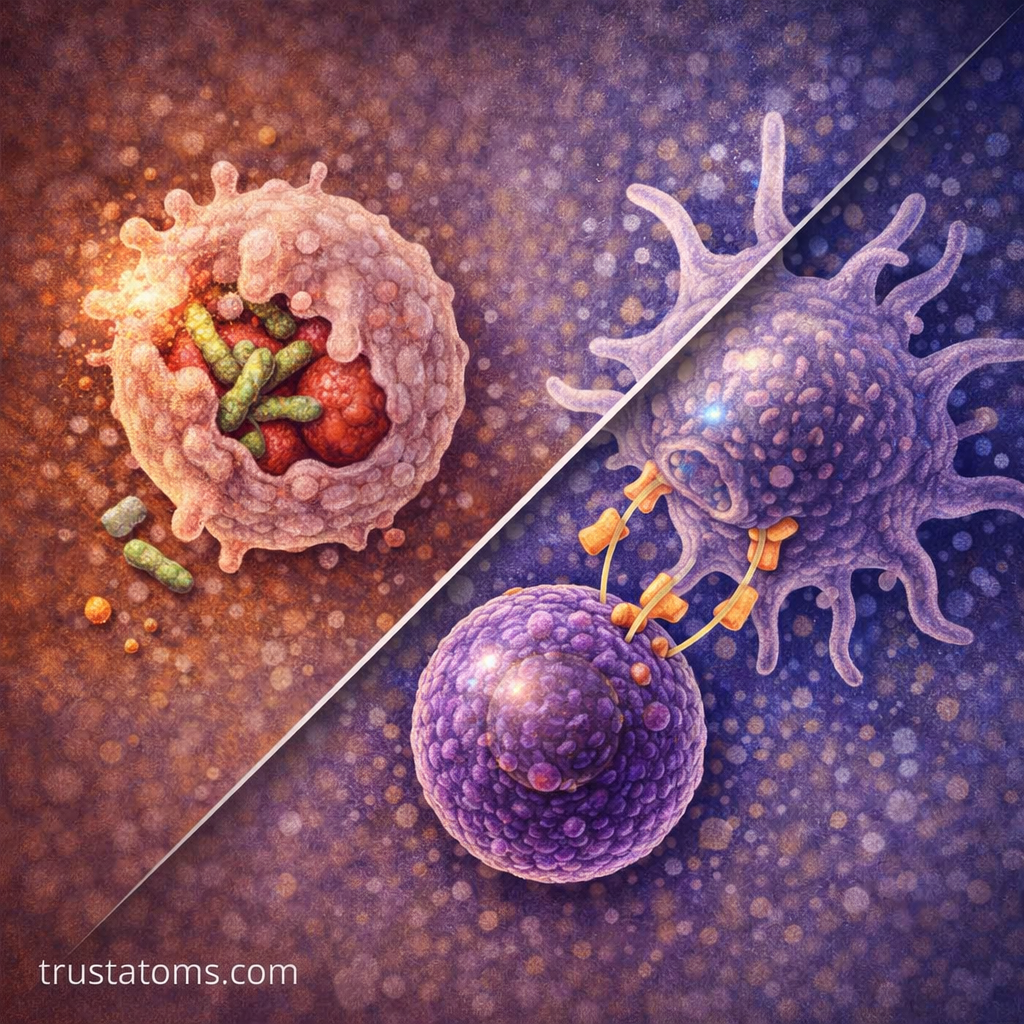
Antigen presentation is a key step that connects innate and adaptive immunity.
How It Works
- Immune cells (like dendritic cells) capture pathogens
- They break them down into smaller antigen fragments
- These fragments are displayed on their surface
- T cells recognize the presented antigens and activate
This process ensures that the immune system responds accurately to specific threats.
Why Immune Recognition Is Important
Accurate antigen recognition is essential for:
- Fighting infections effectively
- Avoiding damage to healthy cells
- Detecting abnormal or cancerous cells
- Building long-term immunity
When this system works correctly, the body maintains balance and protection.
What Happens When Immune Recognition Fails?
Problems with antigen recognition can lead to serious health issues.
Autoimmune Diseases
The immune system mistakenly attacks self-antigens.
Examples include:
- Rheumatoid arthritis
- Lupus
- Type 1 diabetes
Allergies
The immune system overreacts to harmless antigens like pollen or food.
Immune Evasion
Some pathogens can hide or alter their antigens to avoid detection, making infections harder to treat.
Real-World Example of Antigen Recognition
When you get vaccinated:
- A harmless version of an antigen is introduced
- Your immune system recognizes it as foreign
- Antibodies and memory cells are created
- Future exposure triggers a faster, stronger response
This is how vaccines provide protection without causing disease.
Simple Way to Understand Antigens
Think of antigens as ID badges:
- Every cell or pathogen has one
- The immune system checks these IDs
- If the ID looks unfamiliar or dangerous, a response is triggered
This system allows the body to stay protected while avoiding unnecessary attacks.
Final Thoughts
Antigens and immune recognition are at the heart of how the body defends itself. By identifying what is harmful and what is safe, the immune system can respond precisely and effectively.
Understanding this process helps explain everything from infections and vaccines to autoimmune diseases—making it one of the most important concepts in human anatomy and immunology.