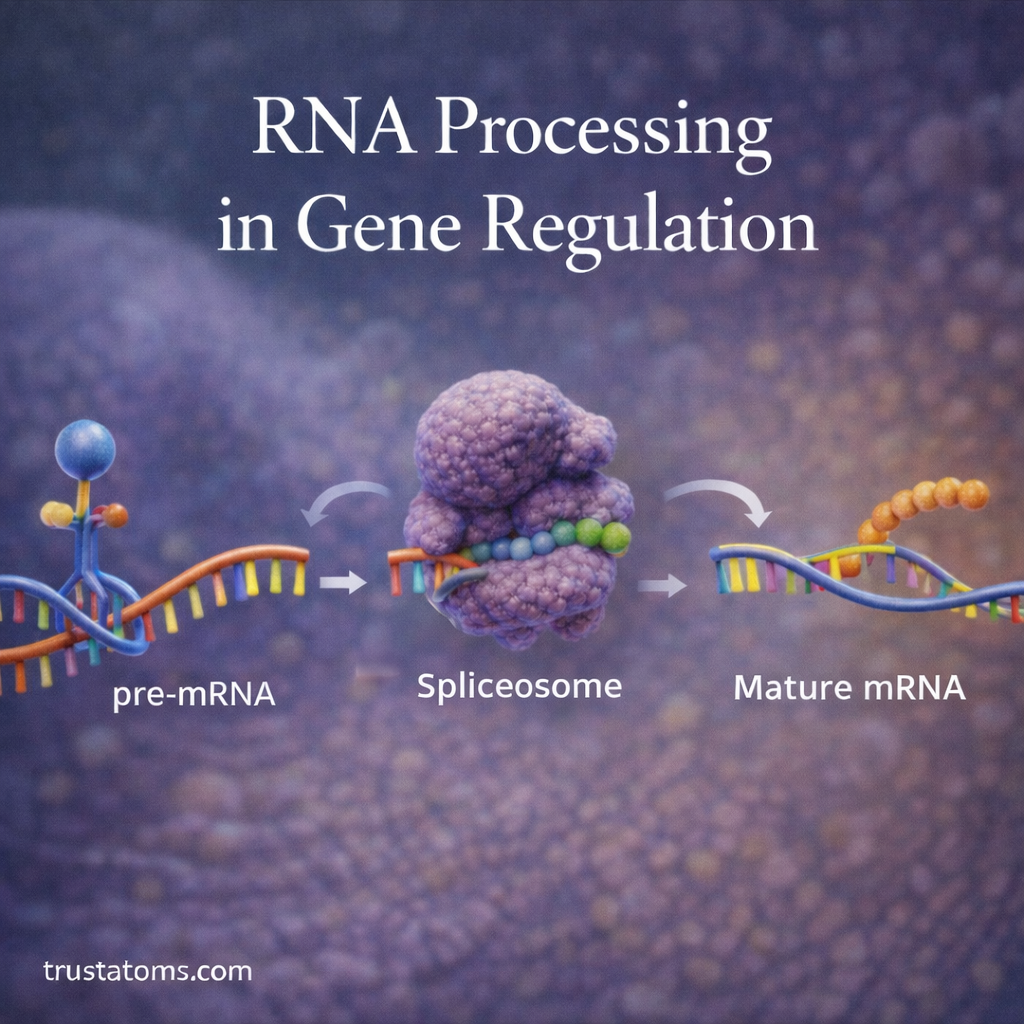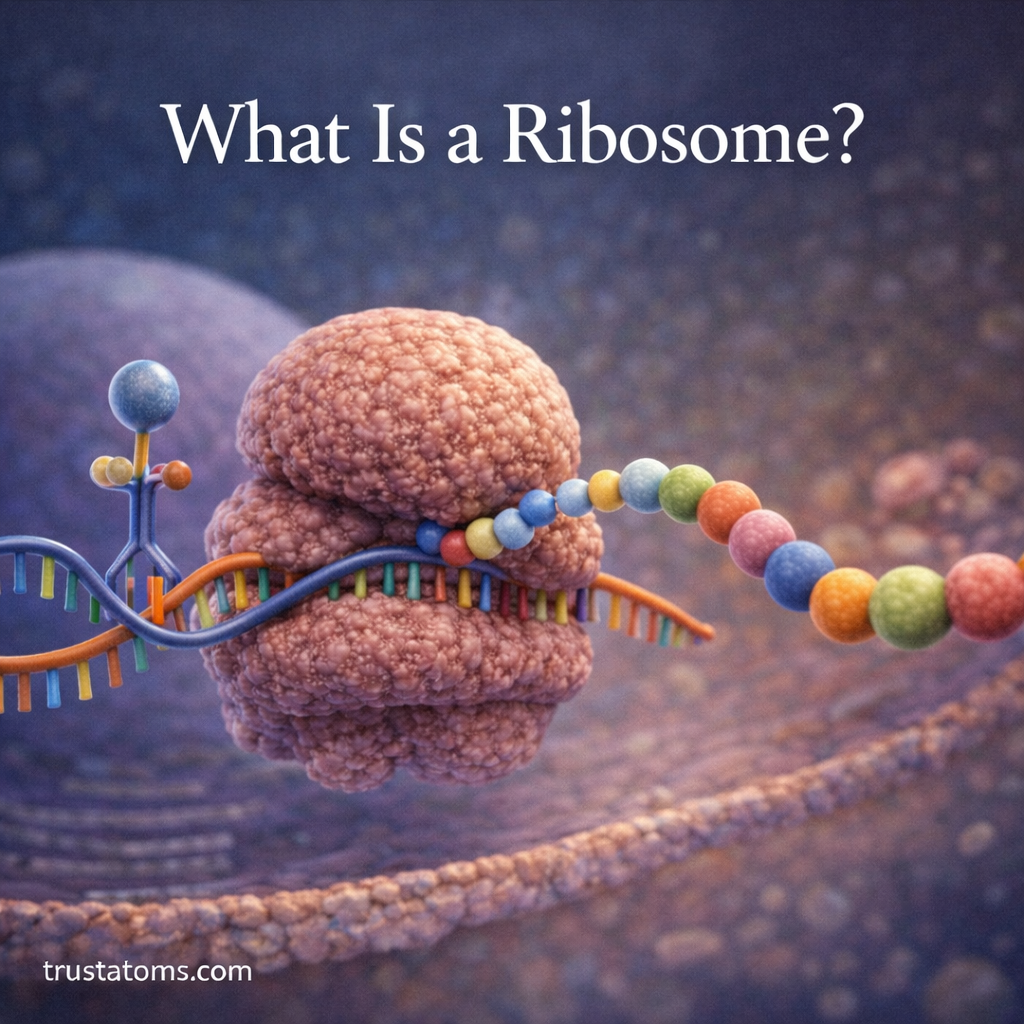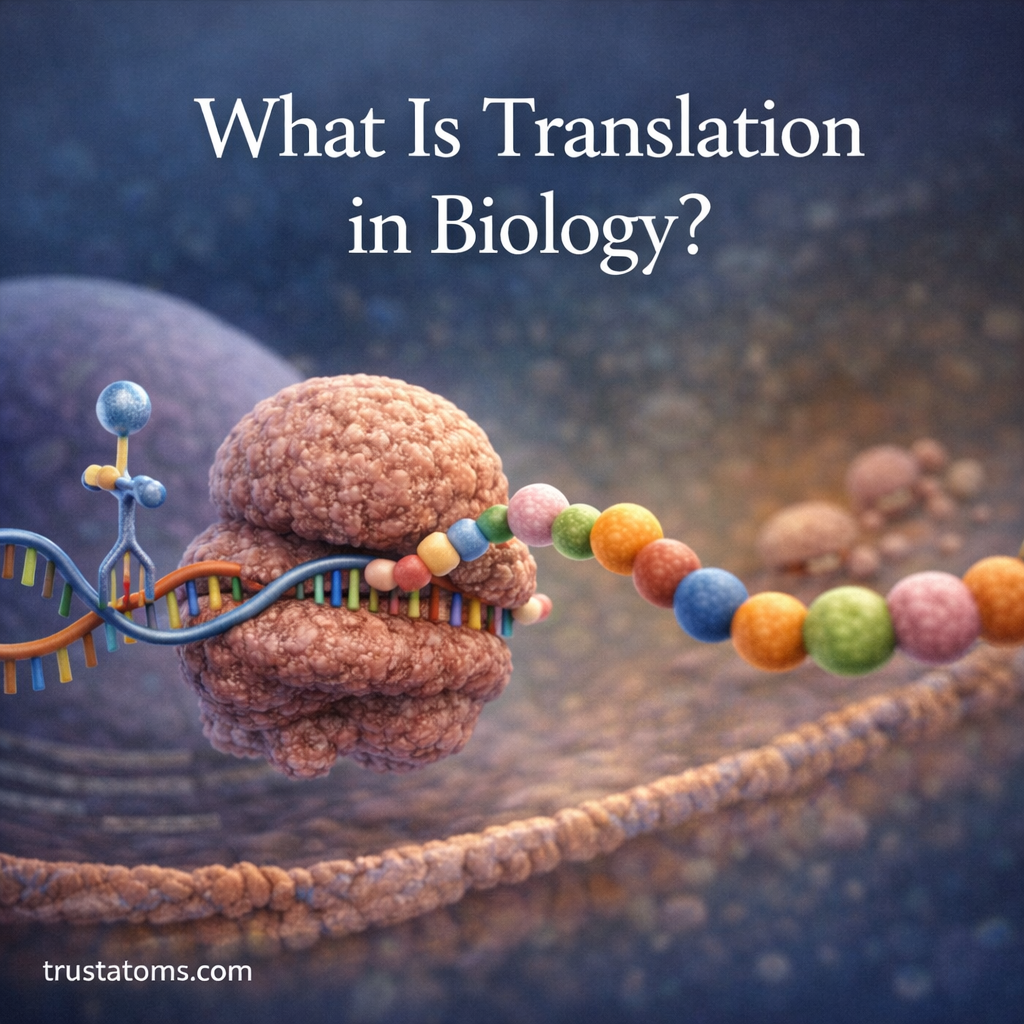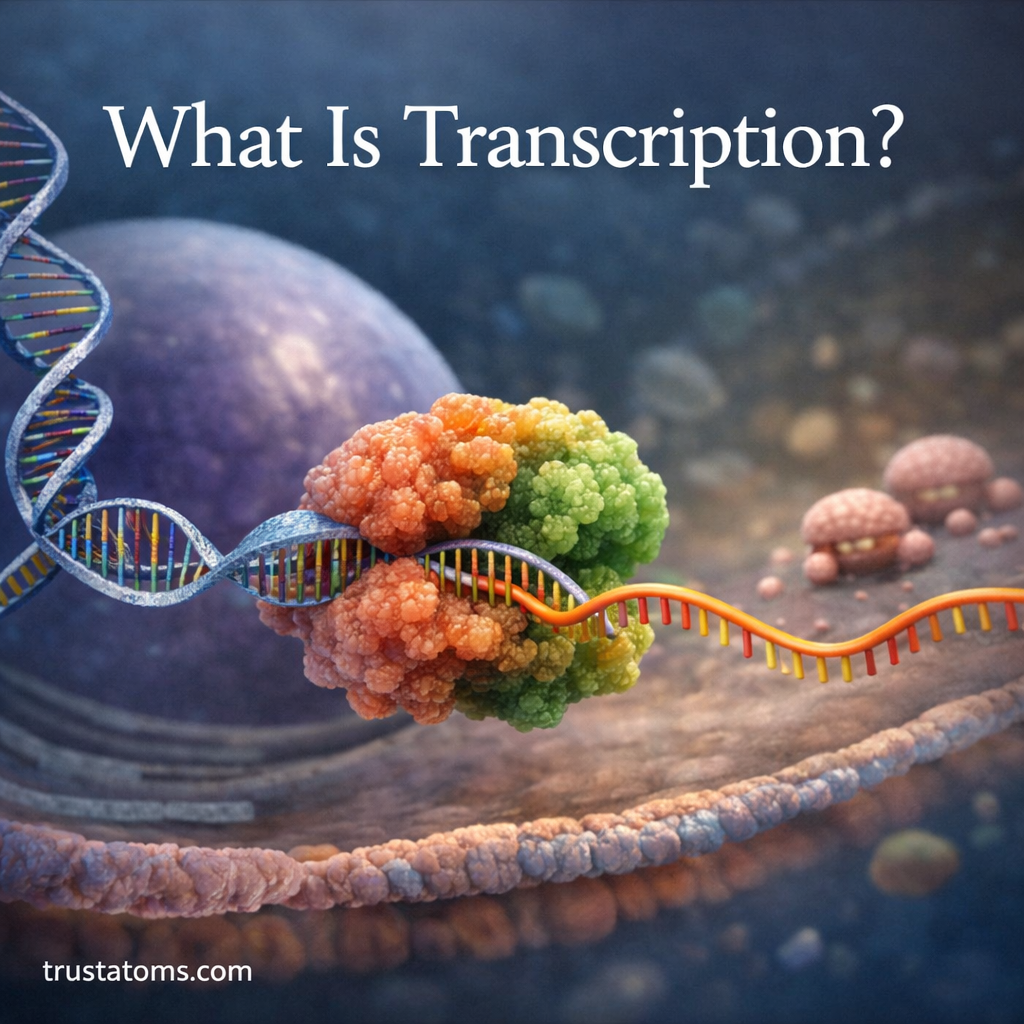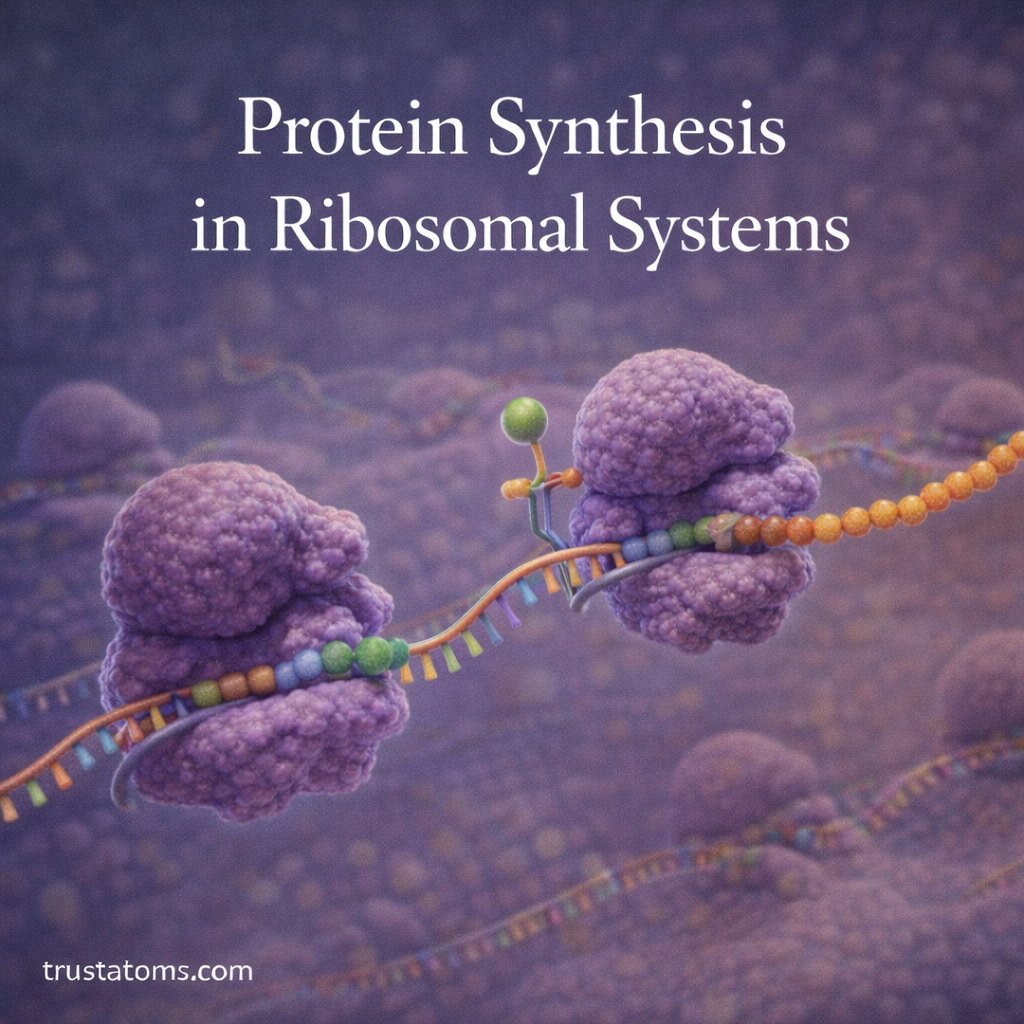
Protein synthesis is the biological process by which cells build proteins using genetic instructions stored in DNA. Within this process, ribosomal systems play the central role by translating messenger RNA (mRNA) into chains of amino acids that form functional proteins.
Proteins are essential molecules responsible for many cellular activities, including metabolism, structural support, communication, and immune defense. Because ribosomes perform the molecular work of assembling proteins, ribosomal systems are fundamental to life in all organisms.
Understanding protein synthesis in ribosomal systems helps explain how genetic information becomes the molecules that drive cellular function.
Continue reading “Protein Synthesis in Ribosomal Systems”