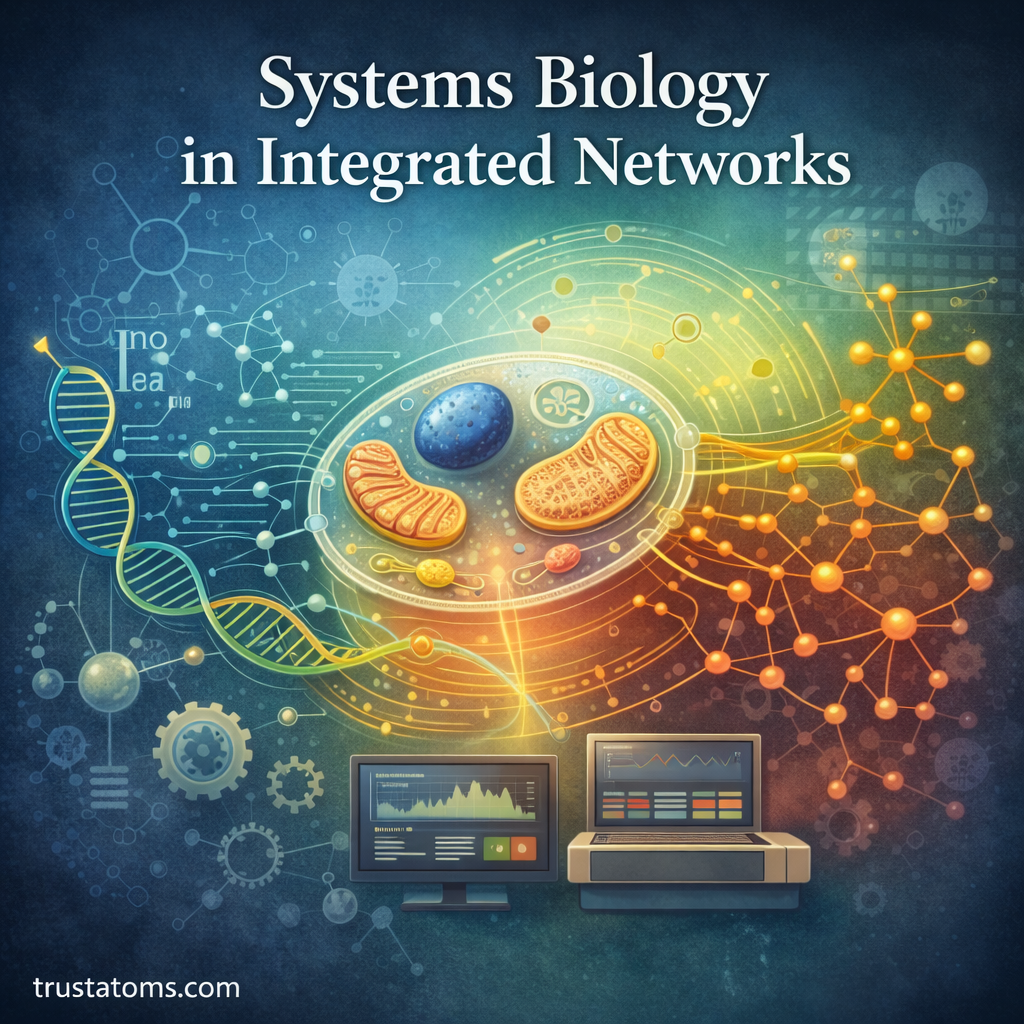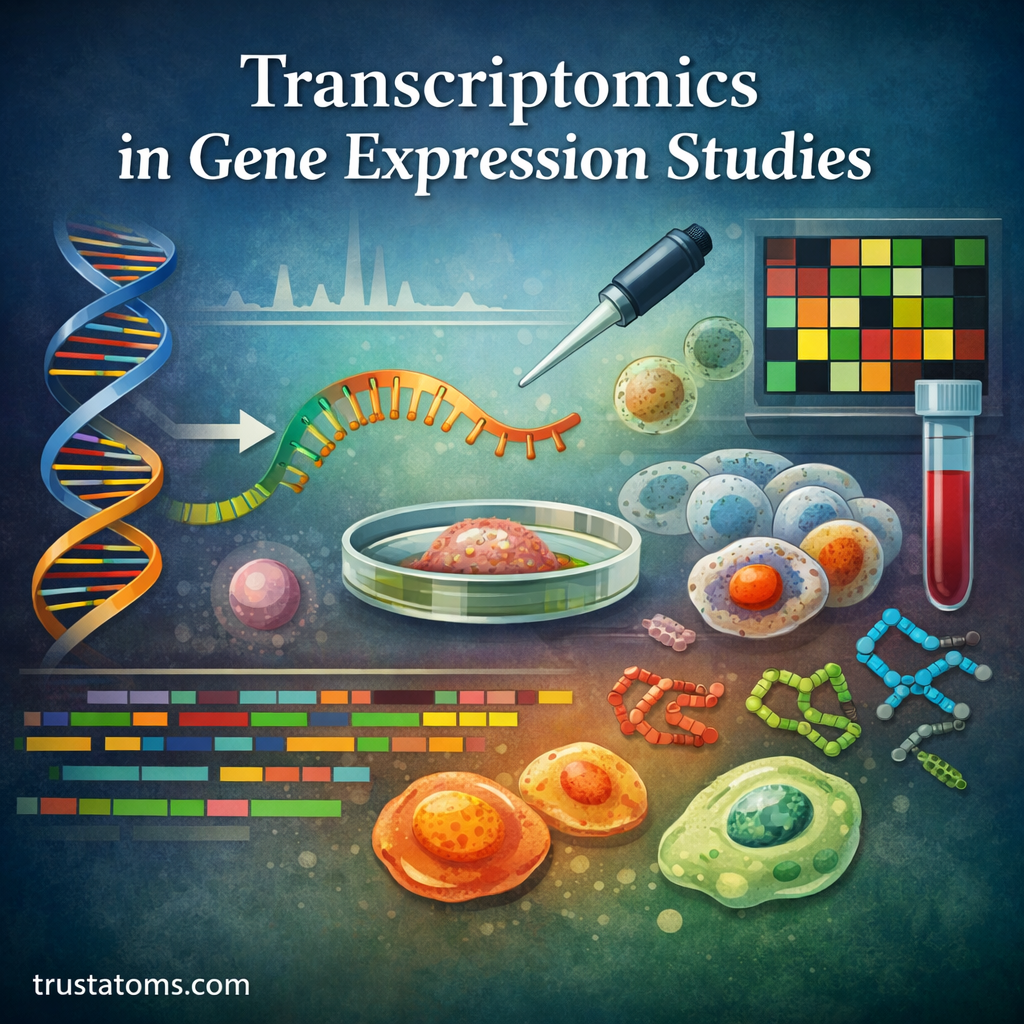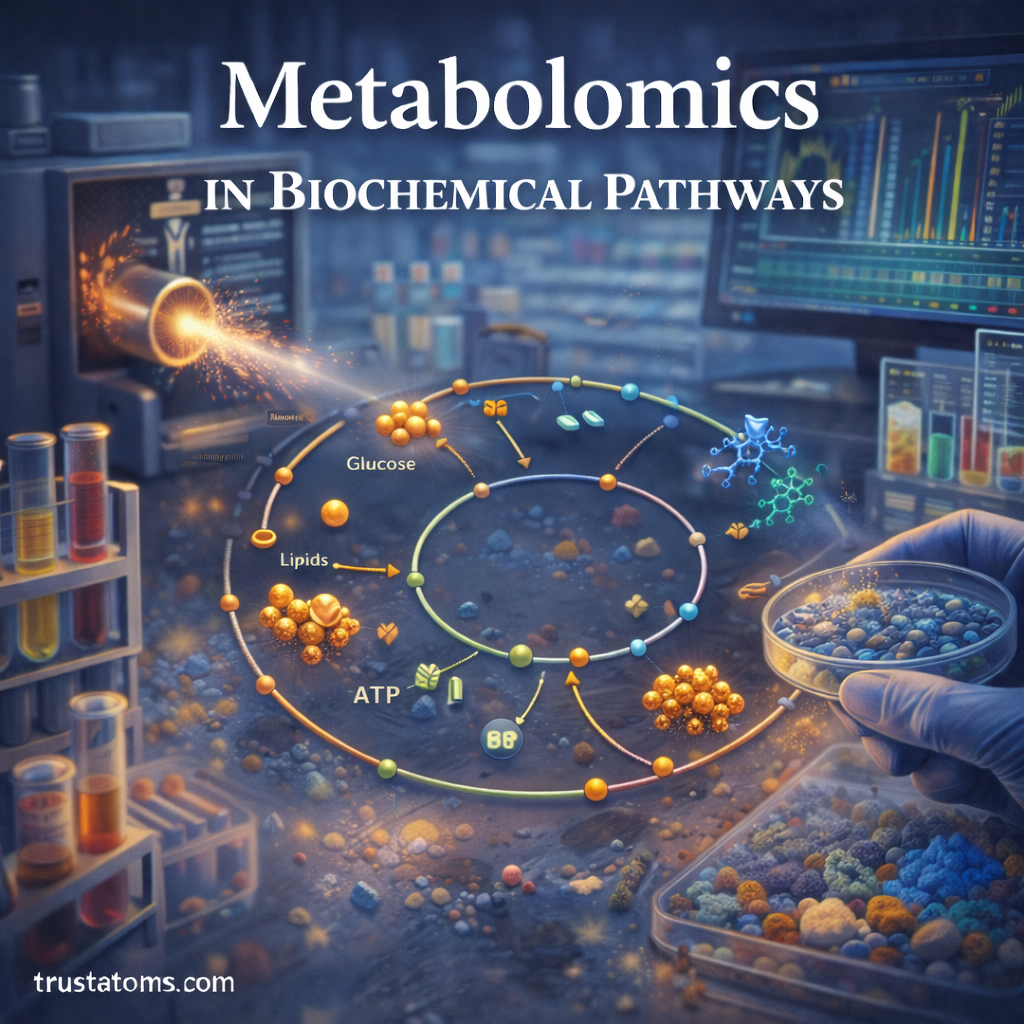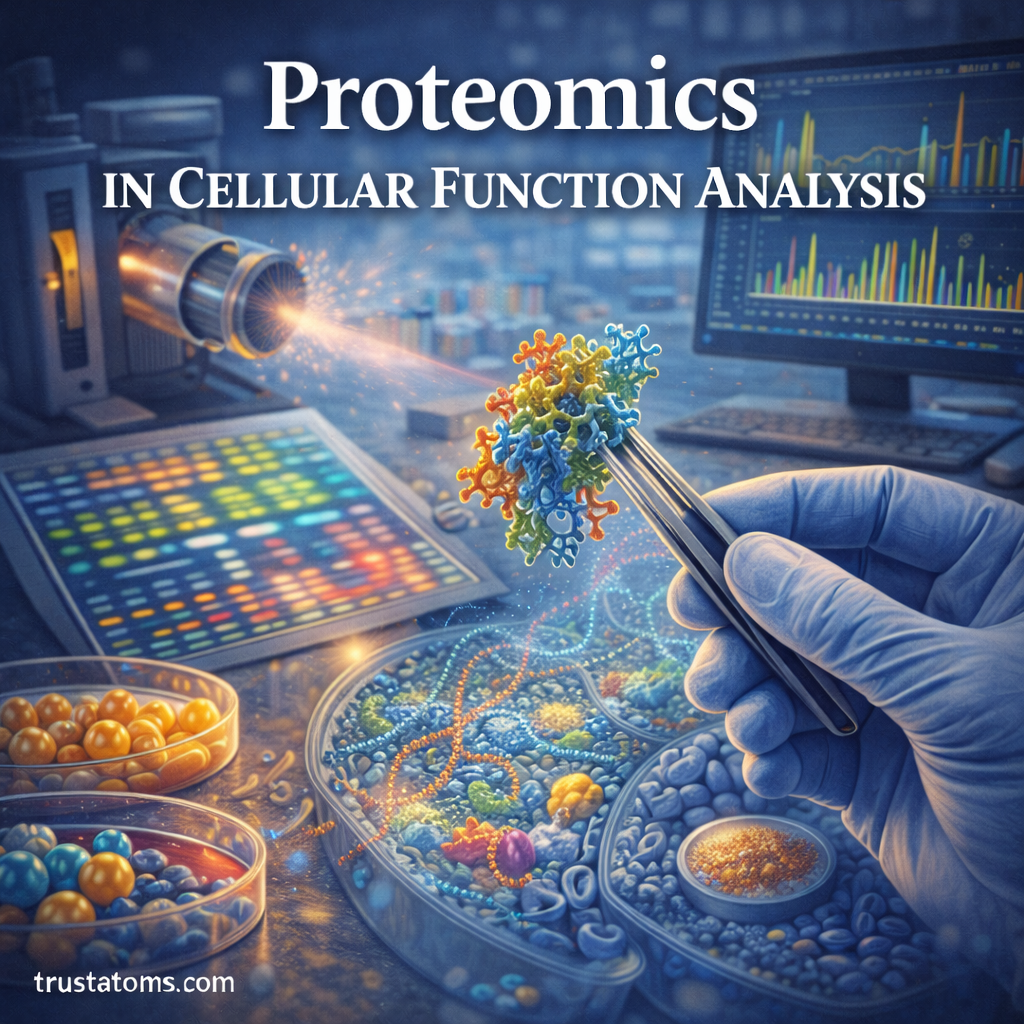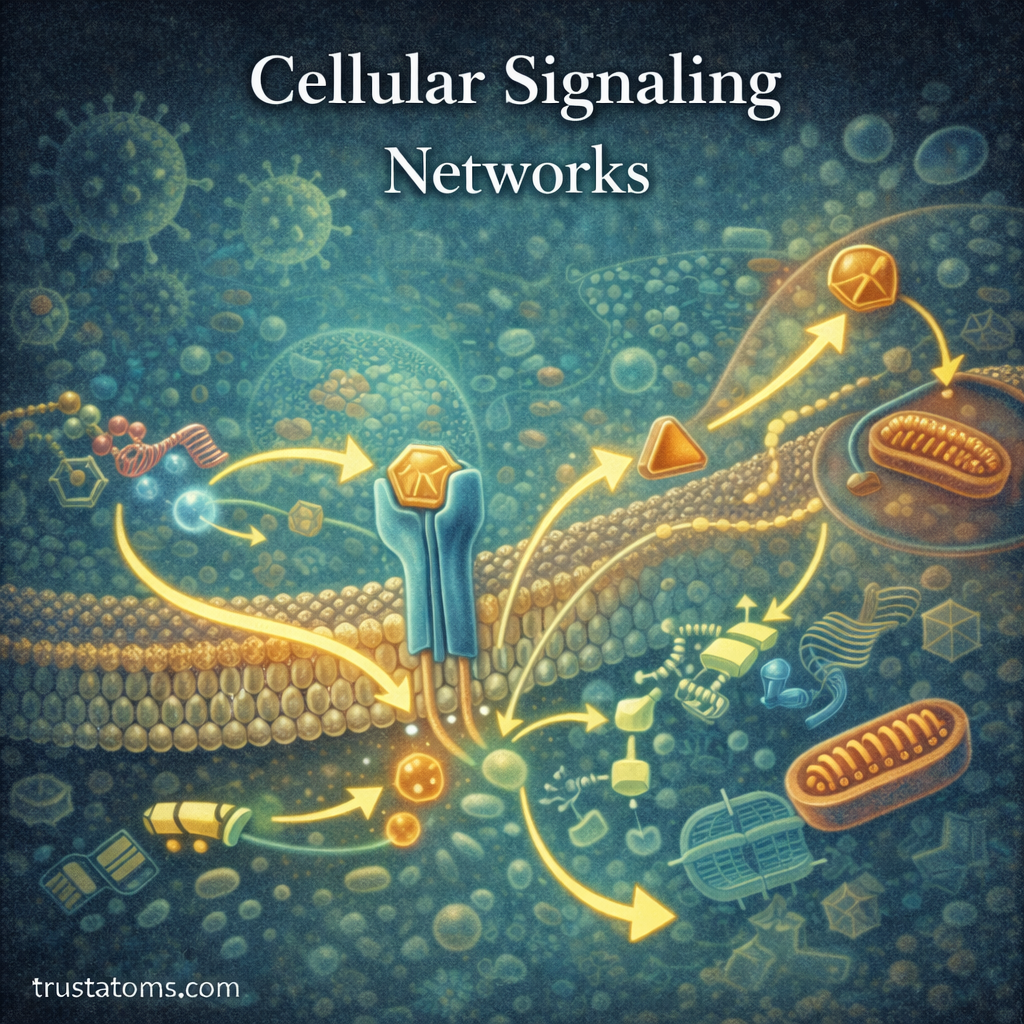
Cells constantly receive and process information from their surroundings. Whether responding to nutrients, stress, hormones, or neighboring cells, organisms rely on sophisticated communication systems that allow cells to detect signals and respond appropriately. These systems are known as cellular signaling networks.
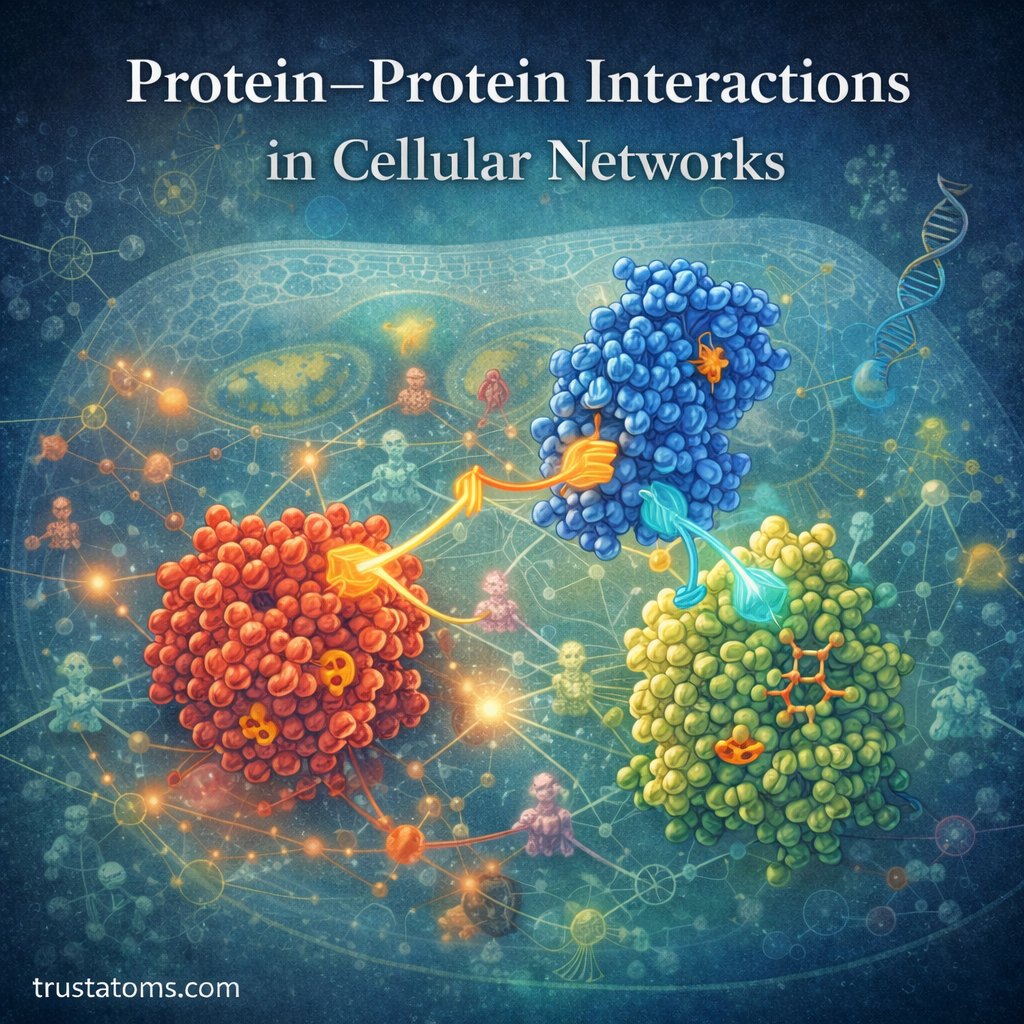
Cellular signaling networks consist of interconnected pathways that transmit signals from receptors to internal molecular targets. These pathways regulate processes such as cell growth, metabolism, immune responses, and gene expression.
Understanding how these signaling networks function is essential for studying development, disease mechanisms, and modern biomedical research.
Continue reading “Cellular Signaling Networks”