Cells rely on electrical signals to perform many essential biological functions. One of the key electrical properties of cells is the membrane potential, a voltage difference that exists across the cell membrane. This electrical gradient plays a vital role in processes such as nerve signaling, muscle contraction, and ion transport.
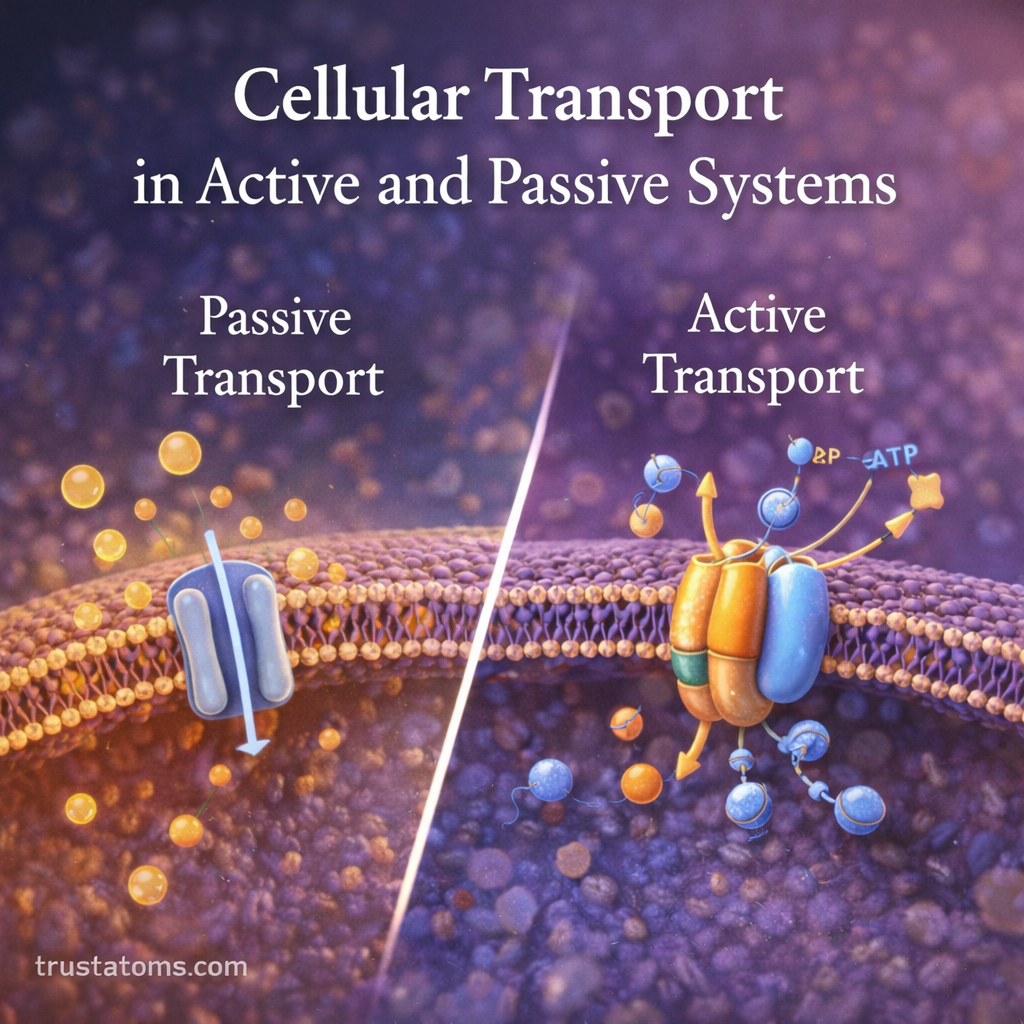
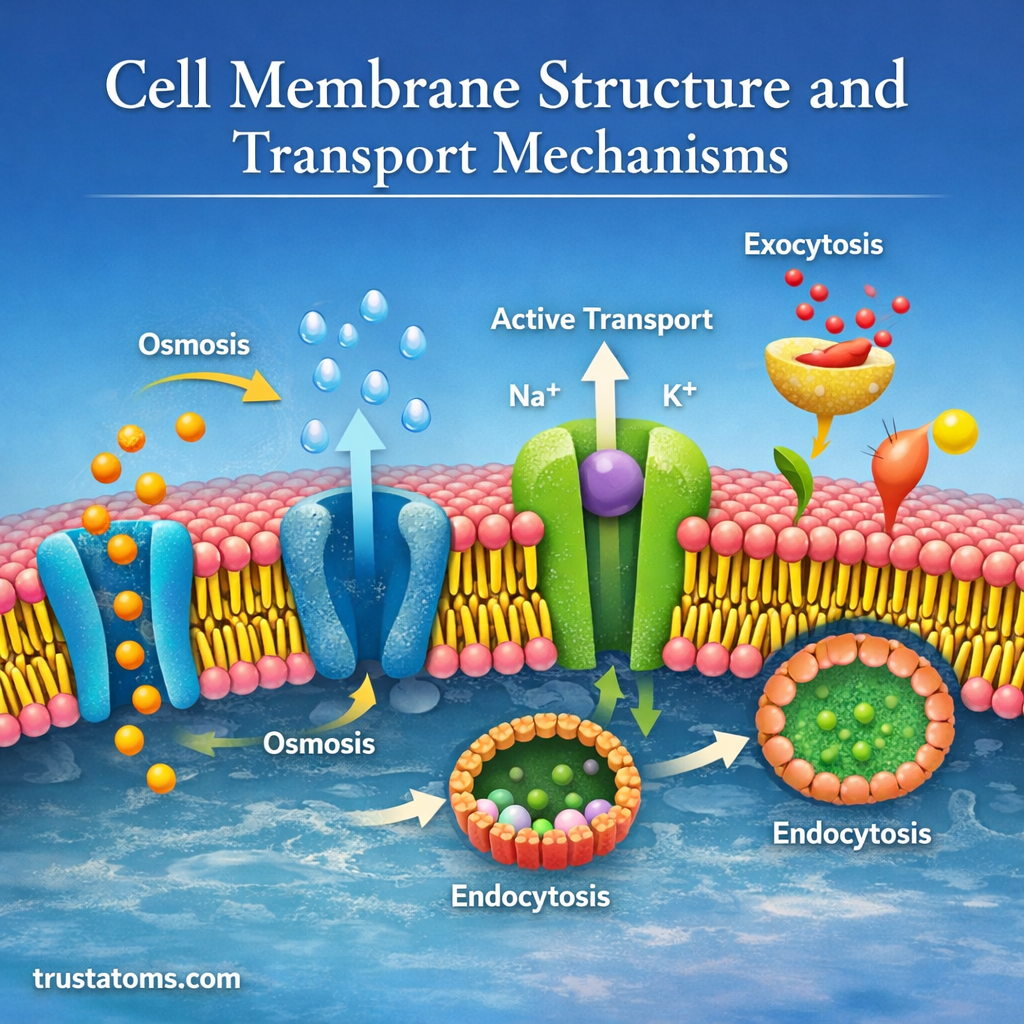
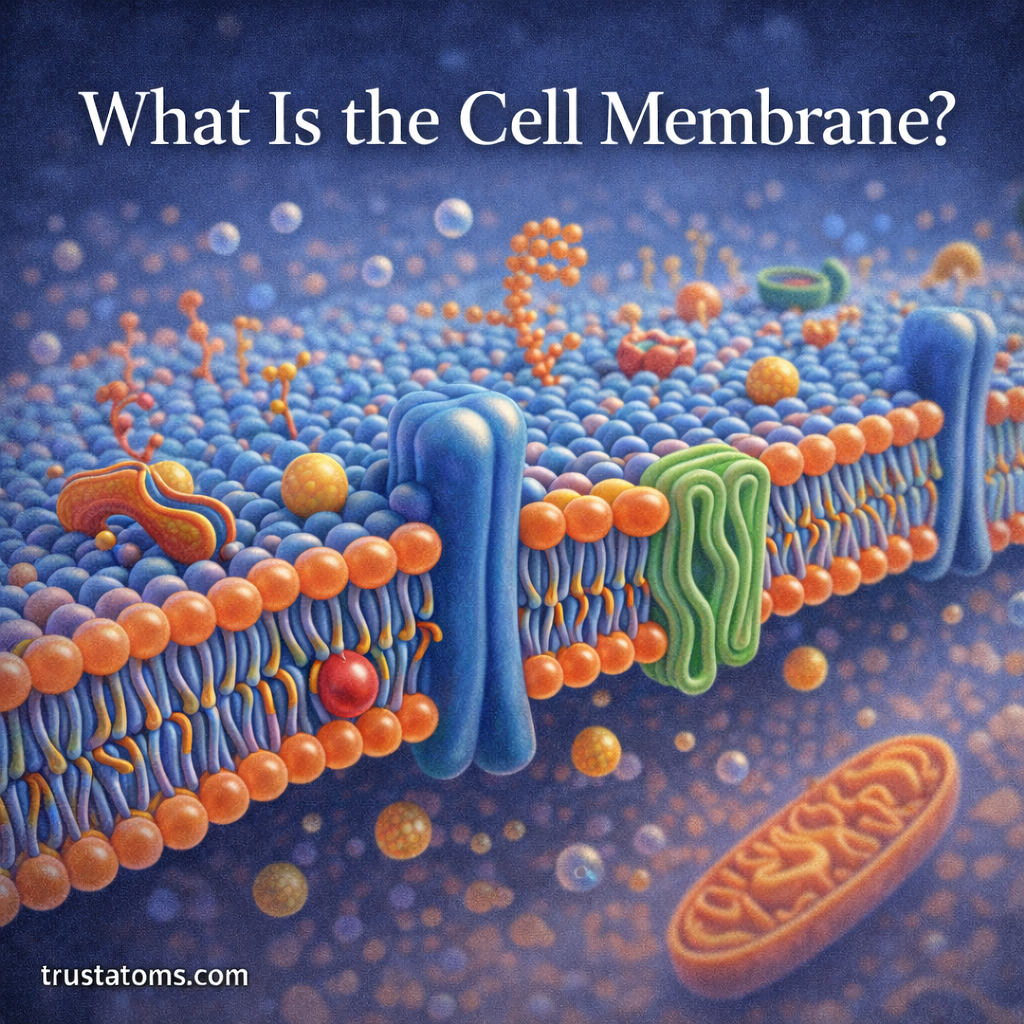
Membrane potential arises from differences in ion concentration inside and outside the cell, along with the selective permeability of the cell membrane. By controlling the movement of charged particles, cells create electrical conditions that allow them to communicate and respond to their environment.
Understanding membrane potential is essential for studying physiology, neuroscience, and cellular biology.
Continue reading “Membrane Potential in Cellular Activity”