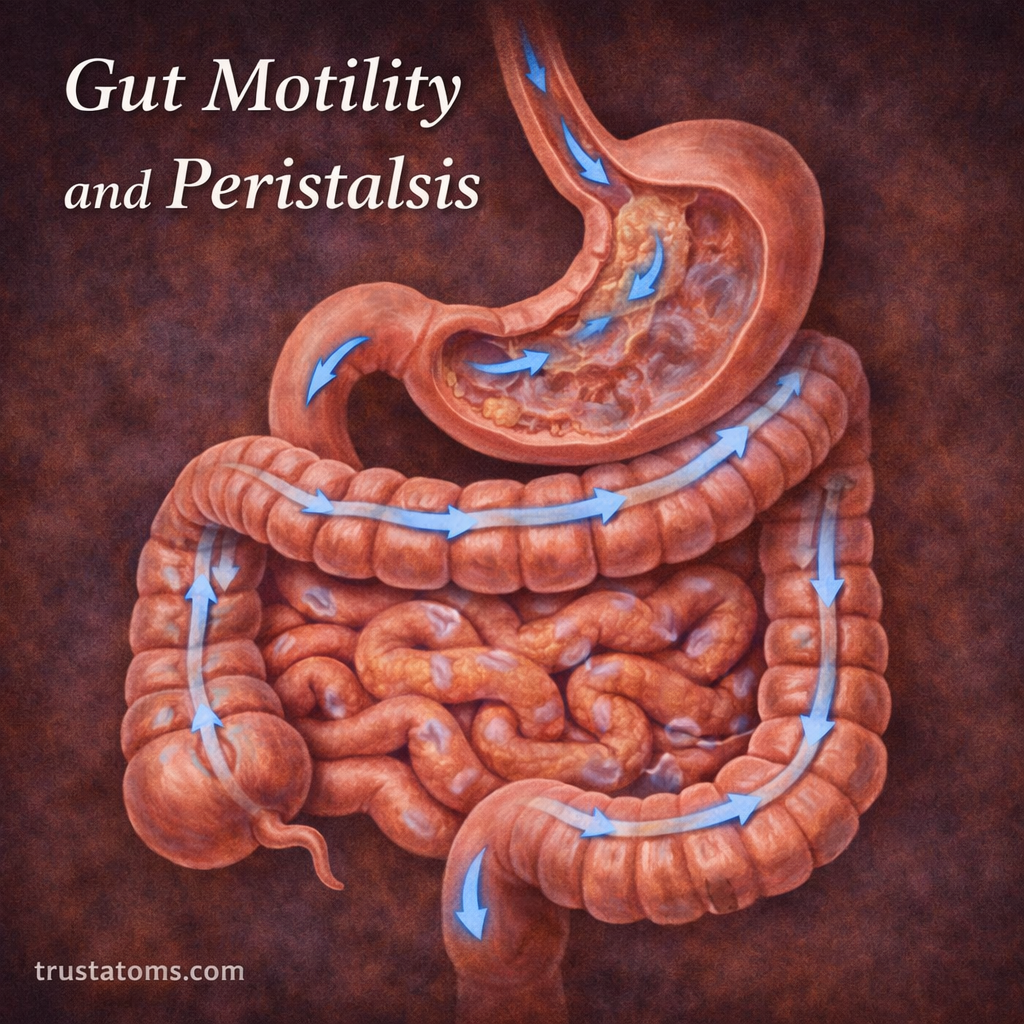
Your digestive system isn’t just about breaking down food—it’s also about moving it efficiently from one stage to the next. This movement is known as gut motility, and one of its most important mechanisms is peristalsis.
In this guide, you’ll learn how gut motility works, what peristalsis is, and why this process is essential for digestion and overall health.
What Is Gut Motility?
Gut motility refers to the coordinated contractions of muscles in the digestive tract that move food, liquids, and waste through the system.
Where motility occurs:
- Esophagus
- Stomach
- Small intestine
- Large intestine
Each section of the digestive tract uses specific movement patterns depending on its role in digestion.
What Is Peristalsis?
Peristalsis is a wave-like series of muscle contractions that pushes food forward through the digestive tract.
How it works:
- Circular muscles contract behind the food
- Longitudinal muscles shorten the segment ahead
- This creates a pushing motion
- Food moves in one direction
This process happens automatically and continuously, without conscious control.
The Step-by-Step Process of Peristalsis
Peristalsis ensures that food moves efficiently from the mouth to the rectum.
Step-by-step:
- Food is swallowed and enters the esophagus
- Peristaltic waves push it toward the stomach
- The stomach churns and mixes food into chyme
- The small intestine continues movement and digestion
- The large intestine moves waste toward elimination
This entire process is carefully coordinated by the nervous system.
What Controls Gut Motility?
Gut motility is regulated by a combination of nerves, hormones, and muscles.
Key control systems:
- Enteric nervous system (ENS): Often called the “second brain” of the gut
- Autonomic nervous system: Influences digestion speed
- Hormones: Such as gastrin and motilin
Muscle layers involved:
- Circular muscles (tighten the tube)
- Longitudinal muscles (shorten the tract)
Together, these systems ensure smooth and coordinated movement.
Why Peristalsis Is Important
Peristalsis is essential for proper digestion and nutrient absorption.
Key functions:
- Moves food through the digestive tract
- Prevents food from getting stuck
- Mixes food with digestive enzymes
- Helps absorb nutrients efficiently
- Moves waste toward elimination
Without peristalsis, digestion would come to a halt.
Different Types of Gut Movement
Peristalsis is just one type of movement in the digestive system.
Other types include:
- Segmentation: Mixing movements in the small intestine
- Mass movements: Strong contractions in the large intestine
- Churning: Mechanical mixing in the stomach
Each type of movement plays a specific role in digestion.
What Happens When Motility Is Too Fast or Too Slow?
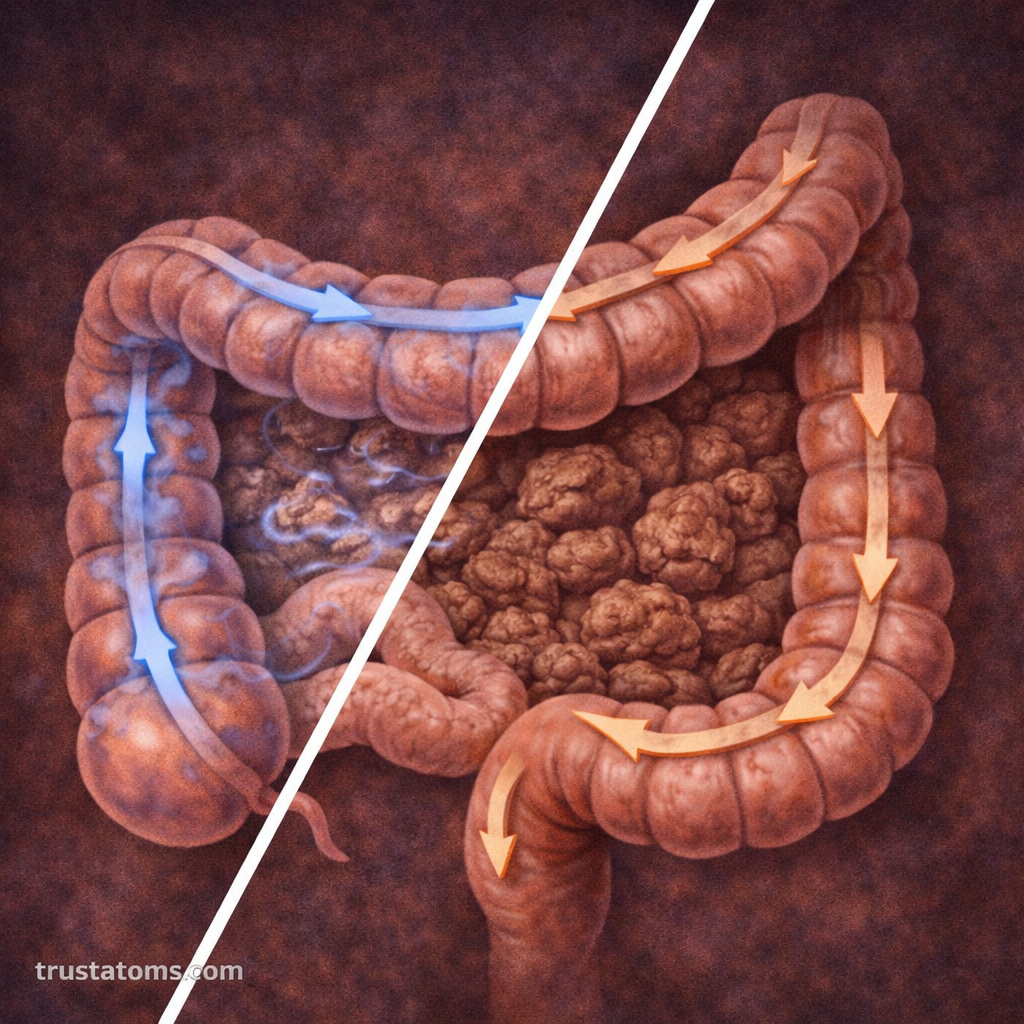
Balanced gut motility is essential for digestive health.
When motility is too fast:
- Food moves too quickly
- Reduced nutrient absorption
- Leads to diarrhea
When motility is too slow:
- Food remains too long in the gut
- Increased water absorption
- Leads to constipation
Maintaining proper timing is key to a healthy digestive system.
Common Conditions Related to Motility
Problems with gut motility can lead to various digestive disorders.
Examples include:
- Irritable bowel syndrome (IBS)
- Gastroparesis (delayed stomach emptying)
- Chronic constipation
- Intestinal obstruction
These conditions can affect comfort, digestion, and overall health.
How to Support Healthy Gut Motility
Healthy lifestyle habits can help maintain proper gut movement.
Helpful strategies:
- Eat a fiber-rich diet
- Stay hydrated
- Exercise regularly
- Manage stress levels
- Maintain consistent meal timing
These habits support smooth and efficient digestion.
Final Thoughts
Gut motility and peristalsis are essential processes that keep your digestive system functioning properly. From swallowing food to eliminating waste, these coordinated movements ensure that everything flows smoothly.
Understanding how peristalsis works highlights the complexity of your digestive system—and why maintaining gut health is so important for overall well-being.