Introduction
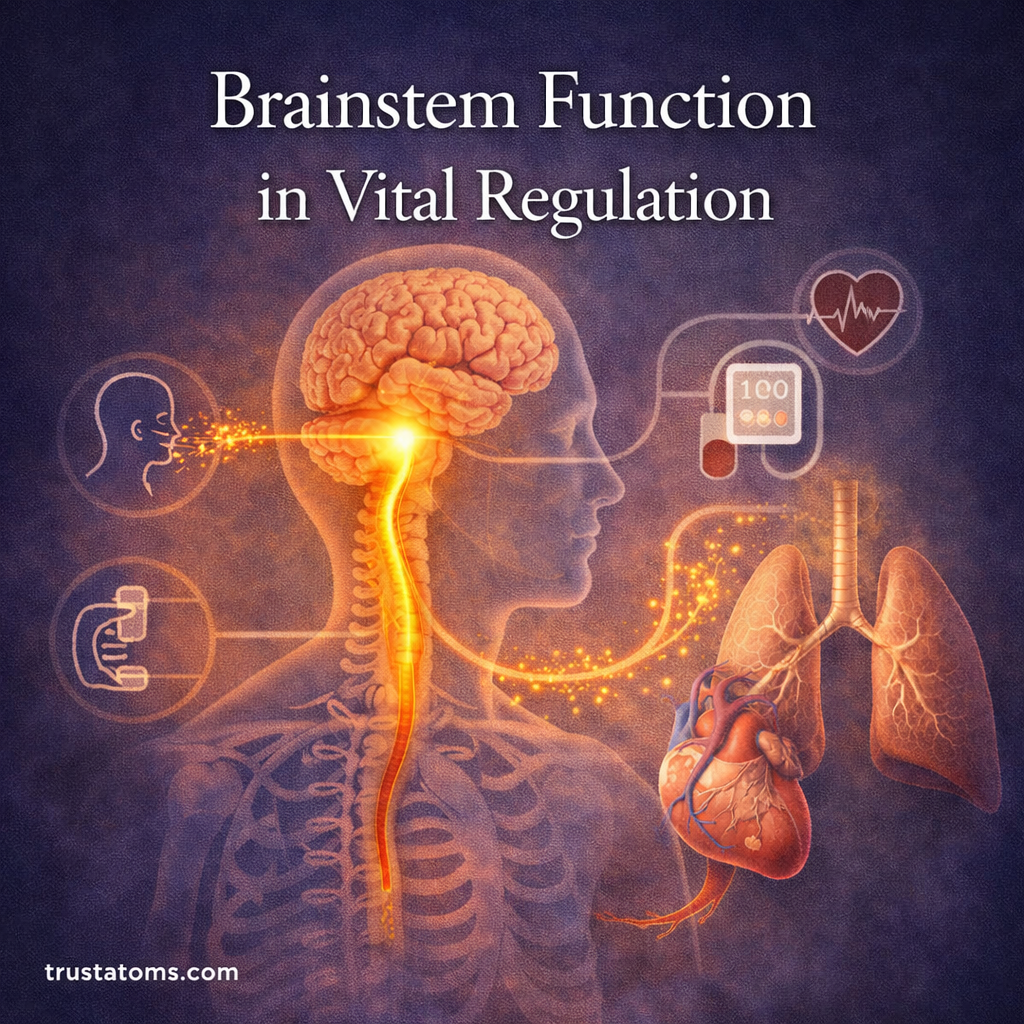
Your heart doesn’t beat randomly—it’s tightly controlled by an advanced system that responds instantly to your body’s needs. Whether you’re resting, exercising, or feeling stressed, your heart rate adjusts automatically.
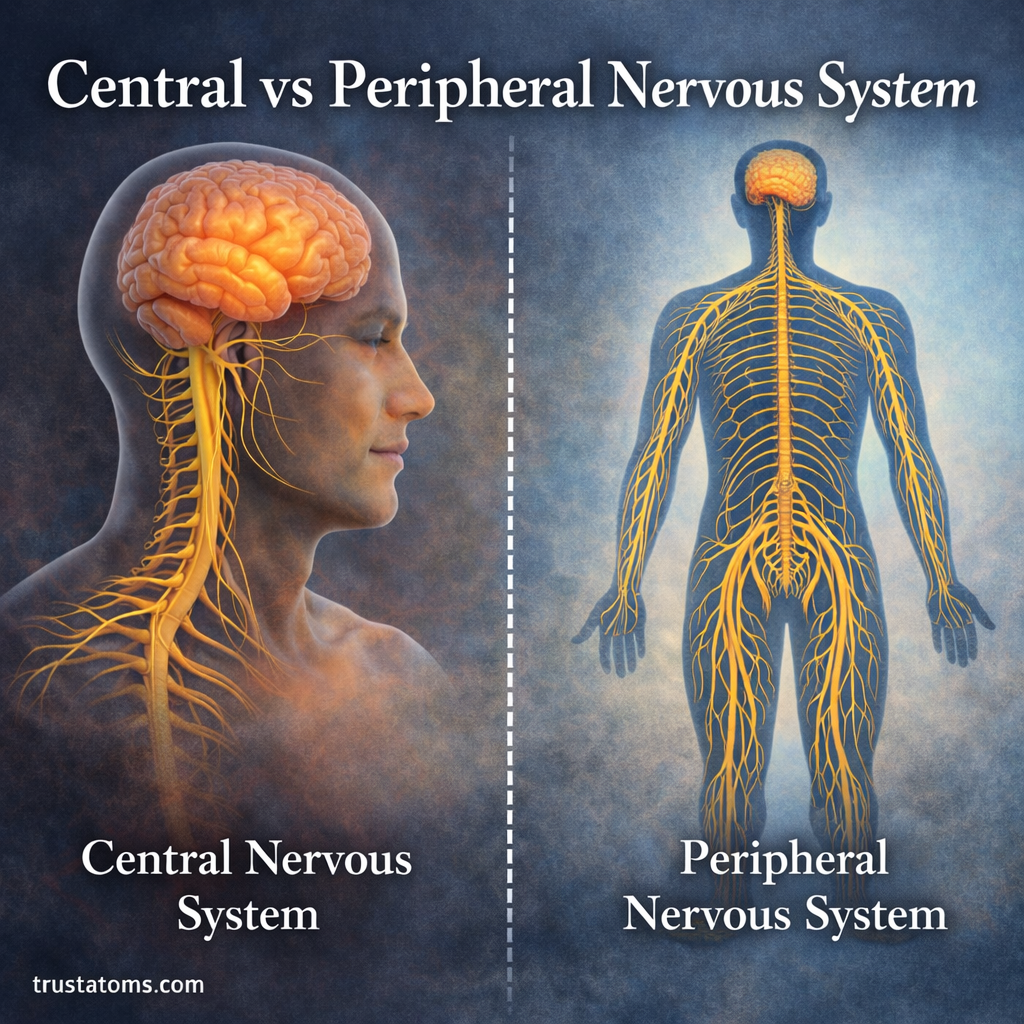
This control system is largely governed by the autonomic nervous system (ANS), which regulates involuntary functions like breathing, digestion, and heart activity. Understanding how heart rate is controlled helps explain everything from fitness performance to stress responses and overall cardiovascular health.
What Is Heart Rate?
Heart rate refers to the number of times your heart beats per minute (bpm). It varies depending on:
- Physical activity
- Emotional state
- Body temperature
- Overall health
- Age and fitness level
Typical resting heart rate ranges:
- Adults: 60–100 bpm
- Athletes: 40–60 bpm (due to more efficient heart function)
The Role of the Autonomic Nervous System
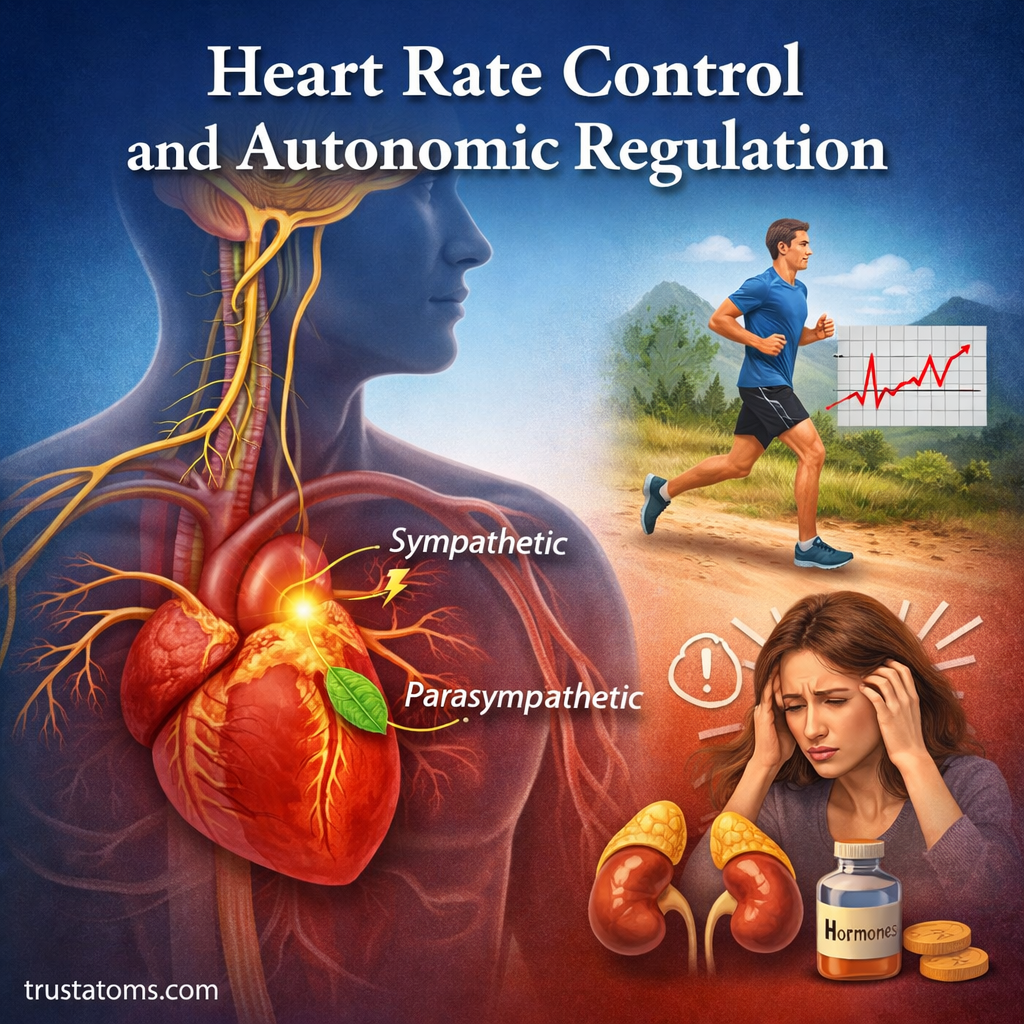
The autonomic nervous system regulates heart rate without conscious effort. It has two main branches:
Sympathetic Nervous System (SNS)
Often called the “fight or flight” system, the SNS increases heart rate during stress or activity.
Key effects:
- Increases heart rate
- Enhances force of contraction
- Prepares the body for action
Parasympathetic Nervous System (PNS)
Known as the “rest and digest” system, the PNS slows the heart rate.
Key effects:
- Decreases heart rate
- Promotes relaxation
- Conserves energy
These two systems constantly balance each other to maintain optimal heart function.
The Sinoatrial (SA) Node: The Heart’s Natural Pacemaker
At the core of heart rate control is the sinoatrial (SA) node, located in the right atrium.
Functions of the SA node:
- Generates electrical impulses
- Sets the baseline heart rate
- Initiates each heartbeat
The autonomic nervous system modifies the SA node’s activity:
- Sympathetic stimulation → speeds up impulse generation
- Parasympathetic stimulation → slows it down
How Heart Rate Is Regulated in Real Time
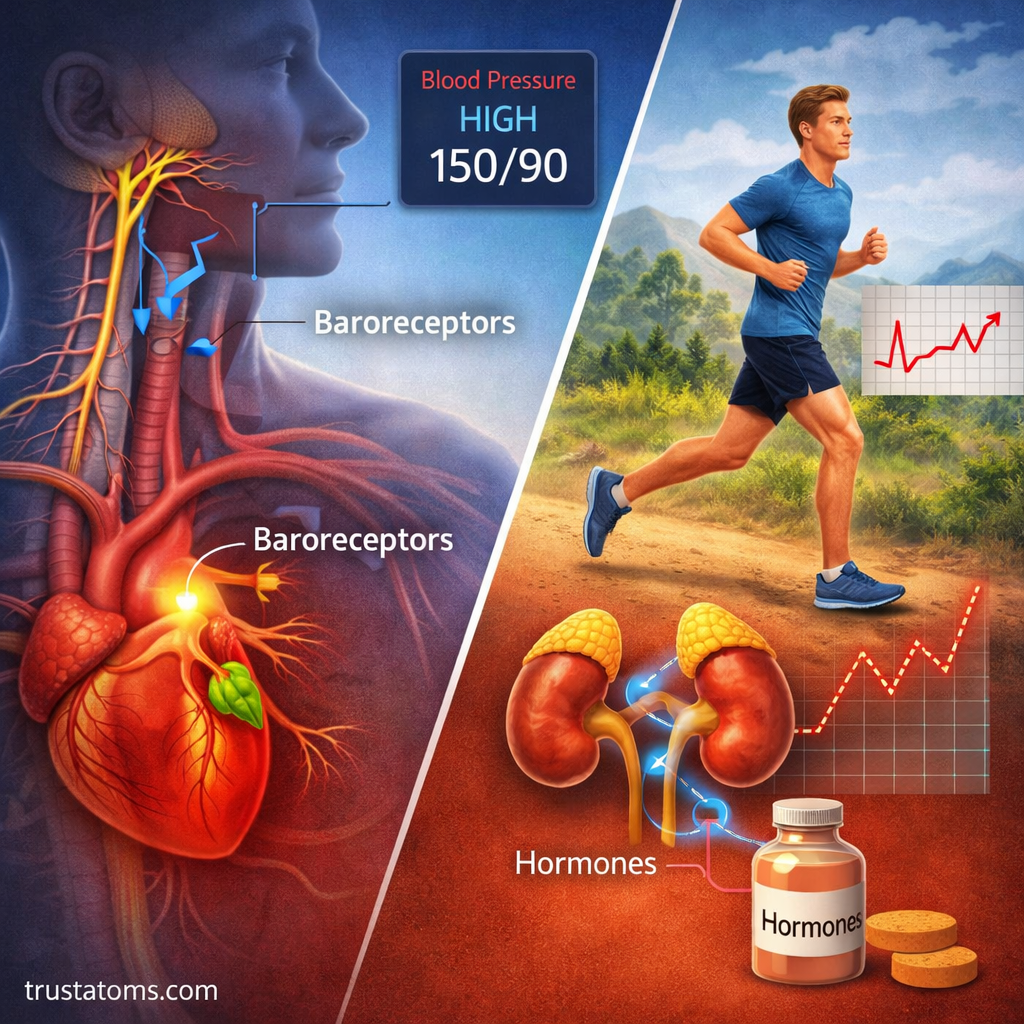
Heart rate adjusts continuously based on signals from receptors throughout the body.
Baroreceptors (Blood Pressure Sensors)
Located in arteries such as the carotid sinus and aorta.
Function:
- Detect changes in blood pressure
- Trigger adjustments in heart rate to stabilize pressure
Example:
- High blood pressure → heart rate decreases
- Low blood pressure → heart rate increases
Chemoreceptors (Chemical Sensors)
Sensitive to:
- Oxygen levels
- Carbon dioxide levels
- Blood pH
Function:
- Increase heart rate when oxygen is low or CO₂ is high
Hormonal Influence on Heart Rate
Hormones also play a major role in regulating heart rate.
Key Hormones
- Epinephrine (adrenaline)
- Norepinephrine
Effects:
- Increase heart rate
- Strengthen heart contractions
- Enhance blood flow to muscles
These hormones are released during stress, exercise, or danger, reinforcing the sympathetic response.
Heart Rate During Exercise
When you exercise, your body demands more oxygen and nutrients. Heart rate increases to meet this demand.
What Happens:
- Sympathetic activity increases
- Parasympathetic activity decreases
- Heart rate rises
- Cardiac output increases
This allows:
- More oxygen delivery to muscles
- Faster removal of waste products
Heart Rate Variability (HRV)
Heart rate variability (HRV) refers to the variation in time between heartbeats.
Why HRV Matters:
- High HRV → good adaptability and strong autonomic balance
- Low HRV → stress, fatigue, or potential health issues
HRV is often used as an indicator of:
- Stress levels
- Recovery status
- Overall cardiovascular health
Factors That Affect Heart Rate Control
Several factors influence how effectively your body regulates heart rate:
Physical Factors
- Fitness level
- Body temperature
- Hydration
Emotional Factors
- Stress
- Anxiety
- Excitement
Medical Factors
- Medications (e.g., beta-blockers)
- Heart conditions
- Nervous system disorders
Common Issues in Heart Rate Regulation
When autonomic control is disrupted, heart rate abnormalities can occur.
Examples:
- Tachycardia: abnormally fast heart rate
- Bradycardia: abnormally slow heart rate
- Arrhythmias: irregular heart rhythms
These conditions may result from:
- Nervous system imbalance
- Heart disease
- Electrolyte imbalances
Why Heart Rate Control Matters
Proper heart rate regulation is essential for:
- Maintaining stable blood pressure
- Delivering oxygen efficiently
- Supporting physical performance
- Managing stress responses
An imbalance in autonomic regulation can impact overall health and may signal underlying issues.
Final Thoughts
Heart rate control is a dynamic process managed by the autonomic nervous system, the heart’s internal pacemaker, and various sensory and hormonal signals. This system allows your body to respond instantly to changing conditions—whether you’re relaxing, exercising, or facing stress.
By understanding how heart rate is regulated, you gain insight into your body’s adaptability and the importance of maintaining cardiovascular and nervous system health.