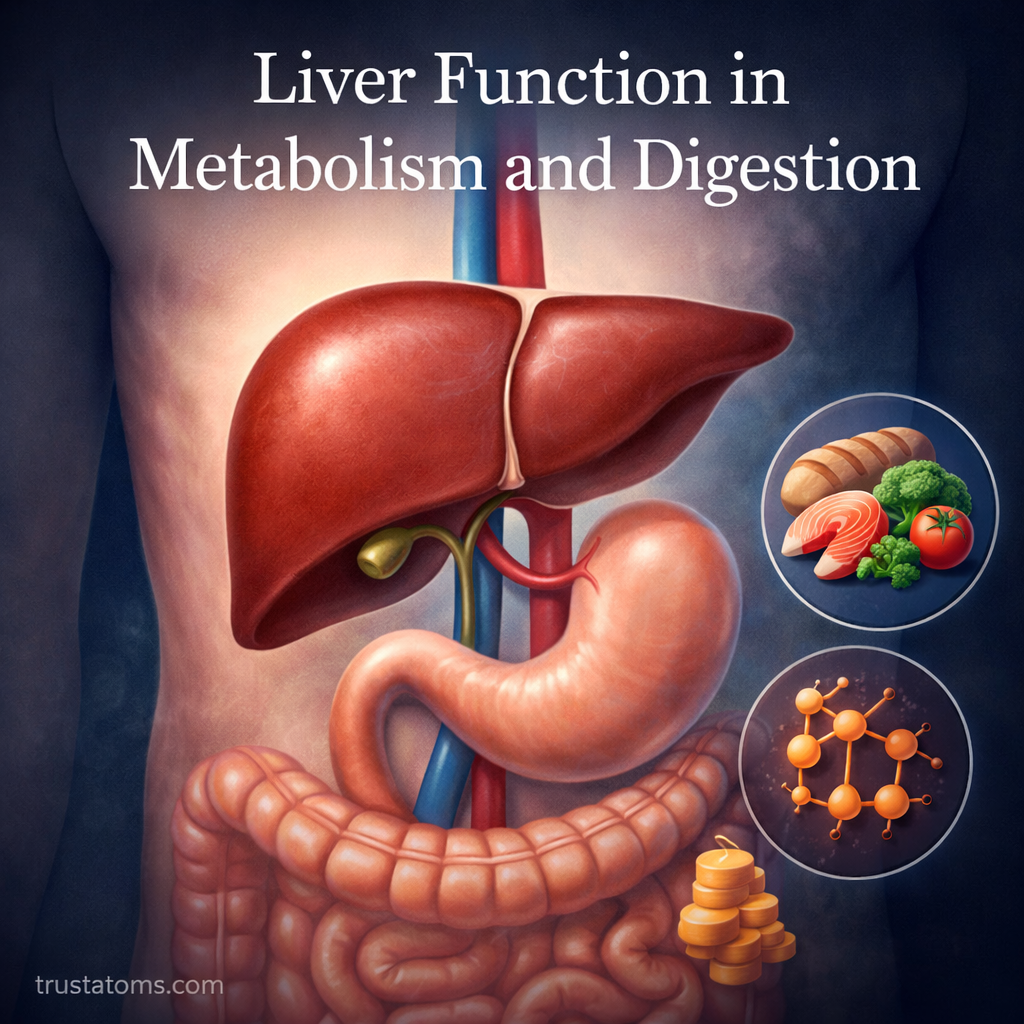
The liver is one of the most important organs in the human body, performing hundreds of essential functions that support digestion, metabolism, and overall health. While it is best known for processing nutrients and detoxifying harmful substances, the liver also plays a key role in digestion through the production of bile.
Understanding how the liver functions helps explain how the body manages nutrients, energy, and waste efficiently.
Overview of the Liver
The liver is a large, reddish-brown organ located in the upper right abdomen, just beneath the diaphragm. It is the largest internal organ and a central hub for metabolic activity.
Key Functions:
- Producing bile for digestion
- Processing nutrients from food
- Detoxifying harmful substances
- Storing energy and vitamins
- Regulating blood composition
Role of the Liver in Digestion
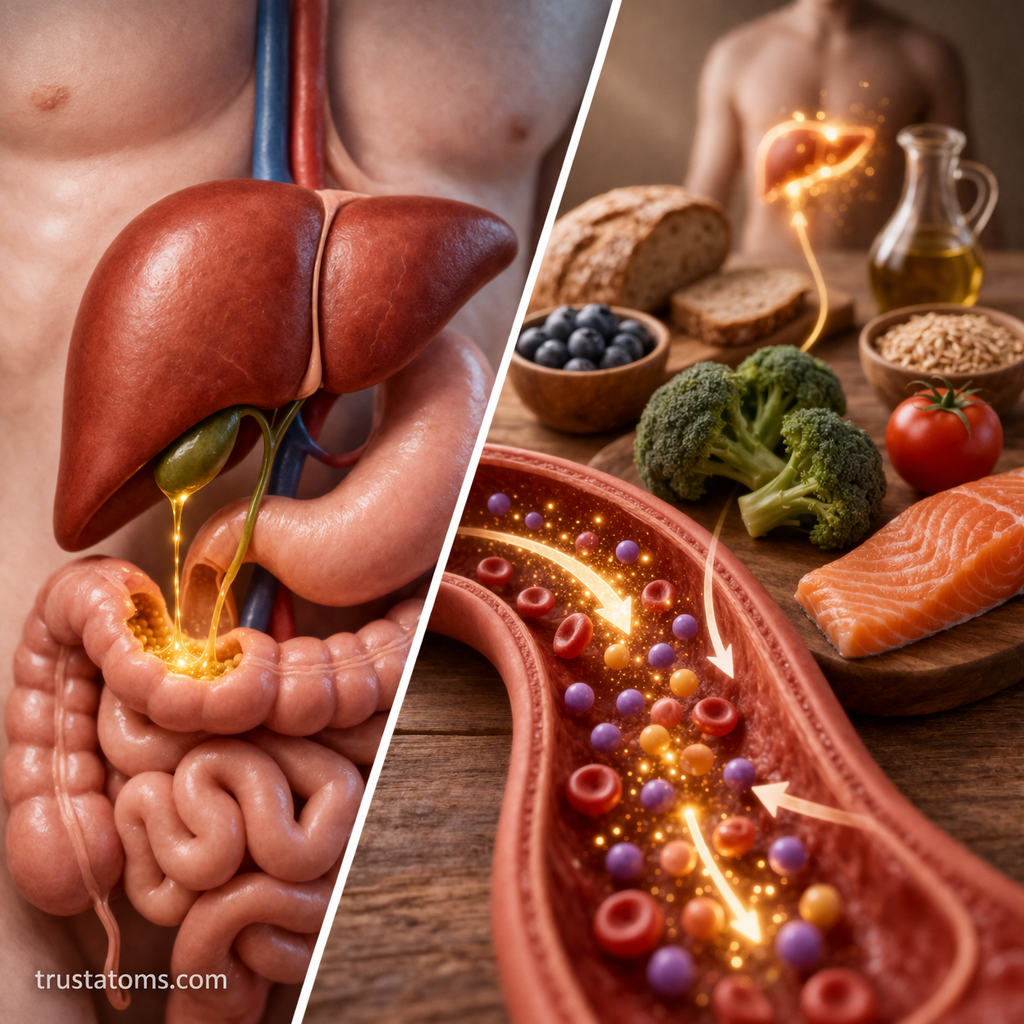
Although the liver does not directly break down food like the stomach or pancreas, it plays a vital supporting role.
Bile Production
The liver produces bile, a digestive fluid that helps break down fats.
Functions of Bile:
- Emulsifies fats into smaller droplets
- Increases surface area for enzyme action
- Aids in the absorption of fat-soluble vitamins (A, D, E, K)
Bile is stored in the gallbladder and released into the small intestine when needed.
Liver Function in Metabolism
The liver is central to metabolism—the process by which the body converts food into energy and building materials.
Carbohydrate Metabolism
- Converts excess glucose into glycogen (storage form)
- Releases glucose when blood sugar levels are low
- Helps maintain stable blood sugar levels
Protein Metabolism
- Processes amino acids
- Removes nitrogen to form urea (waste product)
- Synthesizes important proteins like albumin
Fat Metabolism
- Breaks down fatty acids for energy
- Produces cholesterol and lipoproteins
- Converts excess carbohydrates and proteins into fat for storage
Detoxification and Waste Processing
One of the liver’s most critical roles is filtering and detoxifying substances in the blood.
Detoxification Functions:
- Breaks down drugs, alcohol, and toxins
- Converts harmful substances into less toxic forms
- Prepares waste for excretion through urine or bile
Urea Formation:
- Converts ammonia (toxic) into urea (less harmful)
- Urea is then excreted by the kidneys
Storage Functions of the Liver
The liver acts as a storage center for essential nutrients.
Stored Substances:
- Glycogen (energy reserve)
- Vitamins (A, D, B12, and K)
- Minerals such as iron and copper
This storage allows the body to maintain balance during periods of fasting or increased demand.
Interaction with Other Digestive Organs
The liver works closely with other organs to support digestion.
Liver and Gallbladder
- Liver produces bile
- Gallbladder stores and concentrates bile
- Bile is released into the small intestine during digestion
Liver and Pancreas
- The pancreas produces digestive enzymes
- Bile and pancreatic juices work together in the duodenum
Liver and Small Intestine
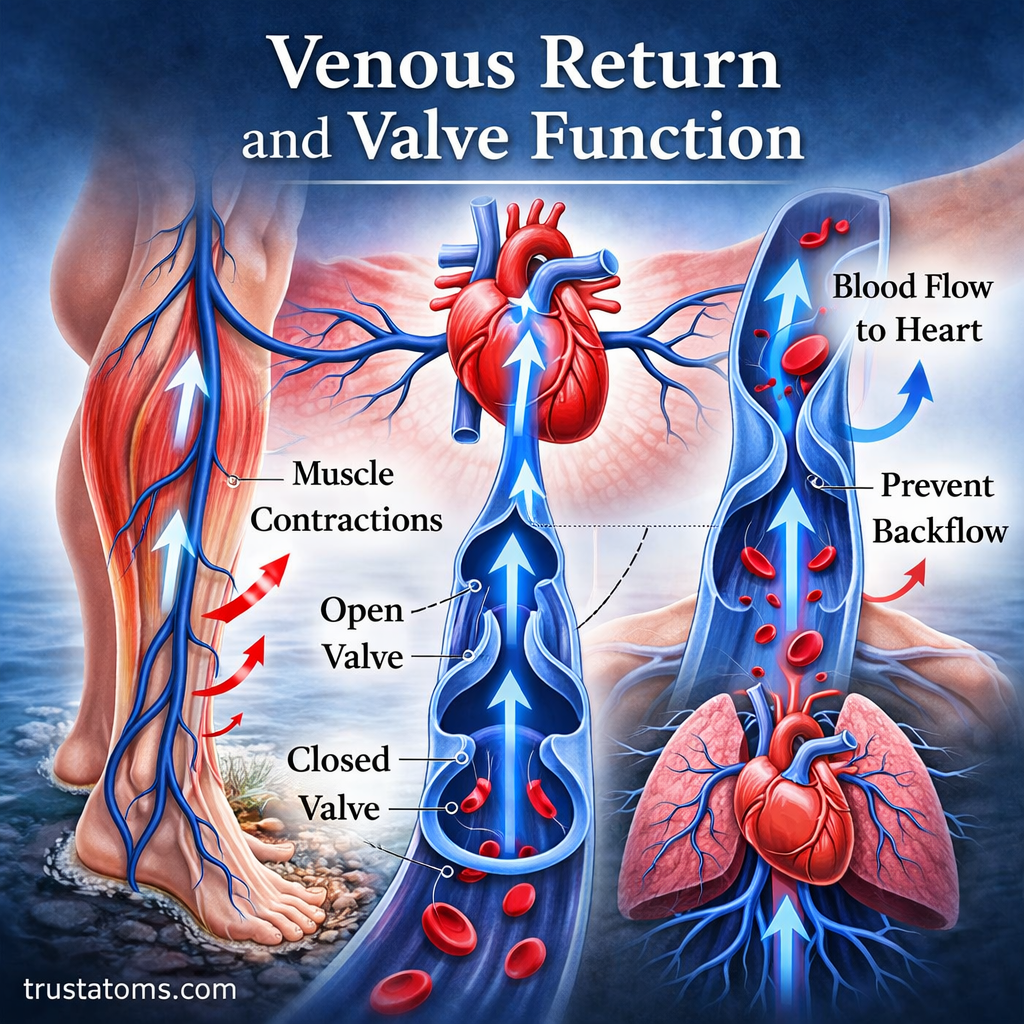
- Nutrients absorbed in the intestine travel to the liver via the hepatic portal vein
- The liver processes and distributes these nutrients
Blood Flow Through the Liver
The liver receives blood from two main sources:
- Hepatic artery: Supplies oxygen-rich blood
- Portal vein: Delivers nutrient-rich blood from the digestive tract
This dual blood supply allows the liver to process nutrients and filter toxins efficiently.
Why Liver Function Is Essential
The liver is critical for maintaining overall balance in the body.
It helps:
- Regulate energy supply
- Support digestion of fats
- Maintain stable blood chemistry
- Remove toxins and waste
- Store essential nutrients
Without proper liver function, multiple body systems would be affected.
Common Liver-Related Issues
Damage or dysfunction of the liver can impact both digestion and metabolism.
Examples Include:
- Fatty liver disease
- Hepatitis (inflammation of the liver)
- Cirrhosis (scarring of liver tissue)
These conditions can impair the liver’s ability to process nutrients and detoxify the body.
Key Takeaways
- The liver plays a vital role in both digestion and metabolism.
- It produces bile to help break down fats.
- It regulates carbohydrates, proteins, and fat metabolism.
- It detoxifies harmful substances and processes waste.
- It stores essential nutrients for future use.
The liver acts as a central control system that keeps the body’s internal environment stable and efficient.