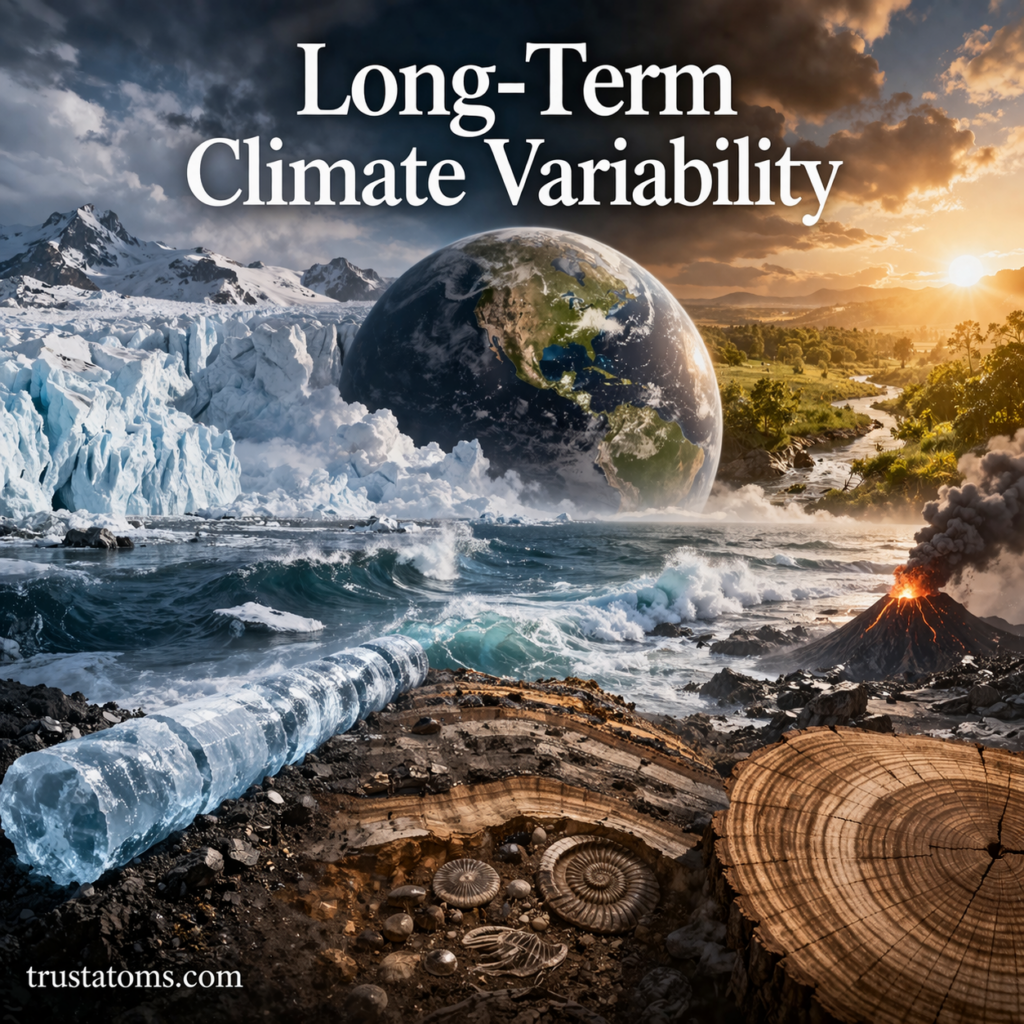
Earth’s climate is not static—it changes over time due to a combination of natural processes and external influences. Long-term climate variability refers to climate changes that occur over decades, centuries, or even millions of years.
These variations shape ice ages, warm periods, and shifts in ecosystems. Understanding them helps scientists distinguish between natural climate patterns and modern, human-driven changes.
What Is Long-Term Climate Variability?
Long-term climate variability involves persistent changes in climate conditions over extended periods.
Key Characteristics
- Occurs over decades to millions of years
- Driven primarily by natural processes
- Influences global temperature, precipitation, and atmospheric circulation
It is different from short-term weather fluctuations or seasonal changes.
Major Drivers of Long-Term Climate Variability
Several natural factors influence long-term climate patterns.
1. Orbital Changes (Milankovitch Cycles)
Earth’s movement around the Sun changes over time.
These cycles include:
- Eccentricity: Changes in the shape of Earth’s orbit
- Axial tilt: Variations in the angle of Earth’s axis
- Precession: Wobble in Earth’s rotation
Impact
- Alters how solar energy is distributed across the planet
- Drives glacial (ice age) and interglacial periods
2. Solar Variability
The Sun’s energy output can change over time.
- Includes solar cycles and long-term fluctuations
- Slightly affects global temperatures
While important, solar variability has a smaller impact compared to other long-term drivers.
3. Volcanic Activity
Large volcanic eruptions can influence climate.
- Release particles that reflect sunlight
- Cause temporary cooling
Repeated volcanic activity over long periods can contribute to broader climate patterns.
4. Plate Tectonics
The movement of Earth’s continents affects climate over millions of years.
Effects Include
- Changing ocean circulation patterns
- Altering atmospheric circulation
- Influencing the formation of mountain ranges
These changes can reshape global climate systems.
5. Ocean Circulation Changes
Oceans distribute heat around the planet.
Long-Term Variability Includes
- Shifts in major currents
- Changes in heat transport
- Alterations in salinity and density
These variations can influence global temperature and regional climates.
Ice Ages and Interglacial Periods
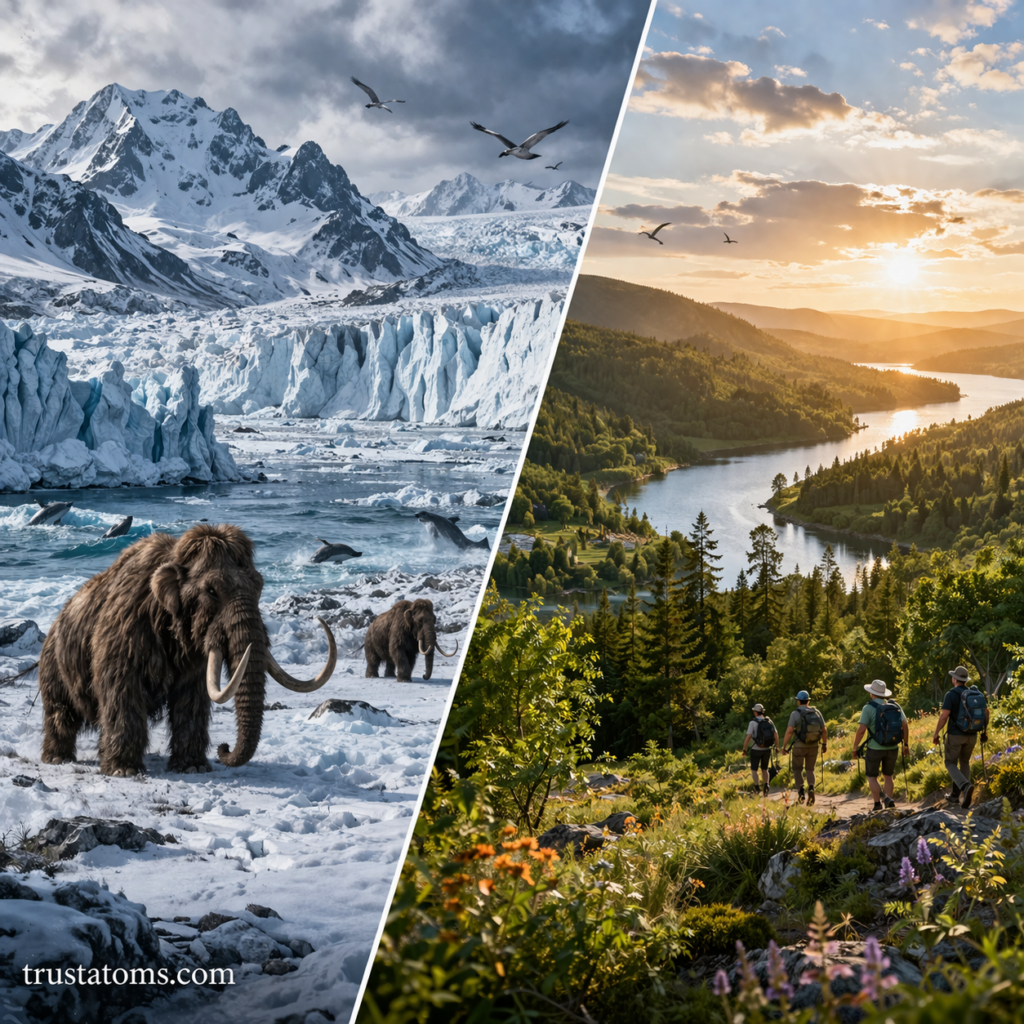
One of the most significant examples of long-term climate variability is the cycle of ice ages.
Ice Ages
- Periods of extensive global cooling
- Large ice sheets cover continents
Interglacial Periods
- Warmer periods between ice ages
- Ice retreats and ecosystems expand
These cycles are primarily driven by orbital changes and feedback mechanisms.
Climate Feedback Mechanisms
Feedback loops play a major role in amplifying or reducing climate changes.
Positive Feedback
- Enhances initial changes
- Example: Ice melting reduces albedo, leading to more warming
Negative Feedback
- Counteracts changes
- Example: Increased cloud cover reflecting sunlight
Feedback mechanisms help determine the intensity and duration of climate shifts.
Evidence of Long-Term Climate Changes
Scientists use various methods to study past climate conditions.
Ice Cores
- Contain trapped air bubbles
- Reveal historical CO₂ levels and temperatures
Tree Rings
- Show growth patterns influenced by climate
- Provide yearly climate records
Sediment Layers
- Found in oceans and lakes
- Indicate past environmental conditions
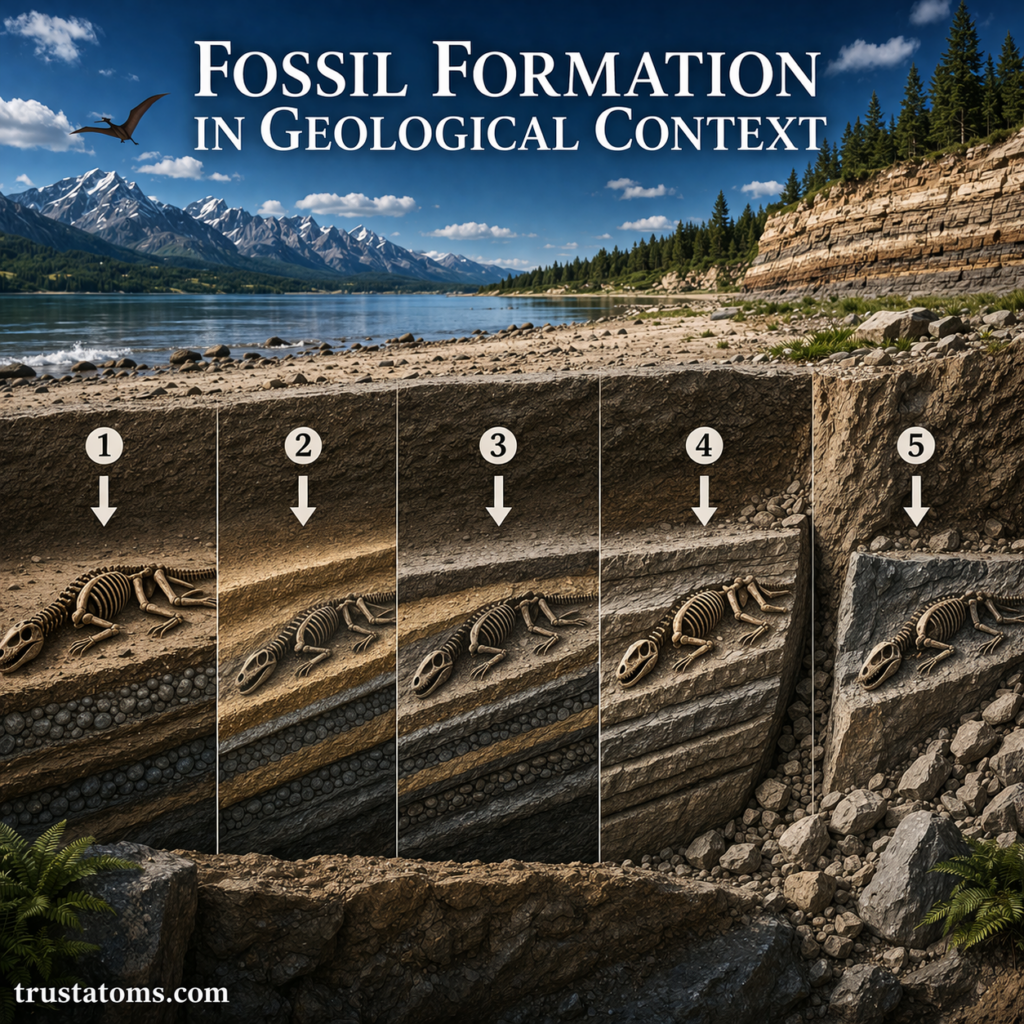
Fossils
- Show how species adapted to past climates
- Provide clues about temperature and ecosystems
Natural Variability vs Modern Climate Change
Understanding long-term variability helps put current climate change into context.
Key Differences
- Natural changes occur over long timescales
- Current warming is happening rapidly (over decades)
Important Insight
- Modern climate change is occurring faster than most natural variations
- Human activities are the primary driver of recent changes
Impacts of Long-Term Climate Variability
Over time, climate variability shapes Earth’s environment.
Environmental Impacts
- Changes in ecosystems and biodiversity
- Shifts in vegetation zones
- Altered ocean and atmospheric circulation
Geological Impacts
- Glacial erosion and landscape formation
- Sea level changes over time
These processes have shaped the planet we see today.
Why Long-Term Climate Variability Matters
Studying long-term climate trends helps scientists:
- Understand natural climate cycles
- Improve climate models
- Predict future climate scenarios
- Distinguish human impacts from natural changes
It provides a broader perspective on how Earth’s climate system works.
Key Takeaways
- Long-term climate variability occurs over decades to millions of years
- Driven by factors like orbital changes, tectonics, and ocean circulation
- Ice ages and interglacial periods are major examples
- Climate feedbacks amplify or regulate changes
- Modern climate change is faster and largely human-driven
Conclusion
Long-term climate variability is a fundamental aspect of Earth’s history. From ice ages to warm periods, natural processes have shaped the planet over millions of years.
By studying these patterns, scientists gain valuable insights into how the climate system operates—and how current human activities are altering it at an unprecedented pace.