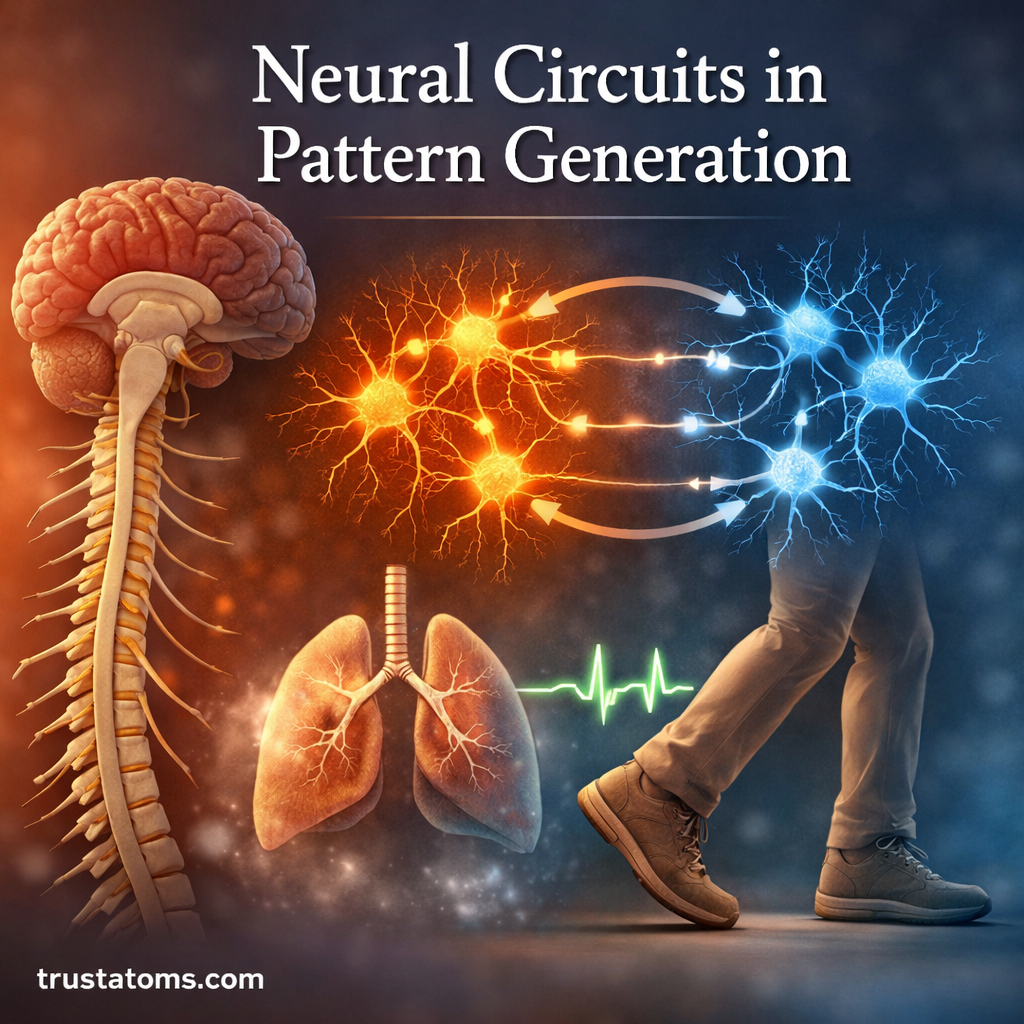
Neural circuits are the foundation of how the nervous system produces coordinated, repeatable actions. From walking and breathing to chewing and blinking, many of our everyday movements rely on built-in neural patterns that operate automatically.
At the center of this process are pattern-generating circuits, specialized networks of neurons that can produce rhythmic or repetitive outputs without requiring constant conscious control.
What Are Neural Circuits?
A neural circuit is a group of interconnected neurons that work together to process information and generate responses.
These circuits can:
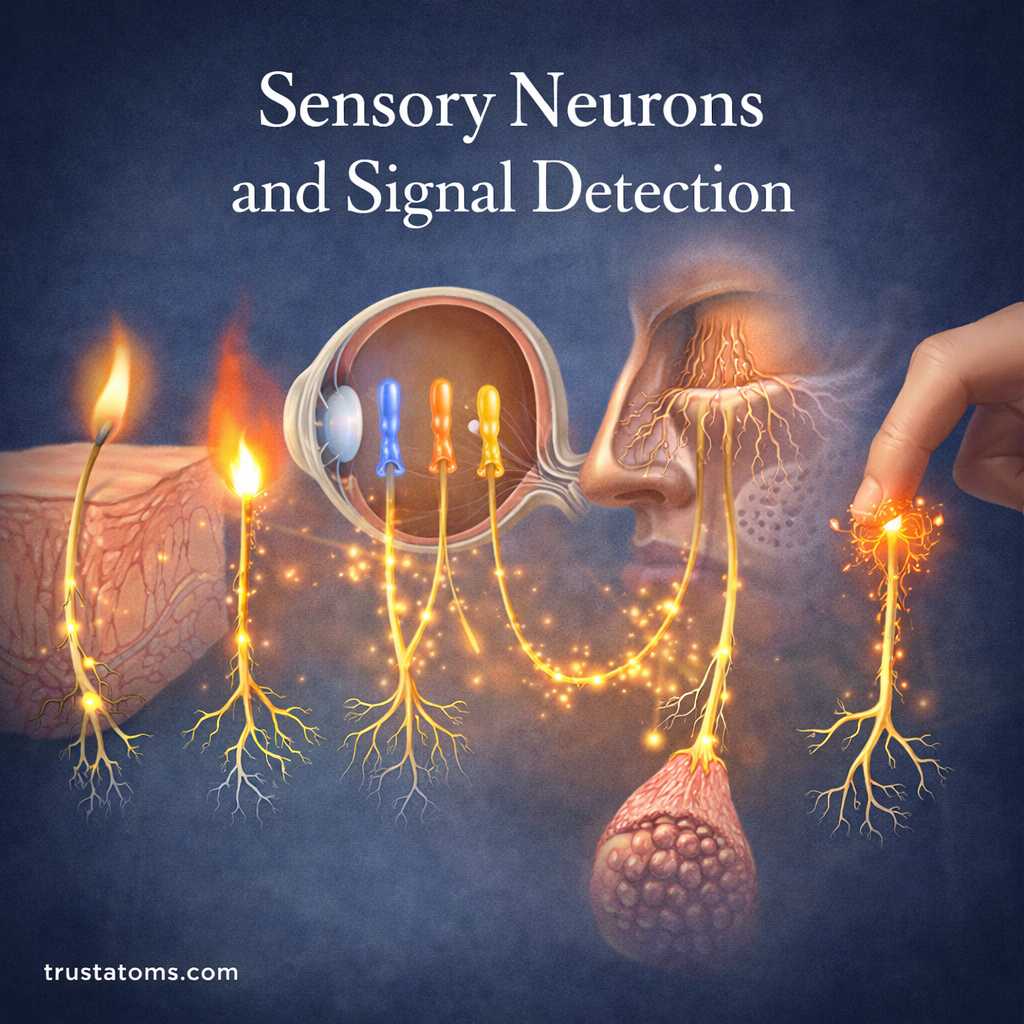
- Receive sensory input
- Process signals through interneurons
- Send outputs via motor neurons
- Adjust activity based on feedback
Neural circuits range from simple reflex loops to highly complex networks in the brain and spinal cord.
Understanding Pattern Generation
Pattern generation refers to the ability of certain neural circuits to produce repetitive, rhythmic activity.
These patterns are essential for:
- Walking or running
- Breathing cycles
- Heart rate regulation (via autonomic control)
- Chewing and swallowing
- Repetitive hand or finger movements
What makes this remarkable is that these actions can continue even without continuous input from the brain.
Central Pattern Generators (CPGs)
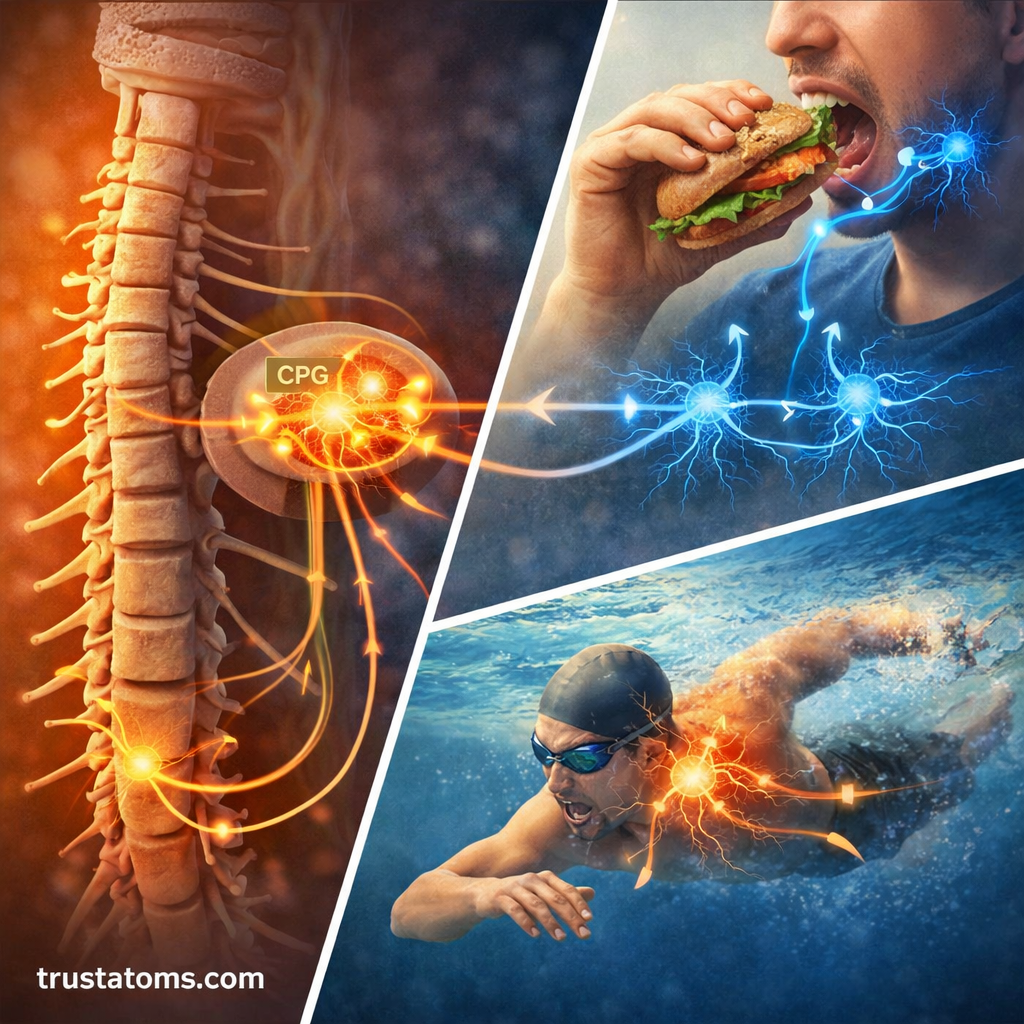
The most important concept in this topic is the Central Pattern Generator (CPG).
CPGs are neural circuits that:
- Produce rhythmic outputs independently
- Operate without sensory input (though input can modify them)
- Are typically located in the spinal cord or brainstem
Examples of CPG-Controlled Activities
- Locomotion (walking, running)
- Breathing rhythms
- Swimming in aquatic animals
- Rhythmic chewing
For example, when you walk, your spinal cord contains circuits that automatically coordinate alternating leg movements.
How Neural Circuits Generate Patterns
Pattern generation relies on specific properties of neurons and their connections.
1. Intrinsic Neuronal Activity
Some neurons can fire rhythmic signals on their own due to built-in electrical properties.
2. Reciprocal Inhibition
Two groups of neurons inhibit each other in alternating cycles.
- When one group is active, it suppresses the other
- This creates an alternating rhythm (e.g., left vs. right leg movement)
3. Feedback Loops
Although CPGs can function independently, sensory feedback helps refine movement.
- Muscle stretch receptors adjust timing
- Touch and pressure signals improve coordination
4. Synaptic Connectivity
The strength and timing of connections between neurons shape the final pattern.
Role of the Spinal Cord and Brainstem
Different parts of the nervous system contribute to pattern generation.
Spinal Cord
- Houses many locomotion-related CPGs
- Coordinates limb movement
- Can generate basic walking patterns even without brain input
Brainstem
- Controls vital rhythmic functions
- Regulates breathing and swallowing
- Integrates automatic and voluntary control
Interaction Between Voluntary and Automatic Control
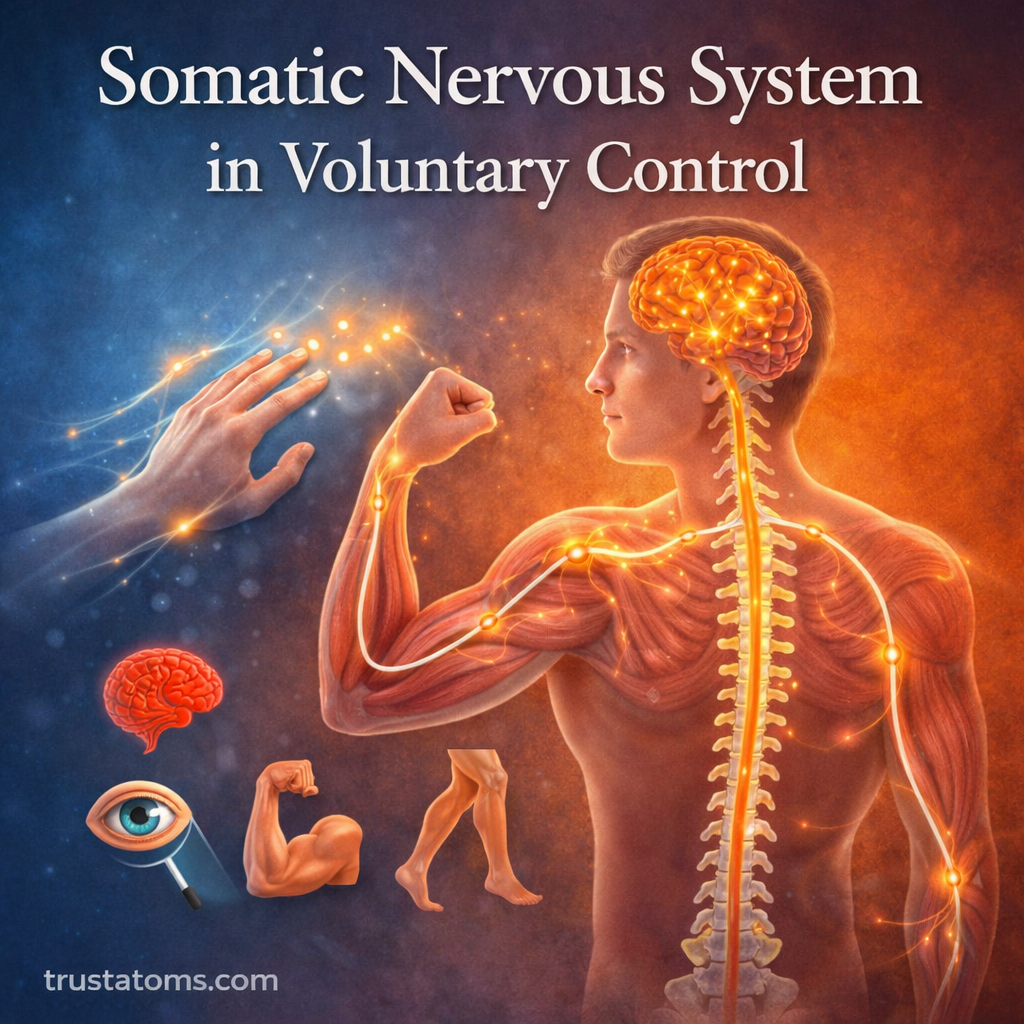
Even though pattern generation is automatic, it can be influenced by conscious decisions.
For example:
- You can choose to start or stop walking
- You can change your walking speed or direction
- You can hold your breath temporarily
This shows how higher brain centers (like the cortex) interact with lower-level neural circuits.
Adaptability and Learning
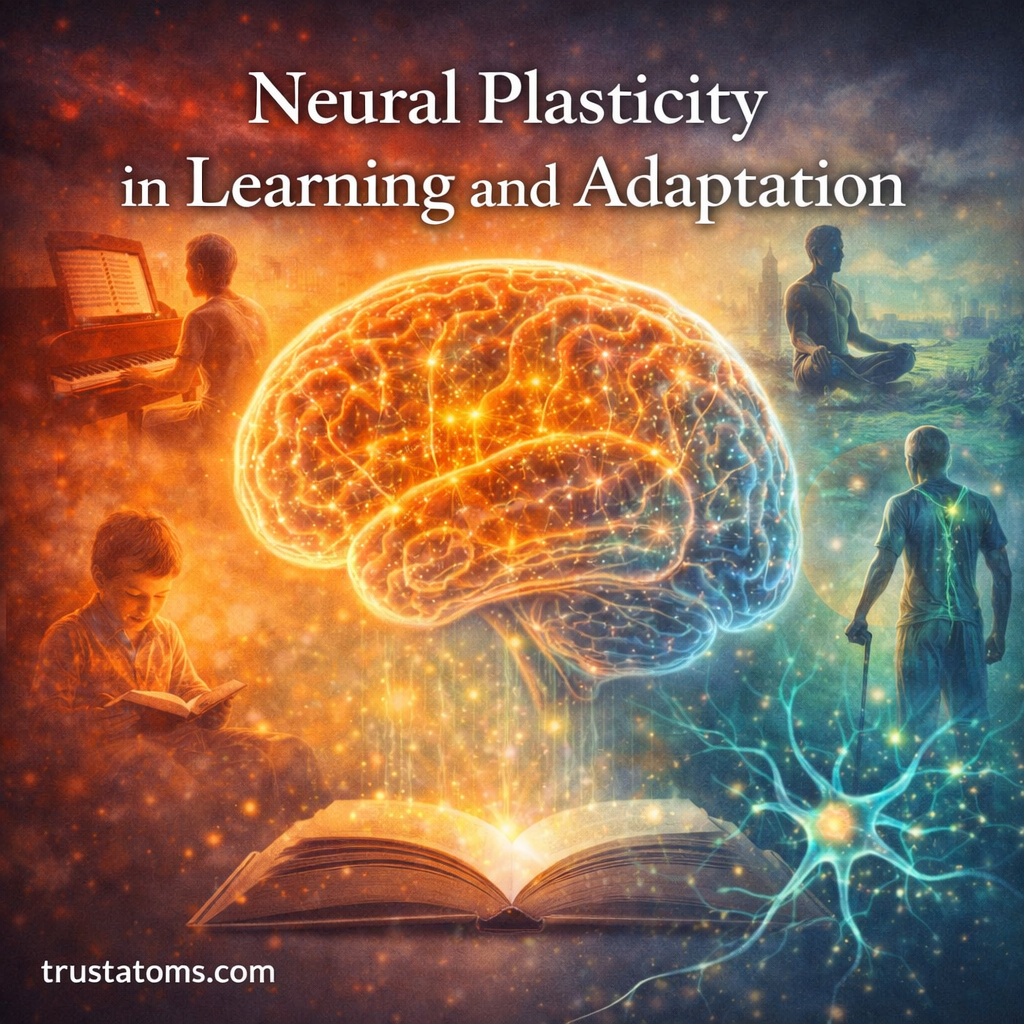
Neural circuits involved in pattern generation are not fixed—they can adapt.
Neuroplasticity in Pattern Generation
- Circuits can strengthen with repetition
- Skills like running or playing an instrument improve over time
- Injured circuits can sometimes be retrained
This adaptability is critical in rehabilitation, especially after spinal cord injuries or neurological disorders.
Clinical Significance
Understanding neural circuits in pattern generation has important medical applications.
Rehabilitation and Recovery
- Helps design therapies for spinal cord injury patients
- Supports gait training and mobility recovery
Neurological Disorders
Disruptions in pattern-generating circuits can lead to:
- Parkinson’s disease (impaired movement rhythms)
- Spinal cord injuries (loss of locomotion patterns)
- Breathing irregularities
Prosthetics and Robotics
- Inspires bioengineered movement systems
- Helps develop robotic limbs that mimic natural motion
Key Takeaways
- Neural circuits are networks of neurons that process and generate signals
- Pattern generation allows for automatic, rhythmic activities
- Central Pattern Generators (CPGs) produce these rhythms without constant brain input
- The spinal cord and brainstem play major roles in these processes
- These circuits are adaptable and clinically important for recovery and treatment
Final Thoughts
Neural circuits in pattern generation highlight one of the most efficient features of the human body: the ability to automate complex, repetitive tasks. Without these systems, even simple actions like walking or breathing would require constant conscious effort.
By studying these circuits, scientists continue to unlock new ways to improve rehabilitation, enhance human-machine interfaces, and better understand how the nervous system maintains balance between control and automation.