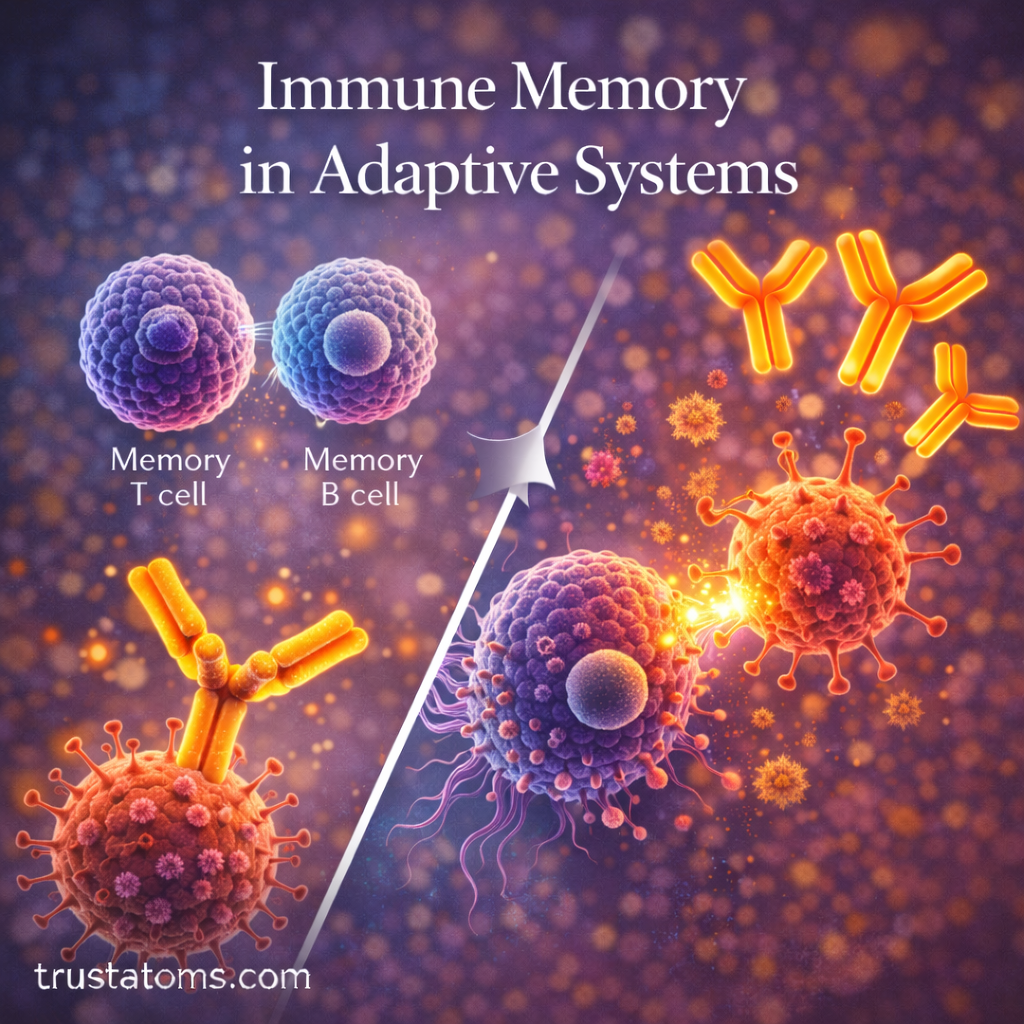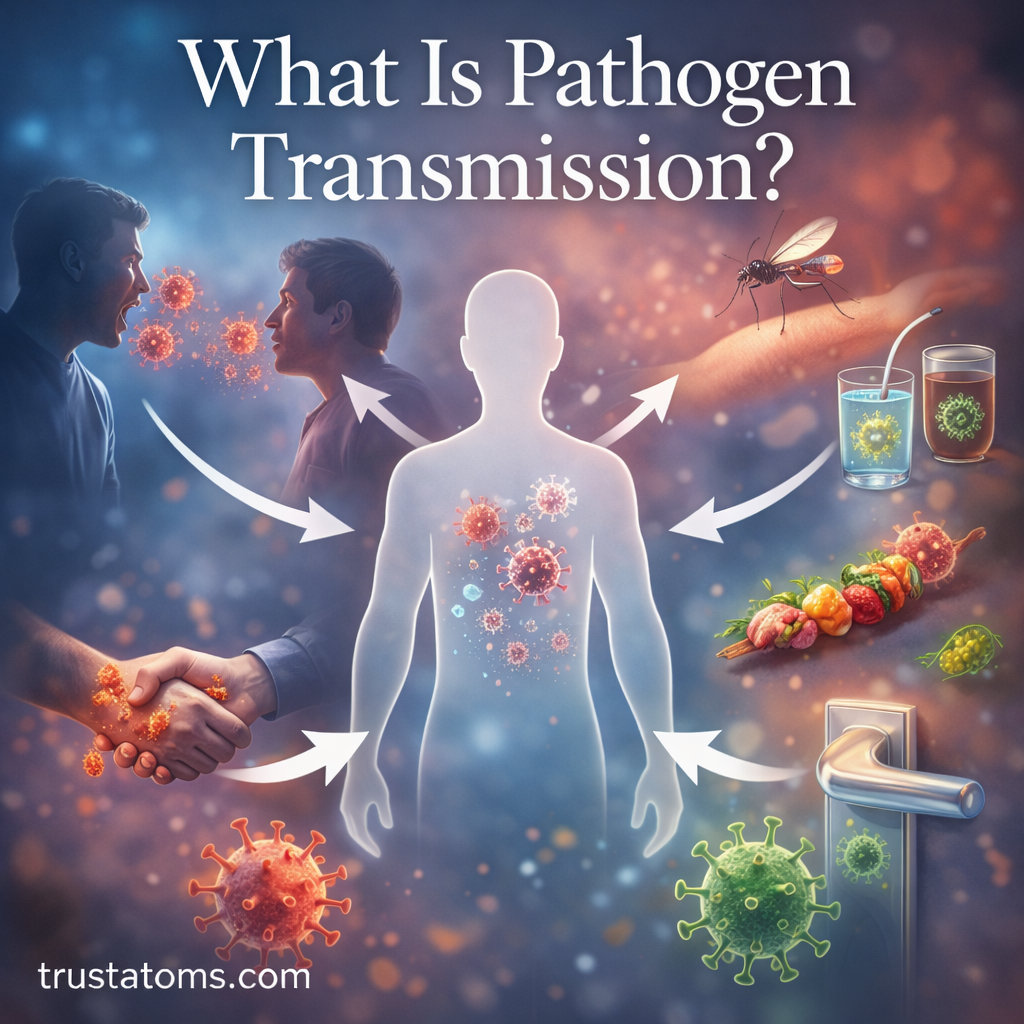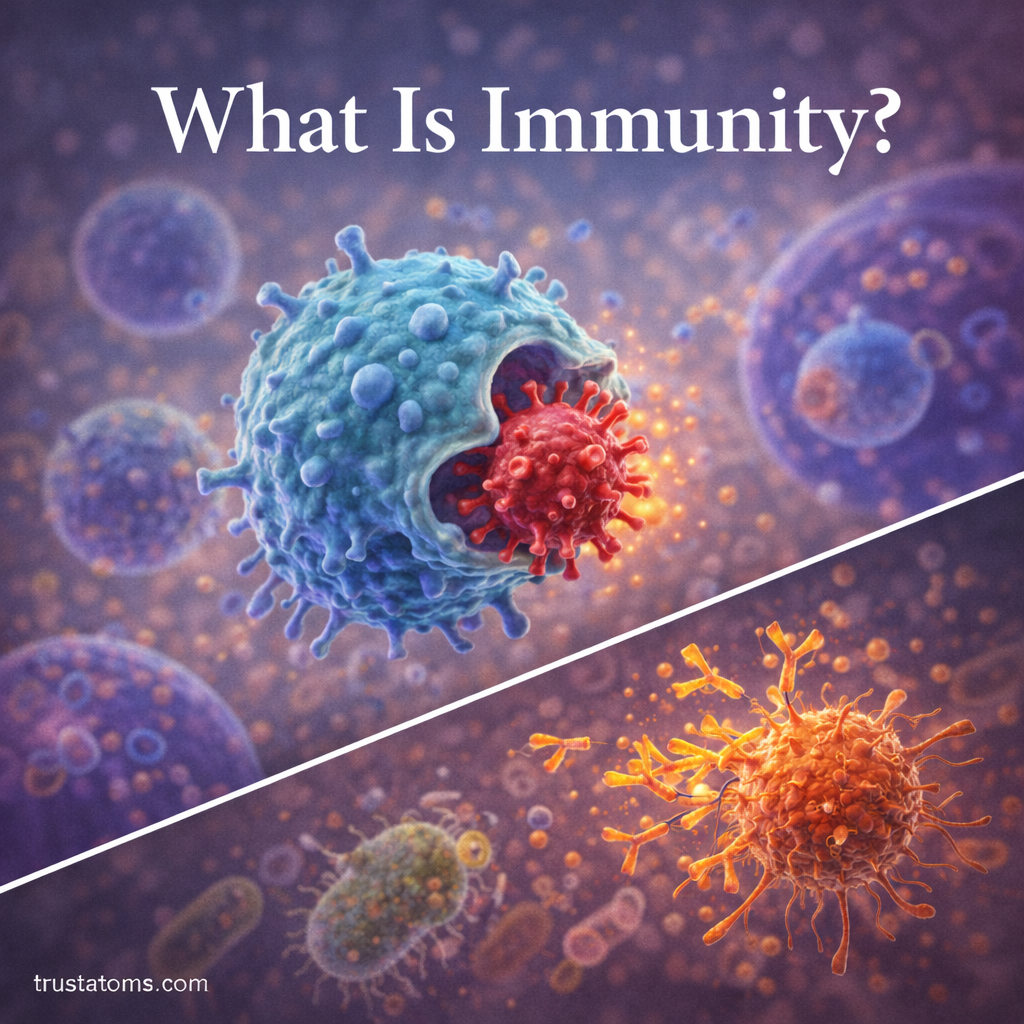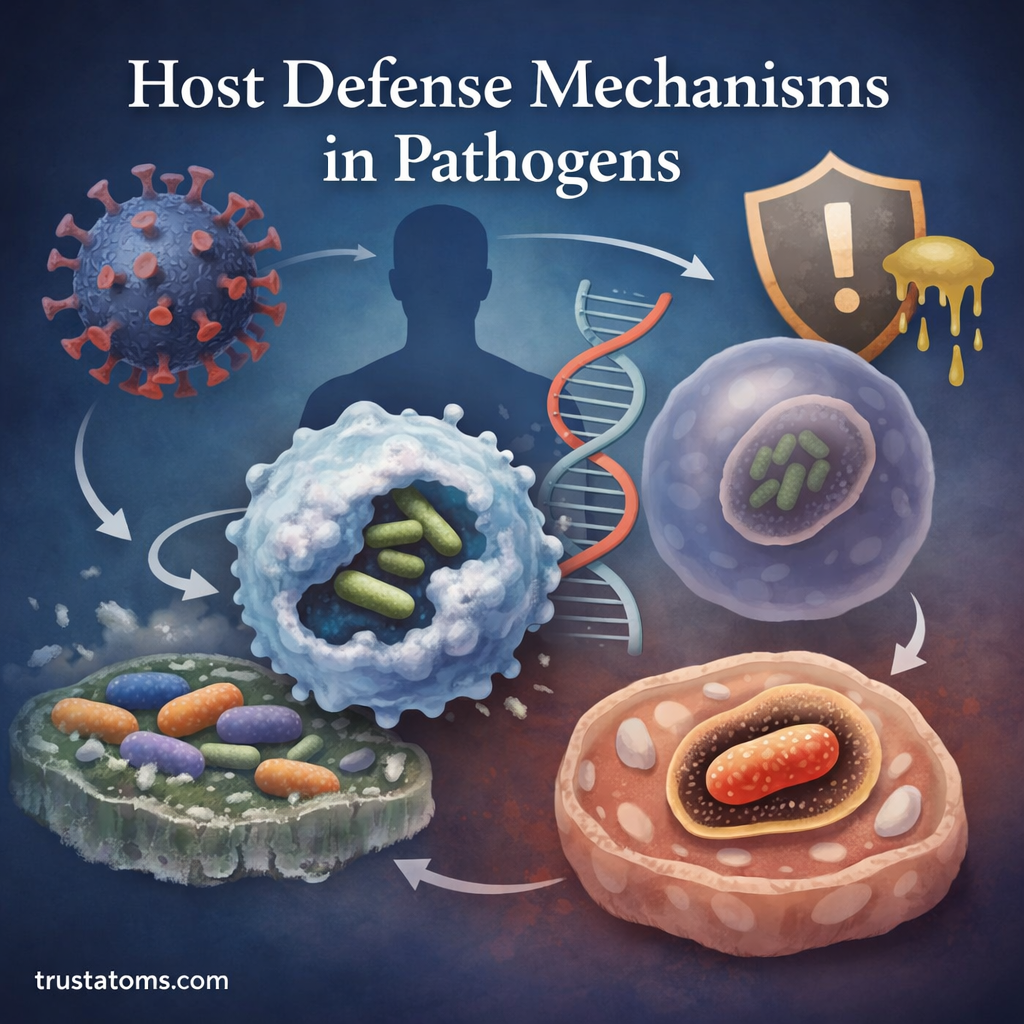
Pathogens such as bacteria, viruses, fungi, and parasites constantly face attacks from the immune systems of the organisms they infect. To survive, replicate, and spread, these microorganisms have evolved host defense mechanisms that allow them to evade, resist, or manipulate the immune responses of their hosts.
These strategies are the result of long-term evolutionary competition between pathogens and host immune systems. While hosts develop stronger defenses, pathogens simultaneously evolve ways to overcome them. Understanding these mechanisms is important in biology, medicine, and epidemiology because they explain how infections persist and why some diseases are difficult to treat.
This article explores the major ways pathogens defend themselves against host immune responses and how these strategies influence disease progression.
Continue reading “Host Defense Mechanisms in Pathogens”