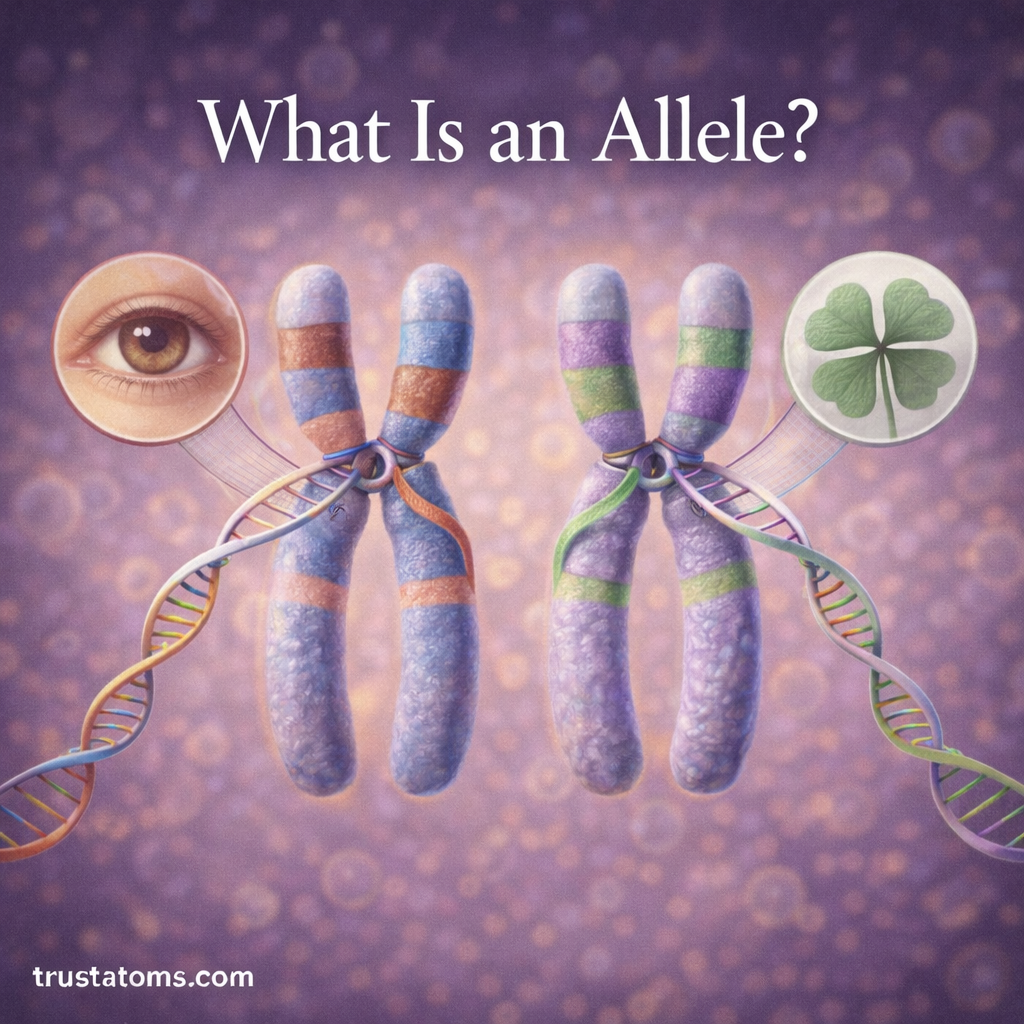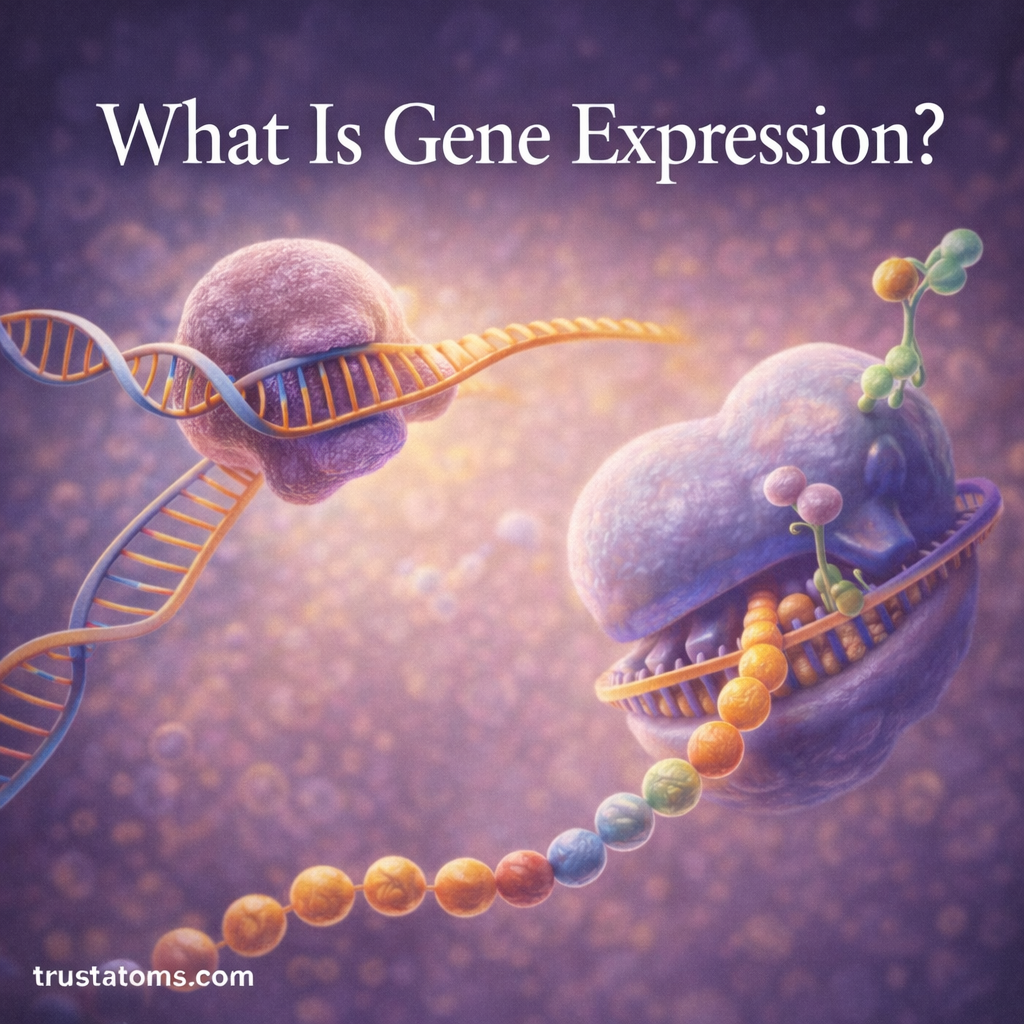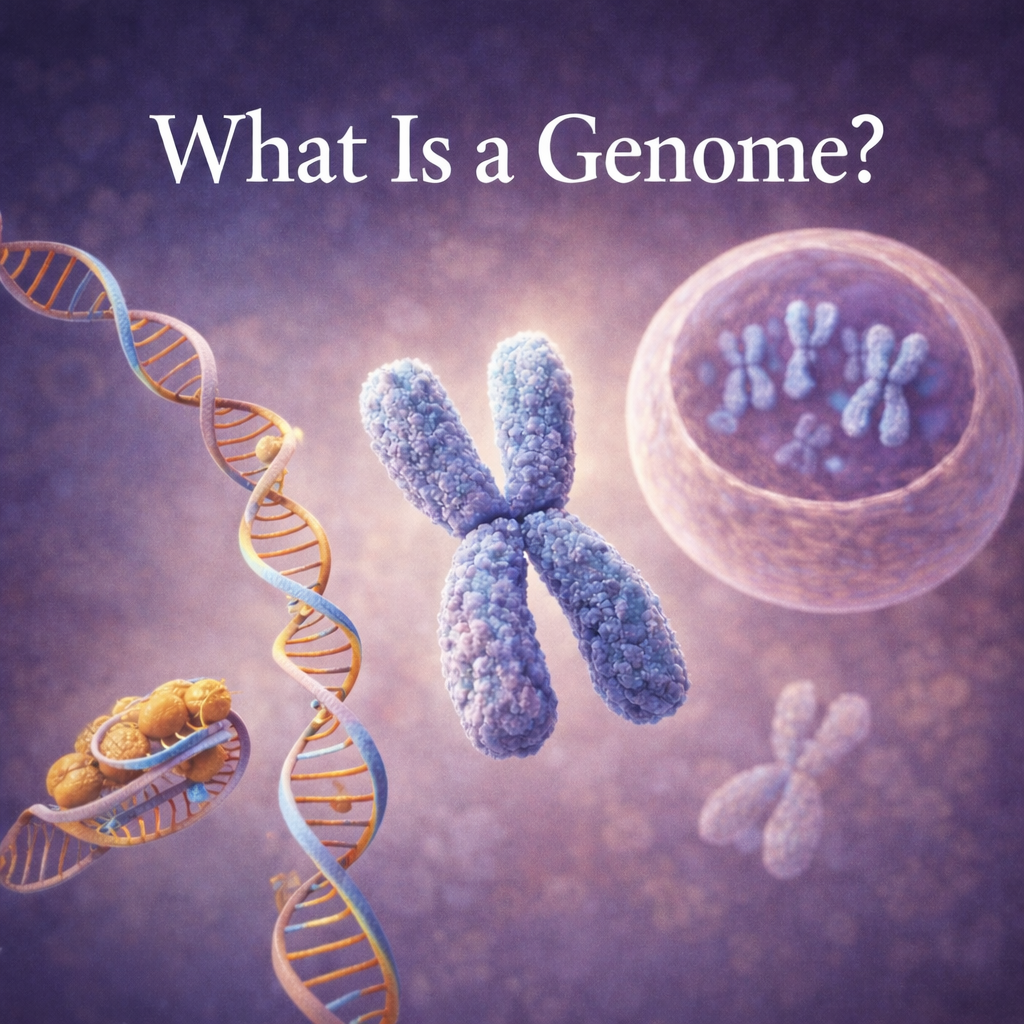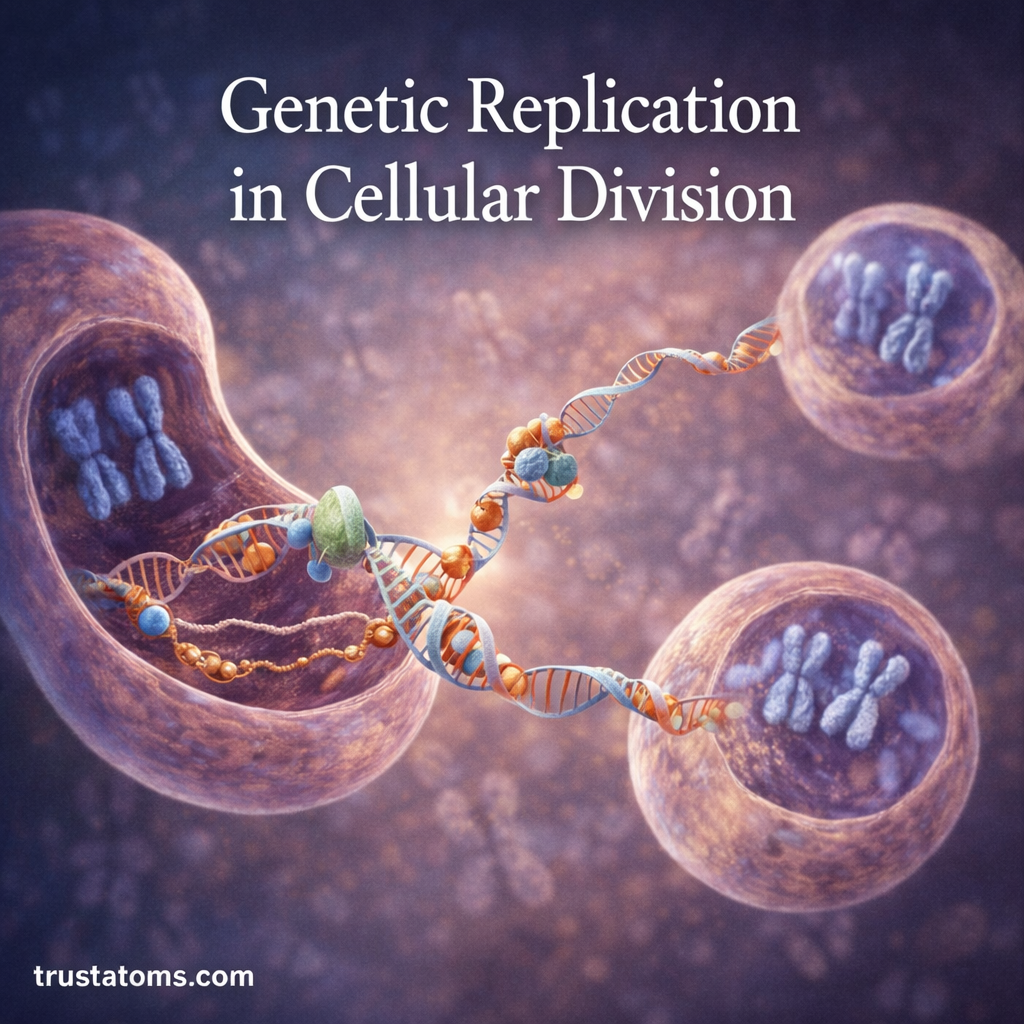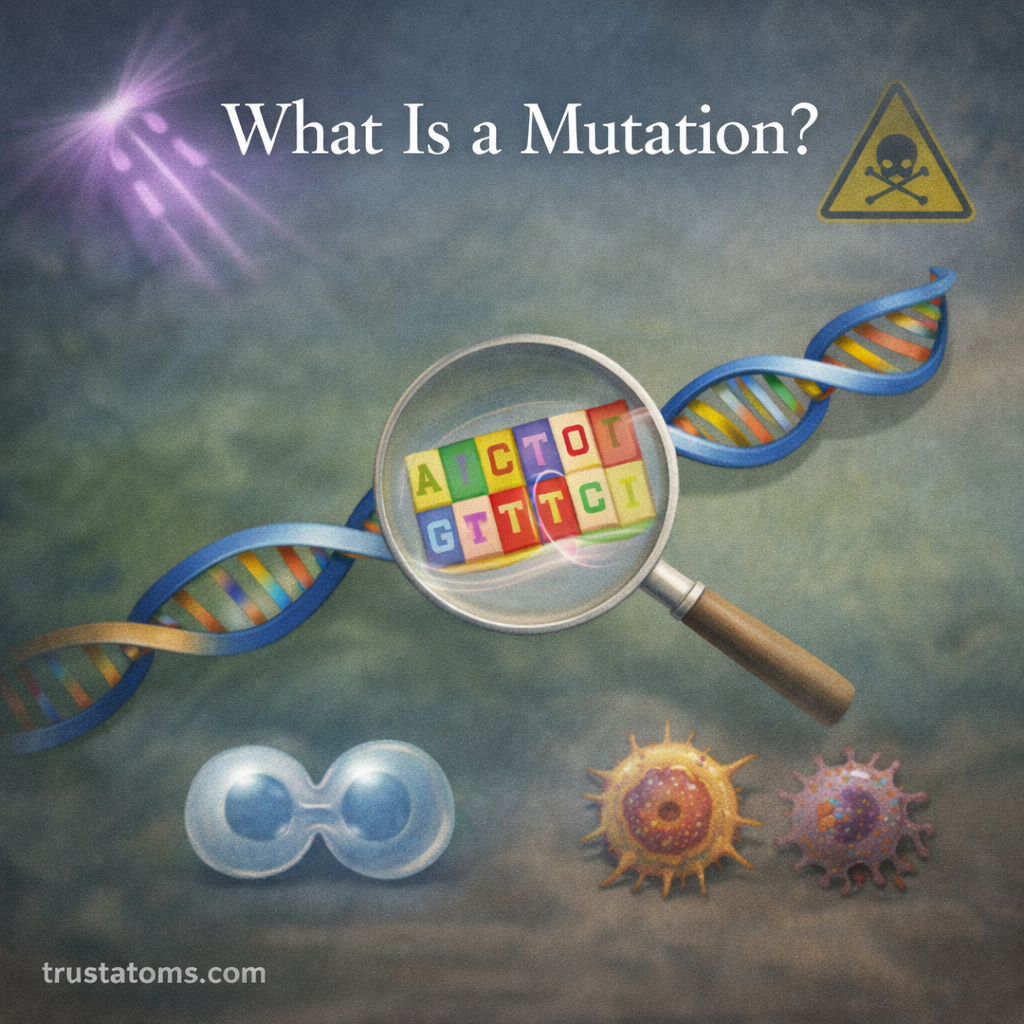
A mutation is a change in the DNA sequence of an organism. DNA contains the genetic instructions that guide how cells grow, function, and reproduce. When a mutation occurs, the sequence of genetic information is altered, which can affect how a gene works.
Mutations can happen naturally during cell division or be triggered by environmental factors such as radiation, chemicals, or viruses. While some mutations can lead to diseases or genetic disorders, many have little or no effect on an organism.
In fact, mutations play an important role in biological diversity and evolution. They introduce new genetic variations that can be passed down through generations.
Continue reading “What Is a Mutation?”