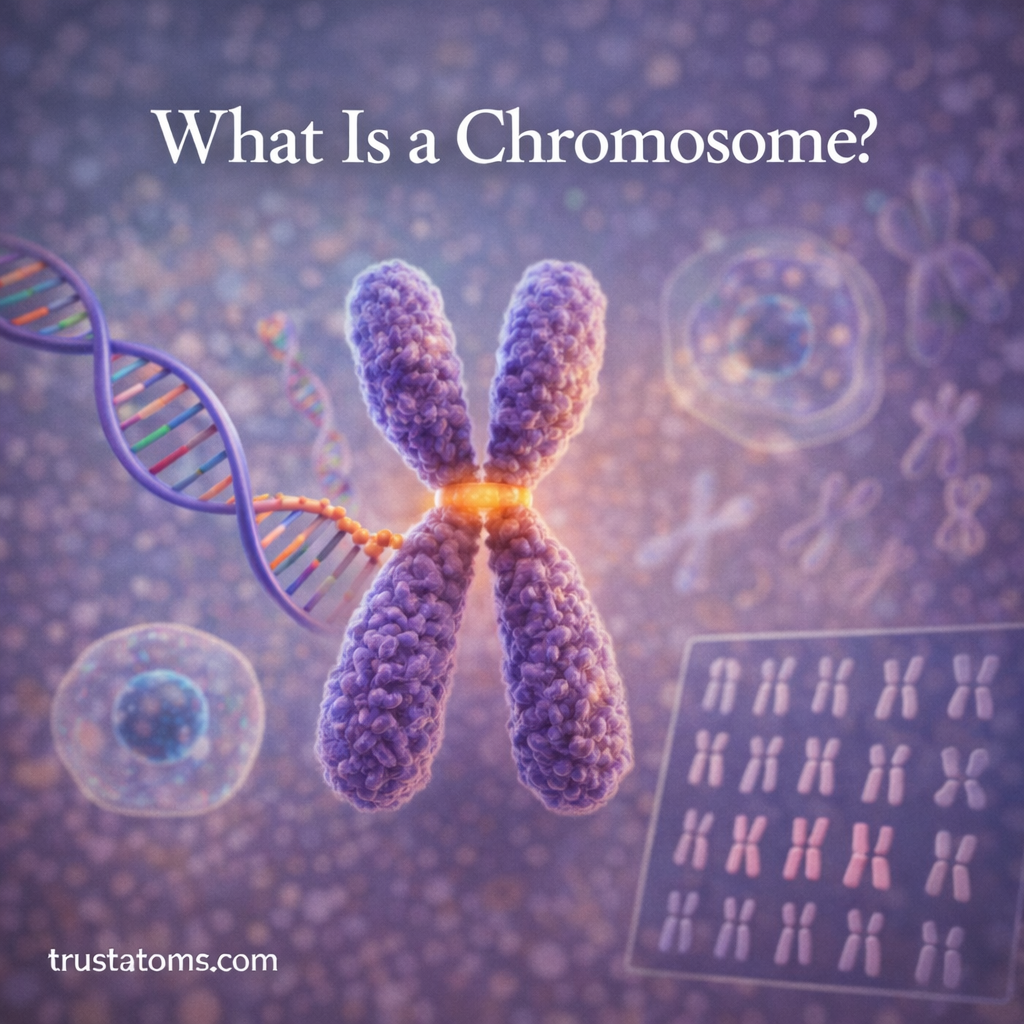
What Is a Chromosome?

Scientific illustration showing a chromosome structure with DNA wrapped around proteins and genetic material inside a cell nucleus.
Illustration showing a chromosome structure formed from tightly coiled DNA and proteins that store genetic information inside cells. trustatoms.com

Chromosomes are structures inside cells that carry genetic information. They are made of DNA and proteins and contain the genes that determine how organisms develop, function, and reproduce.

Every living organism—from single-celled bacteria to complex animals—relies on chromosomes to store and organize genetic instructions. These structures ensure that DNA is accurately copied and distributed when cells divide.

Understanding chromosomes is essential for studying genetics, heredity, cell biology, and many aspects of modern medicine.

Continue reading “What Is a Chromosome?”
What Is a Gene?

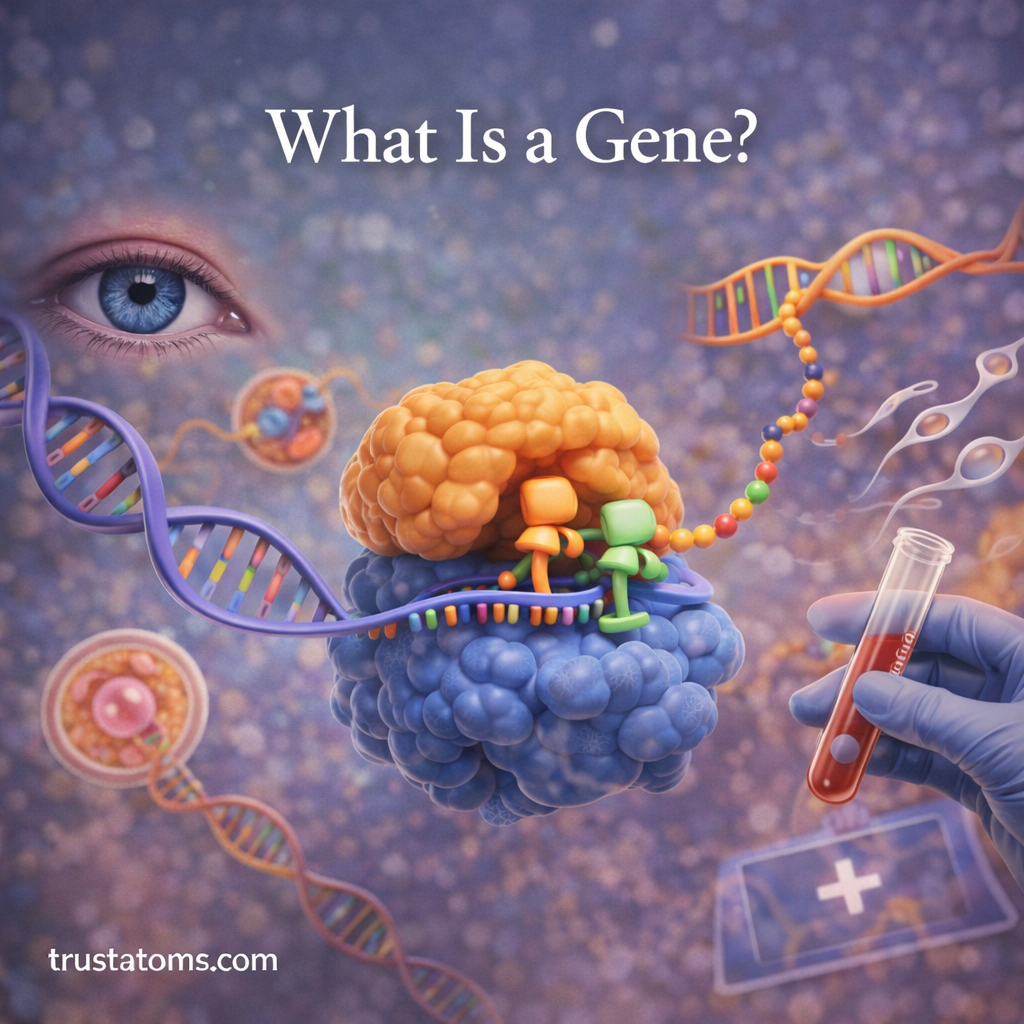
Scientific illustration explaining what a gene is, showing DNA strands, gene sequences, and protein synthesis inside a cell.
Illustration showing how genes within DNA contain instructions that guide protein production and influence biological traits. trustatoms.com

Genes are the fundamental units of heredity that carry the instructions for building and maintaining living organisms. These instructions are encoded within DNA and passed from parents to offspring through reproduction.

Every living organism—from bacteria to humans—contains genes that guide biological processes such as growth, development, metabolism, and reproduction. By controlling the production of proteins and other molecules, genes help determine how cells function and how traits appear in organisms.

Understanding what a gene is and how it works provides insight into genetics, evolution, health, and modern biotechnology.

Continue reading “What Is a Gene?”

Ribosome Structure and Function

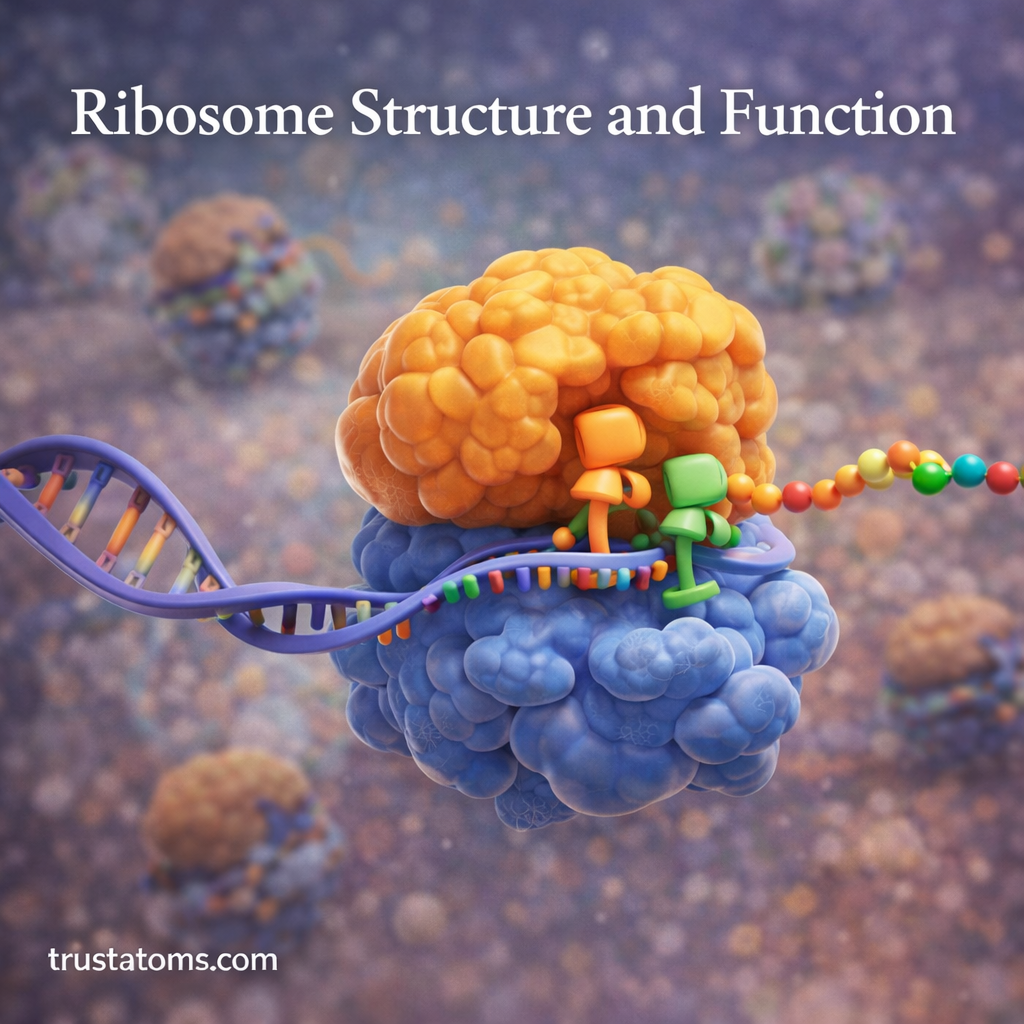
Scientific illustration of a ribosome translating messenger RNA with transfer RNA delivering amino acids during protein synthesis.
Illustration showing the ribosome translating mRNA while transfer RNA molecules deliver amino acids to build a growing protein chain. trustatoms.com

Ribosomes are essential molecular machines found in all living cells. Their primary role is to build proteins by translating genetic information from messenger RNA (mRNA) into chains of amino acids. Because proteins perform most of the work inside cells—such as catalyzing reactions, transporting molecules, and forming structural components—ribosomes play a central role in sustaining life.

Ribosomes operate through a highly coordinated process involving RNA molecules, proteins, and various translation factors. Understanding ribosome structure and function helps scientists explain how genetic information becomes functional proteins and how cellular systems maintain efficient protein production.

Continue reading “Ribosome Structure and Function”

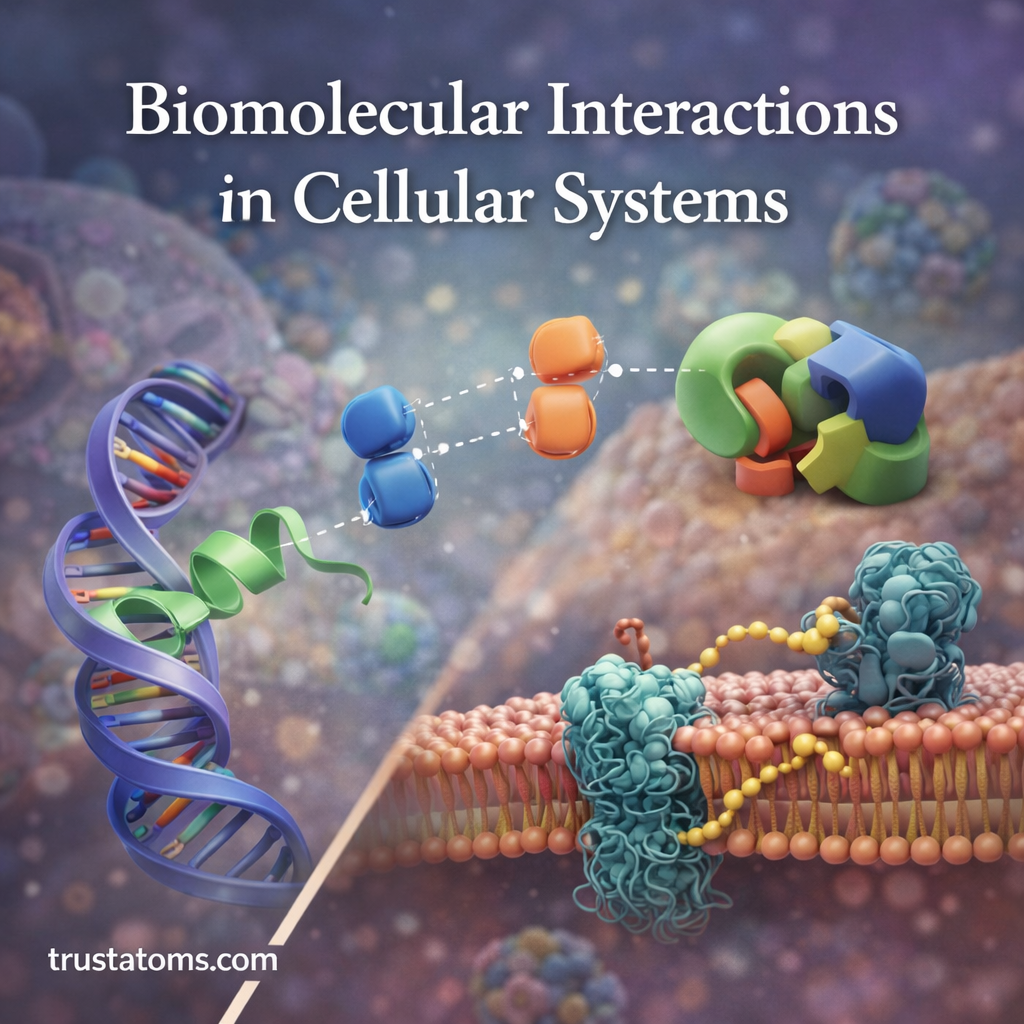
Biomolecular Interactions in Cellular Systems

Scientific illustration showing biomolecular interactions in cellular systems including proteins, DNA, enzymes, and cell membrane signaling.
Illustration depicting how proteins, DNA, enzymes, and cellular membranes interact within complex biomolecular systems inside living cells. trustatoms.com

Cells function as highly organized molecular environments where thousands of biological molecules constantly interact. These interactions allow cells to carry out essential processes such as metabolism, communication, growth, and repair.

Biomolecular interactions refer to the chemical and physical associations between molecules such as proteins, DNA, RNA, lipids, carbohydrates, and small metabolites. These interactions form the foundation of cellular systems and enable biological processes to occur in a coordinated and controlled way.

Understanding how biomolecules interact helps scientists explain how cells function, how diseases develop, and how targeted treatments can be designed.

Continue reading “Biomolecular Interactions in Cellular Systems”

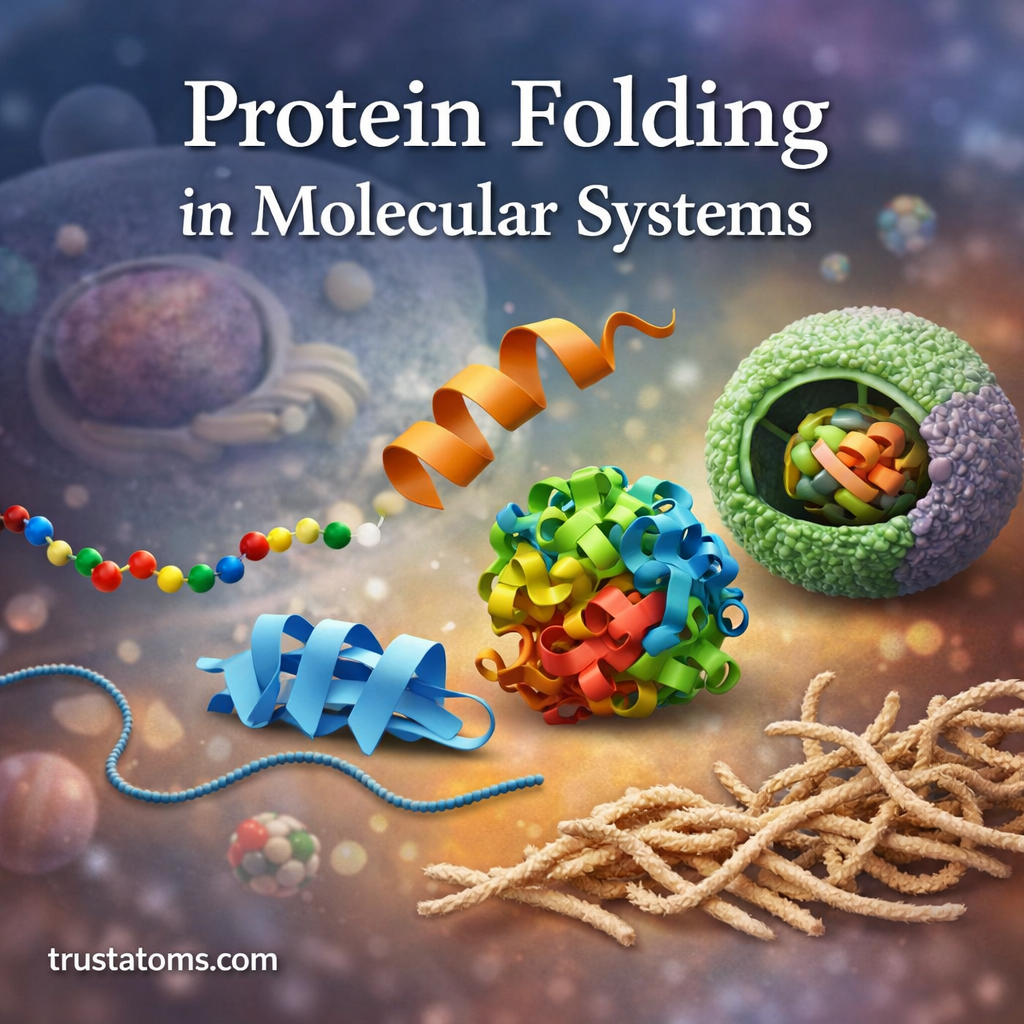
Protein Folding in Molecular Systems

Illustration showing the concept of protein folding in molecular systems with a polypeptide chain forming structured protein shapes and molecular components.
Illustration representing how amino acid chains fold into functional three-dimensional protein structures within molecular systems. trustatoms.com

Proteins are essential biological molecules responsible for countless processes inside living cells. From catalyzing chemical reactions to transporting oxygen and supporting cellular structure, proteins perform their functions based largely on their shape.

Protein folding is the biological process in which a newly synthesized chain of amino acids folds into a specific three-dimensional structure. This folding process is critical because the function of a protein depends on its final shape.

In molecular systems, protein folding is guided by chemical interactions between amino acids, environmental conditions within the cell, and specialized helper molecules. Understanding protein folding helps scientists study diseases, drug design, and the fundamental mechanics of life itself.

Continue reading “Protein Folding in Molecular Systems”

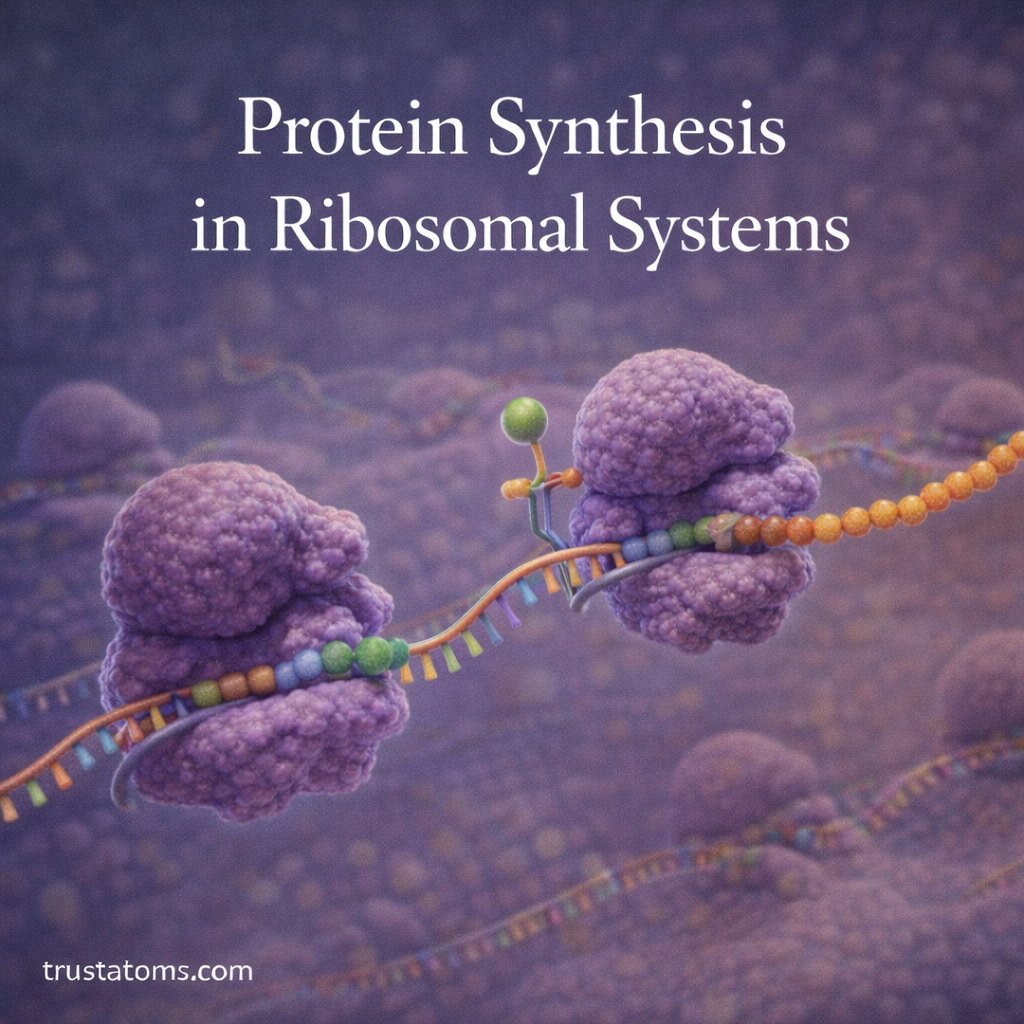
Protein Synthesis in Ribosomal Systems

Illustration showing ribosomes translating mRNA and forming a chain of amino acids during protein synthesis.
A biological illustration showing ribosomes translating mRNA into a growing chain of amino acids during protein synthesis. trustatoms.com.

Protein synthesis is the biological process by which cells build proteins using genetic instructions stored in DNA. Within this process, ribosomal systems play the central role by translating messenger RNA (mRNA) into chains of amino acids that form functional proteins.

Proteins are essential molecules responsible for many cellular activities, including metabolism, structural support, communication, and immune defense. Because ribosomes perform the molecular work of assembling proteins, ribosomal systems are fundamental to life in all organisms.

Understanding protein synthesis in ribosomal systems helps explain how genetic information becomes the molecules that drive cellular function.

Continue reading “Protein Synthesis in Ribosomal Systems”

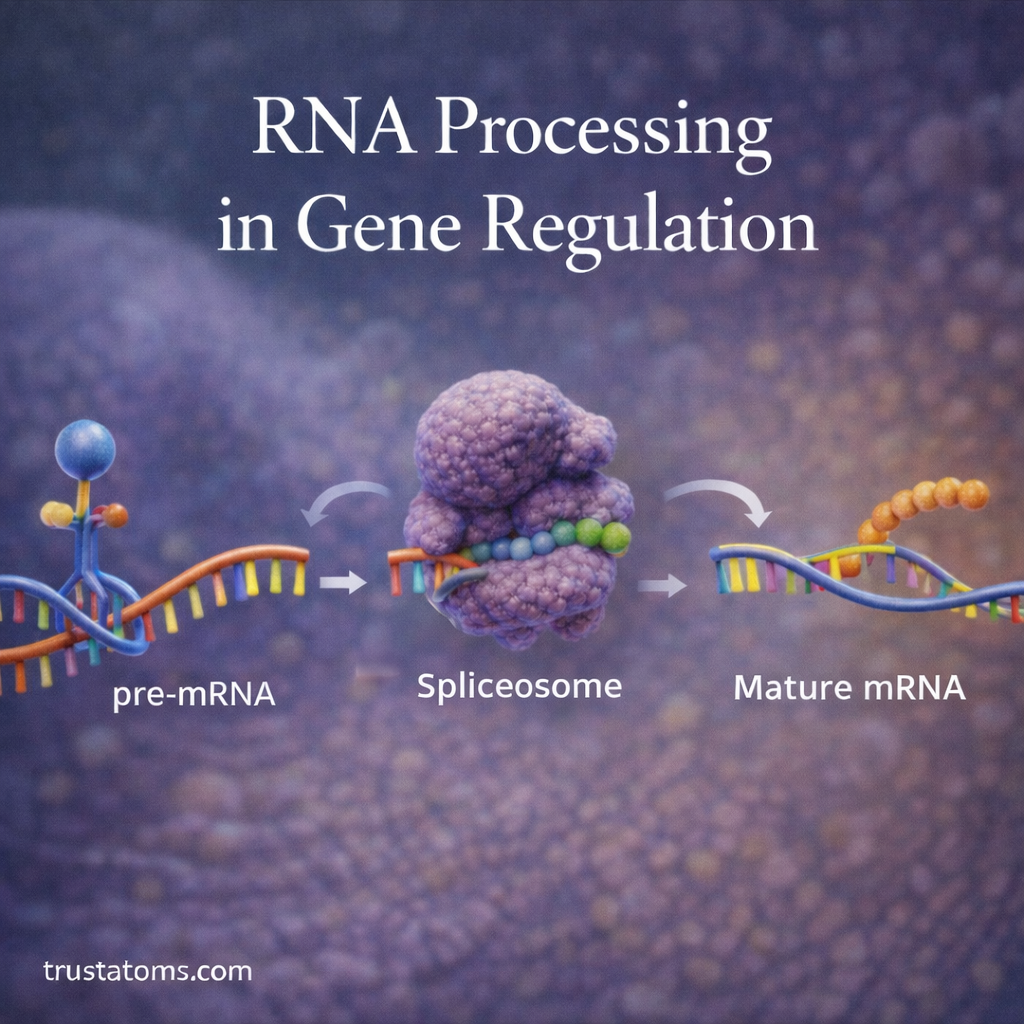
RNA Processing in Gene Regulation

Illustration showing RNA processing steps including pre-mRNA, spliceosome activity, and mature mRNA formation.
A simplified diagram showing how pre-mRNA is processed by the spliceosome to form mature mRNA during gene regulation. trustatoms.com.

RNA processing is a set of cellular steps that modify newly made RNA molecules before they are used to produce proteins. These modifications are especially important in eukaryotic cells and play a major role in gene regulation, which is the control of when and how genes are expressed.

After DNA is transcribed into RNA, the resulting molecule—called pre-messenger RNA (pre-mRNA)—cannot immediately guide protein production. It must first undergo several processing steps that prepare it for translation.

Through RNA processing, cells can control which genetic instructions are used, how often they are used, and how proteins are ultimately produced. This makes RNA processing an essential layer of regulation in gene expression.

Continue reading “RNA Processing in Gene Regulation”

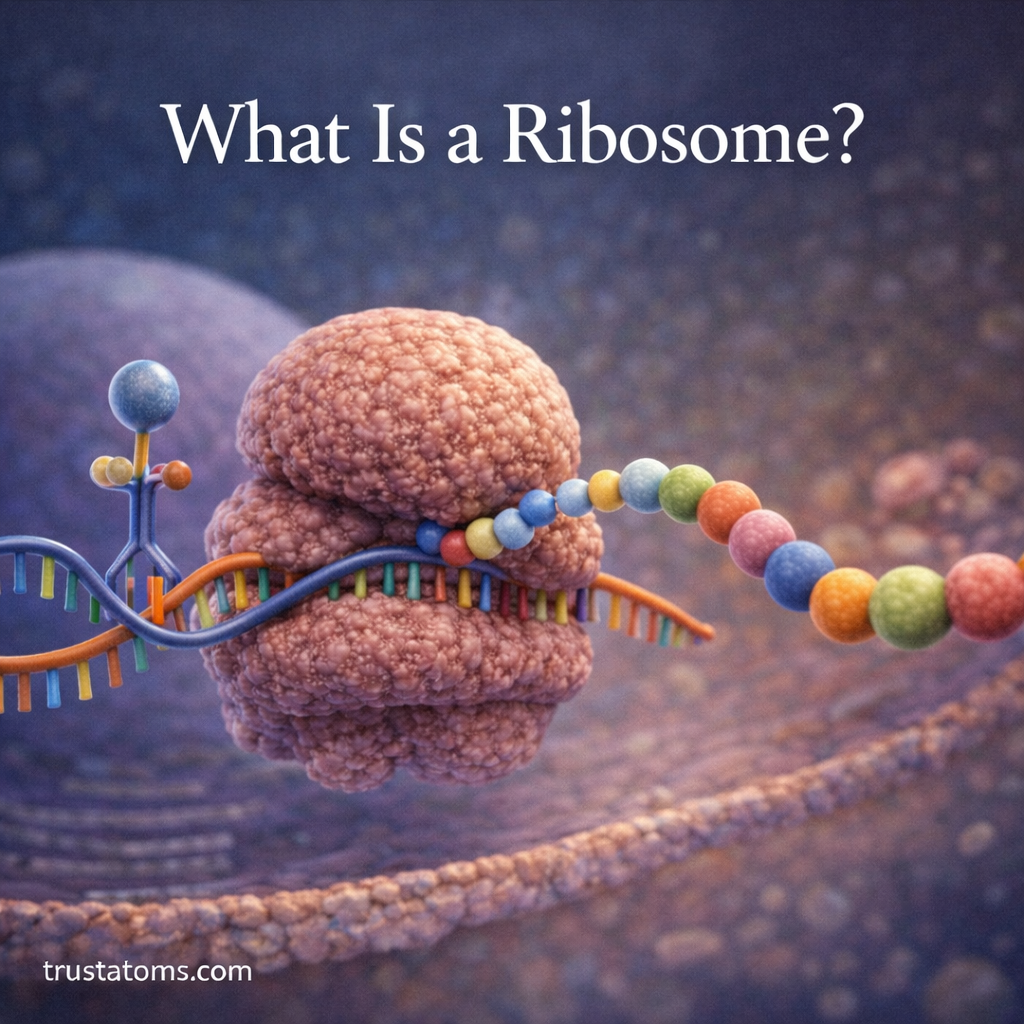
What Is a Ribosome?

Illustration showing a ribosome reading mRNA and assembling amino acids into a protein.
A simplified biological illustration showing a ribosome translating mRNA to build a chain of amino acids during protein synthesis. trustatoms.com.

A ribosome is a small cellular structure responsible for building proteins. It acts as the cell’s protein-production machine by reading genetic instructions from messenger RNA (mRNA) and assembling amino acids into a chain that forms a protein.

Proteins are essential for nearly every biological process, including cell growth, metabolism, repair, and communication. Because ribosomes produce these proteins, they are among the most important structures inside living cells.

Ribosomes exist in all forms of life—from simple bacteria to complex human cells—making them one of the most universal components of biology.

Continue reading “What Is a Ribosome?”

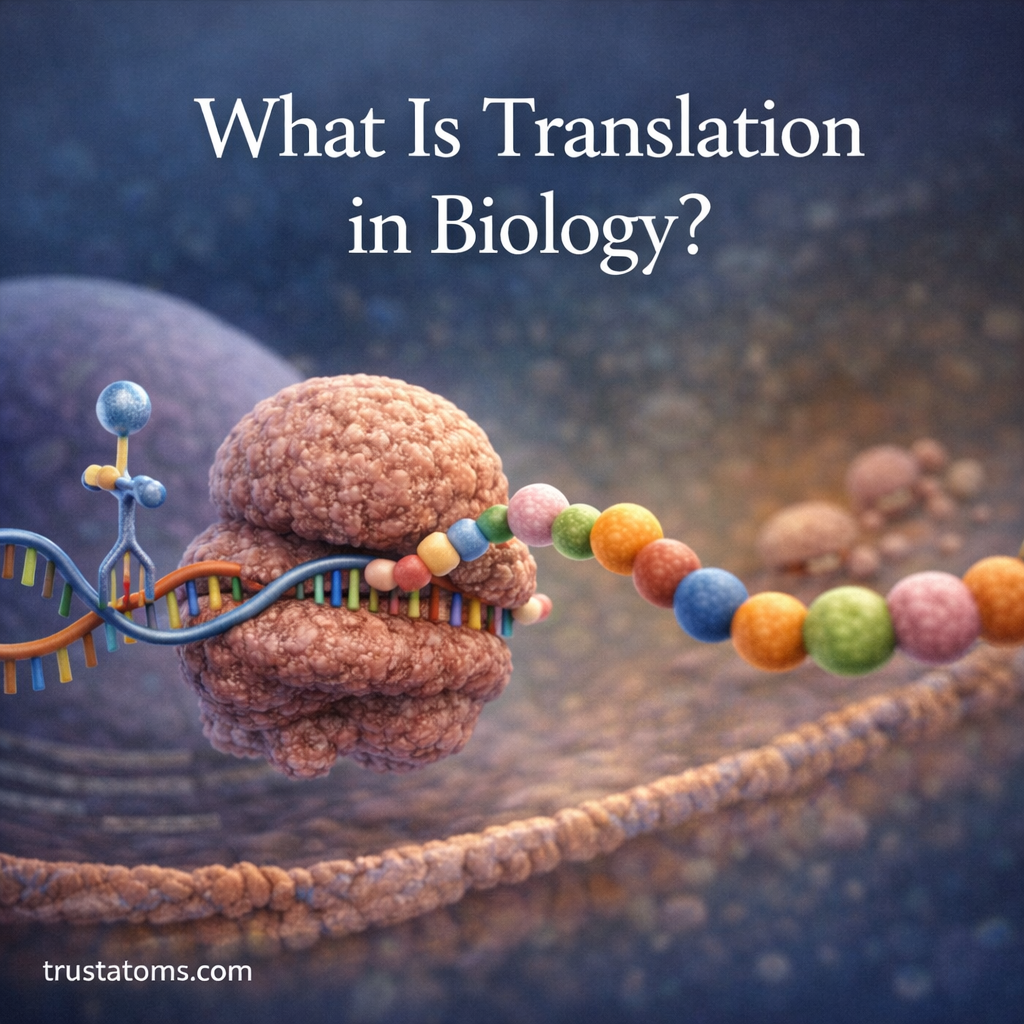
What Is Translation in Biology?

Illustration showing a ribosome reading mRNA and building a protein chain during biological translation.
A simplified biological illustration showing how ribosomes translate mRNA instructions into a chain of amino acids to form a protein. trustatoms.com.

Translation in biology is the process by which cells use genetic instructions carried by messenger RNA (mRNA) to build proteins. It is the second major step of gene expression and follows transcription, where DNA is first copied into RNA.

During translation, the cell reads the sequence of nucleotides in mRNA and converts it into a sequence of amino acids. These amino acids then fold into proteins that perform essential functions throughout the body, from building cellular structures to regulating chemical reactions.

Without translation, the genetic information stored in DNA would never become functional molecules that support life.

Continue reading “What Is Translation in Biology?”

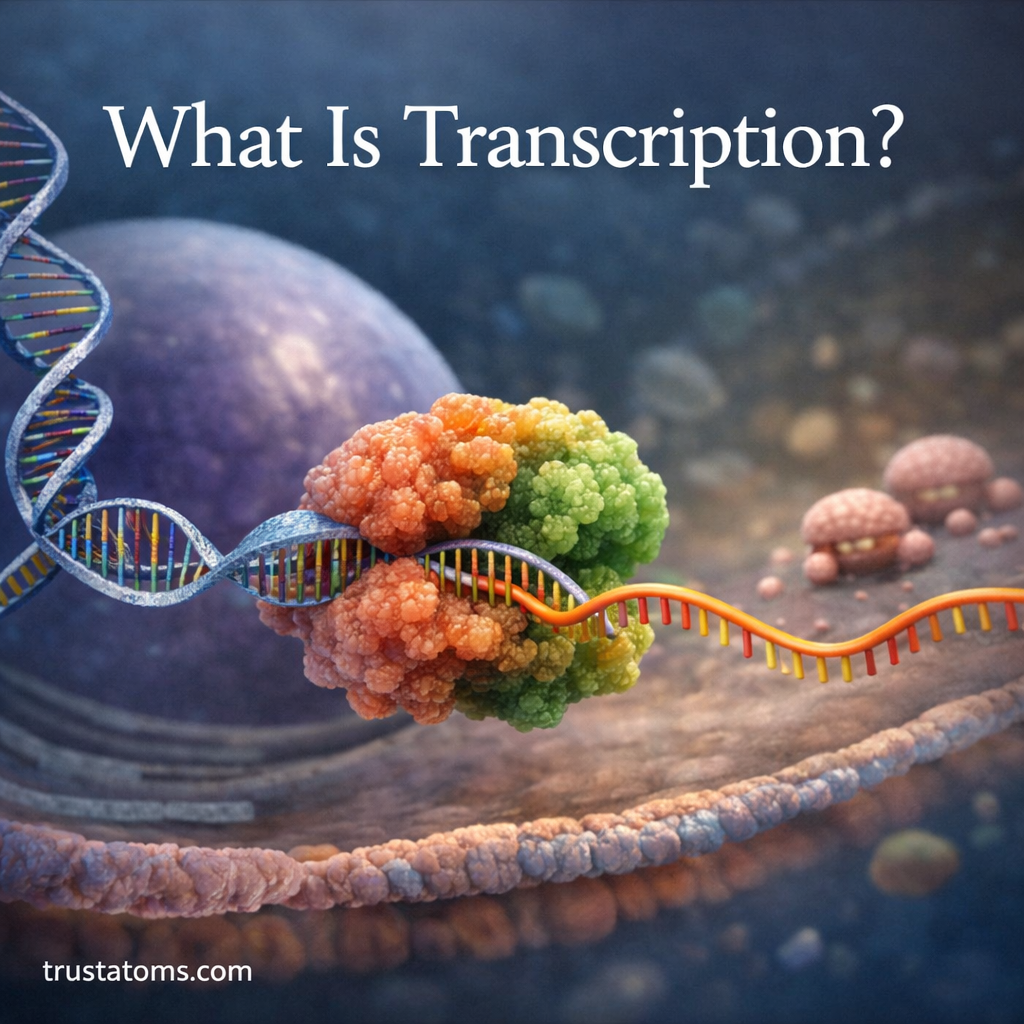
What Is Transcription?

Illustration showing DNA being transcribed into RNA by RNA polymerase inside a cell.
A simplified biological illustration showing how DNA is transcribed into RNA during gene expression. trustatoms.com.

Transcription is a fundamental biological process in which a cell copies a segment of DNA into RNA. This step is essential for gene expression, allowing the genetic instructions stored in DNA to be used to produce proteins that support life.

Inside every cell, DNA acts as a long-term storage system for genetic information. However, DNA itself does not directly build proteins. Instead, the cell first converts DNA instructions into messenger molecules called RNA through transcription. These RNA molecules then guide the production of proteins in the next stage of gene expression.

Understanding transcription helps explain how genes control everything from cell growth and metabolism to development and adaptation.

Continue reading “What Is Transcription?”