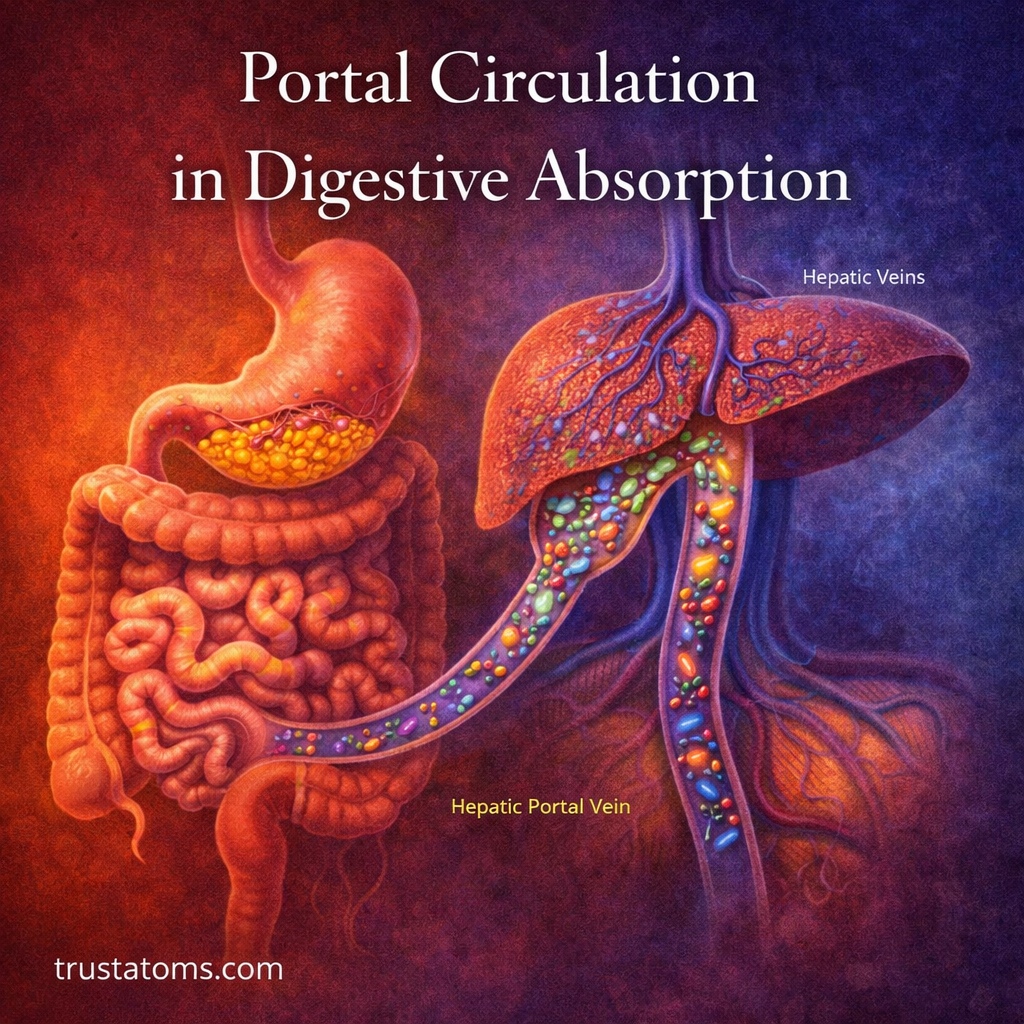
The human digestive system does more than break down food—it also ensures that nutrients are efficiently transported to where they are needed. A key part of this process is portal circulation, a specialized pathway that carries nutrient-rich blood from the digestive organs to the liver.
Understanding portal circulation helps explain how the body processes nutrients, detoxifies substances, and maintains metabolic balance.
What Is Portal Circulation?
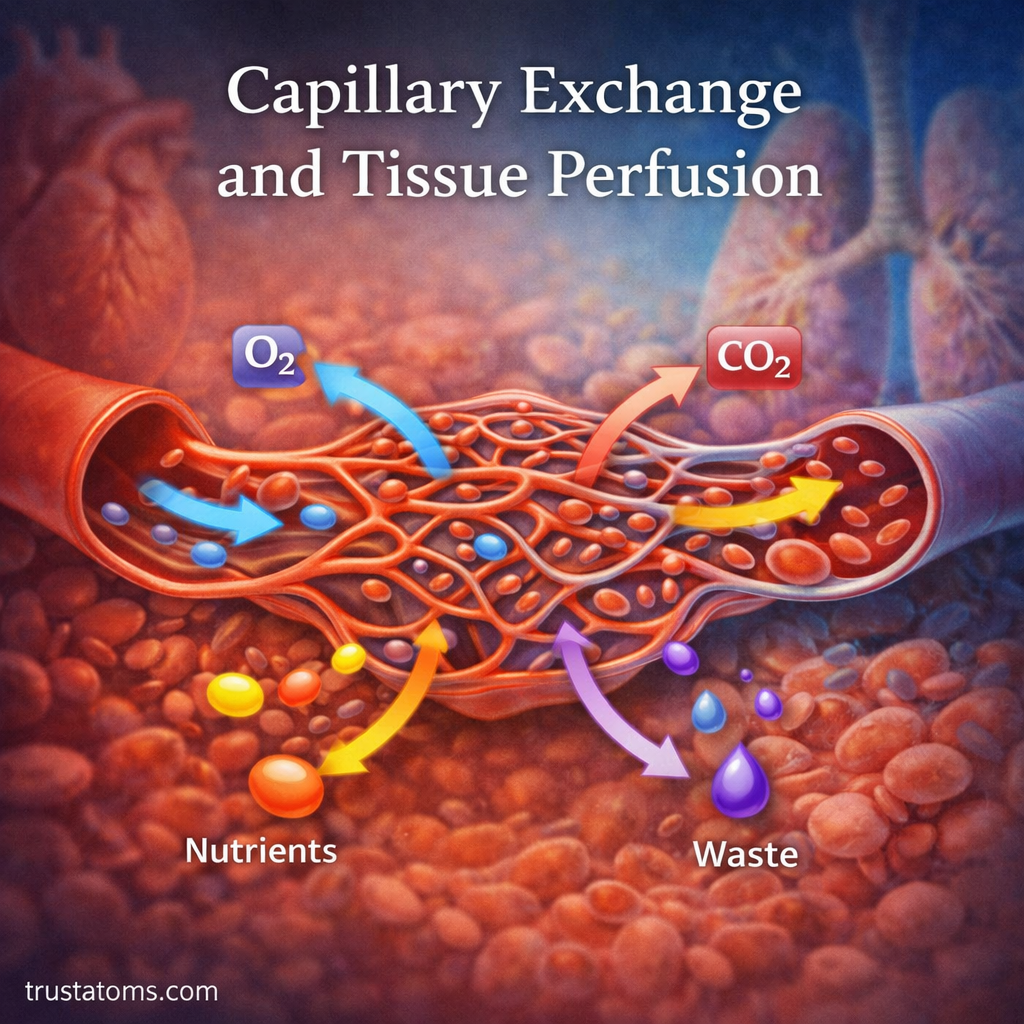
Portal circulation refers to a unique blood flow system in which blood passes through two capillary beds before returning to the heart.
In this case:
- Blood flows through capillaries in the digestive organs
- It is then transported to the liver via the hepatic portal vein
- It passes through liver capillaries (sinusoids) before entering general circulation
This system ensures that substances absorbed from the digestive tract are processed before reaching the rest of the body.
Key Components of the Portal System
Several structures make up the hepatic portal circulation:
Digestive Organs
- Stomach
- Small intestine
- Large intestine
- Pancreas
- Spleen
These organs absorb nutrients and release them into the bloodstream.
Hepatic Portal Vein
- A large vein that carries nutrient-rich blood to the liver
- Formed by the merging of smaller veins from digestive organs
Liver (Hepatic Sinusoids)
- Specialized capillary networks within the liver
- Allow direct contact between blood and liver cells (hepatocytes)
Hepatic Veins
- Carry processed blood from the liver to the inferior vena cava
- Return blood to the heart
How Portal Circulation Supports Digestion
After food is broken down in the digestive tract, nutrients are absorbed into the bloodstream.
What Happens Next
- Nutrients enter capillaries in the intestines
- Blood carrying these nutrients flows into the portal vein
- The liver receives and processes this blood
Why This Step Is Important
- Prevents harmful substances from entering systemic circulation
- Allows the liver to regulate nutrient levels
- Supports metabolism and storage
This process acts as a checkpoint before nutrients reach the rest of the body.
Role of the Liver in Portal Circulation
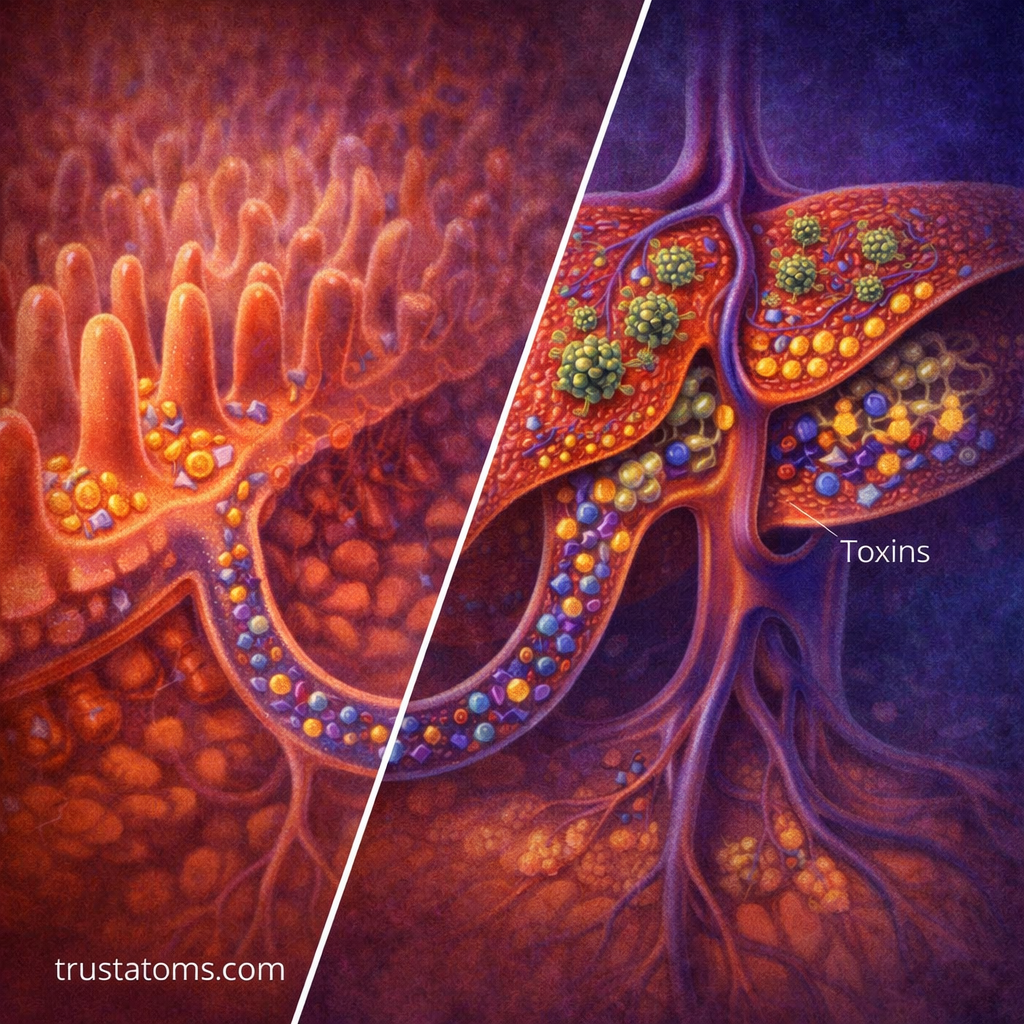
The liver is the central organ in portal circulation and performs several critical functions.
Nutrient Processing
- Converts glucose into glycogen for storage
- Regulates blood sugar levels
- Processes amino acids and lipids
Detoxification
- Filters toxins, drugs, and harmful substances
- Breaks down alcohol and metabolic waste
Storage
- Stores vitamins (A, D, B12)
- Stores minerals like iron
Synthesis
- Produces plasma proteins (e.g., albumin)
- Generates bile for fat digestion
The liver ensures that substances entering the bloodstream are safe and balanced.
Unique Features of Hepatic Sinusoids
Unlike regular capillaries, hepatic sinusoids have specialized characteristics.
Key Features
- Wider and more permeable than typical capillaries
- Allow direct interaction between blood and liver cells
- Contain Kupffer cells (immune cells that remove pathogens)
These features make the liver highly efficient at filtering and processing blood.
Nutrient Types Transported in Portal Blood
Different nutrients travel through portal circulation after absorption.
Carbohydrates
- Absorbed as glucose
- Sent to the liver for storage or release
Proteins
- Absorbed as amino acids
- Used for protein synthesis or energy
Lipids
- Mostly transported via lymphatic system first
- Some small fatty acids enter portal circulation directly
Vitamins and Minerals
- Water-soluble vitamins enter portal blood
- Minerals like iron are processed in the liver
This system ensures nutrients are properly handled before distribution.
Differences Between Portal and Systemic Circulation
Portal circulation differs from standard blood flow patterns.
Portal Circulation
- Connects two capillary beds
- Specialized for processing substances
- Focused on digestion and metabolism
Systemic Circulation
- Transports blood between the heart and body tissues
- Delivers oxygen and nutrients directly
This distinction highlights the liver’s role as a processing center rather than just a transport organ.
Clinical Significance of Portal Circulation
Problems in portal circulation can lead to serious health conditions.
Portal Hypertension
- Increased pressure in the portal vein
- Often caused by liver disease (e.g., cirrhosis)
- Can lead to complications like varices and fluid buildup
Liver Disease
- Impairs the liver’s ability to process blood
- Allows toxins to enter systemic circulation
Nutrient Imbalance
- Poor liver function can disrupt metabolism
- Leads to deficiencies or excess nutrient levels
Understanding this system is essential in diagnosing and managing liver-related conditions.
Everyday Importance of Portal Circulation
Portal circulation plays a continuous role in daily life.
Why It Matters
- Ensures safe nutrient processing after meals
- Protects the body from harmful substances
- Maintains metabolic stability
Every time you eat, this system works behind the scenes to keep your body balanced and functioning properly.
Final Thoughts
Portal circulation in digestive absorption is a vital component of human physiology. By routing nutrient-rich blood through the liver before it enters general circulation, the body gains an essential layer of control over metabolism and detoxification.
This system highlights the liver’s role as both a filter and a regulator—ensuring that what enters your bloodstream supports health rather than harms it.