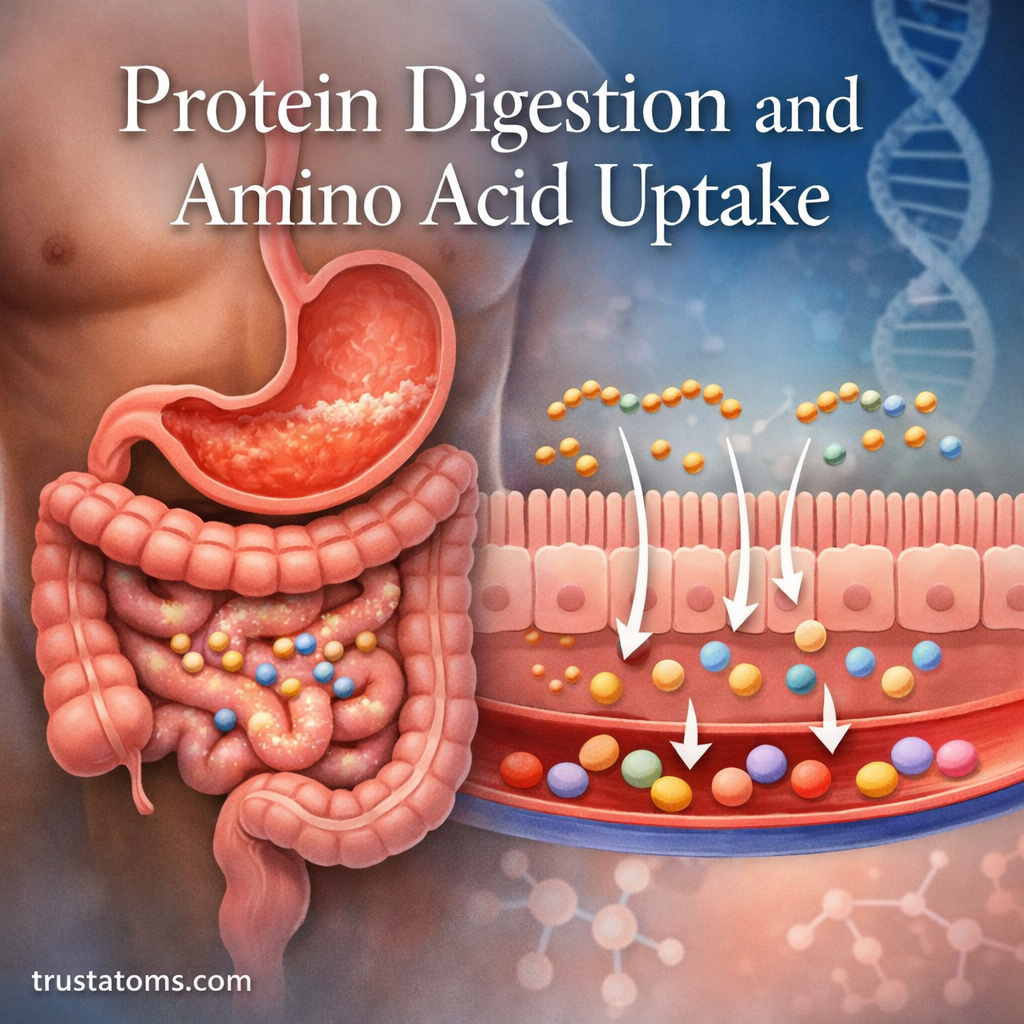
Proteins are essential macronutrients that play a central role in building and repairing tissues, producing enzymes and hormones, and supporting overall body function. But before your body can use protein, it must first break it down into smaller components called amino acids. This process—protein digestion and amino acid uptake—is a carefully coordinated journey that begins in the stomach and ends in the bloodstream.
Understanding how this system works can help you make better dietary choices and optimize nutrient absorption.
What Are Proteins and Amino Acids?
Proteins are large, complex molecules made up of chains of amino acids. There are 20 different amino acids, and they combine in various sequences to form different proteins in the body.
Types of Amino Acids
- Essential amino acids – Must be obtained from food
- Non-essential amino acids – Produced by the body
- Conditionally essential amino acids – Needed during illness or stress
Your body depends on a steady supply of amino acids to maintain muscle mass, immune function, and metabolic processes.
The Stages of Protein Digestion
Protein digestion occurs in multiple stages across different parts of the digestive system. Each step involves specific enzymes and conditions designed to break proteins into absorbable units.
1. Digestion Begins in the Stomach
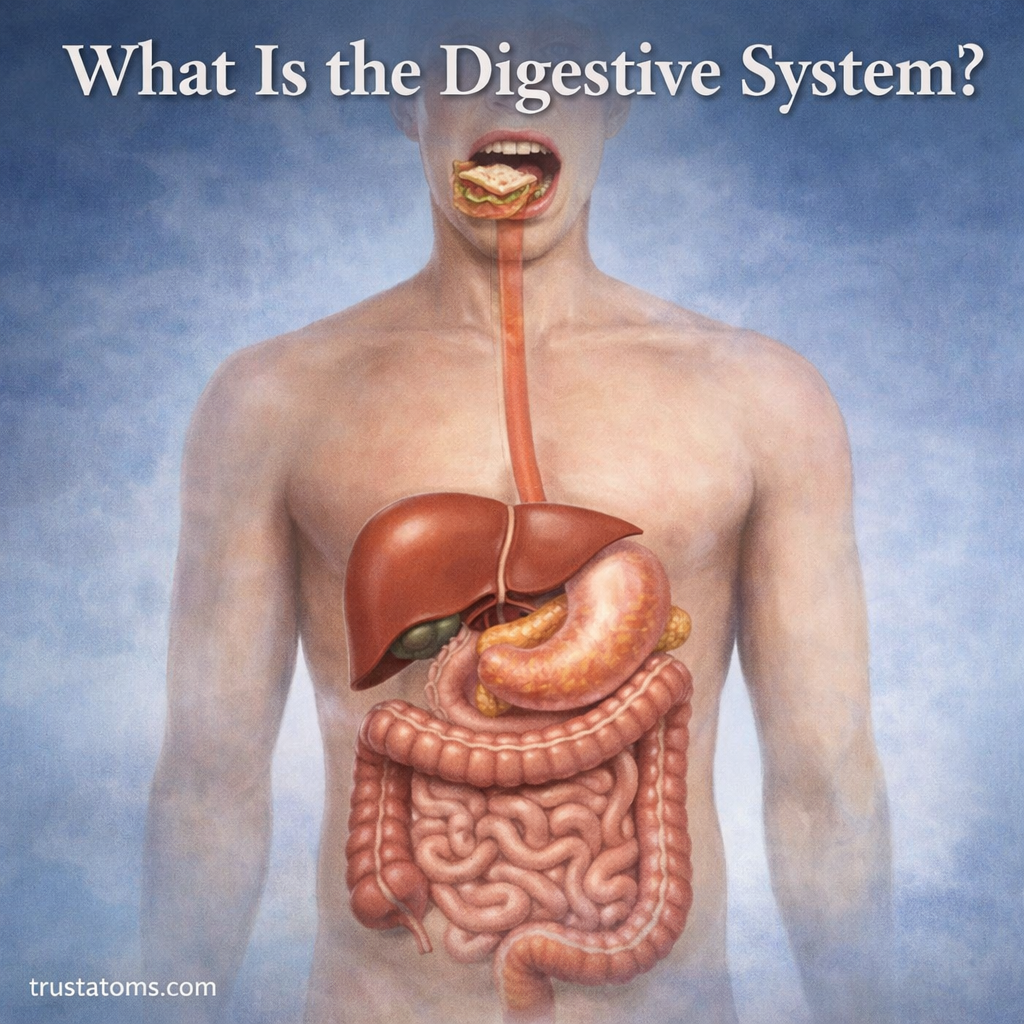
When you consume protein-rich foods like meat, eggs, or legumes, digestion begins in the stomach.
Key processes include:
- Hydrochloric acid (HCl) denatures proteins, unfolding their structure
- The enzyme pepsin begins breaking proteins into smaller polypeptides
This acidic environment is critical for activating pepsin and initiating protein breakdown.
2. Continued Breakdown in the Small Intestine
Once partially digested proteins move into the small intestine, the pancreas releases additional enzymes to continue the process.
Important enzymes include:
- Trypsin
- Chymotrypsin
- Carboxypeptidase
These enzymes break polypeptides into even smaller chains and individual amino acids.
At the same time, the small intestine provides an alkaline environment, which is optimal for these enzymes to function effectively.
3. Final Digestion at the Intestinal Lining
The final stage of protein digestion occurs at the brush border of the small intestine.
Here, enzymes embedded in the intestinal lining (such as peptidases) break remaining peptides into:
- Free amino acids
- Dipeptides
- Tripeptides
These smaller molecules are now ready for absorption.
How Amino Acid Absorption Works
After digestion, amino acids and small peptides must be transported across the intestinal wall into the bloodstream.
Active Transport Mechanisms
Most amino acids are absorbed through active transport, which requires energy.
Key features:
- Carrier proteins move amino acids across intestinal cells
- Sodium-dependent transport systems help facilitate uptake
- Different transporters exist for different amino acid types
Peptide Transport
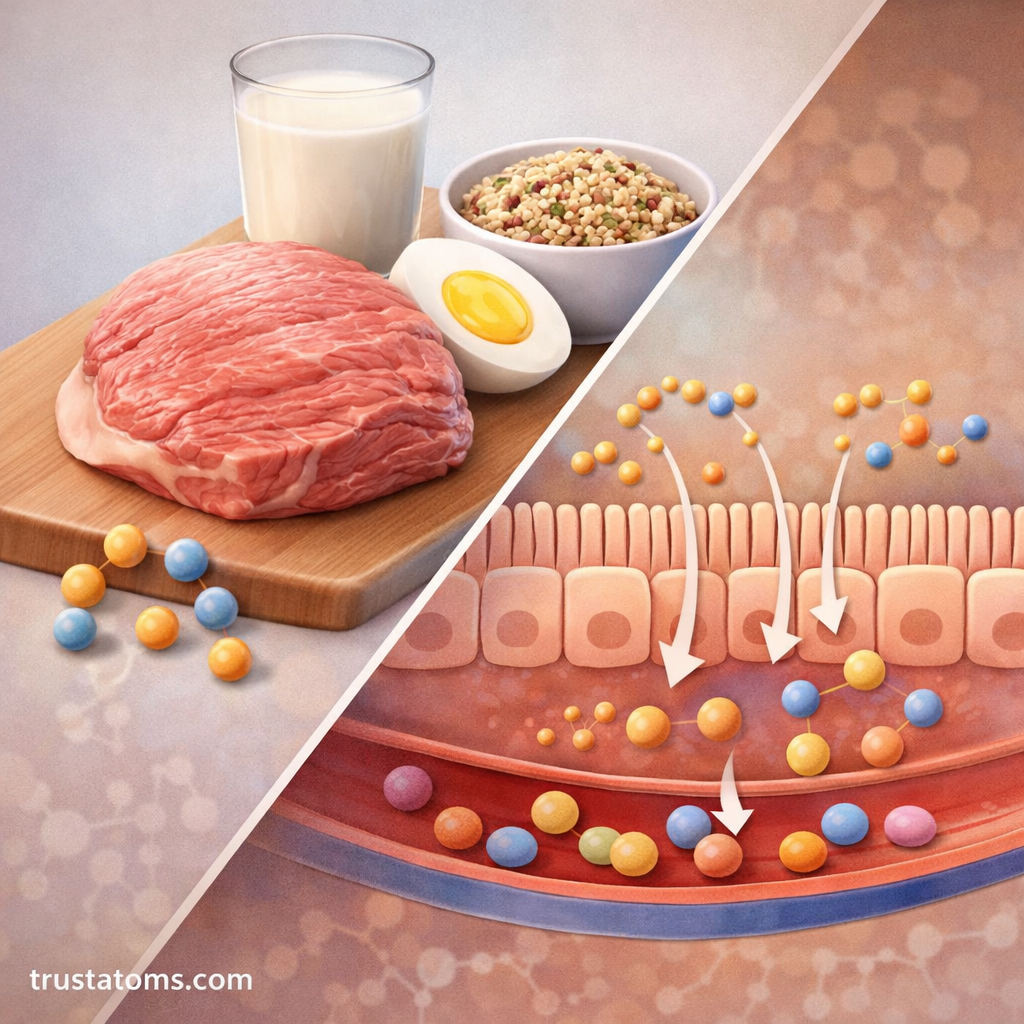
Interestingly, some dipeptides and tripeptides are absorbed directly without being fully broken down.
- These peptides enter intestinal cells via specialized transporters
- Inside the cell, they are further broken down into individual amino acids
This dual absorption system improves efficiency and ensures maximal protein utilization.
What Happens After Absorption?
Once amino acids enter the bloodstream, they are transported to the liver and other tissues.
Key Functions of Absorbed Amino Acids
- Muscle repair and growth
- Enzyme and hormone production
- Immune system support
- Energy production (when needed)
The liver plays a central role in regulating amino acid levels and distributing them throughout the body based on demand.
Factors That Affect Protein Digestion and Absorption
Not all protein digestion processes are equally efficient. Several factors can influence how well your body breaks down and absorbs protein.
1. Protein Source
- Animal proteins (e.g., meat, eggs) are typically more digestible
- Plant proteins may contain fiber or anti-nutrients that slow digestion
2. Digestive Health
Conditions affecting the stomach, pancreas, or intestines can impair digestion.
Examples include:
- Low stomach acid
- Pancreatic insufficiency
- Intestinal inflammation
3. Cooking and Food Preparation
Cooking can improve protein digestibility by breaking down complex structures, making proteins easier for enzymes to access.
4. Age and Metabolism
- Older adults may have reduced digestive enzyme production
- Metabolic needs can influence how efficiently amino acids are used
Common Issues in Protein Digestion
When protein digestion is impaired, it can lead to various symptoms and nutritional deficiencies.
Signs of Poor Protein Digestion
- Bloating or discomfort after meals
- Fatigue or weakness
- Muscle loss
- Poor wound healing
If protein is not properly broken down, the body cannot effectively absorb the amino acids it needs.
Tips to Support Healthy Protein Digestion
Improving protein digestion can enhance overall nutrient absorption and health.
Practical Strategies
- Eat protein in moderate portions throughout the day
- Chew food thoroughly to aid mechanical digestion
- Include digestive-friendly foods like fermented products
- Stay hydrated to support enzyme activity
- Maintain gut health with a balanced diet
Final Thoughts
Protein digestion and amino acid uptake are vital processes that allow your body to use one of its most important nutrients. From the stomach’s acidic environment to the small intestine’s specialized transport systems, each step is designed for efficiency and precision.
By understanding how your body processes protein, you can make more informed dietary choices and support optimal health from the inside out.