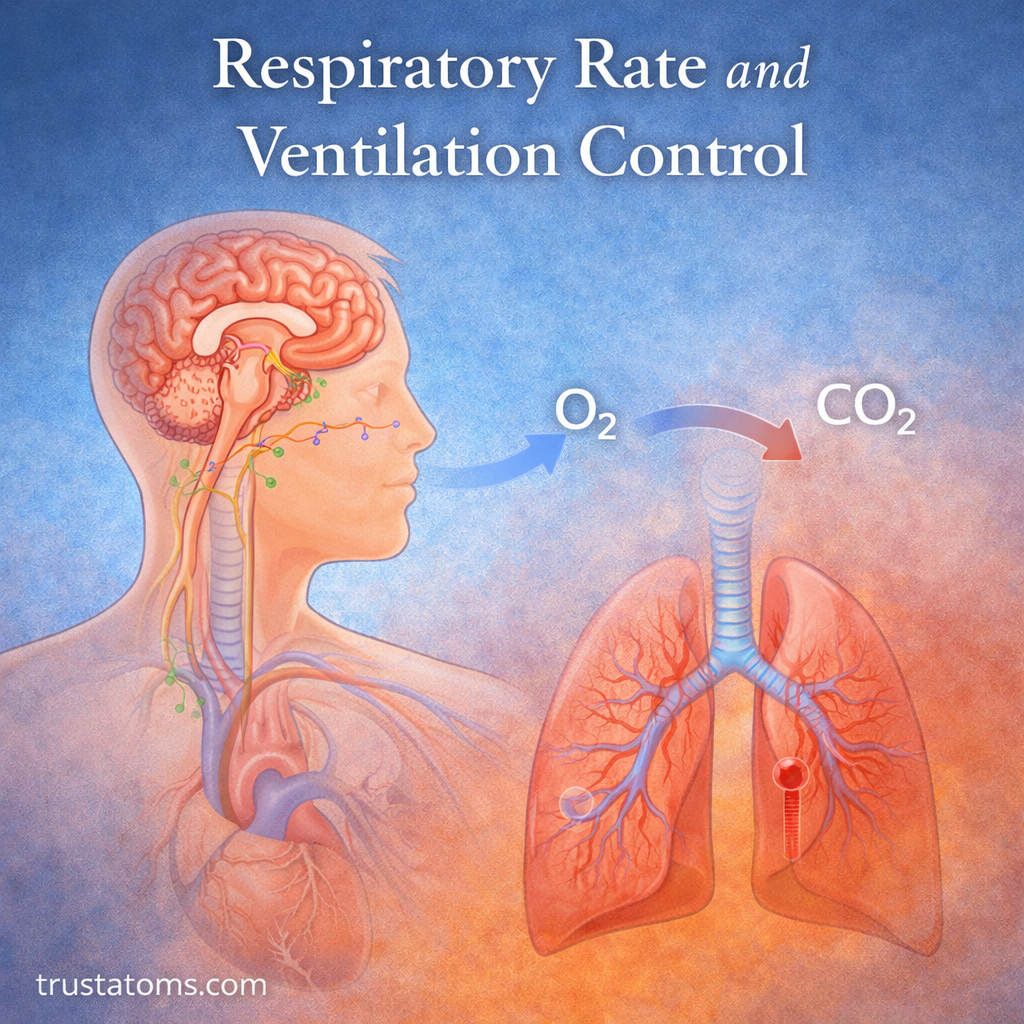
Breathing is something most people rarely think about, yet it is constantly adjusted to meet the body’s needs. Respiratory rate and ventilation control ensure that oxygen is delivered efficiently and carbon dioxide is removed at the right pace.
This system is highly responsive, automatically adapting to changes in activity, environment, and internal chemistry.
What Is Respiratory Rate?
Respiratory rate refers to the number of breaths you take per minute.
Normal Respiratory Rates
- Adults: 12–20 breaths per minute
- Children: Higher than adults
- Infants: Significantly higher due to metabolic demands
This rate can change depending on physical activity, stress, or health conditions.
What Is Ventilation?
Ventilation is the process of moving air in and out of the lungs.
It includes two main phases:
- Inhalation (breathing in oxygen)
- Exhalation (removing carbon dioxide)
Together, respiratory rate and ventilation determine how much air reaches the lungs each minute.
Minute Ventilation Explained
Minute ventilation is the total volume of air inhaled or exhaled per minute.
It is determined by:
- Respiratory rate (breaths per minute)
- Tidal volume (air per breath)
Why Minute Ventilation Matters
- Ensures adequate oxygen supply
- Removes carbon dioxide efficiently
- Adjusts quickly during exercise or stress
For example, during exercise, both breathing rate and depth increase to meet higher oxygen demands.
How Breathing Is Controlled
Breathing is primarily controlled by the brain, specifically centers located in the brainstem.
Key Control Centers
- Medulla oblongata: Sets the basic rhythm of breathing
- Pons: Fine-tunes breathing patterns
These centers work automatically, allowing breathing to continue even when you’re not consciously thinking about it.
Role of Chemoreceptors
Chemoreceptors are specialized sensors that detect changes in blood chemistry.
What They Monitor
- Carbon dioxide (CO₂) levels
- Oxygen (O₂) levels
- Blood pH
How They Influence Breathing
- High CO₂ → increases breathing rate
- Low CO₂ → slows breathing
- Low oxygen → stimulates breathing (less dominant than CO₂)
Carbon dioxide levels are the primary driver of ventilation control.
The Importance of Carbon Dioxide in Regulation
While oxygen is essential, carbon dioxide plays a bigger role in regulating breathing.
Why CO₂ Is So Important
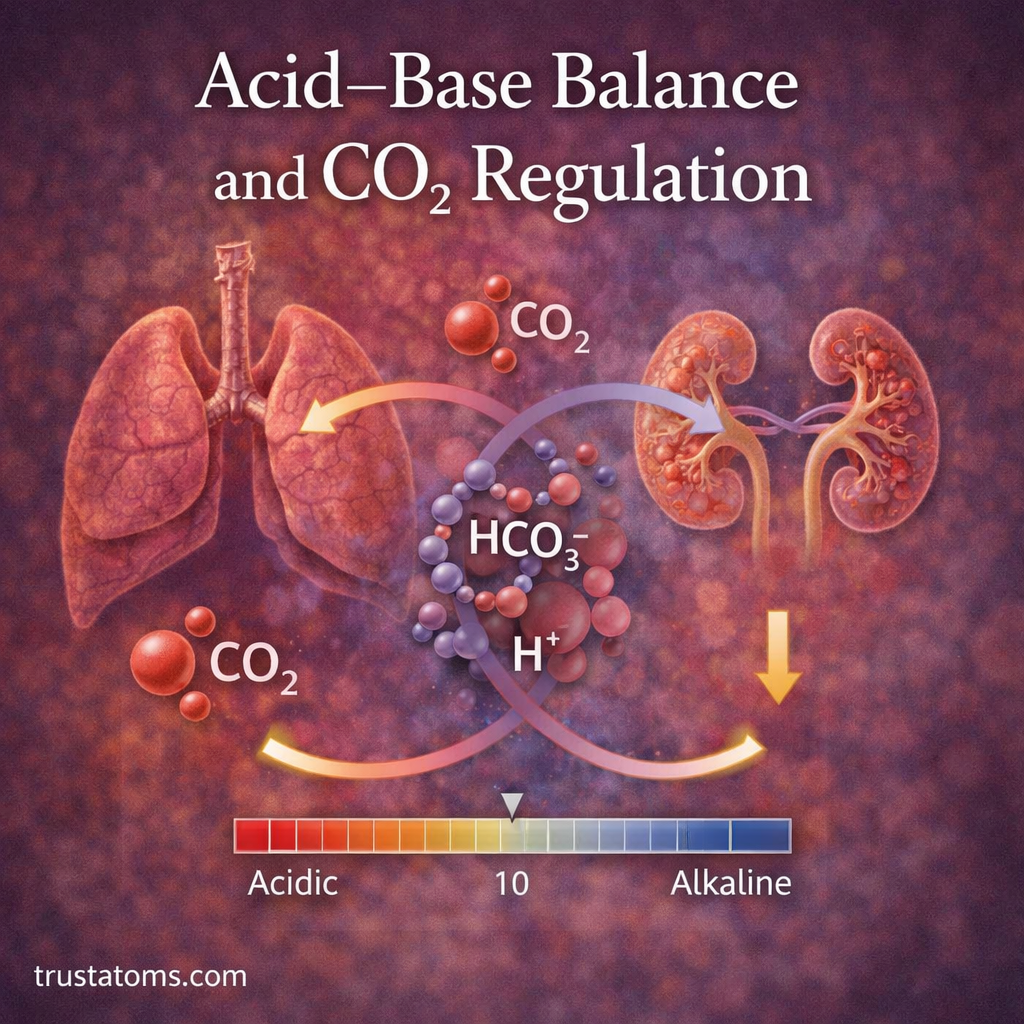
- CO₂ affects blood pH
- Increased CO₂ makes blood more acidic
- The body responds by increasing ventilation
This feedback loop helps maintain a stable internal environment.
Voluntary vs. Involuntary Control
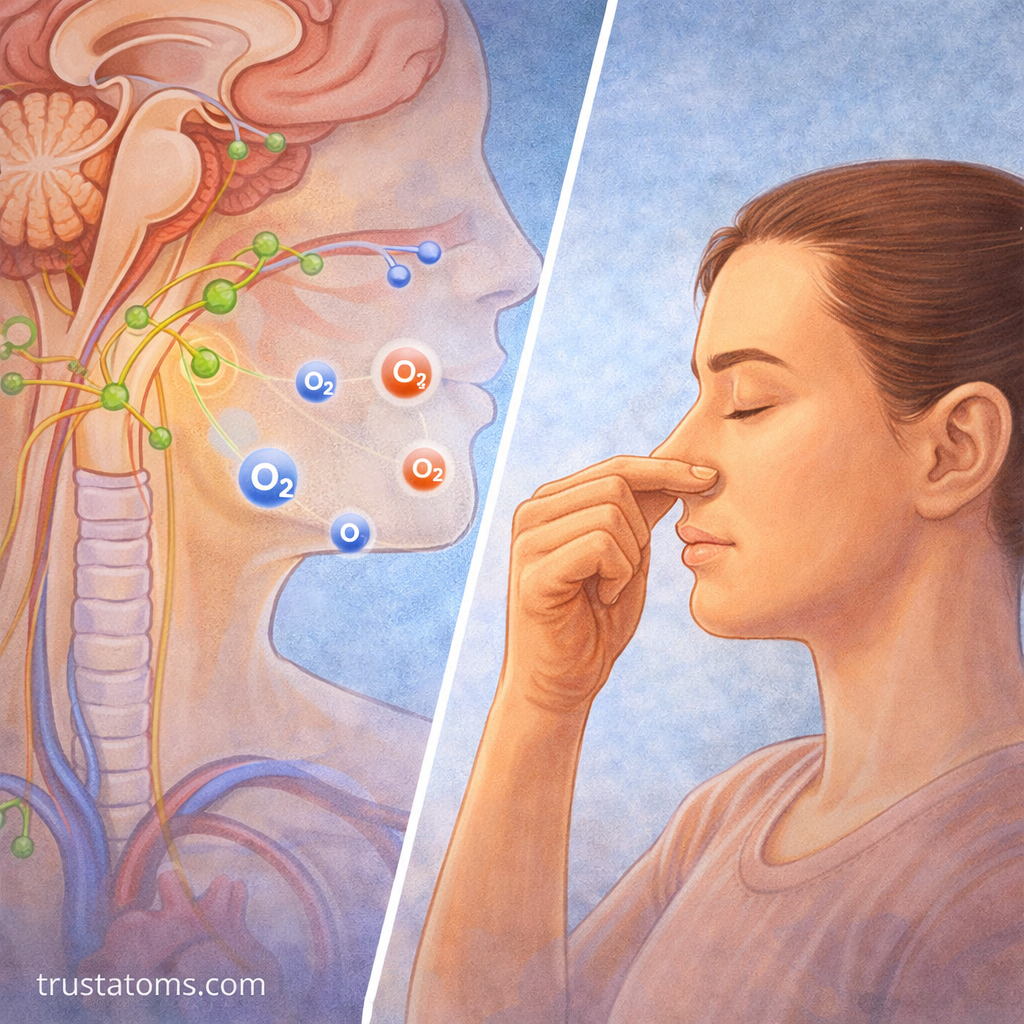
Breathing can be both automatic and consciously controlled.
Involuntary Control
- Managed by the brainstem
- Maintains breathing during sleep
- Adjusts automatically to body needs
Voluntary Control
- Controlled by the cerebral cortex
- Allows actions like talking, singing, or holding breath
However, involuntary control overrides voluntary control when necessary (e.g., during prolonged breath-holding).
Factors That Affect Respiratory Rate
Several internal and external factors can influence how fast you breathe.
1. Physical Activity
- Exercise increases oxygen demand
- Breathing becomes faster and deeper
2. Emotional State
- Stress and anxiety can increase breathing rate
- Relaxation slows breathing
3. Body Temperature
- Fever increases respiratory rate
- Lower temperatures reduce it
4. Altitude
- Lower oxygen levels increase breathing rate
- The body adapts over time
5. Health Conditions
- Lung diseases affect ventilation
- Heart conditions can alter breathing patterns
Abnormal Respiratory Patterns
Changes in respiratory rate can signal underlying health issues.
Common Abnormal Patterns
- Tachypnea: Rapid breathing
- Bradypnea: Slow breathing
- Apnea: Temporary cessation of breathing
- Hyperventilation: Excessive breathing leading to low CO₂
- Hypoventilation: Inadequate breathing causing CO₂ buildup
Recognizing these patterns is important in medical evaluation.
Respiratory Rate in Everyday Life
Your breathing constantly adjusts to match your body’s needs.
Examples
- At rest: Slow, steady breathing
- During exercise: Rapid, deep breathing
- During sleep: Slightly slower breathing
- During stress: Faster, shallow breathing
These adjustments happen automatically to maintain balance.
Why Ventilation Control Matters
Proper ventilation control is essential for:
- Maintaining oxygen supply to tissues
- Regulating carbon dioxide levels
- Keeping blood pH stable
- Supporting brain and organ function
Even small disruptions can lead to noticeable symptoms like dizziness, fatigue, or shortness of breath.
Final Thoughts
Respiratory rate and ventilation control are vital components of human physiology. Controlled by the brain and influenced by chemical signals, breathing adapts continuously to meet the body’s demands.
Understanding how this system works highlights the importance of maintaining respiratory health and recognizing changes that may indicate underlying issues.