The human body constantly gathers information from the environment and internal conditions to help you respond, adapt, and survive. This process is made possible by the sensory systems—specialized structures that detect stimuli and send signals to the brain for interpretation.
From seeing light to feeling touch and maintaining balance, sensory systems play a critical role in everyday life.
What Are Sensory Systems?
Sensory systems are networks of organs, cells, and nerves that detect changes (stimuli) and convert them into electrical signals the brain can understand.
These systems allow you to:
- See, hear, taste, smell, and feel
- Maintain balance and body position
- Monitor internal conditions (like temperature and pain)
How Sensory Systems Work
All sensory systems follow a similar basic process.
The Sensory Pathway
- Stimulus detection – Receptors detect changes (light, sound, pressure, etc.)
- Signal transduction – Stimuli are converted into electrical signals
- Signal transmission – Nerves carry signals to the brain
- Perception – The brain interprets the signals
This process happens rapidly, often in fractions of a second.
Types of Sensory Receptors
Different receptors are specialized to detect specific types of stimuli.
Mechanoreceptors
- Detect touch, pressure, vibration, and movement
- Found in skin, muscles, and inner ear
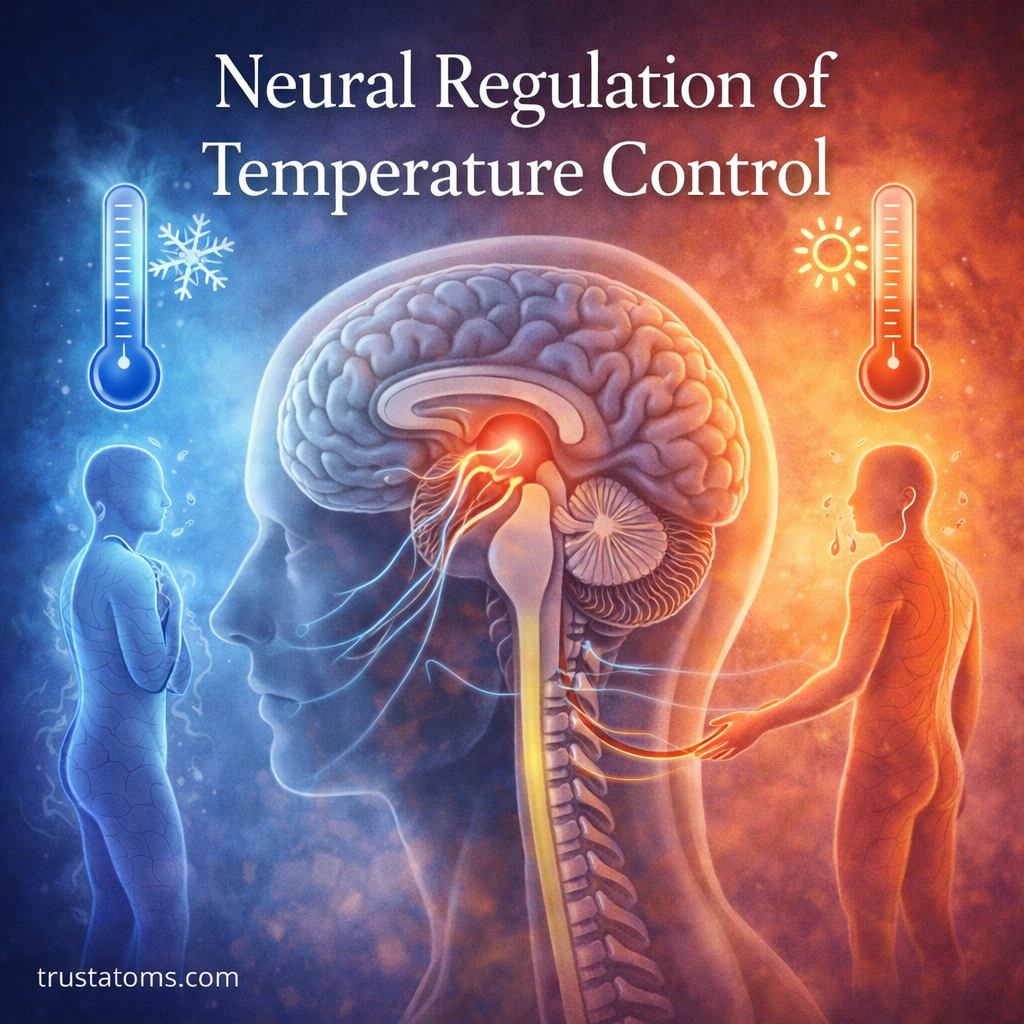
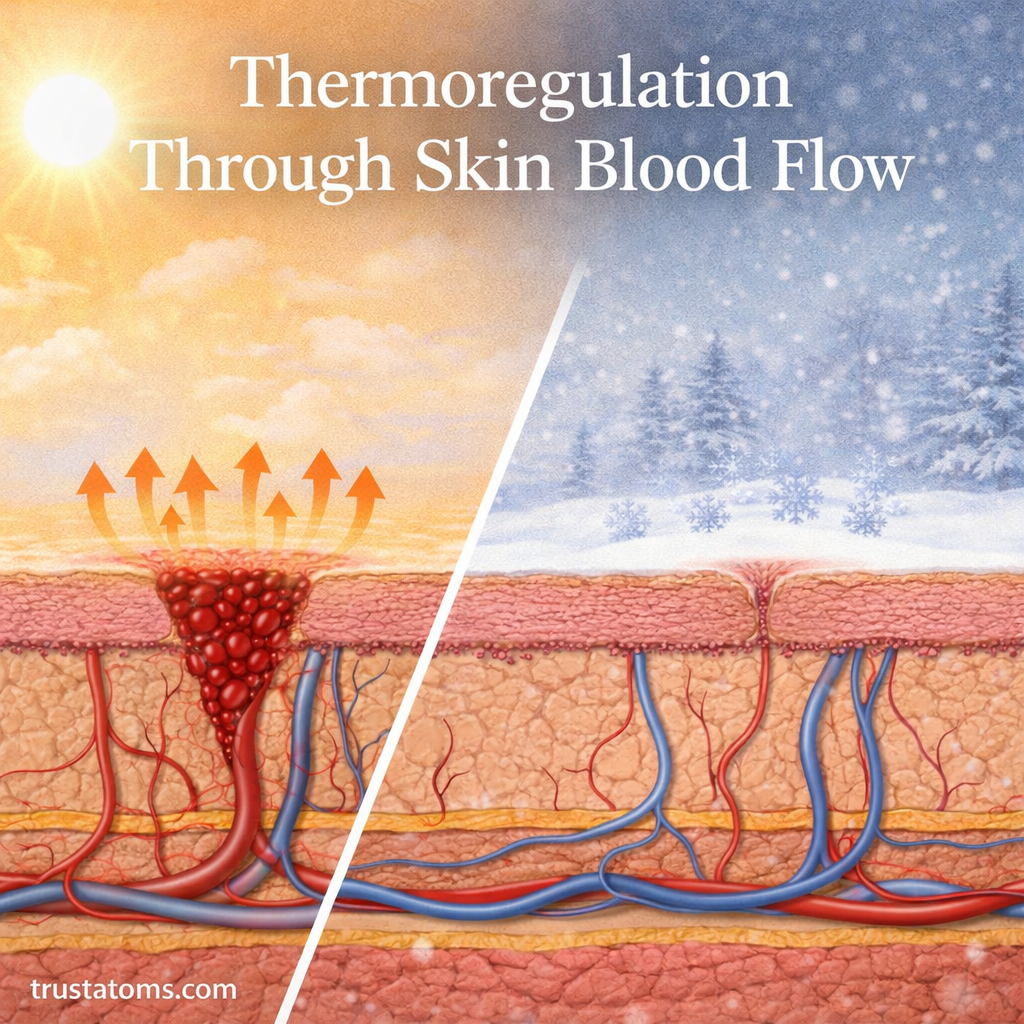
Thermoreceptors
- Detect temperature changes
- Help regulate body temperature
Photoreceptors
- Detect light
- Located in the eyes
Chemoreceptors
- Detect chemicals (taste and smell)
- Found in the nose and taste buds
Nociceptors
- Detect pain or tissue damage
- Trigger protective responses
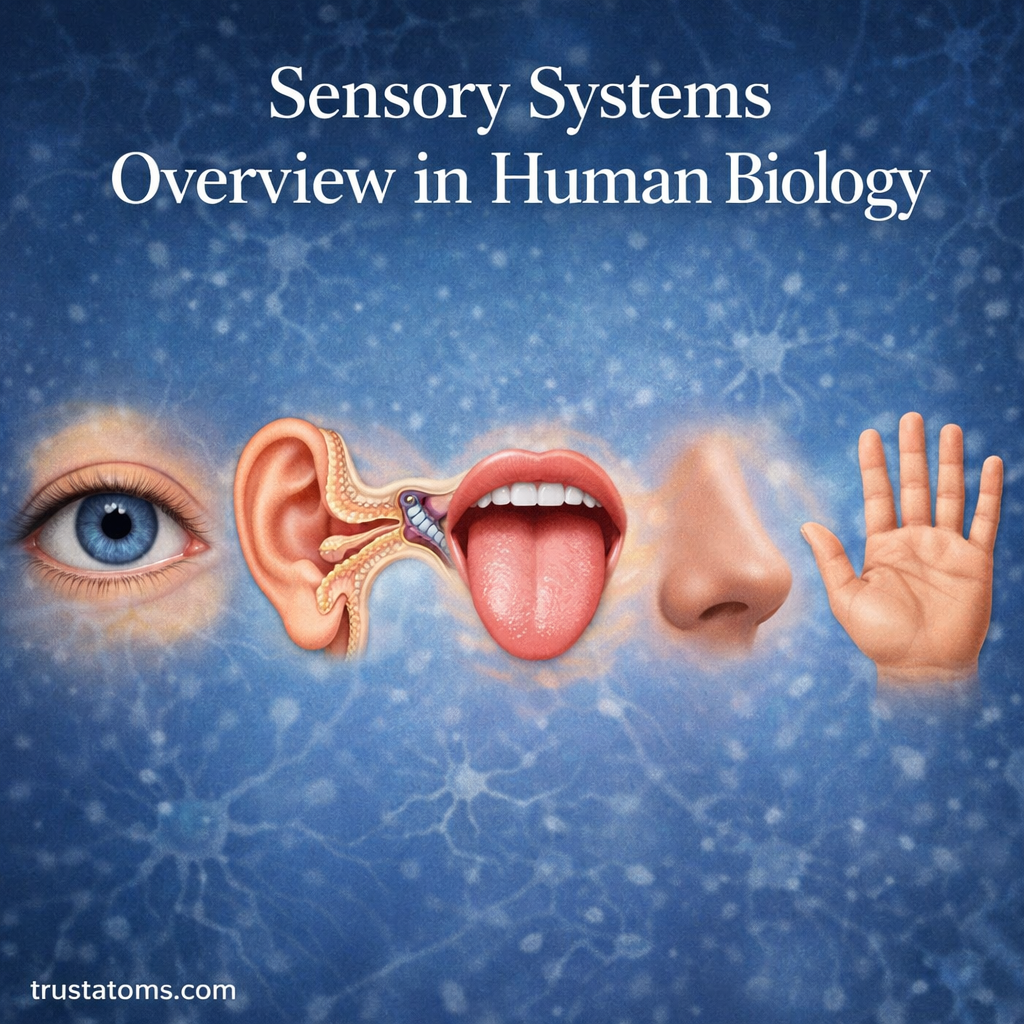
The Five Main Senses
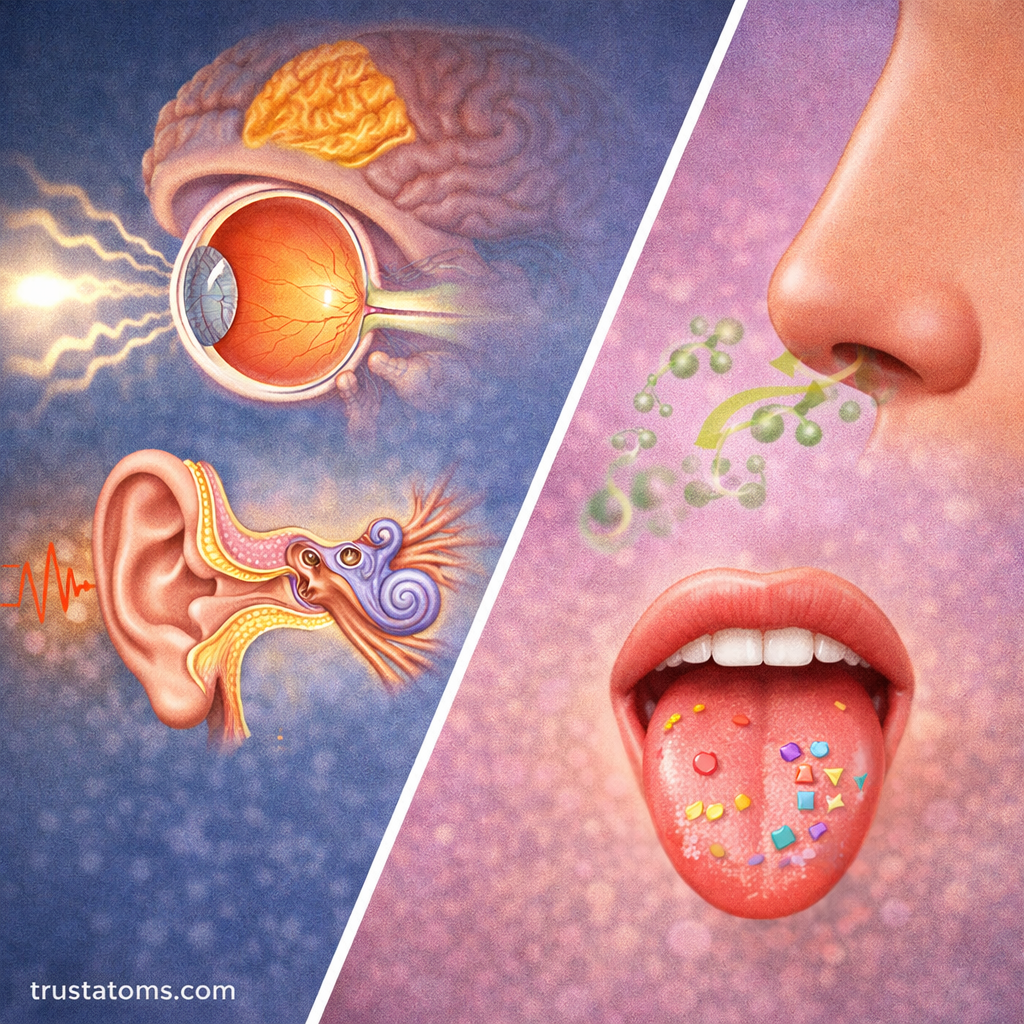
The most familiar sensory systems are the five primary senses.
Vision (Sight)
- Detected by the eyes
- Uses photoreceptors in the retina
- Allows perception of light, color, and motion
Hearing (Auditory System)
- Detected by the ears
- Converts sound waves into nerve signals
- Enables communication and environmental awareness
Taste (Gustatory System)
- Detected by taste buds on the tongue
- Identifies flavors like sweet, salty, sour, bitter, and umami
Smell (Olfactory System)
- Detected by receptors in the nasal cavity
- Closely linked to memory and emotion
Touch (Somatosensory System)
- Detected by receptors in the skin
- Includes pressure, vibration, temperature, and pain
Additional Sensory Systems
Beyond the five main senses, the body has other important sensory systems.
Proprioception (Body Awareness)
- Detects body position and movement
- Helps with coordination and balance
Vestibular System (Balance)
- Located in the inner ear
- Detects head movement and spatial orientation
Interoception (Internal Sensing)
- Monitors internal body states
- Includes hunger, thirst, and organ function
Integration in the Brain
The brain integrates sensory input from multiple systems to create a complete understanding of the environment.
Sensory Processing
- Occurs in different regions of the brain
- Combines signals from multiple senses
- Helps coordinate appropriate responses
For example, catching a ball requires vision, touch, and proprioception working together.
Adaptation and Sensory Thresholds
Sensory systems can adjust to constant stimuli over time.
Sensory Adaptation
- Decreased sensitivity to ongoing stimuli
- Example: not noticing a constant background noise
Sensory Thresholds
- Minimum intensity needed to detect a stimulus
- Varies between individuals
Importance of Sensory Systems
Sensory systems are essential for survival and daily function.
Key Roles
- Detect environmental changes
- Protect the body from harm
- Enable communication and interaction
- Support learning and memory
Disorders of Sensory Systems
Problems with sensory systems can affect perception and quality of life.
Common Issues
- Vision impairment
- Hearing loss
- Loss of taste or smell
- Chronic pain or sensitivity disorders
Final Thoughts
The sensory systems are a complex network that allows the human body to interact with the world. By detecting and interpreting stimuli, these systems enable everything from basic survival to complex behaviors.
Understanding how sensory systems work provides insight into how we experience reality—and how the brain and body work together to make sense of it.