Tendons and ligaments are essential components of the musculoskeletal system, helping your body move, stabilize, and function efficiently. While they are often confused due to their similar structure and roles, they serve distinct purposes.
Understanding the difference between tendons and ligaments can help you better grasp how movement works—and why certain injuries occur.
What Are Tendons?
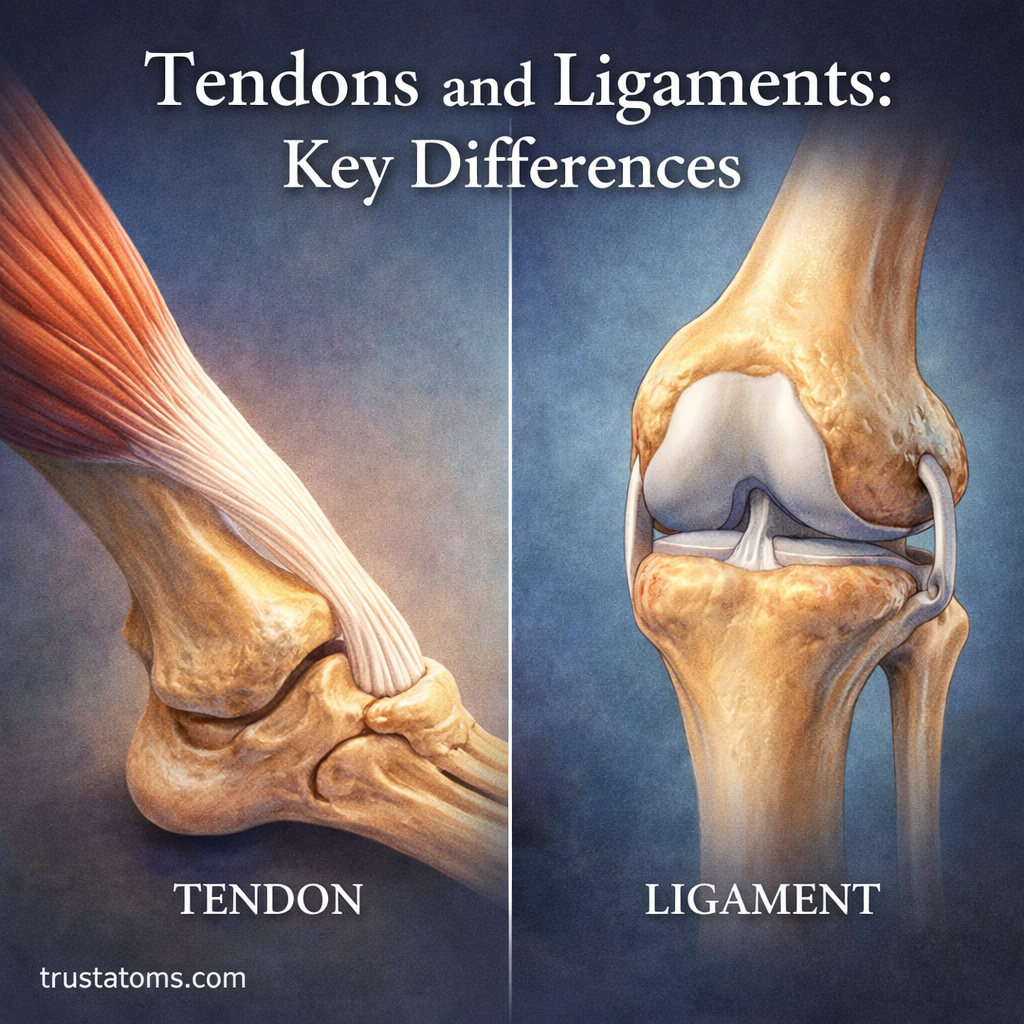
Tendons are strong, fibrous connective tissues that attach muscles to bones.
Their primary function is to transmit force from muscle contractions to bones, enabling movement.
Key Characteristics of Tendons
- Connect muscle to bone
- Made primarily of collagen fibers
- Highly tensile (can handle strong pulling forces)
- Less elastic than ligaments
- Found throughout the body (e.g., Achilles tendon, rotator cuff tendons)
How Tendons Work
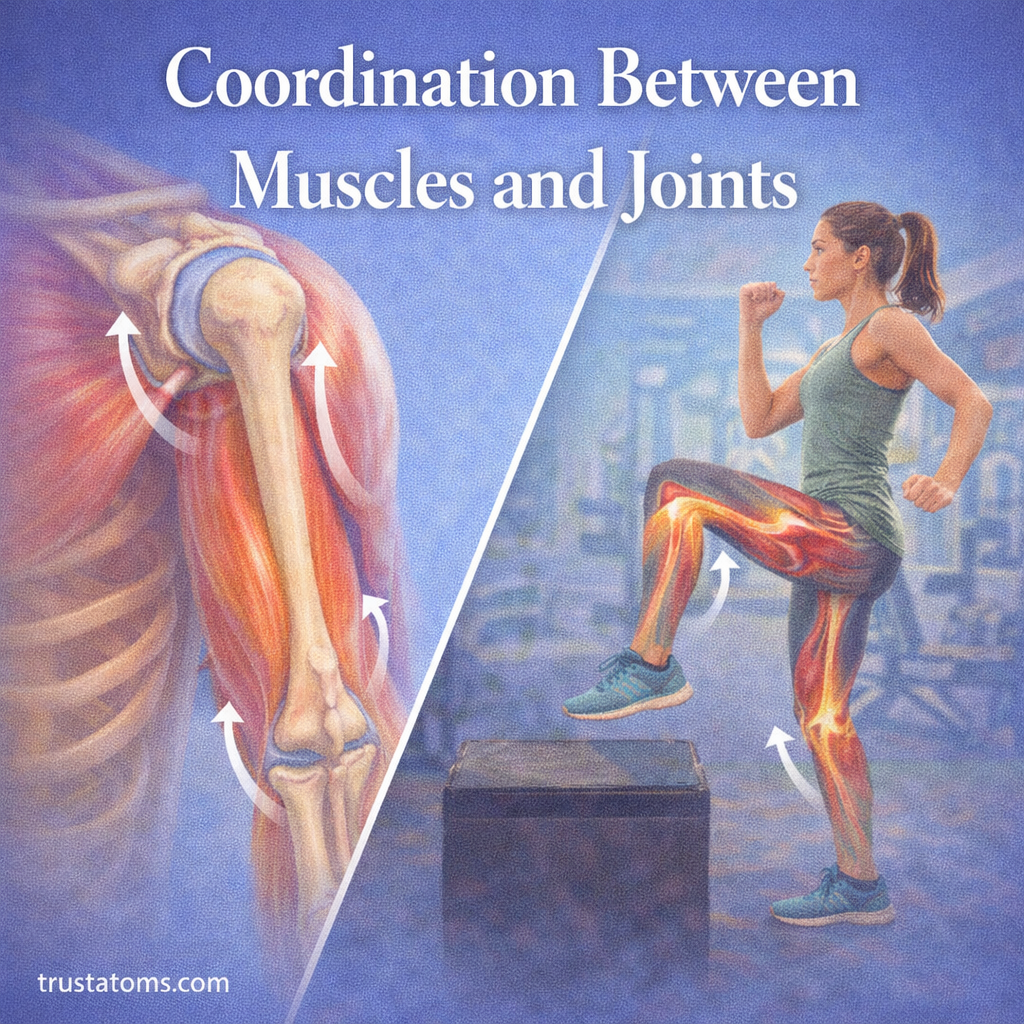
When a muscle contracts, the tendon pulls on the attached bone, creating movement at a joint. Without tendons, muscles would not be able to move the skeleton.
What Are Ligaments?
Ligaments are bands of connective tissue that connect bones to other bones.
Their main role is to stabilize joints and control the range of motion.
Key Characteristics of Ligaments
- Connect bone to bone
- Slightly more elastic than tendons
- Provide joint stability
- Help prevent excessive movement
- Commonly found in joints like the knee, ankle, and shoulder
How Ligaments Work
Ligaments hold bones together and guide joint motion. They prevent joints from moving too far in a direction that could cause injury.
Tendons vs Ligaments: Core Differences
Although both are connective tissues made largely of collagen, their roles and properties differ significantly.
Comparison Overview
Function
- Tendons: Enable movement by connecting muscle to bone
- Ligaments: Stabilize joints by connecting bone to bone
Elasticity
- Tendons: Less elastic, designed for strength
- Ligaments: More elastic, allow controlled flexibility
Injury Type
- Tendons: Tendinitis (inflammation), tendon tears
- Ligaments: Sprains (stretching or tearing)
Location
- Tendons: Between muscle and bone
- Ligaments: Between bones at joints
Why These Differences Matter
The structural differences between tendons and ligaments reflect their specific roles in the body.
Movement vs Stability
- Tendons are built for force transmission
- Ligaments are built for joint protection and control
This distinction ensures that your body can move efficiently while remaining stable.
Common Injuries Involving Tendons and Ligaments
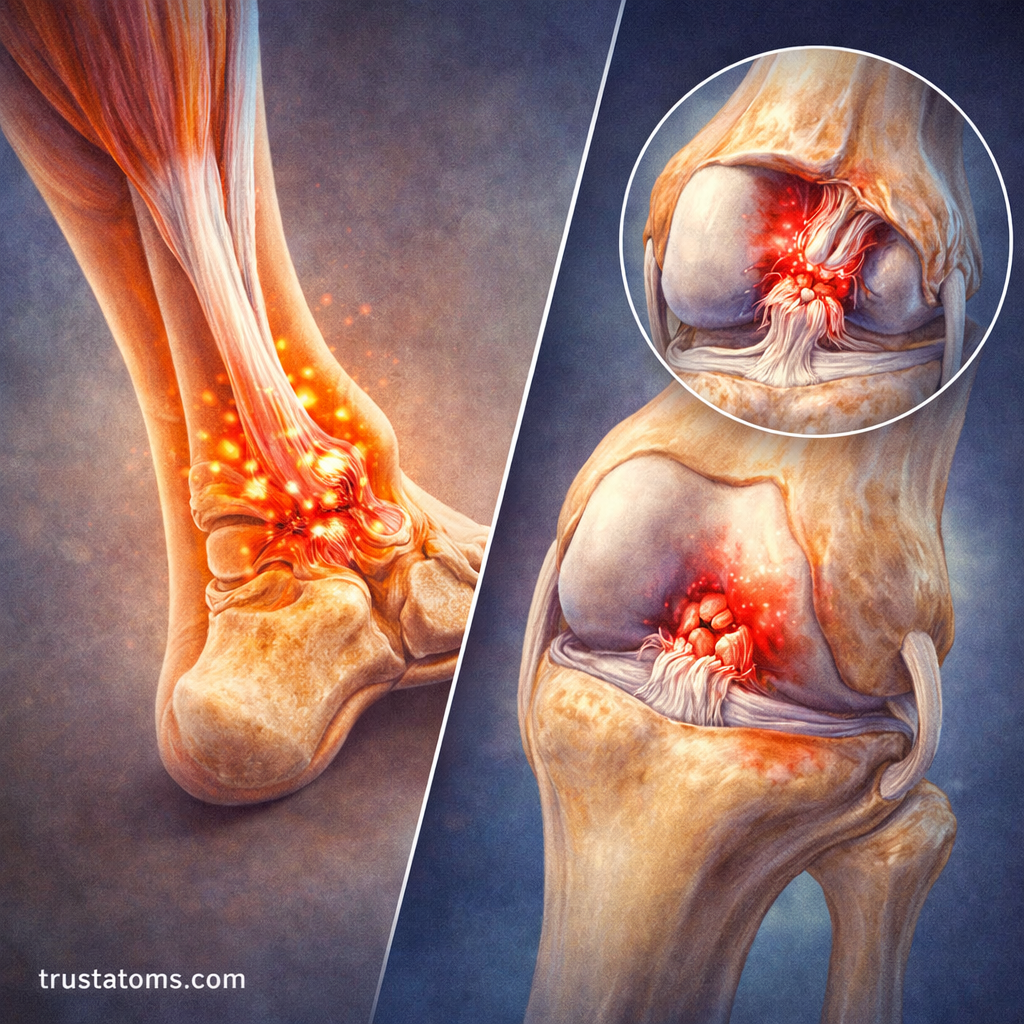
Both tendons and ligaments are prone to injury, especially during physical activity.
Tendon Injuries
- Tendinitis (overuse inflammation)
- Tendinosis (degenerative damage)
- Tendon rupture (complete tear)
Common examples:
- Achilles tendon injuries
- Tennis elbow
Ligament Injuries
- Sprains (mild to severe stretching/tearing)
- Partial or complete ligament tears
Common examples:
- ACL (anterior cruciate ligament) tear
- Ankle sprain
Healing Differences Between Tendons and Ligaments
Healing time and recovery can vary depending on the tissue involved.
Tendon Healing
- Moderate blood supply
- Can take weeks to months to heal
- Often responds well to gradual loading and physical therapy
Ligament Healing
- Limited blood supply
- Slower healing process
- Severe injuries may require surgical repair
Factors That Affect Connective Tissue Health
Maintaining healthy tendons and ligaments is essential for long-term mobility.
Key Factors
- Regular physical activity
- Proper warm-up and stretching
- Adequate hydration
- Balanced nutrition (especially protein and collagen-supporting nutrients)
- Avoiding repetitive overuse
Common Misconceptions
There are several misunderstandings about tendons and ligaments.
- They are the same tissue (they serve different roles)
- Stretching ligaments improves performance (overstretching can lead to instability)
- Tendon pain always means injury (it can also indicate overuse or strain)
Final Thoughts
Tendons and ligaments may look similar, but their functions are distinct and equally important. Tendons enable movement by connecting muscles to bones, while ligaments stabilize joints by connecting bones to each other.
Together, they form a critical support system that allows your body to move safely and efficiently. Understanding their differences not only improves your knowledge of human anatomy but also helps you prevent injuries and maintain long-term physical health.