A neuron is a specialized cell in the nervous system responsible for transmitting information throughout the body. These cells allow the brain, spinal cord, and nerves to communicate with muscles, organs, and sensory systems.
Neurons carry messages using electrical and chemical signals. This communication system enables essential functions such as movement, thinking, memory, sensation, and reflex responses.
The human nervous system contains billions of neurons, all working together to form complex communication networks that allow the body to process information and respond to the environment.
The Basic Function of Neurons
Neurons serve as the primary messengers of the nervous system. Their main job is to transmit signals from one part of the body to another.
These signals allow the body to perform many tasks, including:
- Detecting sensory information (touch, sound, light, temperature)
- Processing thoughts and memories
- Controlling muscle movement
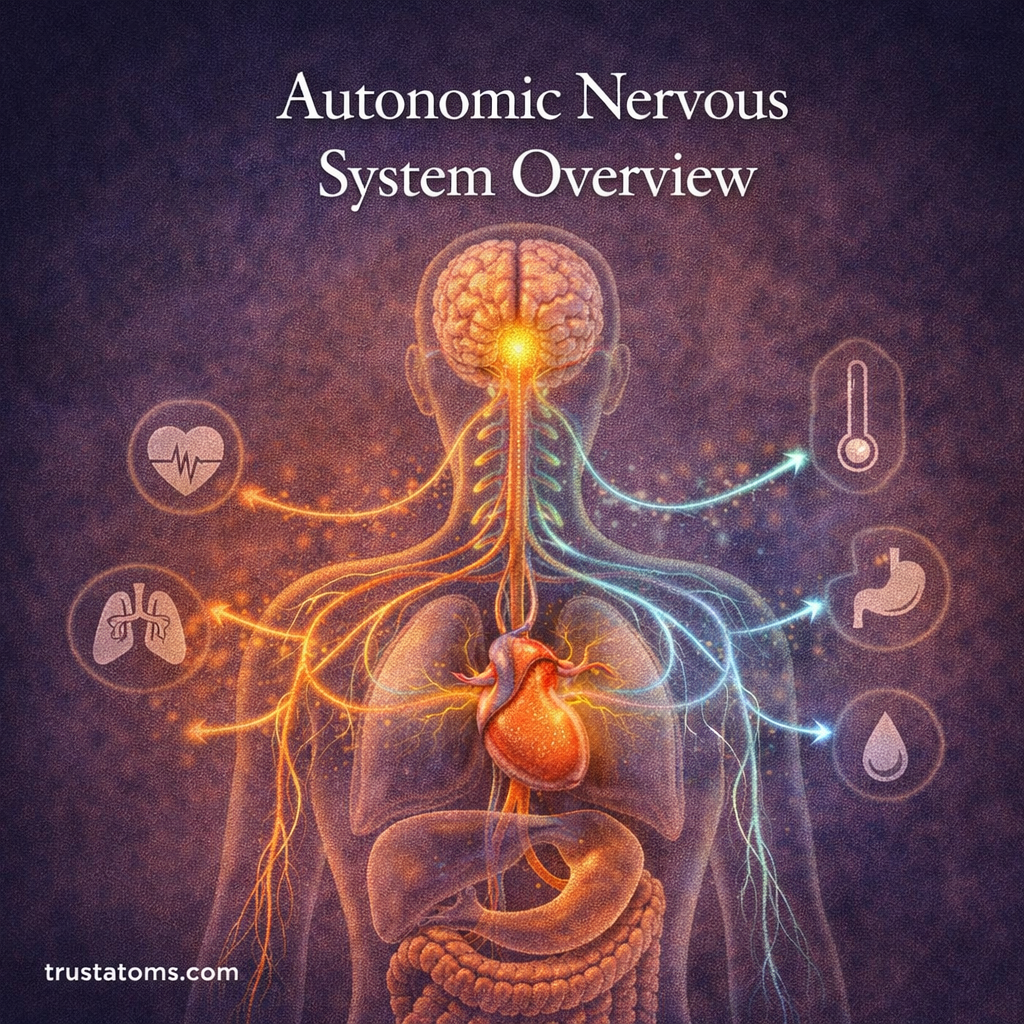
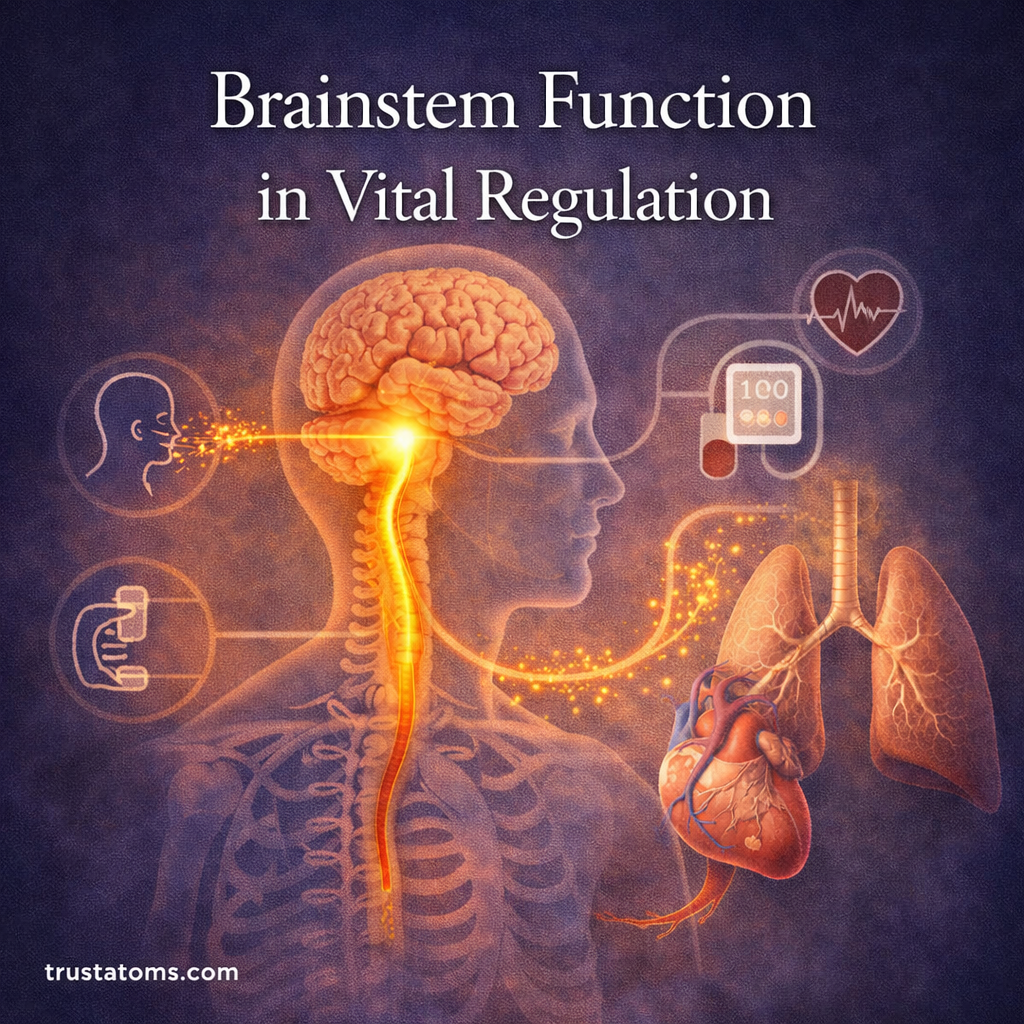
- Regulating automatic functions like breathing and heart rate
- Coordinating reflex actions
Neurons communicate with each other through rapid electrical impulses that travel along nerve pathways.
The Structure of a Neuron
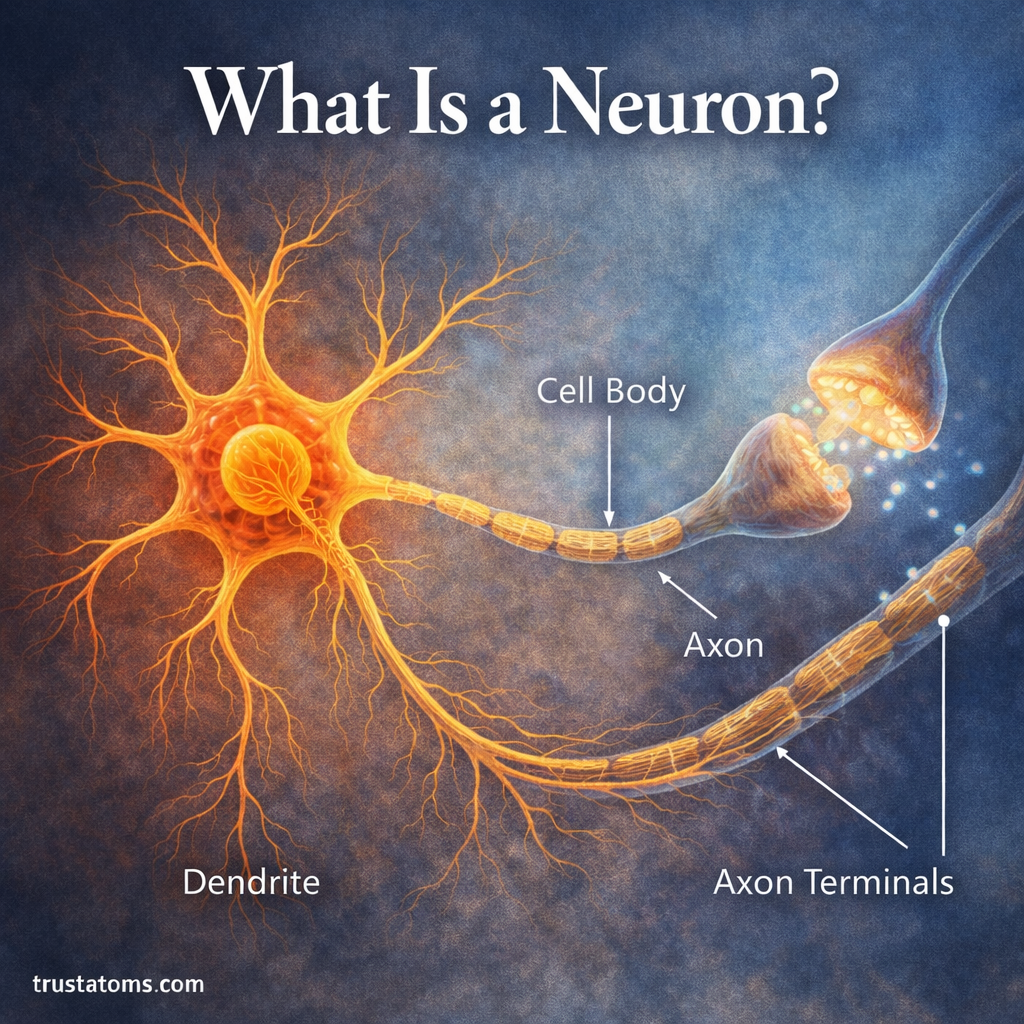
Although neurons come in different shapes and sizes, most share a similar structure with three main parts.
1. Dendrites
Dendrites are branch-like extensions that receive signals from other neurons.
Their key characteristics include:
- Receiving incoming messages
- Carrying signals toward the cell body
- Forming connections with other nerve cells
A single neuron may have many dendrites, allowing it to receive information from multiple sources.
2. Cell Body (Soma)
The cell body, also called the soma, is the central part of the neuron.
It contains:
- The cell nucleus
- Genetic material (DNA)
- Structures that maintain the cell’s function
The soma processes the signals received from dendrites and determines whether the neuron should pass the signal along.
3. Axon
The axon is a long, thin extension that carries electrical signals away from the cell body.
Key features of axons include:
- Transmitting electrical impulses to other neurons or muscles
- Often extending long distances within the body
- Ending in small branches called axon terminals
Some axons can be over one meter long, especially those connecting the spinal cord to the limbs.
The Myelin Sheath
Many neurons are surrounded by a protective covering called the myelin sheath.
The myelin sheath:
- Insulates the axon
- Speeds up signal transmission
- Protects nerve fibers
This insulation allows electrical signals to travel much faster along the neuron.
In certain diseases, such as multiple sclerosis, damage to the myelin sheath interferes with nerve communication.
How Neurons Transmit Signals
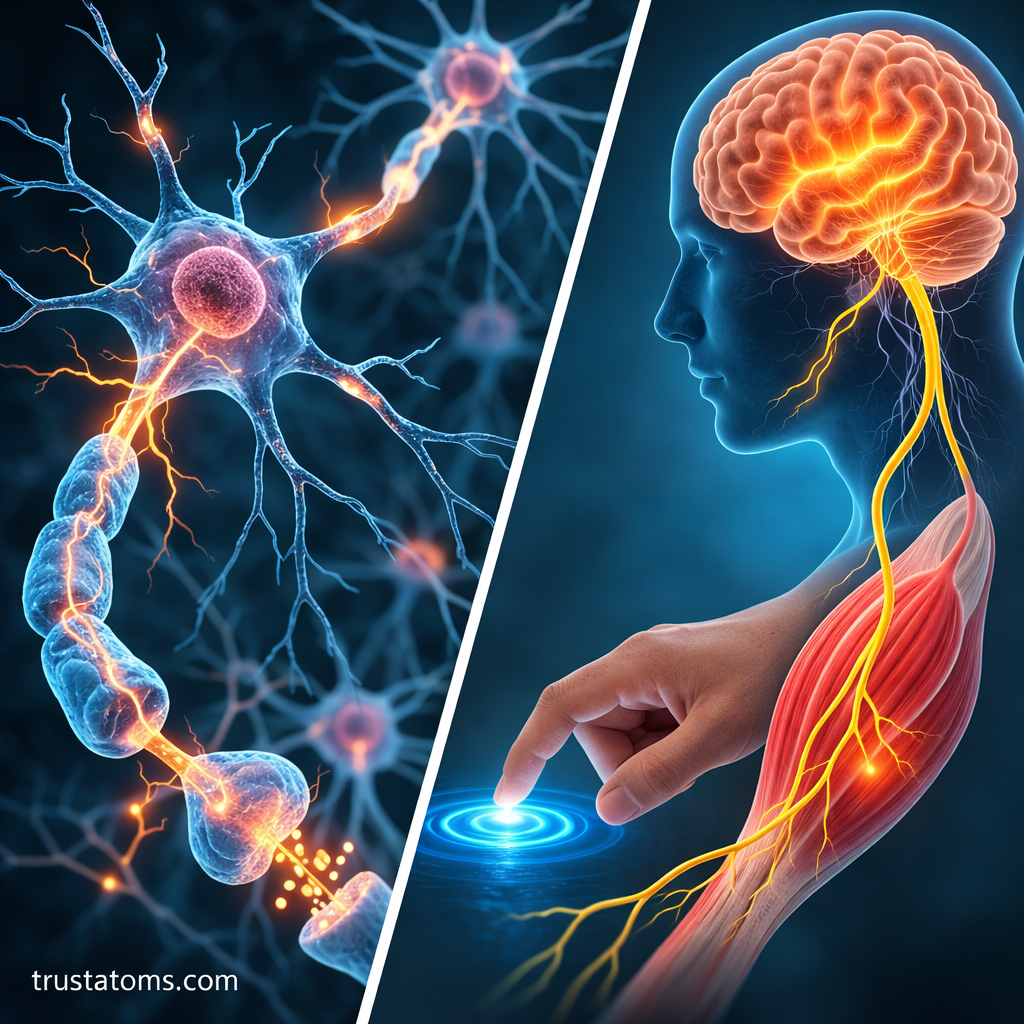
Neurons communicate through a process that involves both electrical and chemical signals.
The process typically follows these steps:
- A neuron receives a signal through its dendrites
- The signal travels to the cell body
- An electrical impulse moves along the axon
- The impulse reaches the axon terminals
- Chemical messengers called neurotransmitters are released
These neurotransmitters cross a tiny gap between neurons known as a synapse and deliver the signal to the next cell.
This chain reaction allows messages to travel rapidly throughout the nervous system.
Types of Neurons
Neurons can be classified based on their functions in the nervous system.
Sensory Neurons
Sensory neurons carry information from the body’s sensory receptors to the central nervous system.
Examples include signals related to:
- Touch
- Pain
- Temperature
- Light
- Sound
These neurons allow the brain to detect and interpret changes in the environment.
Motor Neurons
Motor neurons transmit signals from the brain or spinal cord to muscles and glands.
Their functions include:
- Controlling muscle movement
- Triggering gland activity
- Coordinating voluntary actions
Motor neurons allow the body to respond to commands from the brain.
Interneurons
Interneurons act as connectors between other neurons.
They are found mainly in the brain and spinal cord and are responsible for:
- Processing information
- Integrating signals
- Coordinating complex responses
Most neurons in the human nervous system are interneurons.
How Neurons Form Networks
Neurons rarely function alone. Instead, they form extensive networks that allow information to flow throughout the nervous system.
These networks make it possible for the brain to perform complex tasks such as:
- Learning new skills
- Storing memories
- Making decisions
- Interpreting sensory experiences
A single neuron may connect with thousands of other neurons, forming massive communication systems within the brain.
Speed of Neural Communication
Signals in neurons travel extremely quickly.
Electrical impulses can move along axons at speeds of up to 120 meters per second (about 270 miles per hour).
This rapid communication allows the body to:
- React quickly to danger
- Maintain balance and coordination
- Process sensory information instantly
Fast neural communication is essential for survival and everyday activities.
Why Neurons Are Important
Neurons are fundamental to nearly every function of the human body. Without them, the brain would not be able to communicate with the rest of the body.
They are responsible for:
- Movement and coordination
- Sensory perception
- Thought and memory
- Emotional responses
- Reflexes and automatic functions
Damage to neurons can disrupt communication in the nervous system, leading to neurological disorders or loss of certain body functions.
Final Thoughts
Neurons are the building blocks of the nervous system. These specialized cells allow the brain, spinal cord, and peripheral nerves to communicate with every part of the body.
Through electrical impulses and chemical signals, neurons create complex networks that support movement, thought, sensation, and automatic body processes. Understanding how neurons work provides insight into how the nervous system functions and why maintaining nerve health is essential for overall well-being.