The digestive system is a complex network of organs that work together to break down food, absorb nutrients, and eliminate waste. It plays a vital role in keeping the body energized, nourished, and functioning properly.
Every time you eat, your digestive system begins a coordinated process that transforms food into usable fuel for cells, tissues, and organs.
Overview of the Digestive System
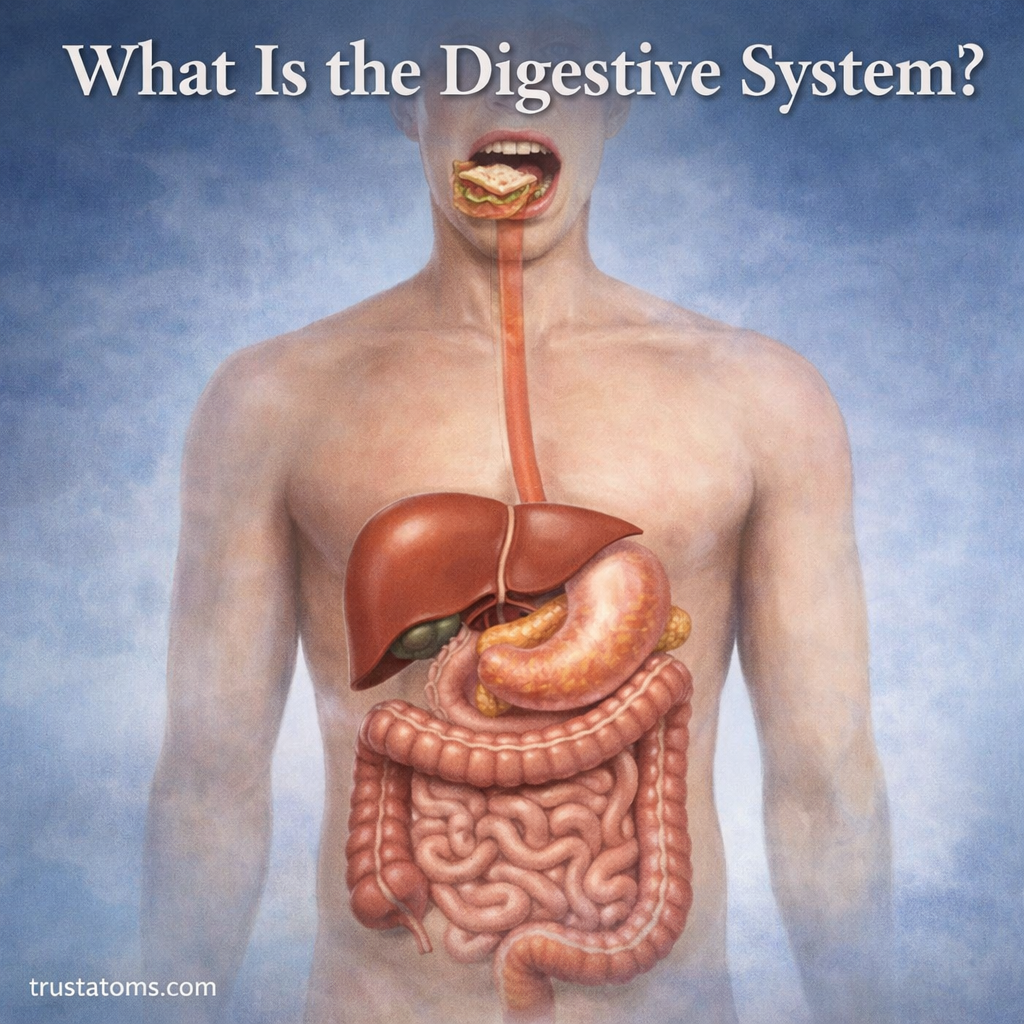
The digestive system includes a series of connected organs known as the gastrointestinal (GI) tract, along with accessory organs that assist in digestion.
Main Organs of the GI Tract
- Mouth
- Esophagus
- Stomach
- Small intestine
- Large intestine (colon)
- Rectum and anus
Accessory Organs
- Liver
- Pancreas
- Gallbladder
Each part plays a specific role in processing food and extracting nutrients.
The Main Functions of the Digestive System
The digestive system performs several key functions that are essential for survival:
1. Ingestion
- The process of taking in food through the mouth
- Begins digestion with chewing and saliva
2. Digestion
- Mechanical digestion: breaking food into smaller pieces
- Chemical digestion: enzymes break down nutrients
3. Absorption
- Nutrients pass through the intestinal walls into the bloodstream
- Occurs mainly in the small intestine
4. Elimination
- Removal of undigested waste from the body
- Occurs through the large intestine and rectum
Step-by-Step: How Digestion Works
The digestive process follows a clear pathway through the body.
Step 1: Mouth
- Teeth break food into smaller pieces
- Saliva contains enzymes that begin carbohydrate digestion
Step 2: Esophagus
- A muscular tube that moves food to the stomach
- Uses wave-like contractions called peristalsis
Step 3: Stomach
- Mixes food with digestive juices
- Breaks down proteins using acid and enzymes
- Turns food into a semi-liquid substance called chyme
Step 4: Small Intestine
The small intestine is the primary site of digestion and absorption.
- Receives enzymes from the pancreas
- Receives bile from the liver (stored in the gallbladder)
- Breaks down fats, proteins, and carbohydrates
Nutrients absorbed include:
- Vitamins
- Minerals
- Amino acids
- Fatty acids
Step 5: Large Intestine
- Absorbs water and electrolytes
- Forms and stores solid waste
- Contains beneficial bacteria that aid digestion
Step 6: Rectum and Anus
- Store waste before elimination
- Control the release of waste from the body
Role of Accessory Organs
Accessory organs support digestion even though food does not pass through them directly.
Liver
- Produces bile to help digest fats
- Processes nutrients absorbed from the intestine
Gallbladder
- Stores and releases bile into the small intestine
Pancreas
- Produces enzymes that break down carbohydrates, proteins, and fats
- Releases these enzymes into the small intestine
Key Processes in Digestion
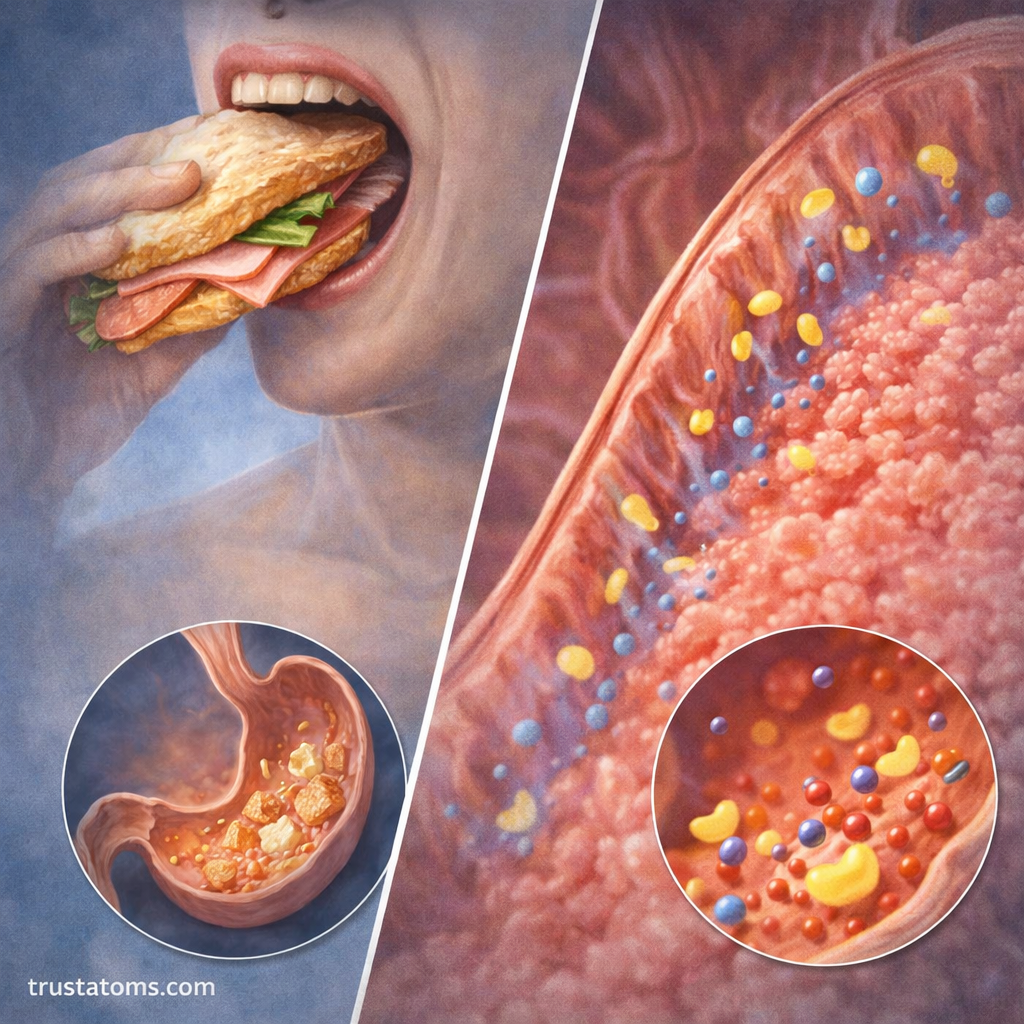
Mechanical Digestion
- Physical breakdown of food
- Occurs through chewing and stomach mixing
Chemical Digestion
- Enzymes break down food into smaller molecules
- Allows nutrients to be absorbed into the bloodstream
Peristalsis
- Rhythmic muscle contractions
- Moves food along the digestive tract
Why the Digestive System Is Important
The digestive system supports overall health by:
- Providing energy for daily activities
- Supplying essential nutrients for growth and repair
- Supporting immune function through gut bacteria
- Maintaining fluid and electrolyte balance
Without proper digestion, the body cannot function efficiently.
Common Digestive System Issues
Problems in the digestive system can affect nutrient absorption and overall well-being.
Some common issues include:
- Acid reflux (GERD)
- Irritable bowel syndrome (IBS)
- Constipation
- Diarrhea
- Ulcers
These conditions often result from imbalances in digestion, diet, or gut health.
Tips for Supporting a Healthy Digestive System
Maintaining digestive health can improve overall wellness.
Healthy Habits
- Eat a balanced diet rich in fiber
- Drink plenty of water
- Chew food thoroughly
- Exercise regularly
Lifestyle Considerations
- Limit processed and high-fat foods
- Manage stress levels
- Maintain consistent eating patterns
Small daily habits can make a big difference in digestive efficiency.
Final Thoughts
The digestive system is essential for turning food into the nutrients your body needs to survive and thrive. From the moment food enters the mouth to the elimination of waste, each step is carefully coordinated.
Understanding how the digestive system works can help you make better choices for your health, improve digestion, and prevent common issues over time.