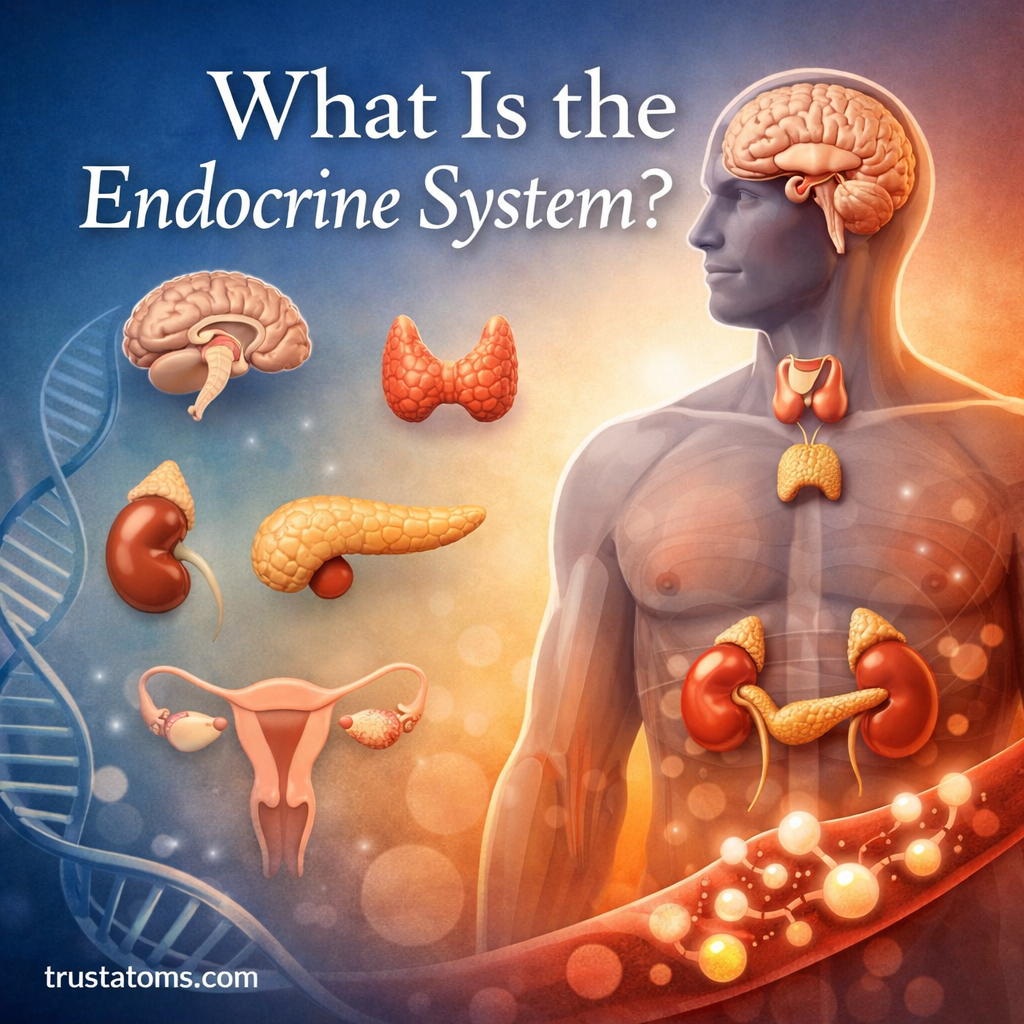
The endocrine system is a network of glands and organs that produce and release hormones—chemical messengers that travel through the bloodstream to regulate many of the body’s essential functions. From growth and metabolism to mood and reproduction, this system plays a central role in keeping your body balanced and functioning properly.
Unlike the nervous system, which sends rapid electrical signals, the endocrine system works more slowly but has longer-lasting effects. It helps maintain stability in the body, a process known as homeostasis.
What Does the Endocrine System Do?
The primary job of the endocrine system is to regulate bodily processes through hormones. These hormones influence how cells and organs behave.
Key functions include:
- Regulating metabolism (how the body uses energy)
- Controlling growth and development
- Managing mood and emotional responses
- Supporting sexual function and reproduction
- Maintaining sleep cycles and circadian rhythms
- Helping the body respond to stress
Each hormone has a specific role and target, ensuring that different systems in the body stay coordinated.
Major Glands of the Endocrine System
The endocrine system is made up of several glands, each responsible for producing specific hormones.
Hypothalamus
Located in the brain, the hypothalamus acts as a bridge between the nervous and endocrine systems. It controls the release of hormones from the pituitary gland.
Pituitary Gland
Often called the “master gland,” the pituitary gland directs other endocrine glands. It produces hormones that influence growth, reproduction, and more.
Thyroid Gland
The thyroid regulates metabolism, energy levels, and body temperature through hormones like thyroxine (T4) and triiodothyronine (T3).
Parathyroid Glands
These small glands control calcium levels in the blood and bones, which are critical for muscle function and nerve signaling.
Adrenal Glands
Located on top of the kidneys, the adrenal glands produce hormones like adrenaline and cortisol. These help the body respond to stress and regulate blood pressure.
Pancreas
The pancreas plays a dual role in digestion and hormone production. It releases insulin and glucagon to control blood sugar levels.
Pineal Gland
This gland regulates sleep patterns by producing melatonin, a hormone influenced by light exposure.
Reproductive Glands (Gonads)
- Ovaries (in females) produce estrogen and progesterone
- Testes (in males) produce testosterone
These hormones are essential for sexual development and reproduction.
How Hormones Work
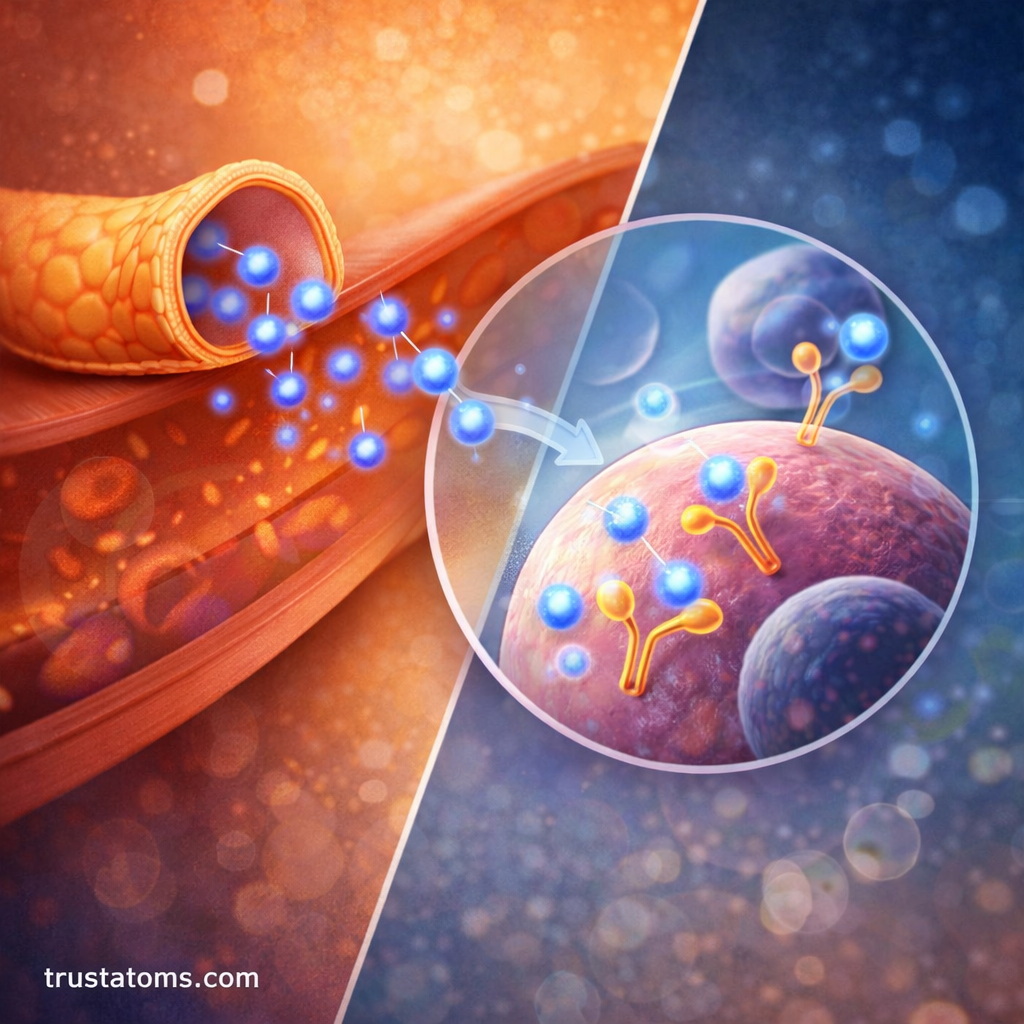
Hormones are released into the bloodstream and travel to specific target cells. These cells have receptors that recognize and respond to particular hormones.
Here’s how the process works:
- A gland produces a hormone
- The hormone enters the bloodstream
- It travels to a target organ or tissue
- The target cells respond based on the hormone’s signal
This system ensures precise communication across different parts of the body.
The Importance of Hormonal Balance
For the endocrine system to function properly, hormone levels must stay within a balanced range. Too much or too little of a hormone can disrupt normal body functions.
Examples of imbalance include:
- Low insulin → high blood sugar (diabetes)
- Low thyroid hormones → slow metabolism (hypothyroidism)
- High cortisol → chronic stress effects
The body uses feedback loops—especially negative feedback—to regulate hormone production and maintain stability.
Endocrine System vs Nervous System
While both systems coordinate body functions, they operate differently:
- Endocrine system:
- Uses hormones
- Slower response
- Long-lasting effects
- Nervous system:
- Uses electrical signals
- Rapid response
- Short-term effects
Together, these systems work to keep the body functioning efficiently.
Common Endocrine Disorders
When the endocrine system doesn’t function properly, it can lead to various health conditions.
Some common disorders include:
- Diabetes (insulin imbalance)
- Hypothyroidism and hyperthyroidism
- Adrenal insufficiency
- Polycystic ovary syndrome (PCOS)
- Growth hormone disorders
Early detection and proper management are important for maintaining overall health.
Why the Endocrine System Matters
The endocrine system influences nearly every cell, organ, and function in the body. It helps regulate internal processes, adapt to changes, and maintain long-term balance.
Without it, the body would struggle to:
- Maintain stable energy levels
- Respond to environmental changes
- Grow and develop properly
- Reproduce effectively
Final Thoughts
The endocrine system is a vital communication network that keeps your body in balance through the use of hormones. Though it works quietly in the background, its impact is far-reaching—affecting everything from your mood to your metabolism.
Understanding how this system works provides insight into how the body maintains stability and what can happen when that balance is disrupted.