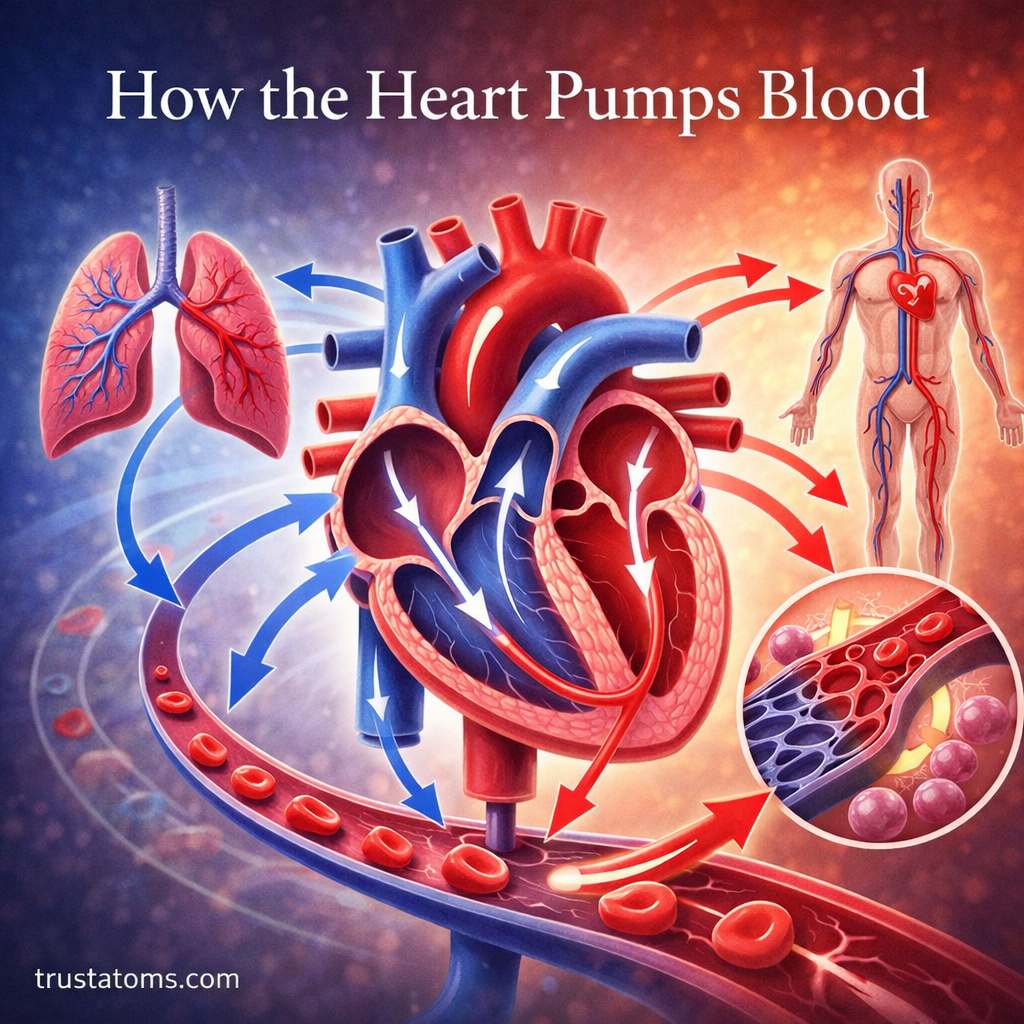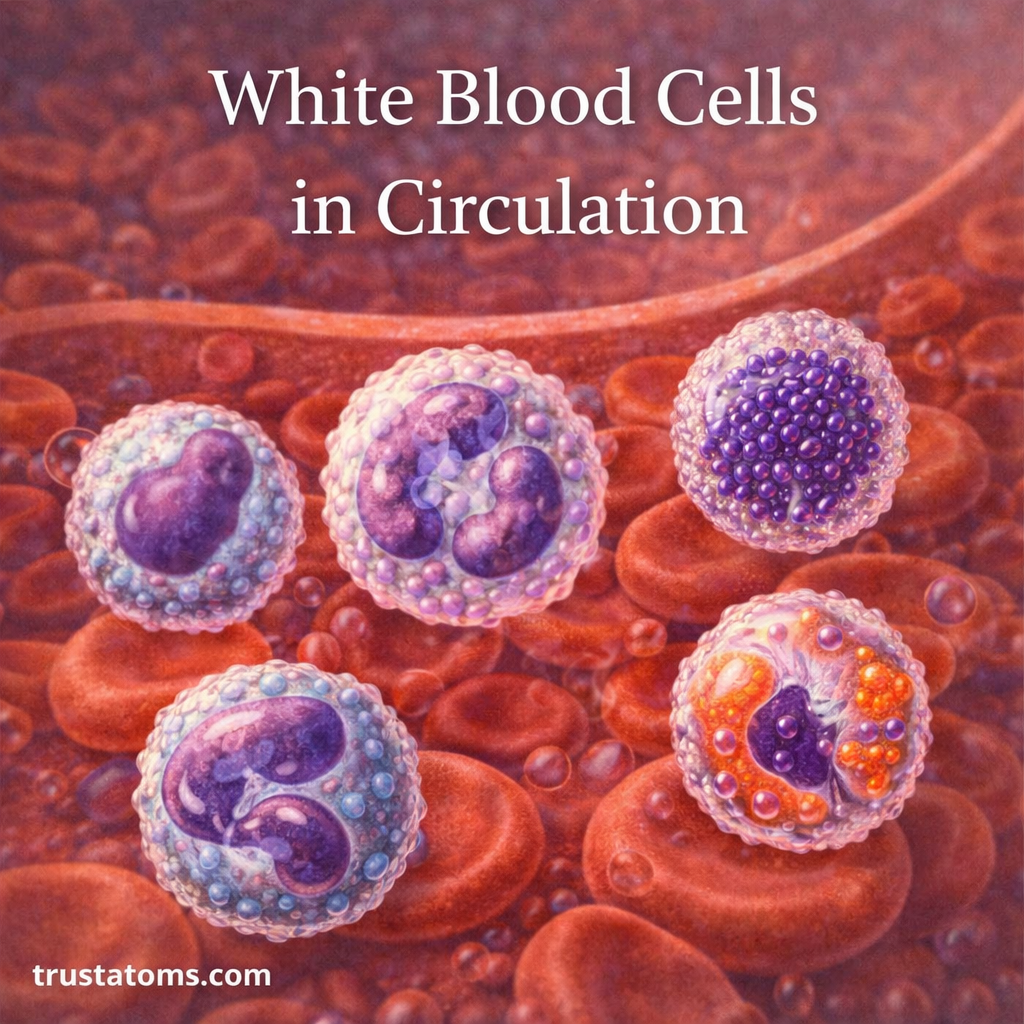
White blood cells are a crucial part of the body’s defense system. Unlike red blood cells, which primarily transport oxygen, white blood cells (leukocytes) protect the body against infections, foreign invaders, and abnormal cells.
Their ability to circulate through the bloodstream and move into tissues makes them essential for maintaining health and responding to threats.
What Are White Blood Cells?
White blood cells are specialized cells of the immune system that help identify and eliminate harmful substances.
Key Characteristics
- Fewer in number than red blood cells
- Contain a nucleus
- Can change shape and move actively
- Found in blood and tissues
They circulate through the bloodstream but can leave blood vessels when needed to fight infections.
How White Blood Cells Circulate
White blood cells travel throughout the body using both the circulatory and lymphatic systems.
Movement in Blood Vessels
- Carried along with blood flow
- Patrol the bloodstream for signs of infection
- Interact with vessel walls when activated
Exiting the Bloodstream
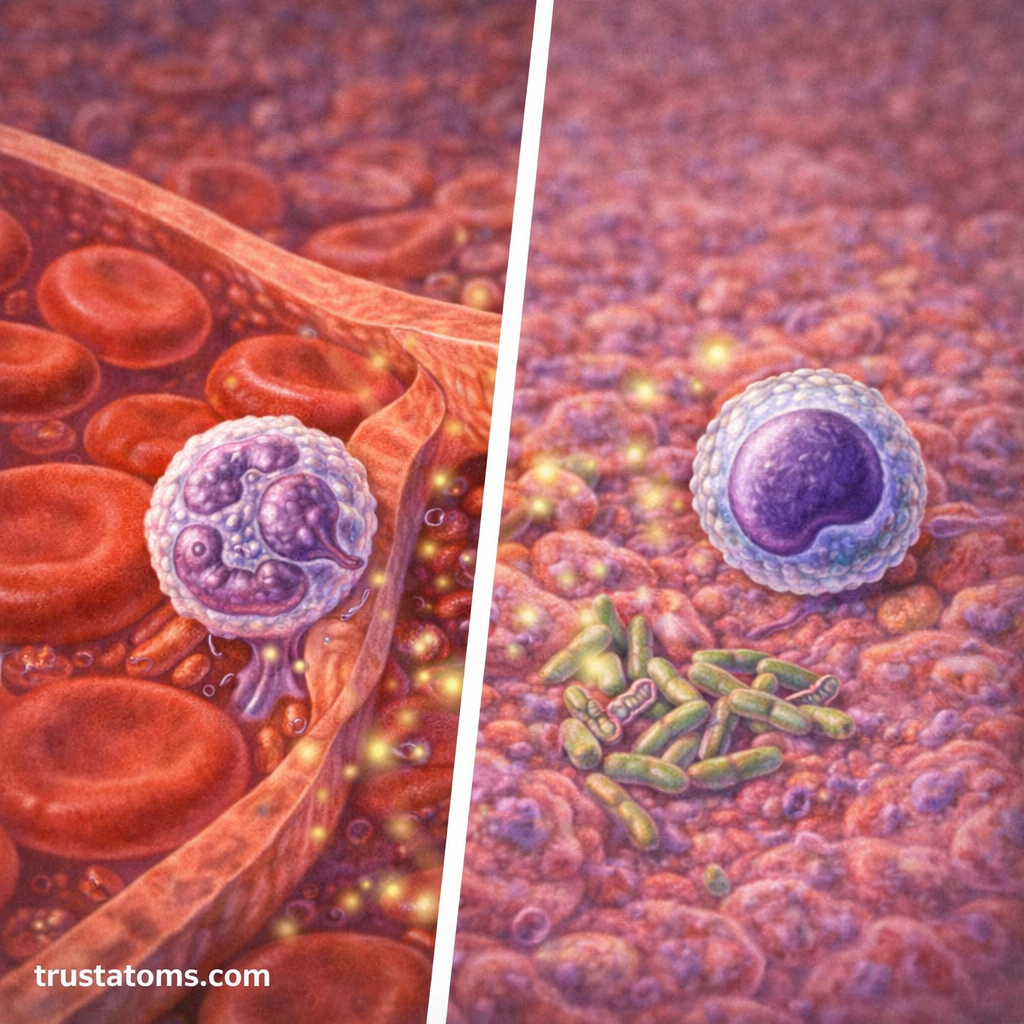
White blood cells can move out of blood vessels through a process called diapedesis.
Steps involved:
- Detect chemical signals from infected or damaged tissues
- Slow down and attach to vessel walls
- Squeeze through the vessel lining
- Enter surrounding tissue to respond to threats
This ability allows them to reach infection sites quickly.
Types of White Blood Cells in Circulation
Different types of white blood cells perform specific roles in immune defense.
Neutrophils
Neutrophils are the most abundant white blood cells and act as first responders.
Functions
- Attack bacteria and fungi
- Engulf and destroy pathogens (phagocytosis)
- Respond quickly to infection
Lymphocytes
Lymphocytes are key players in targeted immune responses.
Types
- B cells – produce antibodies
- T cells – destroy infected or abnormal cells
Functions
- Recognize specific pathogens
- Provide long-term immune memory
Monocytes
Monocytes circulate in the blood and transform into macrophages when they enter tissues.
Functions
- Engulf pathogens and debris
- Present antigens to other immune cells
- Support long-term immune response
Eosinophils
Eosinophils are involved in responses to parasites and allergic reactions.
Functions
- Combat parasitic infections
- Contribute to inflammation in allergies
Basophils
Basophils are the least common type of white blood cell.
Functions
- Release histamine and other chemicals
- Trigger inflammatory responses
- Play a role in allergic reactions
How White Blood Cells Detect Threats
White blood cells rely on chemical signals and receptors to identify danger.
Detection Mechanisms
- Recognize foreign molecules (antigens)
- Respond to chemical signals from damaged tissues
- Communicate with other immune cells
This system allows the body to quickly detect and respond to infections.
Role of White Blood Cells in Immune Response
White blood cells coordinate both immediate and long-term defense.
Innate Immunity (Immediate Response)
- Neutrophils and monocytes respond quickly
- Provide general protection against pathogens
Adaptive Immunity (Targeted Response)
- Lymphocytes create specific responses
- Build memory for faster future reactions
Together, these systems provide comprehensive protection.
Factors That Affect White Blood Cell Function
Several factors can influence how effectively white blood cells function.
Health and Lifestyle
- Nutrition (vitamins and minerals)
- Sleep and stress levels
- Physical activity
Medical Conditions
- Infections
- Immune disorders
- Bone marrow diseases
External Factors
- Medications (e.g., chemotherapy)
- Exposure to toxins
Maintaining a healthy lifestyle supports optimal immune function.
Common Conditions Related to White Blood Cells
Abnormal white blood cell levels can indicate health issues.
Leukocytosis
- Elevated white blood cell count
- Often indicates infection or inflammation
Leukopenia
- Low white blood cell count
- Increases risk of infection
Leukemia
- Cancer affecting white blood cells
- Disrupts normal immune function
Key Takeaways
- White blood cells are essential for immune defense
- They circulate in the blood and can enter tissues
- Different types perform specialized roles
- They detect and respond to infections and damage
- Balanced white blood cell levels are crucial for health
Final Thoughts
White blood cells are constantly on patrol, protecting the body from threats both inside and outside. Their ability to circulate, detect danger, and respond quickly makes them one of the most important components of the immune system.
Understanding how white blood cells function in circulation provides valuable insight into how your body defends itself every day.