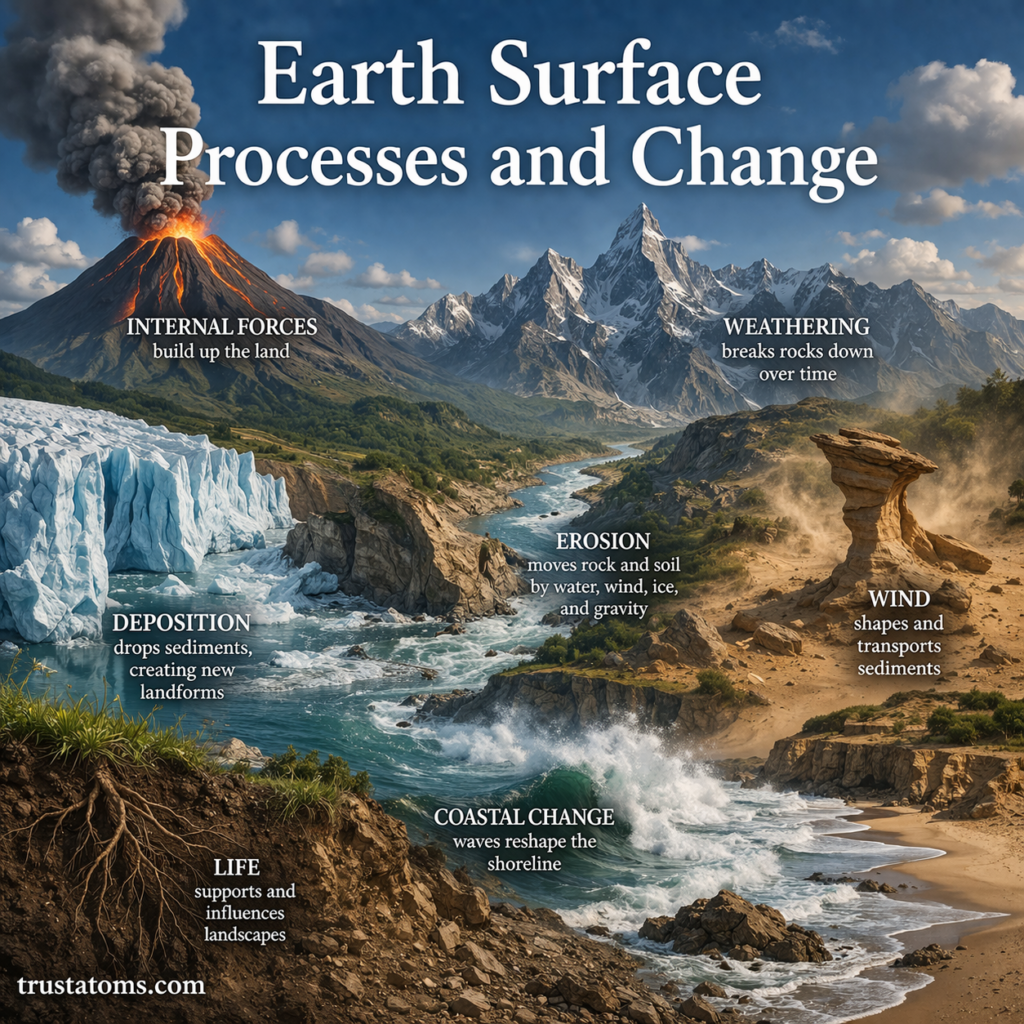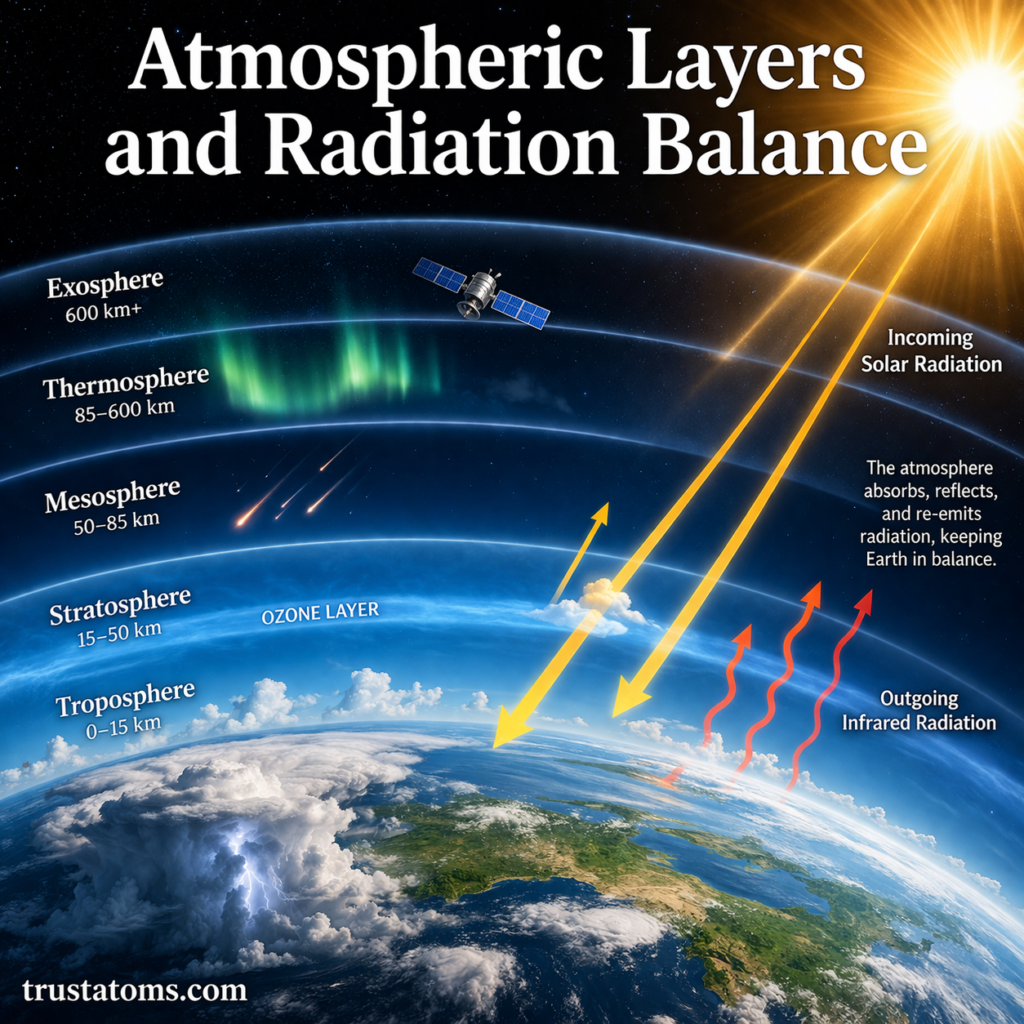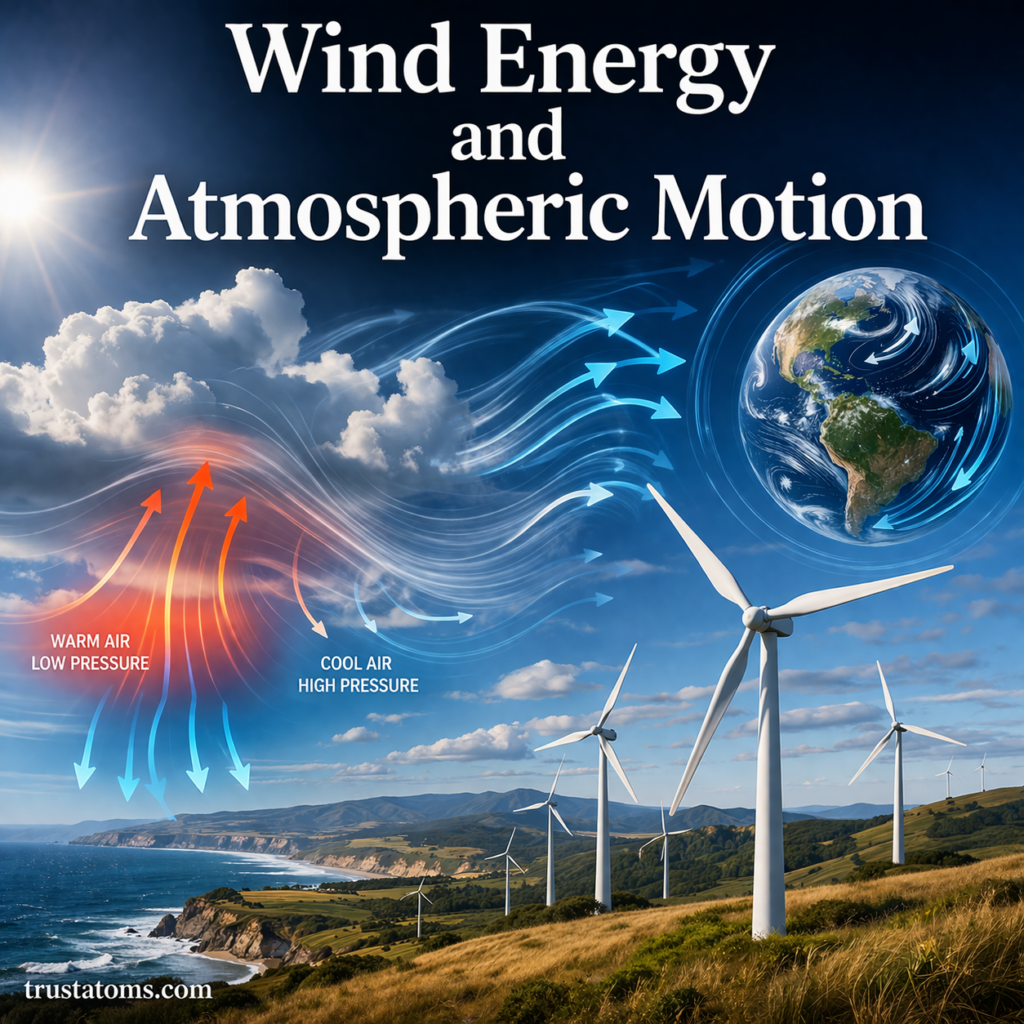
Wind is more than just moving air—it’s a powerful result of Earth’s energy system. From gentle breezes to strong global currents, wind is driven by differences in temperature and pressure across the planet. Today, this natural movement is also harnessed as a clean, renewable energy source.
Understanding how atmospheric motion creates wind helps explain both weather patterns and how wind energy works.
What Is Wind?
Wind is the movement of air from areas of high pressure to areas of low pressure.
This movement is caused by uneven heating of Earth’s surface by the Sun.
Why Air Moves
- Warm air rises, creating low-pressure areas
- Cool air sinks, creating high-pressure areas
- Air flows from high to low pressure to balance the system
This constant movement drives atmospheric circulation and weather.
What Causes Atmospheric Motion?
Atmospheric motion is influenced by several key factors working together.
1. Uneven Solar Heating
Different parts of Earth receive different amounts of solar energy.
- Equatorial regions receive more direct sunlight
- Polar regions receive less energy
- This creates temperature and pressure differences
2. Earth’s Rotation (Coriolis Effect)
Earth’s rotation causes moving air to curve.
- Winds curve to the right in the Northern Hemisphere
- Winds curve to the left in the Southern Hemisphere
This effect shapes global wind patterns.
3. Pressure Gradients
The greater the difference in pressure, the stronger the wind.
- Steep pressure gradients = strong winds
- Gentle gradients = light winds
4. Surface Features
Landforms influence how wind moves.
- Mountains can block or redirect airflow
- Oceans allow smoother wind flow
- Urban areas can slow or disrupt wind
Global Wind Patterns
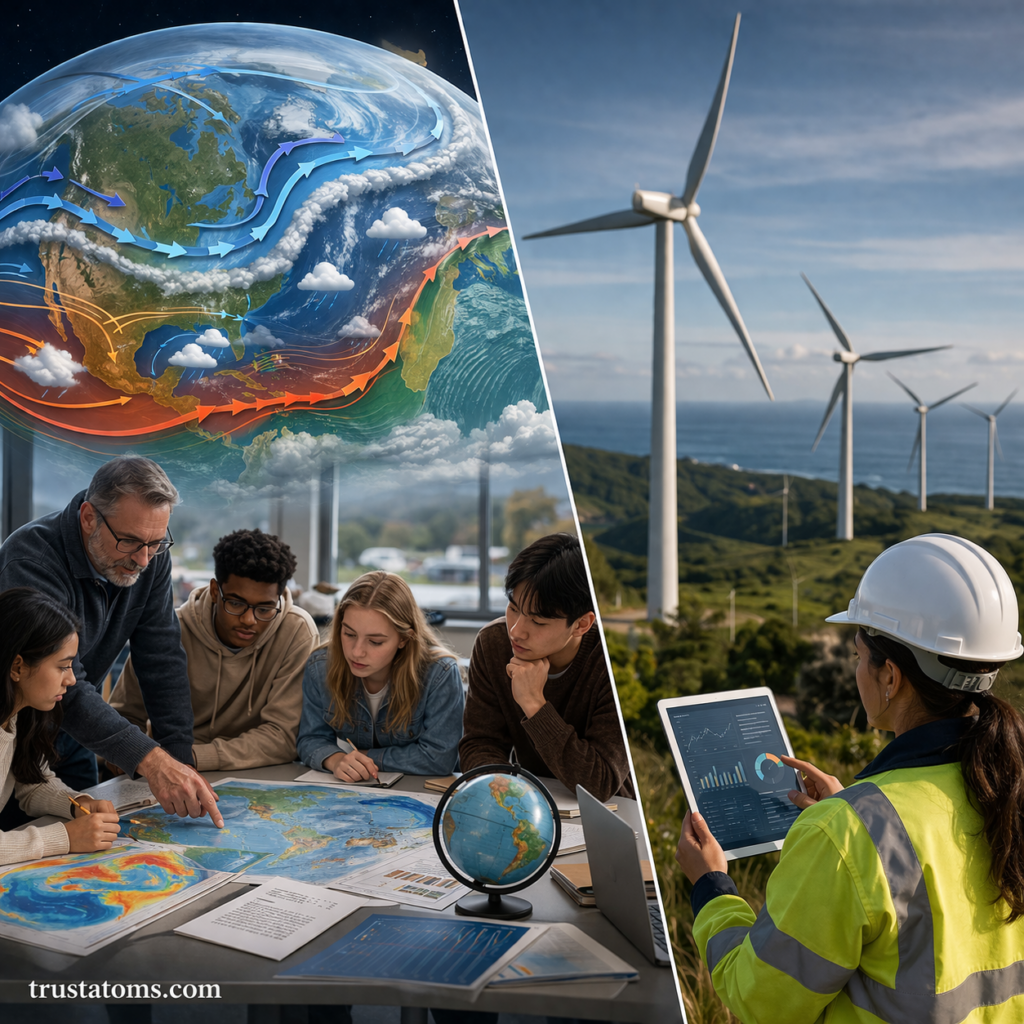
Large-scale wind systems circulate air around the planet.
Major Wind Belts
- Trade Winds: Blow from east to west near the equator
- Westerlies: Blow from west to east in mid-latitudes
- Polar Easterlies: Cold winds near the poles
Jet Streams
Jet streams are fast-moving air currents high in the atmosphere.
- Influence weather systems
- Guide storms and temperature patterns
- Shift with the seasons
What Is Wind Energy?
Wind energy is the process of converting the kinetic energy of moving air into usable electricity.
It is one of the fastest-growing renewable energy sources worldwide.
How Wind Turbines Work
Wind turbines capture wind energy and convert it into electrical power.
Basic Process
- Wind turns the turbine blades
- Blades spin a rotor connected to a shaft
- The shaft drives a generator
- Electricity is produced and sent to the grid
Key Components
- Blades: Capture wind energy
- Rotor: Connects blades to the shaft
- Generator: Converts motion into electricity
- Tower: Elevates turbine to stronger winds
Factors That Affect Wind Energy Production
Not all locations are equally suitable for wind energy.
Important Factors
- Wind speed and consistency
- Elevation and terrain
- Distance from obstacles (buildings, trees)
- Air density (affected by temperature and altitude)
Stronger and more consistent winds produce more energy.
Advantages of Wind Energy
Wind energy offers several environmental and economic benefits.
Key Benefits
- Renewable and sustainable
- No direct greenhouse gas emissions
- Reduces reliance on fossil fuels
- Low operating costs after installation
Challenges of Wind Energy
Despite its benefits, wind energy has limitations.
Common Challenges
- Intermittent (wind is not always constant)
- Requires large land areas
- Visual and noise concerns
- Potential impacts on wildlife (e.g., birds and bats)
Wind Energy and Climate Change
Wind energy plays a key role in reducing global carbon emissions.
Why It Matters
- Replaces fossil fuel-based energy sources
- Helps slow global warming
- Supports clean energy transitions
Real-World Applications
Wind energy is used worldwide in both large and small systems.
Examples
- Large wind farms generating electricity for cities
- Offshore wind turbines harnessing ocean winds
- Small turbines for homes and rural areas
The Future of Wind Energy
Advancements in technology are improving efficiency and accessibility.
Emerging Trends
- Larger, more efficient turbines
- Floating offshore wind farms
- Improved energy storage systems
- Integration with smart power grids
Key Takeaways
- Wind is caused by pressure differences from uneven solar heating
- Atmospheric motion is influenced by Earth’s rotation and surface features
- Global wind patterns shape climate and weather
- Wind energy converts moving air into electricity
- It is a clean, renewable energy source with growing importance
Final Thoughts
Wind energy and atmospheric motion are closely connected parts of Earth’s energy system. What begins as uneven heating from the Sun ultimately powers global winds—and those winds can be harnessed to generate clean electricity.
As technology advances and the need for sustainable energy grows, wind energy will continue to play a vital role in shaping a more resilient and environmentally friendly future.