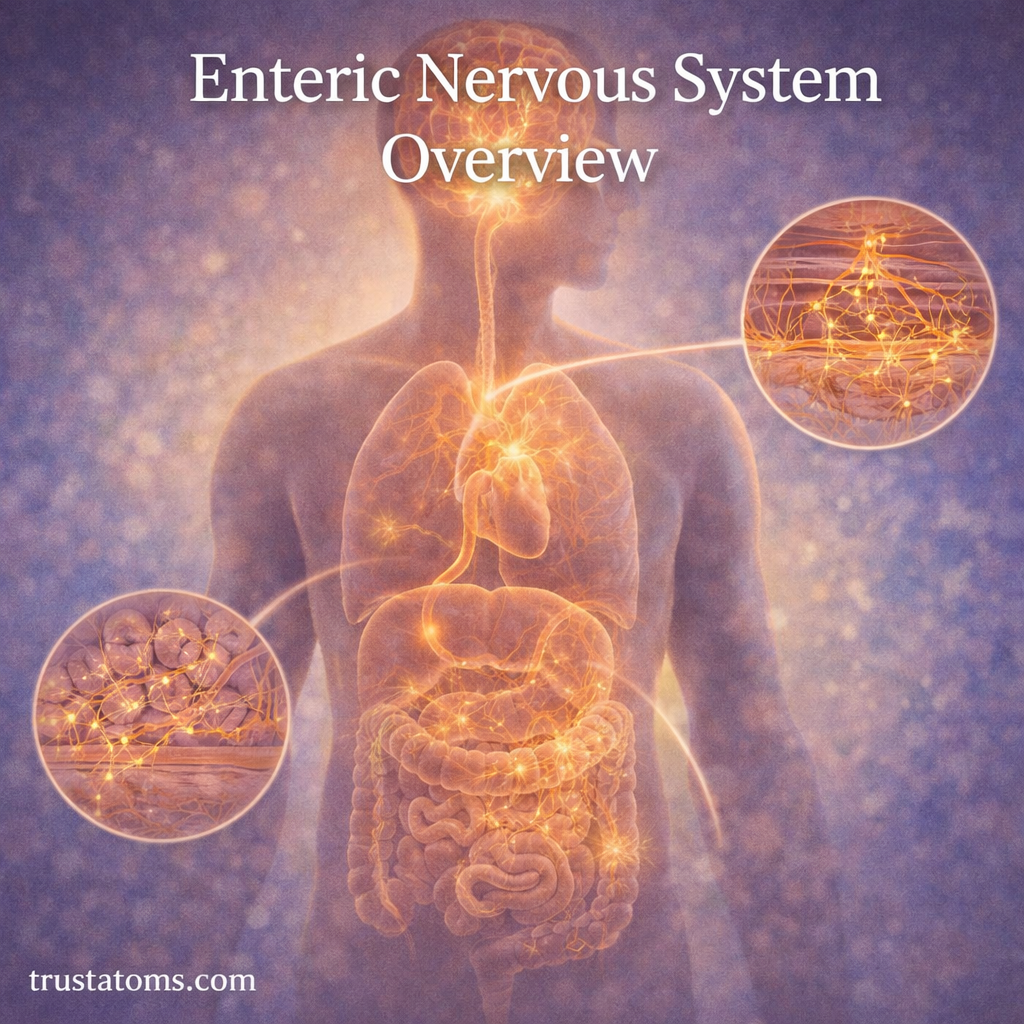
The digestive system does more than just break down food—it has its own complex network of nerves known as the enteric nervous system (ENS). Often referred to as the “second brain,” the ENS operates independently while still communicating with the central nervous system.
This intricate system controls digestion, regulates gut function, and plays a key role in overall health. Understanding the enteric nervous system provides insight into how your body manages digestion without conscious effort.
What Is the Enteric Nervous System?
The enteric nervous system is a vast network of neurons embedded within the walls of the gastrointestinal (GI) tract.
Key Characteristics
- Contains over 100 million neurons
- Extends from the esophagus to the rectum
- Functions independently of the brain and spinal cord
- Communicates with the central nervous system
Because of its autonomy and complexity, the ENS is often called the body’s “second brain.”
Structure of the Enteric Nervous System
The ENS is organized into two main layers of nerve networks, known as plexuses.
1. Myenteric Plexus (Auerbach’s Plexus)
Located between layers of muscle in the GI tract, the myenteric plexus controls movement.
Primary Functions
- Regulates peristalsis (muscle contractions that move food)
- Controls the strength and rhythm of contractions
- Coordinates movement along the digestive tract
2. Submucosal Plexus (Meissner’s Plexus)
Found in the inner lining of the intestines, the submucosal plexus focuses on local functions.
Primary Functions
- Regulates enzyme secretion
- Controls blood flow within the intestines
- Manages absorption processes
How the ENS Works
The enteric nervous system operates through a combination of sensory input, integration, and motor output.
Step-by-Step Process
- Sensory neurons detect changes in the digestive tract (e.g., stretching or chemical composition)
- Interneurons process this information locally
- Motor neurons trigger responses such as muscle contractions or secretion
This local control allows the ENS to function efficiently without needing constant input from the brain.
Communication with the Brain
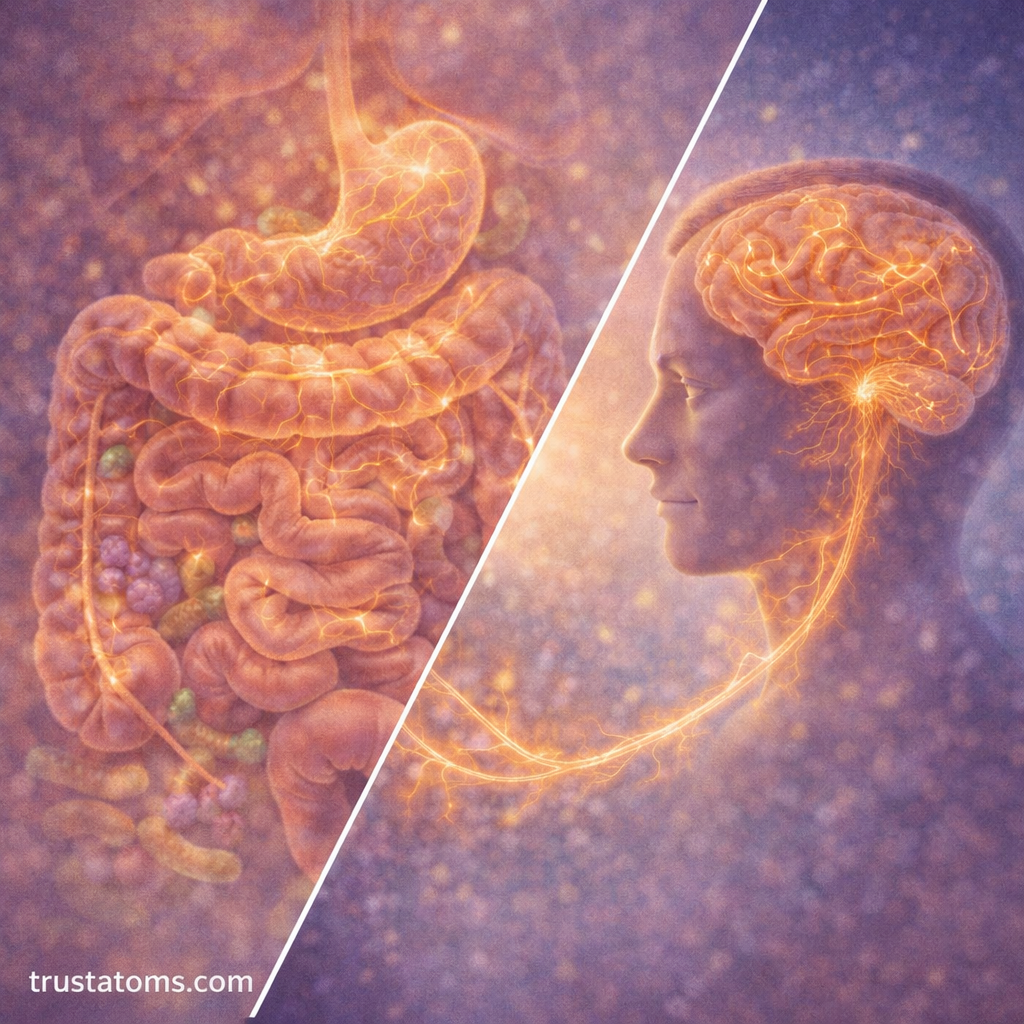
Although the ENS can function independently, it is closely connected to the central nervous system through the gut-brain axis.
Key Pathways
- Vagus nerve – Sends signals between the gut and brain
- Sympathetic nervous system – Can slow digestion during stress
- Parasympathetic nervous system – Promotes digestion and relaxation
This two-way communication influences both digestive health and emotional states.
Functions of the Enteric Nervous System
The ENS plays a vital role in maintaining proper digestive function.
Major Functions
- Coordinating peristalsis to move food through the GI tract
- Regulating secretion of digestive enzymes and fluids
- Controlling blood flow to digestive organs
- Managing nutrient absorption
- Protecting the gut through immune interactions
These processes occur continuously and automatically.
The ENS and Gut Health
The health of the enteric nervous system is closely tied to overall digestive well-being.
Key Connections
- The ENS interacts with gut bacteria (microbiome)
- It helps regulate inflammation in the digestive tract
- It influences gut sensitivity and motility
Disruptions in ENS function can contribute to digestive disorders.
The ENS and Mental Health
The enteric nervous system is strongly linked to emotional and mental health.
Important Insights
- The gut produces neurotransmitters like serotonin
- Signals from the gut can affect mood and stress levels
- Stress and anxiety can alter gut function
This connection explains why emotional states can influence digestion and vice versa.
Common Disorders Related to the ENS
When the enteric nervous system does not function properly, it can lead to various digestive issues.
Examples
- Irritable bowel syndrome (IBS)
- Gastroparesis (delayed stomach emptying)
- Chronic constipation or diarrhea
- Functional gastrointestinal disorders
These conditions often involve disruptions in nerve signaling within the gut.
Factors That Affect ENS Function
Several lifestyle and biological factors can influence the performance of the enteric nervous system.
Key Influences
- Diet and nutrient intake
- Stress levels
- Gut microbiome balance
- Physical activity
- Medications
Maintaining a healthy lifestyle supports proper ENS function.
Tips to Support a Healthy Enteric Nervous System
Improving gut health can positively impact the ENS.
Practical Strategies
- Eat a fiber-rich, balanced diet
- Include probiotic and fermented foods
- Stay physically active
- Manage stress through relaxation techniques
- Maintain regular eating patterns
These habits help support both digestive and nervous system health.
Final Thoughts
The enteric nervous system is a powerful and complex network that plays a central role in digestion and overall health. Acting as the body’s “second brain,” it regulates essential processes while maintaining communication with the central nervous system.
By understanding how the ENS works, you can better appreciate the connection between digestion, health, and even emotional well-being.