Fever is one of the body’s most recognizable signs that something isn’t right. While it may feel uncomfortable, fever is actually a powerful and coordinated defense mechanism triggered by the immune system. Understanding how fever works—and how it fits into the broader systemic immune response—helps explain why it plays such a critical role in fighting infections.
What Is a Fever?
A fever is a temporary increase in body temperature, typically above 100.4°F (38°C). It occurs when the body resets its internal “thermostat” in response to infection, inflammation, or other immune triggers.
Rather than being harmful in most cases, fever is part of the body’s natural defense strategy designed to:
- Slow down the growth of pathogens
- Enhance immune cell activity
- Signal that the immune system is actively responding
How the Immune System Triggers Fever
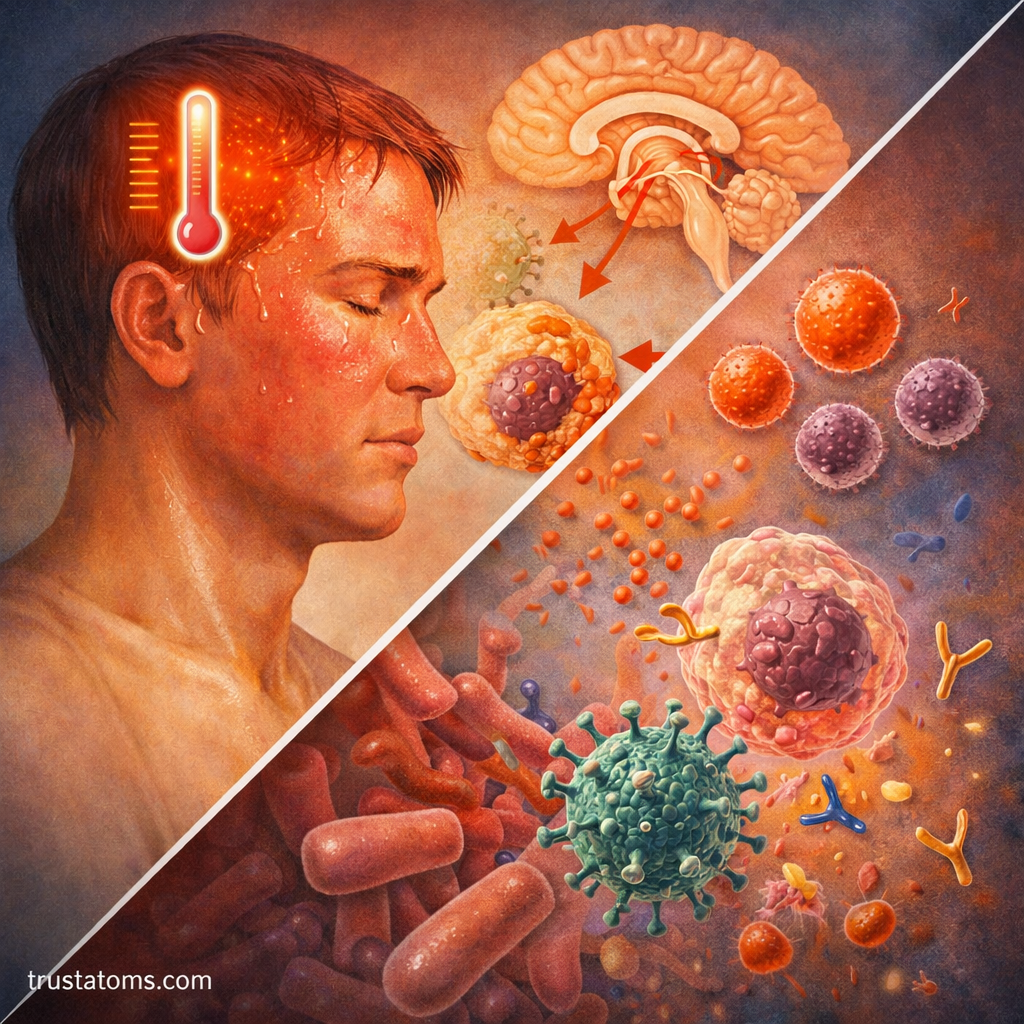
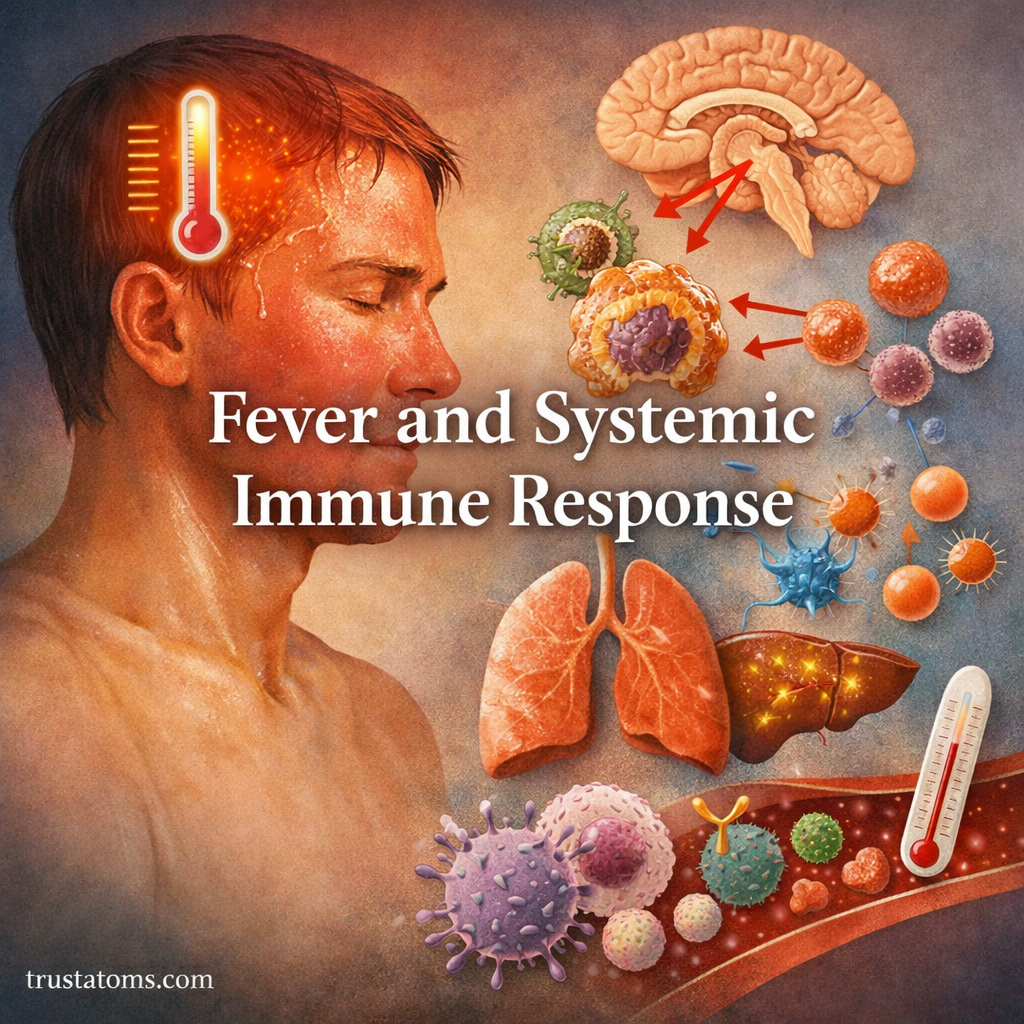
Fever begins with the detection of a threat by the immune system. This process involves multiple steps and signaling molecules.
Step-by-Step Process
- Pathogen Entry
Bacteria, viruses, or other pathogens enter the body. - Immune Detection
Immune cells such as macrophages and dendritic cells recognize foreign invaders. - Release of Pyrogens
These immune cells release signaling molecules called pyrogens, including cytokines like:- Interleukin-1 (IL-1)
- Tumor necrosis factor (TNF)
- Interleukin-6 (IL-6)
- Hypothalamus Activation
Pyrogens signal the hypothalamus in the brain to raise the body’s temperature set point. - Heat Production and Retention
The body responds by:- Shivering (generating heat)
- Constricting blood vessels (reducing heat loss)
This results in an elevated body temperature—what we recognize as fever.
What Is the Systemic Immune Response?
The systemic immune response refers to a whole-body reaction to infection or injury. Unlike localized responses (such as redness or swelling in one area), systemic responses affect multiple organs and systems.
Fever is a key component of this broader response.
Key Features of Systemic Immune Response
- Elevated body temperature (fever)
- Increased production of white blood cells
- Release of cytokines into circulation
- Activation of the acute phase response (liver producing immune-related proteins)
- Fatigue and reduced appetite
Why Fever Helps Fight Infection
Fever is not just a byproduct of illness—it actively contributes to recovery.
Benefits of Fever
- Inhibits Pathogen Growth
Many bacteria and viruses replicate less efficiently at higher temperatures. - Enhances Immune Function
Elevated temperature improves the mobility and effectiveness of immune cells like neutrophils and lymphocytes. - Boosts Antiviral Responses
Fever promotes the production of interferons, which help block viral replication. - Improves Iron Regulation
The body limits iron availability in the bloodstream, making it harder for bacteria to thrive.
The Role of Cytokines in Fever
Cytokines are small proteins that act as messengers between immune cells. During infection, they coordinate the systemic response.
Major Fever-Inducing Cytokines
- Interleukin-1 (IL-1): Initiates fever and inflammation
- Interleukin-6 (IL-6): Promotes acute phase protein production
- Tumor Necrosis Factor (TNF): Enhances inflammation and immune signaling
These cytokines travel through the bloodstream and communicate with the brain to regulate temperature and immune activity.
Acute Phase Response and Fever
The acute phase response is another systemic reaction closely linked to fever. It involves changes in protein production by the liver.
Key Acute Phase Proteins
- C-reactive protein (CRP)
- Fibrinogen
- Serum amyloid A
These proteins help:
- Enhance pathogen recognition
- Promote inflammation where needed
- Support tissue repair
Fever and the acute phase response often occur together, amplifying the body’s defense mechanisms.
When Fever Becomes Harmful
While fever is generally beneficial, extremely high or prolonged fevers can be dangerous.
Potential Risks
- Temperatures above 104°F (40°C) can damage proteins and cells
- Dehydration due to increased fluid loss
- Increased metabolic demand on the body
When to Seek Medical Attention
- Fever lasting more than 3 days
- Very high temperatures (above 104°F)
- Fever in infants or vulnerable individuals
- Accompanying severe symptoms (confusion, difficulty breathing, persistent vomiting)
Fever vs. Hyperthermia
It’s important to distinguish fever from hyperthermia, as they involve different mechanisms.
Key Differences
- Fever: Controlled increase in temperature set by the hypothalamus
- Hyperthermia: Uncontrolled rise in body temperature due to external factors (e.g., heatstroke)
Fever is regulated and purposeful, while hyperthermia can be life-threatening if not treated quickly.
Final Thoughts
Fever is a central feature of the systemic immune response, reflecting the body’s active effort to fight infection. Far from being just a symptom, it is a carefully regulated process that enhances immune efficiency, limits pathogen survival, and coordinates whole-body defense mechanisms.
Understanding how fever works can help shift the perspective from discomfort to appreciation—recognizing it as a sign that the immune system is doing exactly what it’s designed to do.