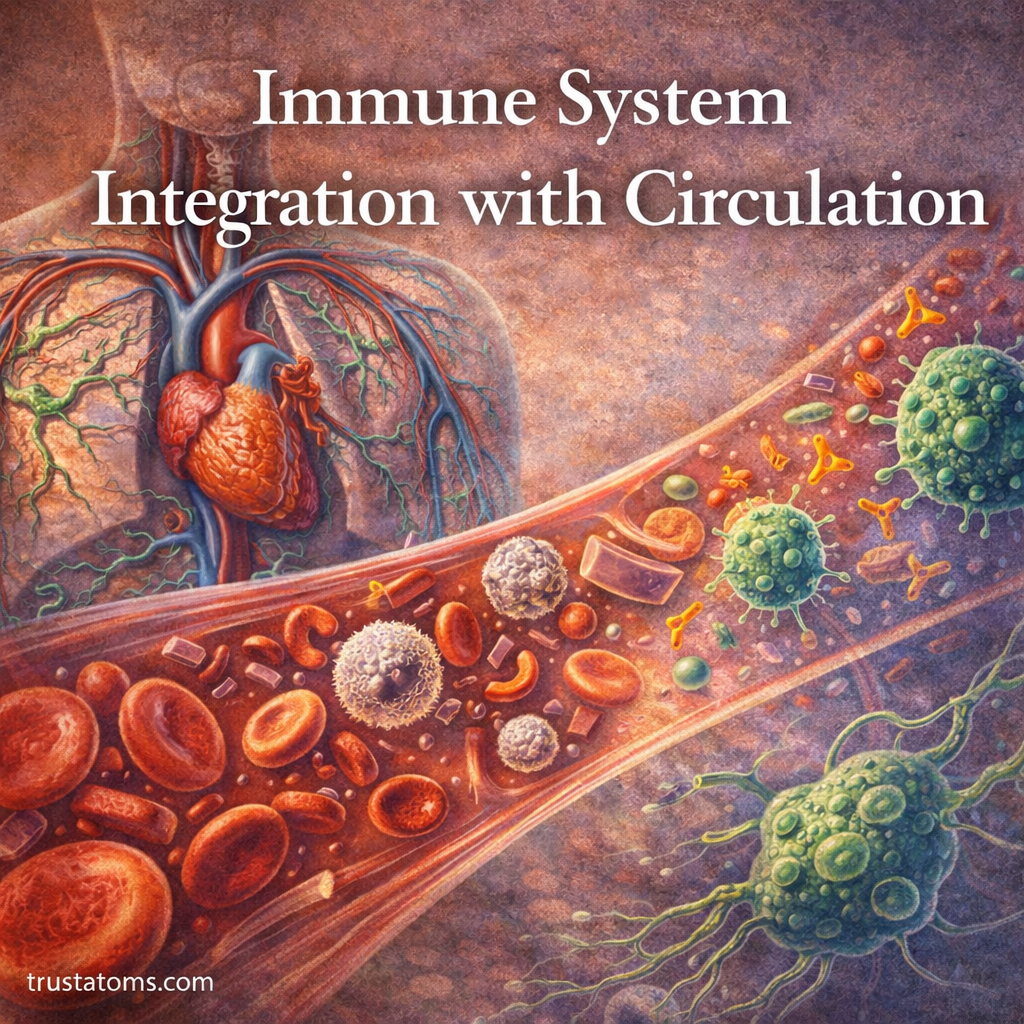
The immune system works with the circulatory system by using blood vessels to transport immune cells, antibodies, and chemical signals throughout the body. This connection allows immune defenses to reach infected tissues, detect threats, and coordinate inflammation and recovery.
Blood circulation also works closely with lymphatic vessels, which collect excess tissue fluid and carry immune cells through lymph nodes. Together, these networks connect organs and tissues studied in human anatomy and help protect the body from infections that begin in different locations.
How Blood Circulation Supports Immune Defense
The circulatory system supplies a transportation network for immune defenses. The heart pumps blood through arteries, capillaries, and veins, allowing protective cells and molecules to move between organs and tissues.
Main Functions of Circulation in Immunity
- Transports white blood cells to areas of infection, supporting the work of white blood cells in immune defense.
- Distributes cytokines and other chemical signals that coordinate immune activity.
- Carries antibodies and complement proteins that recognize or help eliminate pathogens.
- Transports cellular debris and waste products toward organs and tissues responsible for their processing and removal.
Circulation does not automatically deliver every immune cell to every infection. Cells must recognize signals from affected tissues and interact with blood vessel walls before entering the area where they are needed.
Components of the Circulatory System in Immune Function
Blood and Plasma
Blood contains several components involved in immune defense. White blood cells identify and respond to pathogens, while plasma carries antibodies, complement proteins, and soluble signaling molecules.
Complement proteins can mark microbes for destruction, attract immune cells, and directly damage certain pathogens. The Complement System Overview explains how these circulating proteins amplify immune responses.
Blood Vessels
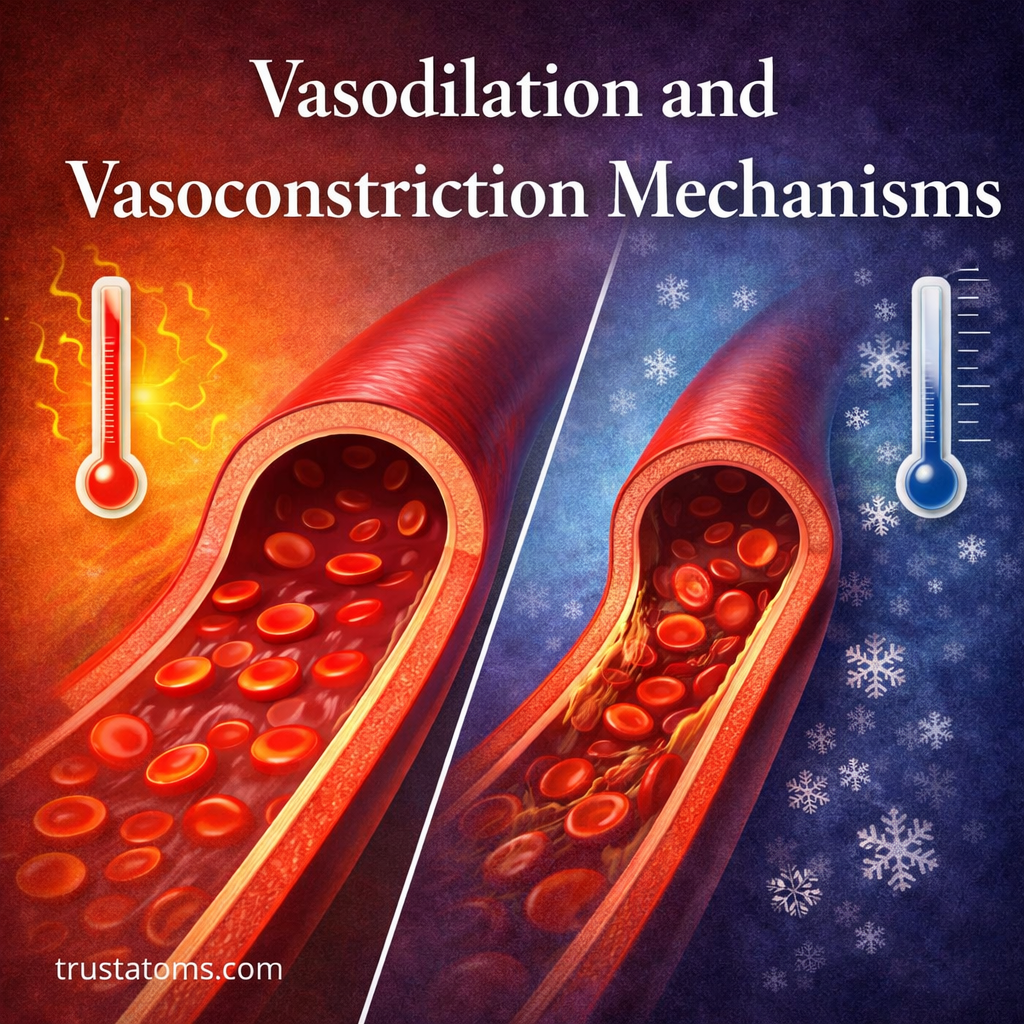
Blood vessels actively participate in inflammation. When nearby tissues detect an infection, chemical mediators can widen small blood vessels and increase the permeability of their walls. These changes help immune cells and selected plasma proteins reach affected tissues.
Endothelial cells lining blood vessels also display adhesion molecules that help circulating white blood cells slow down, attach, and move into tissues. This process makes immune recruitment more selective than simply allowing blood contents to leak into an infected area.
Lymphatic Vessels and Lymph Nodes
The lymphatic system works alongside the circulatory system to support immunity.
Lymphatic vessels collect excess fluid from tissues and return it to the bloodstream. They also transport immune cells and antigens toward lymph nodes, where specialized cells can detect foreign material and initiate adaptive immune responses.
How White Blood Cells Leave the Bloodstream
Immune cells continuously circulate between blood and tissues. During an infection, inflammatory signals help direct particular white blood cells toward the affected location.
- Detection: Tissue cells recognize microbial molecules or signs of damage and release inflammatory mediators.
- Recruitment: Chemical signals activate nearby blood vessel walls and attract circulating immune cells.
- Rolling and adhesion: White blood cells slow down, roll along the vessel lining, and attach firmly through adhesion molecules.
- Extravasation: Immune cells cross the vessel wall and enter surrounding tissue.
- Migration: Cells follow chemical gradients toward the infection and begin their defensive activities.
This movement across blood vessel walls is often called leukocyte extravasation. It allows immune cells to reach infections without requiring the entire bloodstream to become inflamed.
Interaction Between Blood and Lymph
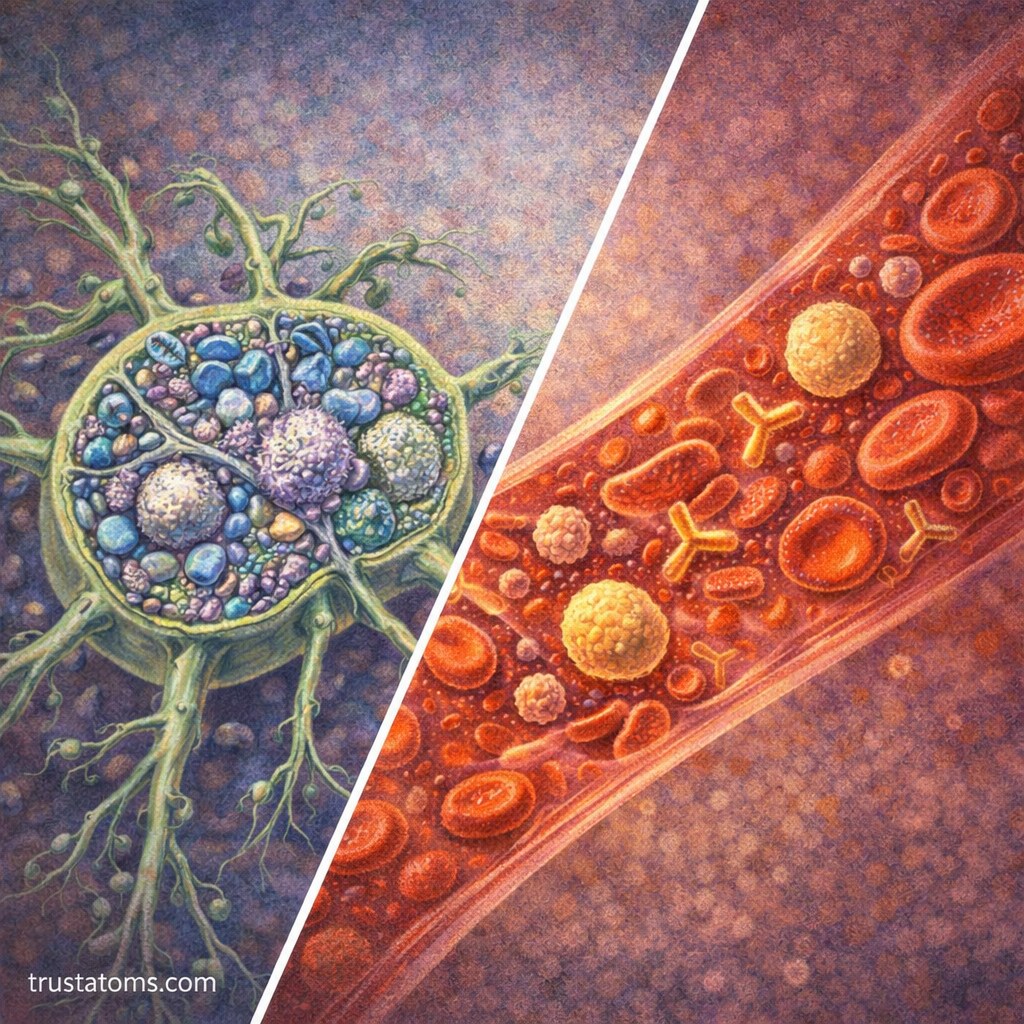
Blood and lymph form connected transport networks with different responsibilities. Blood circulates continuously through the cardiovascular system, while lymph moves through lymphatic vessels and eventually returns to the venous bloodstream.
As fluid leaves blood capillaries, some enters surrounding tissues. Lymphatic capillaries collect much of the excess fluid, along with certain immune cells and foreign particles. The lymph vessels and lymph nodes provide routes for this material to reach sites of immune surveillance.
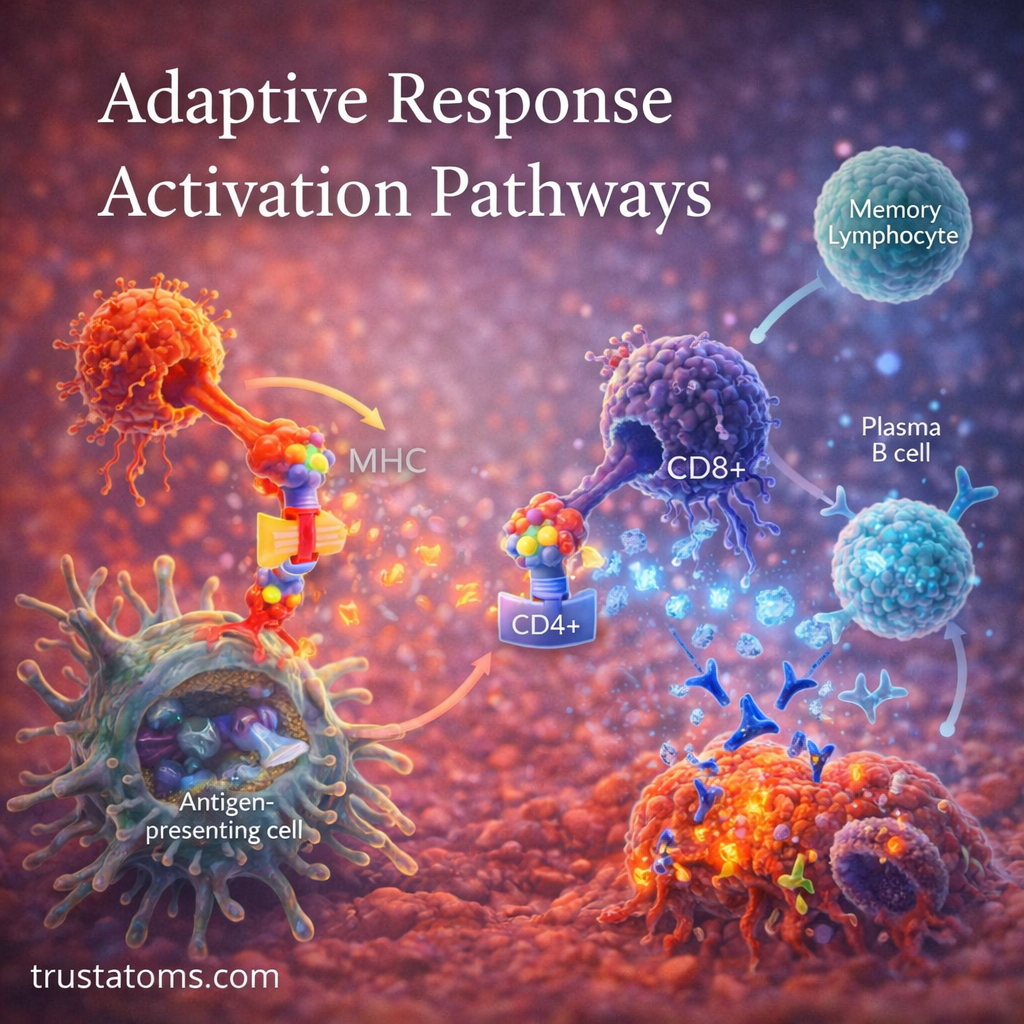
Inside lymph nodes, antigen-presenting cells can interact with B and T lymphocytes. Activated lymphocytes may later enter circulation and travel to tissues where their responses are needed.
Everyday Example: Immune Circulation After a Small Cut
Imagine getting a small cut on your finger while preparing food. Bacteria may enter the damaged skin, triggering nearby immune cells to release inflammatory signals.
Within hours, neutrophils can begin arriving from the bloodstream. Blood vessels in the area widen and become more permeable, contributing to redness, warmth, and swelling. Neutrophils move through vessel walls and help destroy bacteria, while macrophages remove microbes and damaged material.
Meanwhile, fluid and microbial antigens can enter nearby lymphatic vessels and travel toward regional lymph nodes. If an adaptive response is needed, lymphocytes recognizing those antigens may become activated.
For scale, healthy adults typically have approximately 4,000–11,000 white blood cells per microliter of blood, although laboratory reference ranges vary. These circulating cells form part of a much larger immune network distributed throughout tissues and lymphatic organs.
How Circulation Helps Control and Resolve Inflammation
Circulation supports both the beginning and resolution of immune responses. Early inflammation increases the delivery of immune cells and defensive proteins. As microbes are controlled, inflammatory signals decrease, immune cell recruitment slows, and tissue repair becomes more prominent.
Macrophages help clear dead cells, while lymphatic drainage removes excess tissue fluid and supports recovery from swelling. The process can be disrupted by impaired blood flow, lymphatic obstruction, or excessive inflammation, potentially delaying healing or increasing tissue damage.
Frequently Asked Questions
How does the circulatory system help fight infections?
Blood circulation transports white blood cells, antibodies, complement proteins, and immune signaling molecules. Blood vessel walls also help direct immune cells into infected tissues where they can respond to pathogens.
What is the difference between blood and lymph in immunity?
Blood rapidly distributes immune cells and defensive molecules throughout the body. Lymph collects excess tissue fluid and carries antigens and immune cells through lymphatic vessels toward lymph nodes, where immune responses can be organized.
Why do blood vessels become more permeable during inflammation?
Inflammatory mediators temporarily change blood vessel permeability, allowing selected plasma proteins and fluid to enter affected tissues more readily. White blood cells also cross vessel walls through regulated interactions with endothelial cells. These processes support defense but can contribute to swelling.
Blood vessels deliver immune cells and defensive molecules to affected tissues, while lymphatic vessels carry fluid and antigens toward lymph nodes. Their coordinated activity allows the body to detect infections, recruit protective cells, and gradually resolve inflammation as damaged tissues recover.
This article is for general education and is not medical advice. Talk to a qualified health professional about any medical concern.
Sources: OpenStax, Anatomy and Physiology 2e; Abbas, Lichtman, and Pillai, Cellular and Molecular Immunology; Murphy and Weaver, Janeway’s Immunobiology.