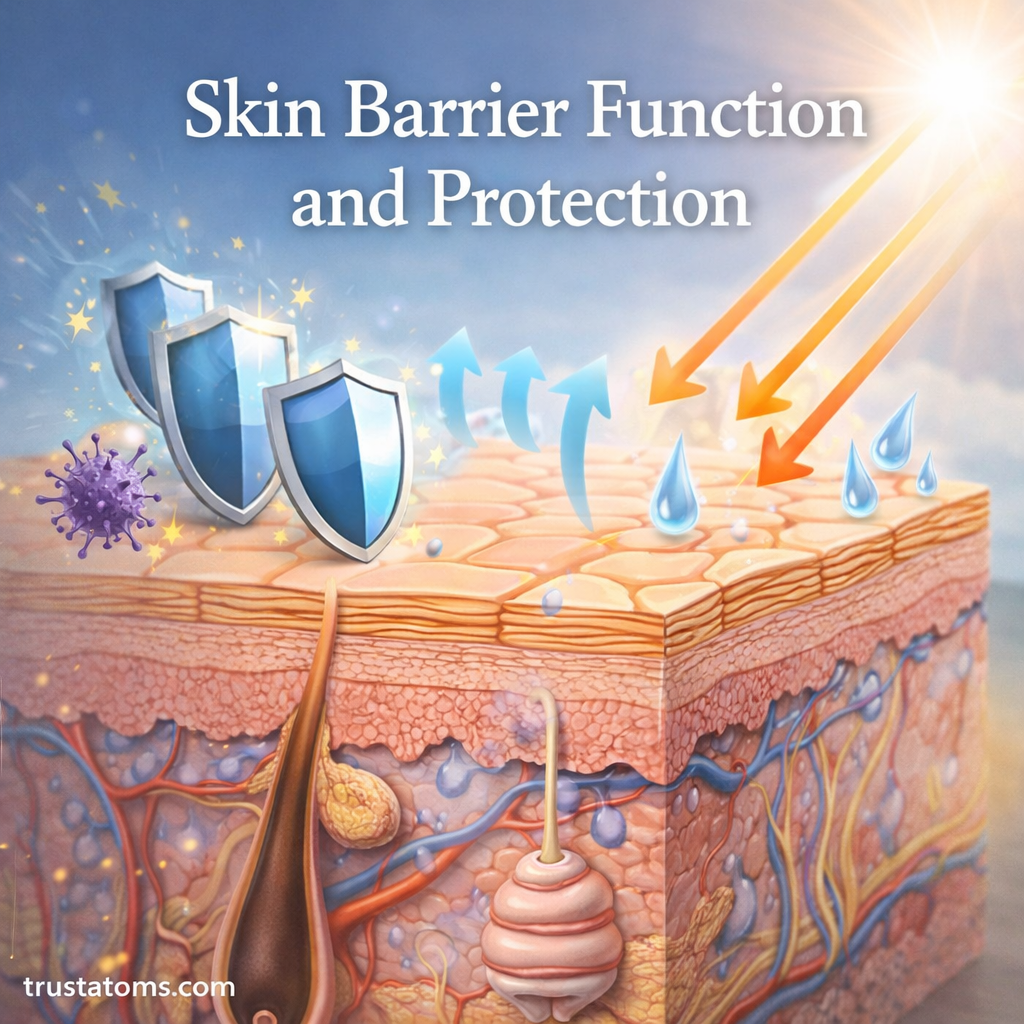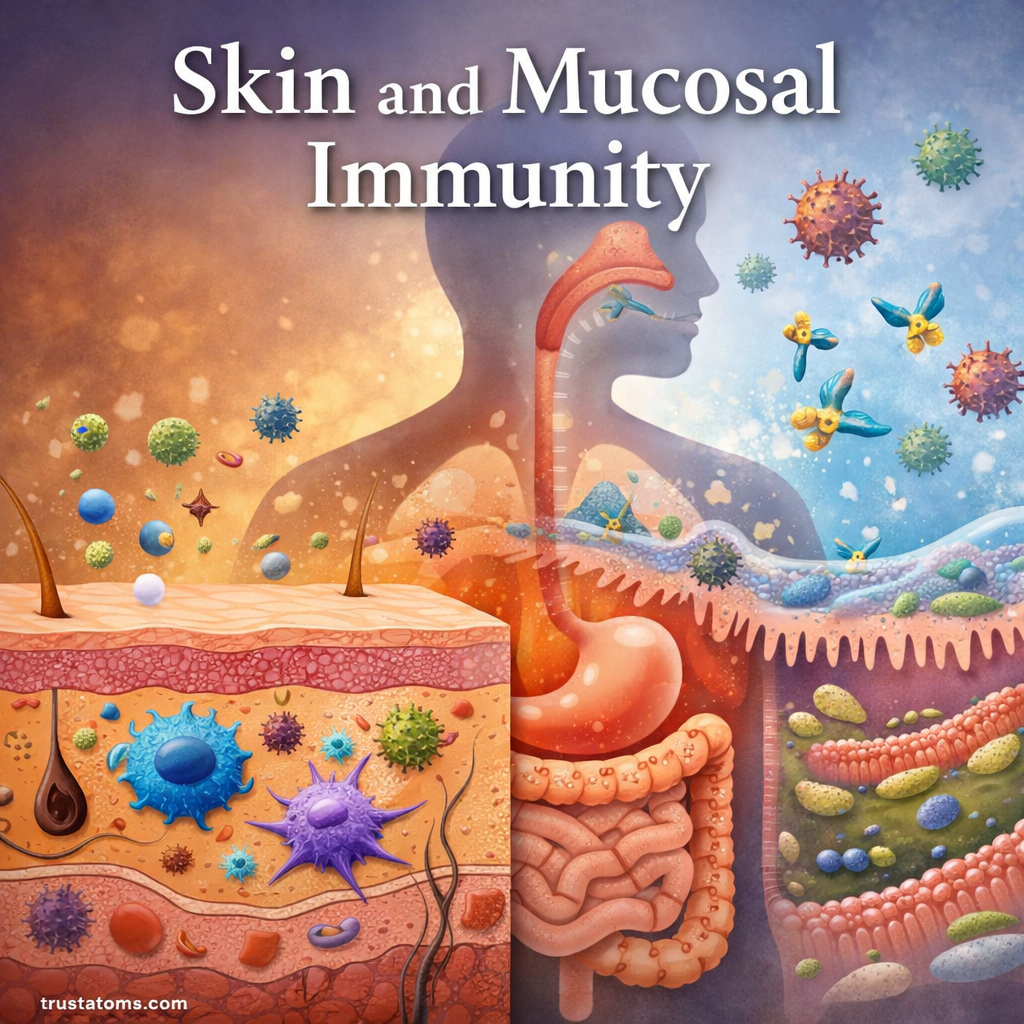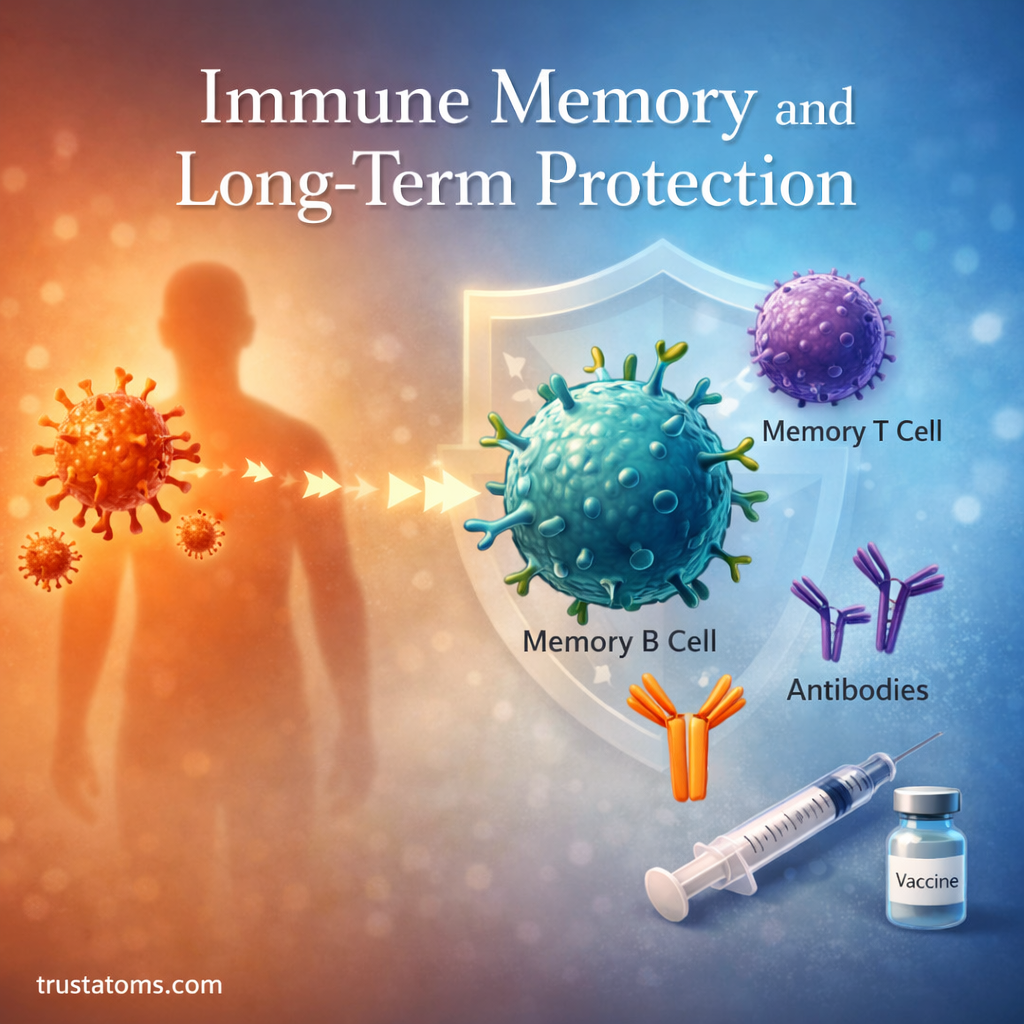
The human immune system does more than just fight off infections—it remembers them. This ability, known as immune memory, allows your body to respond faster and more effectively when it encounters the same pathogen again. It’s the reason why most people don’t get sick from the same virus repeatedly and why vaccines provide long-term protection.
Understanding how immune memory works is key to understanding immunity, disease prevention, and overall health.
What Is Immune Memory?
Immune memory is a function of the adaptive immune system that enables the body to “remember” past infections. After an initial exposure to a pathogen (like a virus or bacteria), the immune system creates specialized cells that remain in the body long-term.
These memory cells allow for:
- Faster detection of the same pathogen
- Stronger immune responses upon re-exposure
- Reduced severity or complete prevention of illness
In simple terms, your immune system learns from experience.
How Immune Memory Develops
When a pathogen enters the body for the first time, the immune response takes time to activate. During this process:
- Antigens (foreign substances) are identified
- Immune cells are activated to fight the infection
- The body produces antibodies specific to that pathogen
- Memory cells are formed and stored
This initial response is called the primary immune response.
Key Players in Immune Memory
- B cells
Produce antibodies and form memory B cells that quickly generate antibodies upon re-exposure. - T cells
Help coordinate the immune response and directly destroy infected cells. Memory T cells remain in the body for long-term protection. - Antibodies
Proteins that recognize and neutralize specific pathogens.
Primary vs. Secondary Immune Response
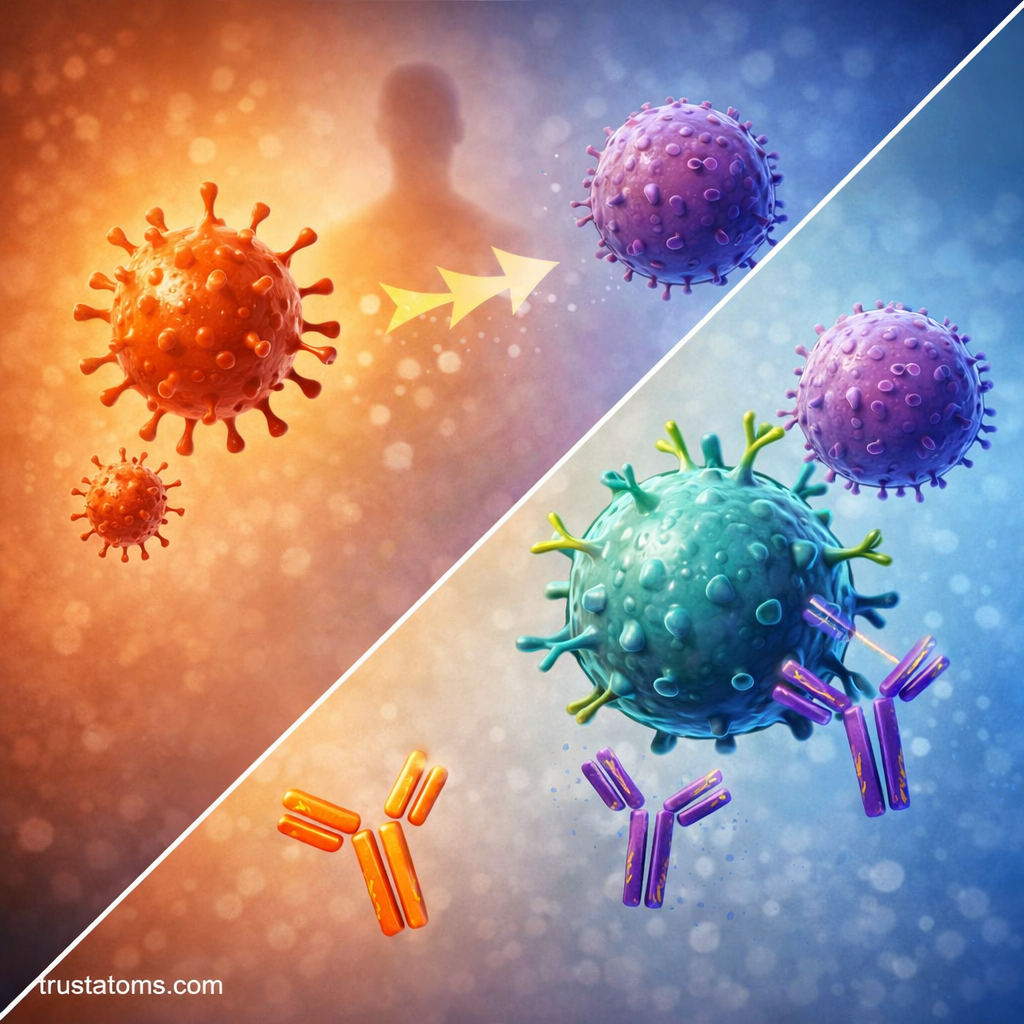
Primary Response (First Exposure)
- Slower (can take days to weeks)
- Symptoms may be noticeable
- Builds immune memory
Secondary Response (Re-exposure)
- Much faster (often within hours to days)
- Stronger and more efficient
- Often prevents symptoms entirely
This is why you might not feel sick the second time your body encounters the same pathogen.
Role of Vaccines in Immune Memory
Vaccines work by safely introducing the immune system to a harmless version or component of a pathogen. This allows the body to develop immune memory without causing disease.
Benefits of vaccines include:
- Long-term protection against serious illnesses
- Reduced spread of infectious diseases
- Lower risk of complications
Vaccines essentially “train” your immune system in advance.
How Long Does Immune Memory Last?
The duration of immune memory varies depending on the pathogen and the individual. In some cases, immunity can last:
- Years (e.g., measles)
- Decades (e.g., some childhood vaccines)
- Months to years (e.g., certain respiratory viruses)
Factors that influence immune memory duration:
- Type of pathogen
- Strength of the initial immune response
- Individual health and age
- Booster exposures (natural or via vaccines)
Immune Memory and Reinfection
Even with immune memory, reinfection can still occur in some cases. This may happen because:
- The pathogen mutates (changes form)
- Immune memory weakens over time
- The immune response was not strong enough initially
However, reinfections are often milder due to partial immunity.
Passive vs. Active Immunity
Immune memory is associated with active immunity, where the body produces its own immune response.
Active Immunity
- Develops after infection or vaccination
- Long-lasting
- Involves immune memory
Passive Immunity
- Acquired through external sources (e.g., antibodies from mother to infant)
- Short-term protection
- Does not create immune memory
Why Immune Memory Matters
Immune memory is essential for survival and public health. It helps:
- Protect individuals from repeated illness
- Reduce severity of infections
- Support herd immunity in populations
- Improve effectiveness of vaccination programs
Without immune memory, every infection would feel like the first—slow, severe, and potentially dangerous.
Supporting a Healthy Immune System
While immune memory is built through exposure and vaccination, maintaining overall immune health is important for optimal function.
Key habits include:
- Eating a balanced, nutrient-rich diet
- Getting adequate sleep
- Exercising regularly
- Managing stress levels
- Staying up to date on vaccinations
These factors help your immune system respond efficiently and maintain strong memory responses.
Final Thoughts
Immune memory is one of the most powerful features of the human body. It allows your immune system to learn, adapt, and protect you over time. From natural infections to modern vaccines, this long-term defense mechanism plays a critical role in keeping individuals and communities healthy.
By understanding how immune memory works, you gain insight into why immunity develops, how protection lasts, and why prevention strategies like vaccination are so effective.