The immune system is designed to protect the body from harmful invaders like bacteria, viruses, and toxins. But just as important as attacking threats is the ability to avoid attacking the body itself. This critical function is known as immune tolerance.
Immune tolerance allows the body to distinguish between “self” (its own cells and tissues) and “non-self” (foreign substances). When this system works properly, it prevents unnecessary damage. When it fails, it can lead to autoimmune diseases and chronic inflammation.
What Is Immune Tolerance?
Immune tolerance refers to the immune system’s ability to recognize and ignore the body’s own cells and harmless substances.
It ensures that:
- Healthy tissues are not attacked
- Immune responses are controlled and appropriate
- The body maintains internal stability (homeostasis)
Without immune tolerance, even normal biological processes could trigger damaging immune reactions.
What Is Self-Recognition?
Self-recognition is the process by which immune cells identify the body’s own molecules and structures.
This is primarily achieved through:
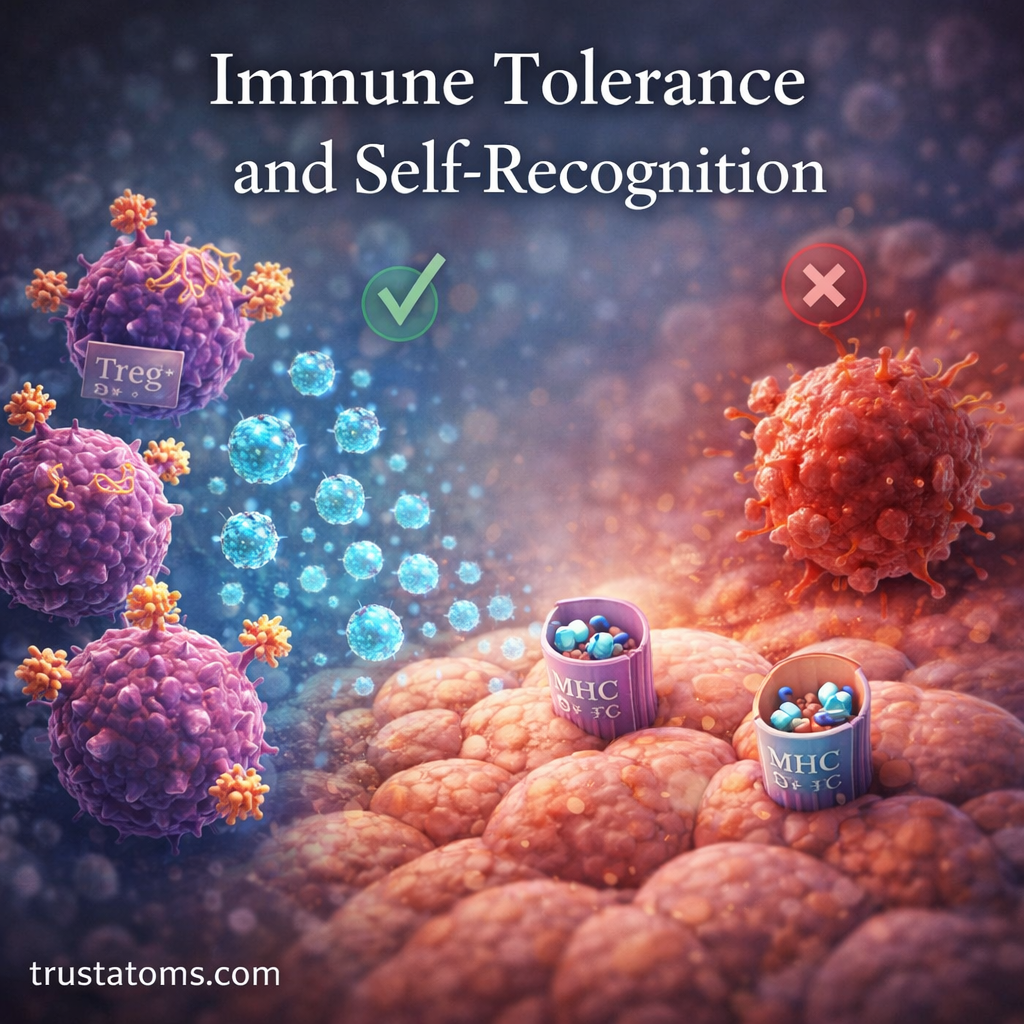
- Surface markers on cells (such as major histocompatibility complex molecules, or MHC)
- Receptor testing during immune cell development
- Signaling pathways that suppress unnecessary immune activation
Together, these systems allow immune cells to “know” what belongs in the body.
How the Immune System Learns Self vs. Non-Self
Immune tolerance is established through a combination of developmental checks and ongoing regulation.
Central Tolerance
Central tolerance occurs during the early development of immune cells in primary lymphoid organs.
- T cells mature in the thymus
- B cells mature in the bone marrow
During this stage:
- Immature immune cells are exposed to self-antigens
- Cells that strongly react to self are eliminated
- Only safe, non-reactive cells are allowed to mature
This process is often called negative selection.
Peripheral Tolerance
Some self-reactive cells escape central tolerance. Peripheral tolerance ensures they do not cause harm once in circulation.
Mechanisms include:
- Anergy: Cells become inactive when they encounter self-antigens without proper activation signals
- Suppression: Regulatory T cells (Tregs) actively suppress harmful immune responses
- Deletion: Self-reactive cells are triggered to undergo programmed cell death
Peripheral tolerance acts as a second line of defense.
Key Components of Immune Tolerance
Several immune system elements work together to maintain tolerance.
Regulatory T Cells (Tregs)
Tregs are specialized immune cells that prevent overactive immune responses.
They:
- Suppress activation of other immune cells
- Maintain immune balance
- Prevent autoimmune reactions
Antigen Presentation
Antigen-presenting cells (APCs), such as dendritic cells, play a key role in teaching immune cells what is safe.
- Present self-antigens in a non-threatening context
- Help induce tolerance rather than activation
- Control how T cells respond to different signals
Cytokine Signaling
Certain signaling molecules help regulate tolerance.
- Anti-inflammatory cytokines reduce immune activation
- Balance between activating and suppressing signals is essential
- Misregulation can lead to disease
Why Immune Tolerance Is Essential
Immune tolerance is vital for survival and overall health.
Prevents Autoimmune Disease
Without tolerance, the immune system may attack healthy tissues.
Examples include:
- Rheumatoid arthritis (joints)
- Type 1 diabetes (pancreatic cells)
- Multiple sclerosis (nervous system)
Protects Normal Biological Functions
The body constantly produces new cells and breaks down old ones. Tolerance ensures these processes do not trigger immune attacks.
Supports Long-Term Immune Balance
A properly regulated immune system:
- Responds to real threats
- Ignores harmless substances
- Avoids excessive inflammation
Breakdown of Immune Tolerance
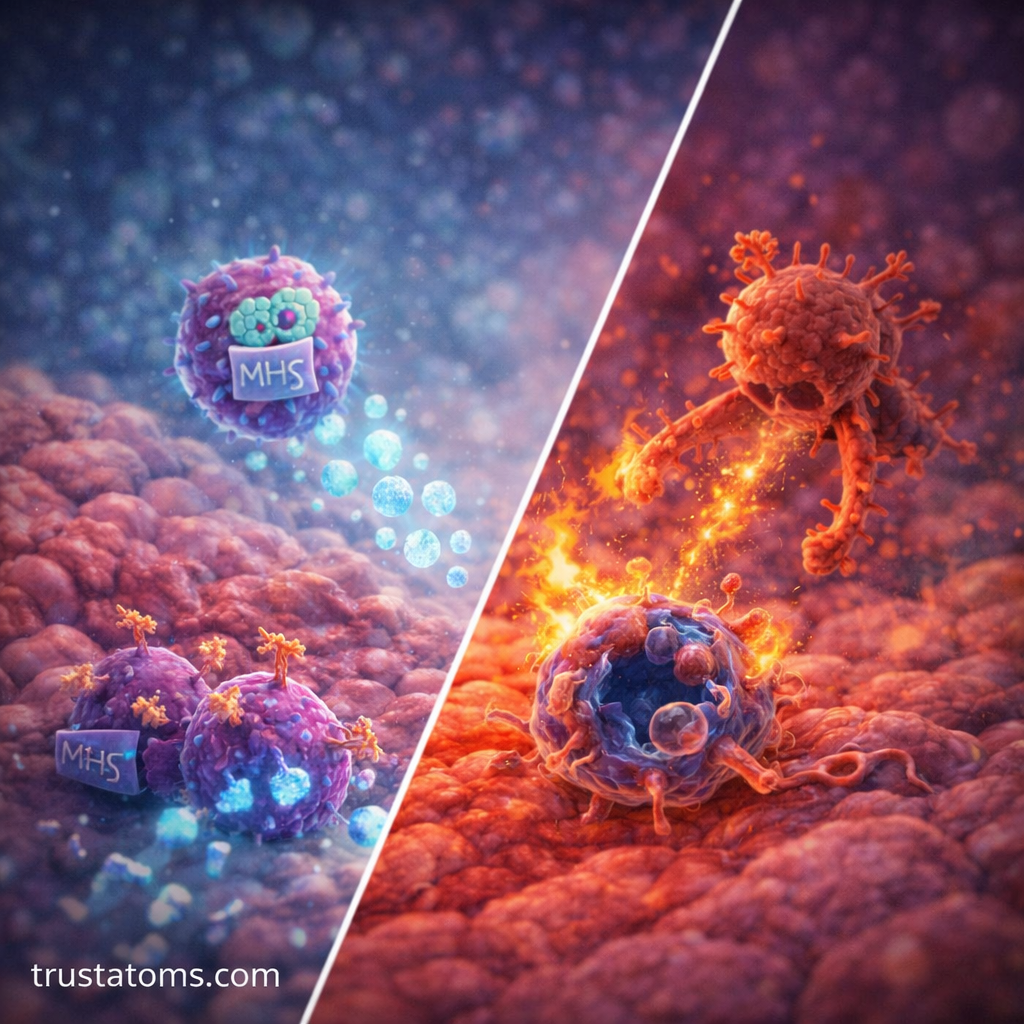
When immune tolerance fails, the consequences can be serious.
Autoimmune Disorders
The immune system mistakenly identifies self as foreign.
Common features:
- Chronic inflammation
- Tissue damage
- Persistent immune activation
Allergies and Hypersensitivity
In some cases, the immune system reacts to harmless substances like pollen or food.
- Not a failure of self-recognition, but a failure of proper tolerance
- Leads to exaggerated immune responses
Chronic Inflammation
Loss of regulatory control can result in ongoing immune activation, contributing to:
- Cardiovascular disease
- Metabolic disorders
- Tissue degeneration
Factors That Influence Immune Tolerance
Several factors affect how well immune tolerance is maintained.
Genetic Factors
- Certain genes influence immune regulation
- Variations can increase susceptibility to autoimmune diseases
Environmental Triggers
- Infections can disrupt immune balance
- Exposure to toxins or stress may alter immune responses
Microbiome Influence
The gut microbiome plays a significant role in shaping immune tolerance.
- Beneficial bacteria help train the immune system
- Imbalances can lead to improper immune activation
Immune Tolerance in Medical Science
Understanding immune tolerance has led to important medical advances.
Organ Transplantation
- Preventing rejection requires inducing tolerance to donor tissues
- Immunosuppressive therapies help reduce immune attack
Autoimmune Disease Treatments
- Therapies aim to restore immune balance
- Target specific immune pathways or cells
Immunotherapy
In cancer treatment:
- The goal is often to break tolerance toward tumor cells
- Allows the immune system to recognize and attack cancer
Key Mechanisms of Immune Tolerance at a Glance
- Central tolerance eliminates self-reactive cells early
- Peripheral tolerance controls escaped cells
- Regulatory T cells suppress harmful immune responses
- Cytokines balance activation and suppression
- Antigen presentation guides immune decision-making
Why Self-Recognition Matters
Self-recognition is the foundation of immune accuracy. Without it:
- The immune system cannot distinguish threats from normal tissues
- Responses become unpredictable and harmful
- The risk of disease increases significantly
Proper self-recognition ensures that immune responses are:
- Targeted
- Efficient
- Safe for the body
Final Thoughts
Immune tolerance and self-recognition are essential for maintaining balance within the body. They ensure that the immune system protects without causing harm.
Through carefully regulated processes, the body learns what to attack and what to preserve. When these systems function correctly, they support long-term health and stability. When they fail, the consequences highlight just how critical this balance truly is.
Ongoing research continues to uncover new ways to harness immune tolerance—offering hope for better treatments for autoimmune diseases, improved transplant outcomes, and more effective cancer therapies.