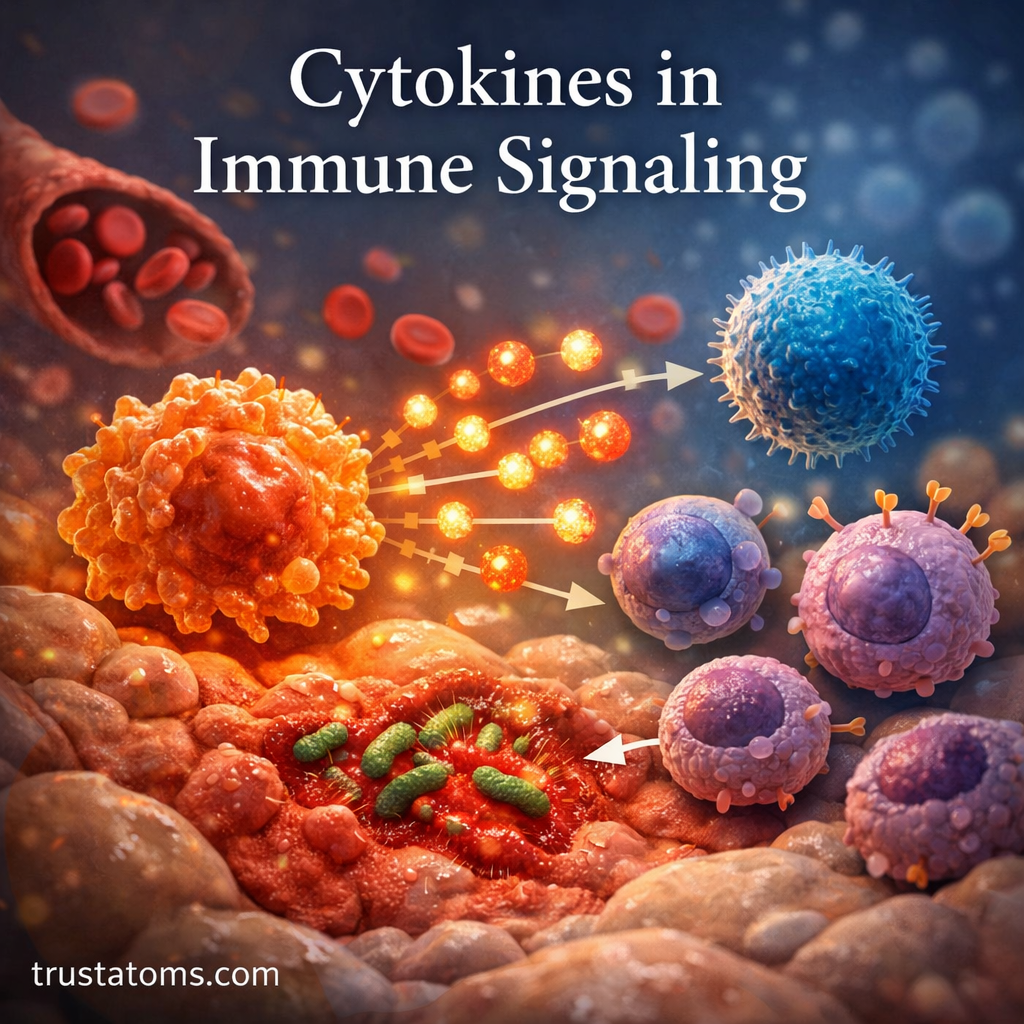
Cytokines are small signaling proteins that allow immune cells and other cells to communicate, coordinate defenses, and regulate inflammation. They work by binding to specific receptors on target cells, triggering responses that help fight infections, repair damaged tissue, or control excessive immune activity.
These chemical messengers connect cellular activity with the broader functions of tissues and organs, making them an important subject in human anatomy and immunology. Understanding cytokines helps explain why inflammation begins, how immune defenses develop, and what happens when immune signaling becomes poorly regulated.
What Are Cytokines?
Cytokines are signaling proteins produced by immune cells and many non-immune cells, including endothelial cells and fibroblasts. They influence cell activation, growth, differentiation, migration, and survival.
Unlike hormones that commonly travel through the bloodstream to distant organs, many cytokines act close to where they are released. However, some also produce widespread effects throughout the body.
- Autocrine signaling: A cytokine acts on the same cell that released it.
- Paracrine signaling: A cytokine influences nearby cells within a tissue.
- Endocrine signaling: A cytokine enters circulation and affects cells at distant locations.
A cytokine’s effect depends on its concentration, the receptors present on responding cells, and other signals in the surrounding environment.
How Cytokine Signaling Works
Cytokine communication involves a sequence of events that converts an extracellular chemical message into a cellular response.
- Detection: A cell recognizes a stimulus, such as microbial components, tissue damage, or signals from another immune cell.
- Production and release: The activated cell produces and releases specific cytokines.
- Receptor binding: Cytokines attach to compatible receptors on target cells.
- Internal signaling: Receptor activation triggers intracellular pathways that influence proteins and gene expression.
- Cellular response: The target cell may divide, migrate, release additional signaling molecules, or change its immune activity.
For example, many interleukins activate the JAK-STAT signaling pathway, which transmits information from cell-surface receptors to the nucleus. Other cytokines, including TNF, use different signaling mechanisms. There is no single pathway shared by every cytokine.
Major Types of Cytokines and Their Functions
Cytokines are commonly grouped into families based on their structure, receptors, or biological activities. These categories overlap because individual cytokines can perform several functions.
Interleukins: Coordinating Immune Cells
Interleukins are primarily produced by white blood cells and regulate interactions between immune cells.
However, many interleukins are also produced by non-immune cells. Their functions vary considerably:
- IL-1: Promotes inflammatory signaling and contributes to fever.
- IL-2: Supports the proliferation and survival of activated T cells and regulatory T cells.
- IL-6: Participates in inflammation, acute-phase responses, and immune cell differentiation.
- IL-10: Limits excessive inflammatory responses by suppressing selected immune cell activities.
Interferons: Antiviral Defense
Interferons help cells respond to viral infections. Type I interferons, including IFN-alpha and IFN-beta, stimulate antiviral gene expression in infected and neighboring cells, making viral replication more difficult.
IFN-gamma, a type II interferon, is produced mainly by activated T cells and natural killer cells. It enhances macrophage activity and supports immune responses against certain intracellular pathogens.
Tumor Necrosis Factors: Inflammatory Signaling
TNFs are involved in systemic inflammation and immune regulation.
TNF-alpha can activate endothelial cells, promote the recruitment of immune cells, and contribute to fever and inflammatory responses. Depending on the cellular context, TNF signaling may also influence cell survival or programmed cell death.
Chemokines: Directing Cell Movement
Chemokines are a specialized cytokine family that guides cell migration. They help immune cells locate infected or injured tissue by creating chemical signals that cells can follow.
For example, CXCL8, also called IL-8, attracts neutrophils toward sites of inflammation. Other chemokines guide lymphocytes through lymph nodes and other immune tissues.
Colony-Stimulating Factors: Blood Cell Production
Colony-stimulating factors influence the production, maturation, and survival of blood cells. Granulocyte colony-stimulating factor (G-CSF), for example, stimulates neutrophil production in the bone marrow.
Cytokines and Inflammation
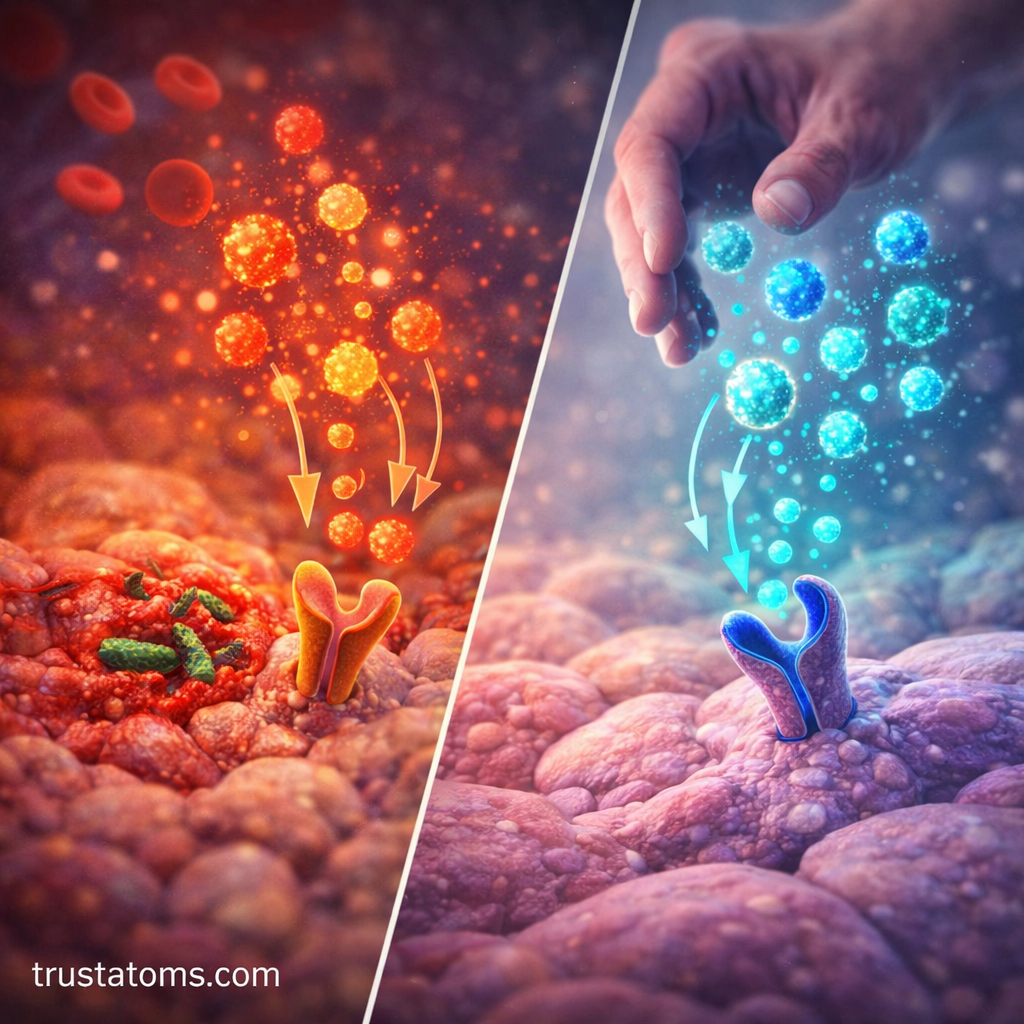
Inflammation is a coordinated response to infection, injury, or harmful stimuli. Cytokines help initiate this response by activating immune cells, influencing blood vessels, and recruiting additional defenses. The process is explained further in Inflammation as an Immune Response.
Pro-Inflammatory Cytokines
Cytokines such as TNF-alpha, IL-1, and IL-6 can promote inflammatory responses. Their effects include activating vascular endothelial cells, supporting immune cell recruitment, and stimulating systemic responses such as fever and acute-phase protein production.
Anti-Inflammatory Cytokines
IL-10 helps suppress excessive production of inflammatory mediators. Transforming growth factor-beta (TGF-beta) can regulate immune cell activity and participate in tissue repair, although its effects depend on the biological setting.
Inflammation is not simply a competition between two opposing cytokine groups. The same cytokine may have different effects depending on the tissue, timing, and other signals present.
An Everyday Example: Cytokines After a Small Cut
Imagine getting a small cut on your finger while preparing food. Damaged cells and nearby immune cells detect tissue injury and possible microbial contamination, triggering local inflammatory signaling.
Macrophages and other cells release cytokines, including IL-1 and TNF-alpha, that help activate nearby blood vessels. Chemokines guide neutrophils toward the affected area, where they can respond to invading microorganisms.
As the injury is controlled, regulatory signals help reduce unnecessary inflammation while tissue repair continues. The redness, warmth, and mild swelling around a minor cut partly reflect these coordinated vascular and immune responses.
How Cytokine Networks Regulate Immune Responses
Cytokines rarely function independently. Multiple signals interact within networks that adjust the strength, duration, and location of immune activity.
- Pleiotropy: One cytokine can produce different effects in different cell types.
- Redundancy: Different cytokines can produce similar biological responses.
- Synergy: Two cytokines can produce a stronger combined effect than either produces alone.
- Antagonism: One cytokine can reduce or oppose the effects of another.
- Feedback regulation: Cytokine signaling can stimulate or suppress further cytokine production.
These interactions allow immune responses to adjust as conditions change, although disturbances in the network can contribute to disease.
Cytokines in the Innate and Adaptive Immune System
Innate Immune Responses
Innate immunity provides rapid defense against pathogens and tissue injury. Macrophages, dendritic cells, and other innate immune cells release cytokines that recruit leukocytes, activate antimicrobial defenses, and influence inflammation.
Some cytokines also act on the brain and other organs to produce systemic responses. Their relationship with elevated body temperature is described in Fever and Systemic Immune Response.
Adaptive Immune Responses
Adaptive immunity uses specialized T and B lymphocytes to recognize particular antigens. Cytokines influence T-cell activation and differentiation, support B-cell responses, and help shape the development of immune memory.
For example, IL-2 supports activated T-cell expansion, while other cytokines help determine how helper T cells specialize. These interactions are explored in Adaptive Response Activation Pathways.
Cytokine Storms and Excessive Immune Activation
A cytokine storm describes a severe, dysregulated inflammatory response involving excessive immune signaling. It can occur during certain serious infections, inflammatory conditions, and complications of some immune-based cancer treatments.
Widespread inflammatory signaling may contribute to abnormal blood vessel permeability, low blood pressure, blood-clotting disturbances, and organ dysfunction. The severity and underlying mechanisms vary depending on the condition.
A cytokine storm is not simply the presence of high cytokine levels. It is a complex clinical syndrome involving immune dysregulation and potentially life-threatening tissue injury.
Cytokines in Autoimmune Disease, Allergies, and Cancer
Abnormal cytokine activity contributes to several diseases, although the mechanisms differ.
- Rheumatoid arthritis: Inflammatory cytokines such as TNF and IL-6 contribute to persistent joint inflammation and tissue damage.
- Allergic asthma: Cytokines including IL-4, IL-5, and IL-13 contribute to type 2 immune responses and airway inflammation.
- Chronic inflammatory conditions: Persistent cytokine signaling may contribute to tissue injury and altered organ function.
- Cancer: Certain cytokines support antitumor immunity, while others can promote tumor-associated inflammation or immune suppression.
How Medicines Target Cytokine Signaling
Modern treatments can either supply cytokines or block specific cytokine pathways. The approach depends on whether the goal is to strengthen a particular immune response or reduce harmful inflammation.
- TNF inhibitors: Reduce TNF-mediated inflammation in conditions such as rheumatoid arthritis and inflammatory bowel disease.
- IL-6 pathway inhibitors: Block IL-6 signaling in selected inflammatory disorders.
- Interferon therapies: Certain interferons are used for specific diseases, including some cancers and multiple sclerosis.
- Colony-stimulating factors: Medicines such as G-CSF can increase neutrophil production in patients with certain forms of neutropenia.
Because cytokine pathways also support normal immune defense, blocking them can increase susceptibility to certain infections. Treatment selection and monitoring require professional medical supervision.
Frequently Asked Questions
Are cytokines always inflammatory?
No. Some cytokines promote inflammation, while others suppress inflammatory responses, regulate cell growth, or support tissue repair. Their effects depend on the cytokine, target cell, and surrounding biological conditions.
What is the difference between cytokines and antibodies?
Cytokines are signaling proteins that influence cell behavior. Antibodies are proteins produced by plasma cells that recognize specific antigens and help the immune system neutralize or eliminate targets. Both participate in immunity but perform different functions.
Can cytokine levels be measured in blood?
Yes. Laboratory methods can measure certain cytokines in blood and other samples. However, cytokine concentrations change over time and may not accurately represent activity within individual tissues, so results require careful clinical interpretation.
Cytokines coordinate immune activity by transmitting signals between cells, directing inflammatory responses, and influencing how immune defenses develop. Their effects depend on receptor activity, cellular context, and interactions with other signaling molecules. Understanding these relationships explains both the protective effects of immune communication and how disrupted signaling contributes to inflammatory disease.
This article is for general education and is not medical advice. Talk to a qualified health professional about any medical concern.
Sources: Murphy and Weaver, Janeway’s Immunobiology; Abbas, Lichtman, and Pillai, Cellular and Molecular Immunology; National Institute of Allergy and Infectious Diseases.