Inflammation is one of the body’s most important defense mechanisms. When you get a cut, infection, or injury, your immune system responds quickly—and inflammation is the first visible sign that your body is working to heal and protect itself.
Although often associated with pain or discomfort, inflammation is a natural and necessary part of the immune response. Understanding how it works helps explain both healing and disease.
What Is Inflammation?
Inflammation is the body’s immediate response to harmful stimuli, such as:
- Infections (bacteria, viruses, fungi)
- Physical injuries (cuts, burns, trauma)
- Toxins or irritants
- Damaged or dying cells
It is part of the innate immune system, meaning it acts quickly and non-specifically to protect the body.
The main goal of inflammation is to:
- Eliminate the cause of injury or infection
- Remove damaged tissue
- Begin the healing process
The Five Classic Signs of Inflammation
Inflammation is often easy to recognize because of its characteristic symptoms:
- Redness
- Heat
- Swelling
- Pain
- Loss of function
These signs result from increased blood flow and immune activity in the affected area.
How Inflammation Works
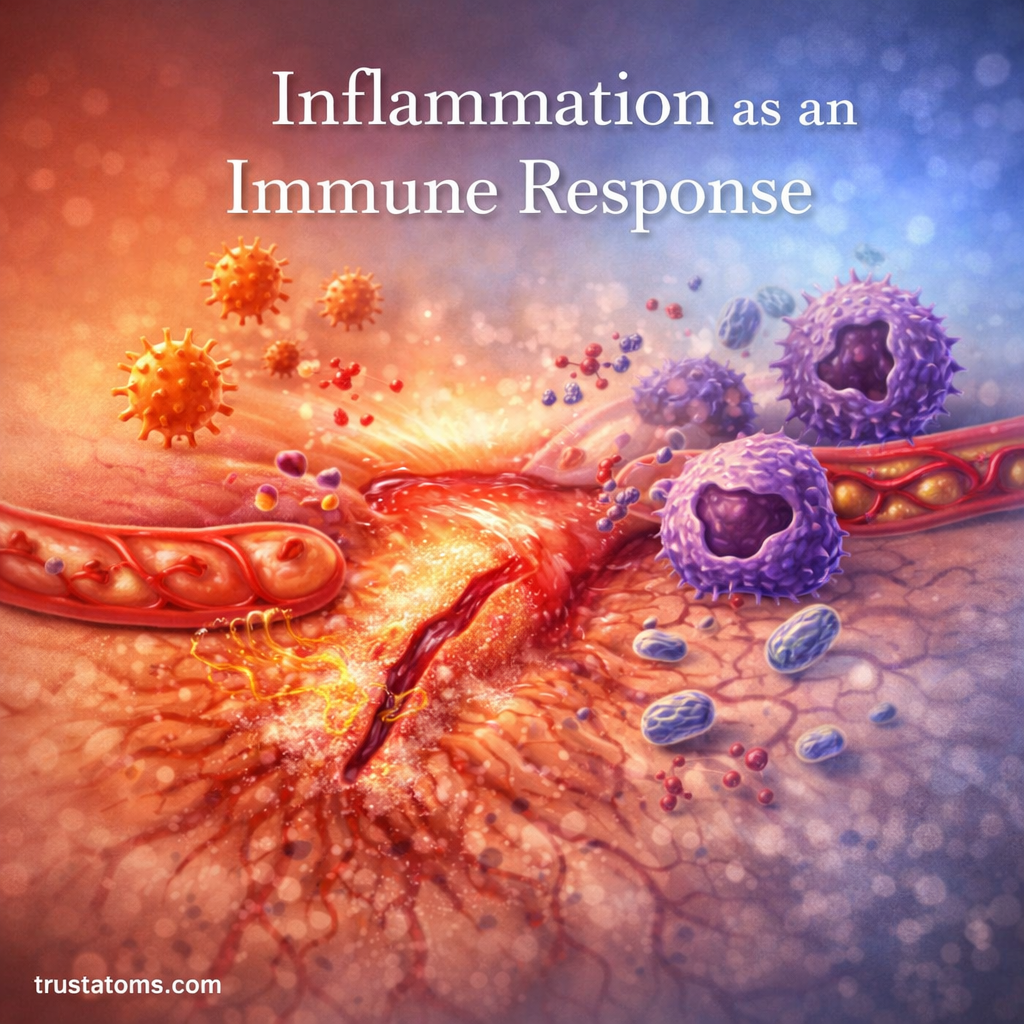
When tissue is damaged or invaded by pathogens, the immune system triggers a cascade of events.
Step-by-Step Process
- Detection of damage or pathogens
Specialized cells recognize danger signals in the body. - Release of chemical signals
Cells release substances like cytokines and histamines to signal an immune response. - Increased blood flow
Blood vessels widen (vasodilation), bringing more immune cells to the area. - Fluid and immune cell movement
White blood cells move into the affected tissue to fight infection and clear debris. - Tissue repair begins
Once the threat is neutralized, healing processes take over.
This entire process can happen within minutes of injury.
Types of Inflammation
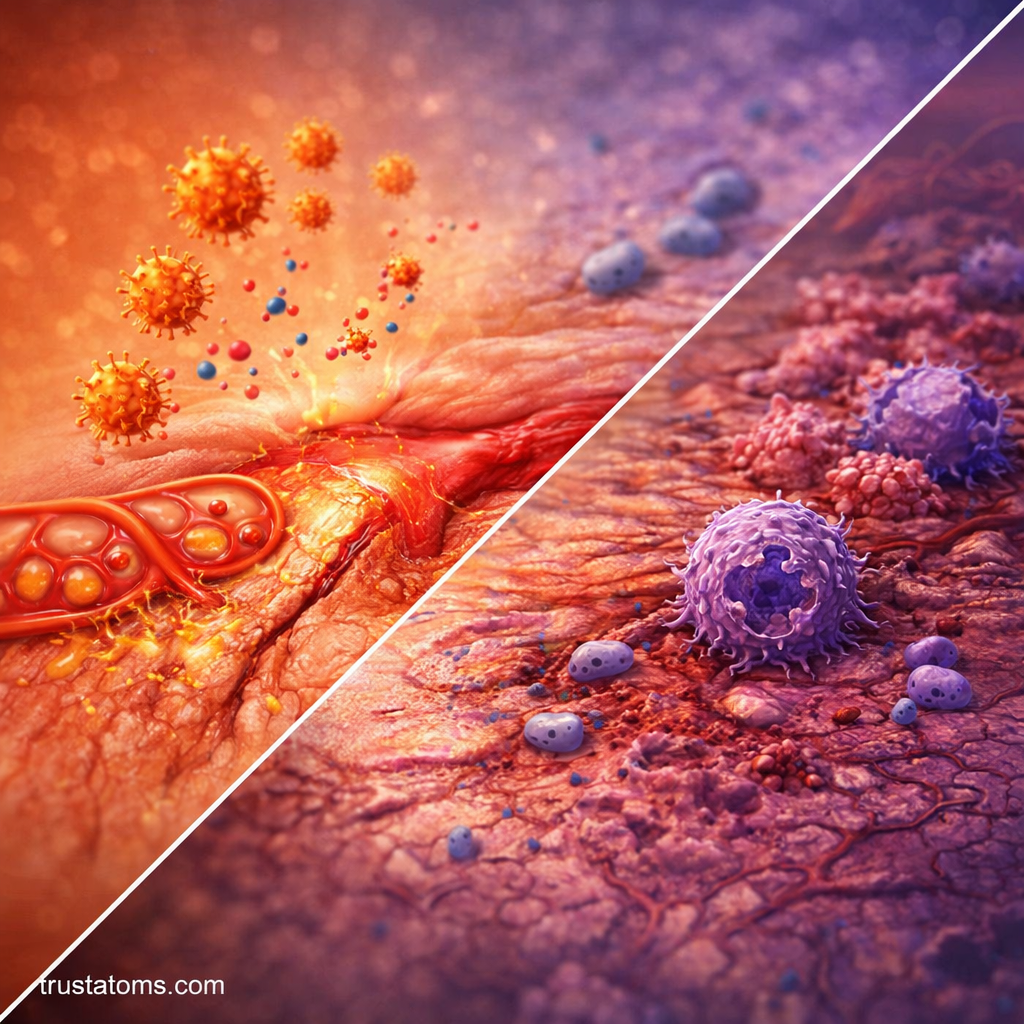
Inflammation can be classified into two main types:
Acute Inflammation
- Short-term response
- Occurs quickly after injury or infection
- Usually resolves once healing is complete
Examples include:
- A swollen ankle after a sprain
- Redness around a cut
- Sore throat during an infection
Chronic Inflammation
- Long-term or persistent inflammation
- Can last months or years
- May damage healthy tissues
Common causes include:
- Ongoing infections
- Autoimmune conditions
- Long-term exposure to irritants
Chronic inflammation is linked to many diseases, including heart disease, diabetes, and arthritis.
Key Components of the Inflammatory Response
Several important elements work together during inflammation:
White Blood Cells
- Neutrophils: First responders that attack pathogens
- Macrophages: Clean up debris and help coordinate healing
Chemical Mediators
- Cytokines: Signal immune cells to activate and respond
- Histamines: Increase blood vessel permeability
- Prostaglandins: Contribute to pain and swelling
Blood Vessels
- Expand to allow more blood flow
- Become more permeable to let immune cells enter tissues
Benefits of Inflammation
Despite its negative reputation, inflammation is essential for survival.
It helps:
- Fight infections quickly
- Prevent the spread of harmful agents
- Remove damaged cells
- Initiate tissue repair
Without inflammation, even minor injuries could become life-threatening.
When Inflammation Becomes Harmful
Inflammation becomes a problem when it is:
- Excessive
- Misdirected (as in autoimmune diseases)
- Prolonged (chronic inflammation)
This can lead to tissue damage and contribute to conditions such as:
- Rheumatoid arthritis
- Asthma
- Cardiovascular disease
- Inflammatory bowel disease
Managing inflammation is a key focus in modern medicine.
Inflammation and the Immune System
Inflammation acts as a bridge between the innate and adaptive immune systems.
- The innate immune system triggers inflammation immediately
- The adaptive immune system provides a more targeted response over time
Together, they ensure both rapid defense and long-term protection.
Supporting a Healthy Inflammatory Response
While inflammation is natural, maintaining balance is important for overall health.
Helpful lifestyle habits include:
- Eating anti-inflammatory foods (fruits, vegetables, healthy fats)
- Getting regular exercise
- Managing stress
- Sleeping adequately
- Avoiding smoking and excessive alcohol
These habits help regulate inflammation and support immune function.
Final Thoughts
Inflammation is a powerful and essential immune response that protects the body from harm and promotes healing. While it can cause discomfort, it plays a critical role in maintaining health.
The key is balance—acute inflammation helps you recover, while chronic inflammation can lead to disease. By understanding how inflammation works, you can better appreciate how your body defends and repairs itself every day.