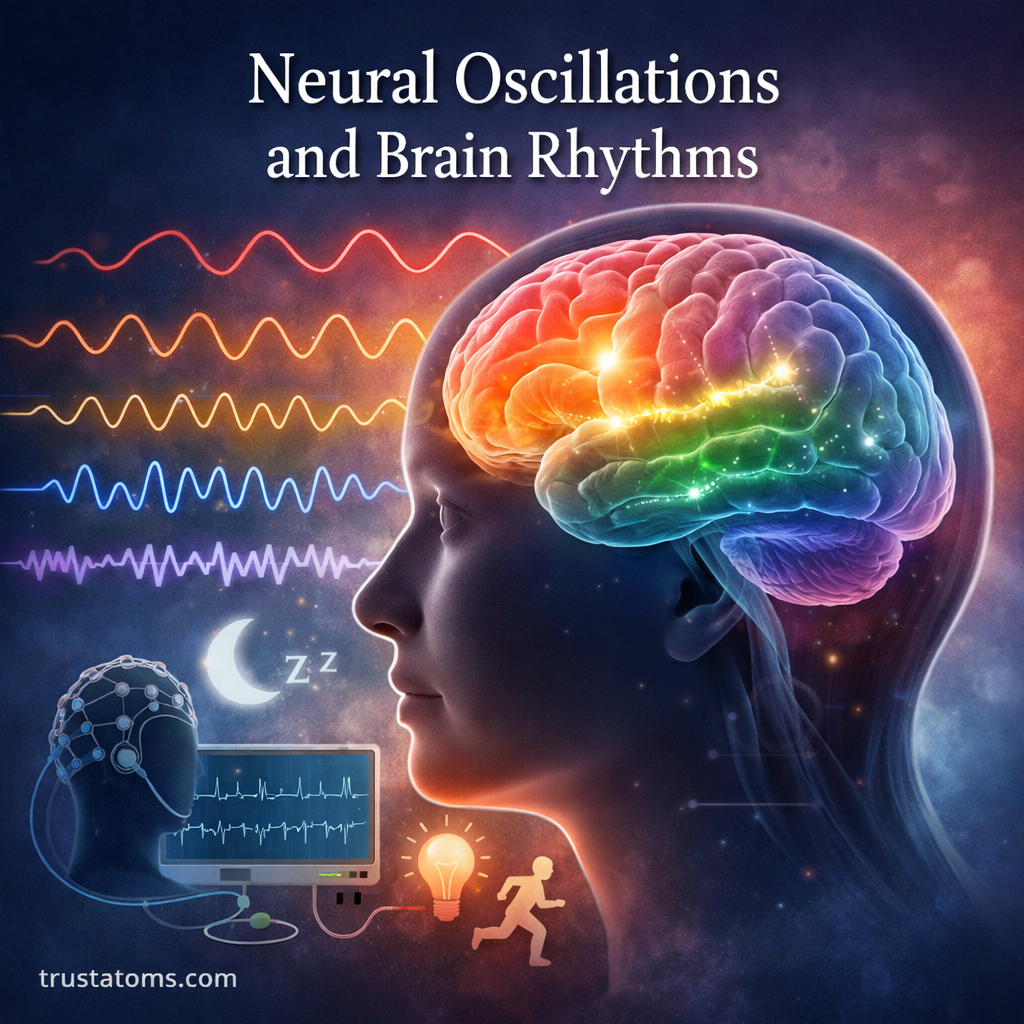
Neural oscillations—often called brain waves—are rhythmic patterns of electrical activity produced by neurons in the brain. These oscillations play a central role in how the brain processes information, coordinates activity across regions, and supports functions like attention, memory, and sleep.
From slow, deep rhythms during rest to fast, high-frequency activity during intense focus, brain rhythms are constantly shifting to match what your mind and body need in the moment.
What Are Neural Oscillations?
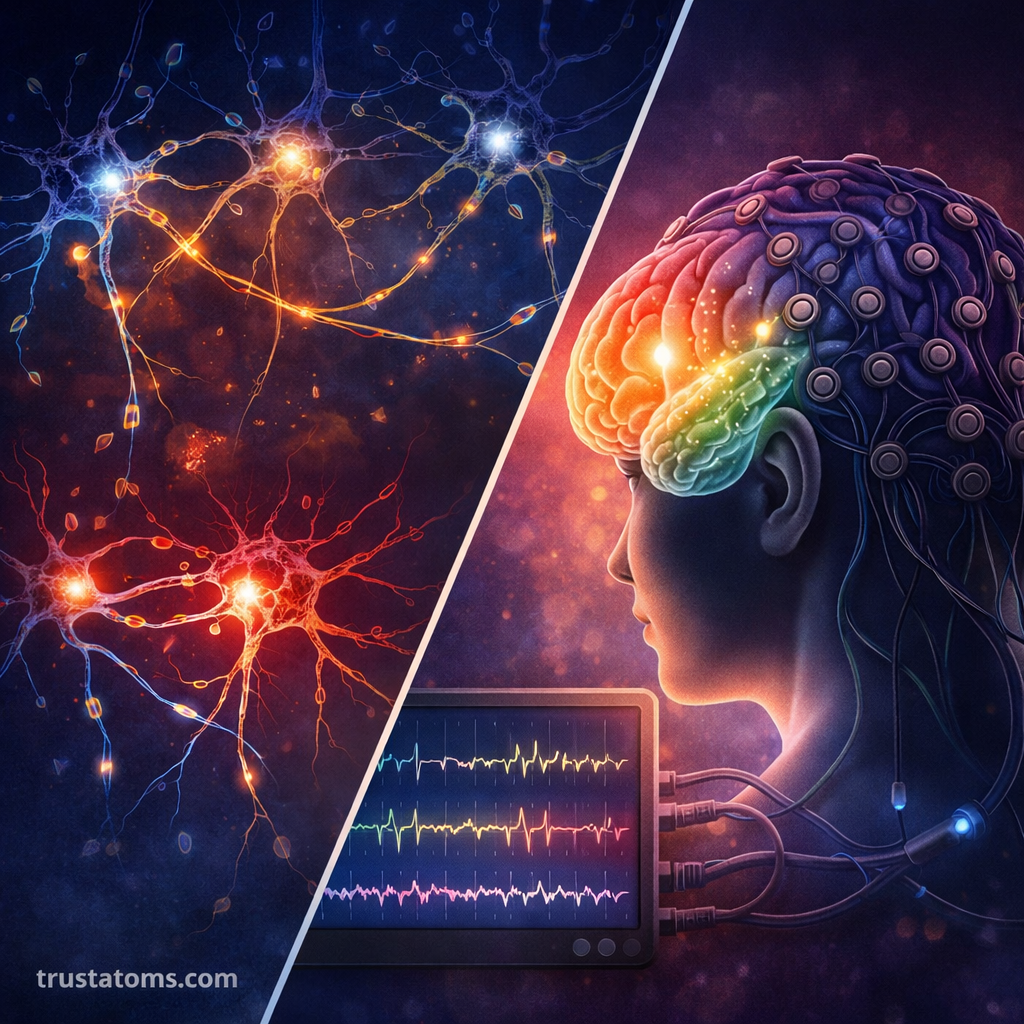
Neural oscillations are repeating cycles of electrical activity generated by groups of neurons communicating with each other. These signals can be measured using techniques like electroencephalography (EEG).
At their core, oscillations reflect how neurons synchronize their firing patterns. Instead of acting independently, neurons often work in coordinated waves, allowing different brain regions to communicate efficiently.
Key Characteristics
- Frequency: How fast the oscillation cycles (measured in Hertz, Hz)
- Amplitude: The strength or intensity of the signal
- Phase: The timing of the wave relative to others
These characteristics influence how information is transmitted and processed in the brain.
Major Types of Brain Waves
Brain waves are categorized based on their frequency. Each type is associated with different mental states and functions.
Delta Waves (0.5–4 Hz)
- Slowest brain waves
- Dominant during deep, restorative sleep
- Important for physical recovery and healing
Theta Waves (4–8 Hz)
- Linked to light sleep, drowsiness, and deep relaxation
- Associated with creativity, intuition, and memory processing
- Common during meditation or daydreaming
Alpha Waves (8–12 Hz)
- Present during relaxed wakefulness
- Seen when the mind is calm but alert (e.g., eyes closed, resting)
- Help regulate attention and reduce stress
Beta Waves (12–30 Hz)
- Associated with active thinking, focus, and problem-solving
- Increase during tasks requiring concentration
- Can become excessive during stress or anxiety
Gamma Waves (30–100+ Hz)
- Fastest brain waves
- Linked to high-level cognition, perception, and consciousness
- Thought to play a role in binding information across brain regions
How Neural Oscillations Work
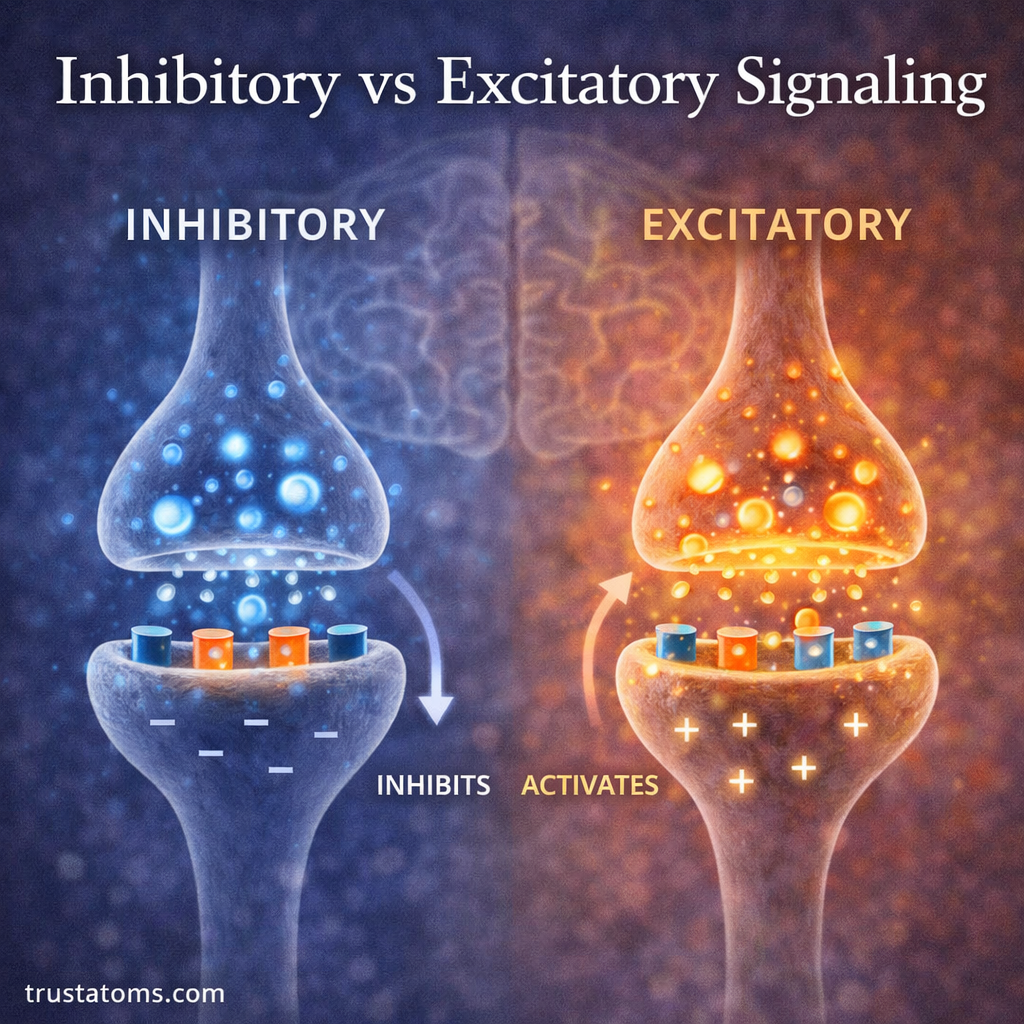
Neural oscillations arise from interactions between excitatory and inhibitory neurons.
- Excitatory neurons increase the likelihood that other neurons will fire
- Inhibitory neurons decrease that likelihood
This push-and-pull dynamic creates rhythmic patterns of activity. When large groups of neurons synchronize, these rhythms become strong enough to measure as brain waves.
Synchronization and Communication
Oscillations allow different brain regions to coordinate their activity. This is sometimes called “neural synchrony.”
For example:
- The hippocampus and cortex synchronize during memory formation
- Sensory areas align their rhythms to process incoming stimuli
- Motor regions coordinate timing for smooth movement
Synchronization ensures that signals arrive at the right time, improving efficiency and accuracy.
Functions of Brain Rhythms
Neural oscillations are not just background noise—they are essential for many core brain functions.
1. Attention and Focus
Different oscillation patterns help filter relevant information and suppress distractions. Beta and gamma waves are especially important during focused tasks.
2. Memory Formation
Theta and gamma rhythms work together during learning and memory encoding, particularly in the hippocampus.
3. Sleep and Restoration
Delta waves dominate deep sleep, supporting:
- Tissue repair
- Hormone regulation
- Memory consolidation
4. Sensory Processing
Oscillations help the brain interpret sensory input by aligning neural activity with incoming signals (e.g., visual or auditory stimuli).
5. Motor Coordination
Rhythmic activity in motor regions ensures smooth, timed movements.
Neural Oscillations and Brain States
Your brain doesn’t use just one type of wave at a time. Instead, multiple oscillations interact dynamically depending on your state.
Examples of Brain States
- Deep sleep: Dominated by delta waves
- Relaxed wakefulness: Alpha waves increase
- Focused work: Beta and gamma waves become more active
- Meditation: Increased theta and alpha activity
These shifts allow the brain to adapt quickly to changing demands.
Cross-Frequency Coupling
One of the most fascinating aspects of neural oscillations is how different frequencies interact.
Cross-frequency coupling occurs when:
- A slower rhythm (like theta) modulates a faster one (like gamma)
This interaction helps organize complex processes such as:
- Memory encoding
- Decision-making
- Conscious awareness
It’s like a timing system where slower waves set the pace and faster waves carry detailed information.
Neural Oscillations and Disorders
Abnormal brain rhythms are linked to various neurological and psychological conditions.
Examples
- Epilepsy: Excessive synchronized activity leading to seizures
- Parkinson’s disease: Disrupted beta rhythms affecting movement
- Schizophrenia: Altered gamma activity linked to perception and cognition
- Depression and anxiety: Imbalances in alpha and beta activity
Understanding these patterns helps researchers develop treatments like neurofeedback, brain stimulation, and targeted medications.
Measuring Brain Rhythms
Scientists use several tools to study neural oscillations:
Common Techniques
- EEG (electroencephalography): Measures electrical activity from the scalp
- MEG (magnetoencephalography): Detects magnetic fields produced by neural activity
- fMRI (functional MRI): Indirectly measures brain activity through blood flow
Each method provides different insights into how brain rhythms function.
Why Neural Oscillations Matter
Neural oscillations are fundamental to how the brain operates. They:
- Enable communication between distant brain regions
- Support learning, memory, and perception
- Adapt brain activity to different states and demands
- Provide insight into neurological health
Rather than random electrical noise, brain rhythms are highly organized patterns that help coordinate nearly everything the brain does.
Final Thoughts
Neural oscillations and brain rhythms are essential for understanding how the brain works as a unified system. From deep sleep to intense focus, these rhythmic patterns shape your thoughts, behaviors, and experiences.
As research continues, scientists are uncovering how manipulating these rhythms could improve mental health, enhance cognition, and even treat neurological disorders—making brain waves one of the most exciting areas in modern neuroscience.