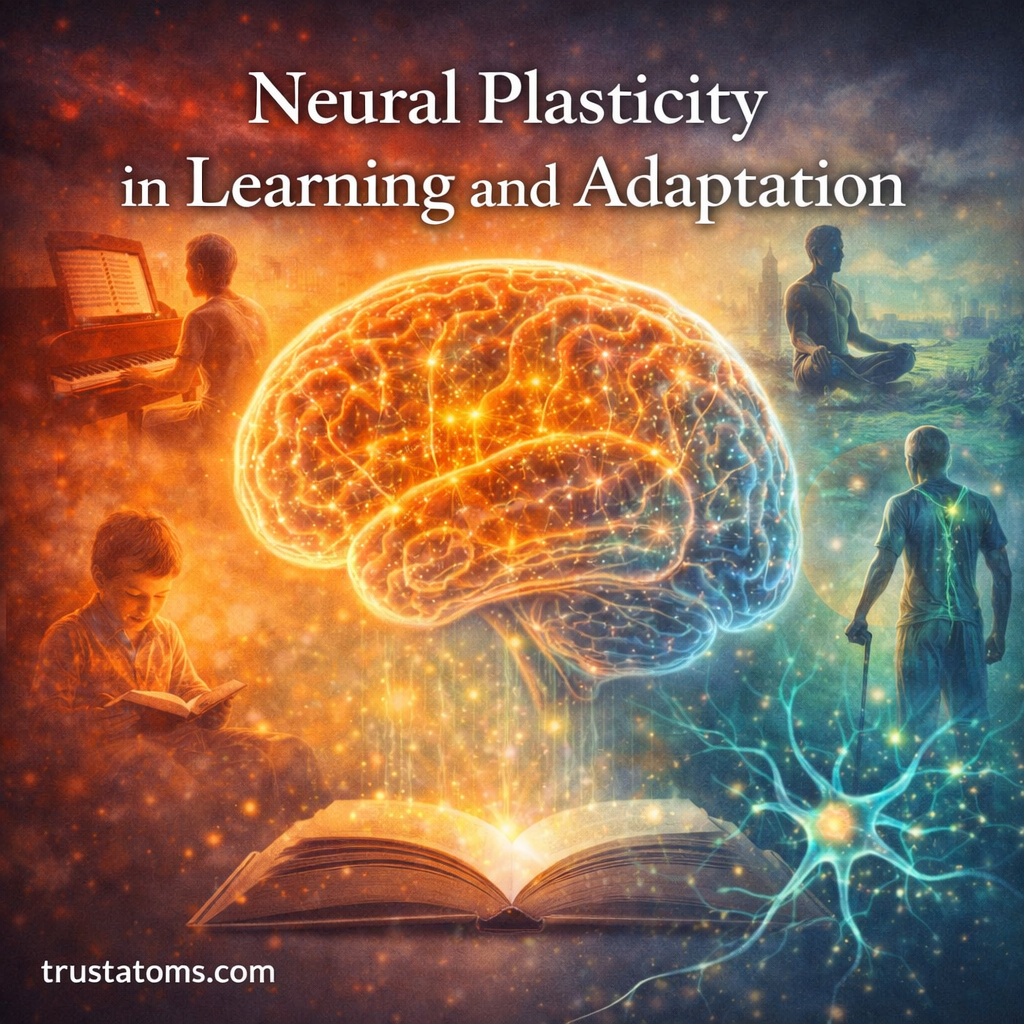
The human brain is not a fixed structure. Instead, it is constantly changing in response to experiences, learning, and environmental influences. This remarkable ability to adapt is known as neural plasticity, often called neuroplasticity.
Neural plasticity allows the brain to form new connections, strengthen important pathways, and reorganize itself throughout life. These changes are essential for learning new skills, forming memories, recovering from injuries, and adapting to new situations.
Understanding neural plasticity helps explain how the brain supports lifelong learning and behavioral adaptation.
What Is Neural Plasticity?
Neural plasticity refers to the brain’s ability to change its structure and function in response to experience.
Instead of remaining static, neural networks are constantly reshaped through the formation and modification of connections between neurons.
This adaptability allows the brain to:
- Learn new information
- Develop skills through practice
- Store memories
- Adjust to new environments
- Recover partially after injury
Neuroplasticity occurs throughout life, although it tends to be strongest during childhood when the brain is developing rapidly.
How Neurons Form New Connections
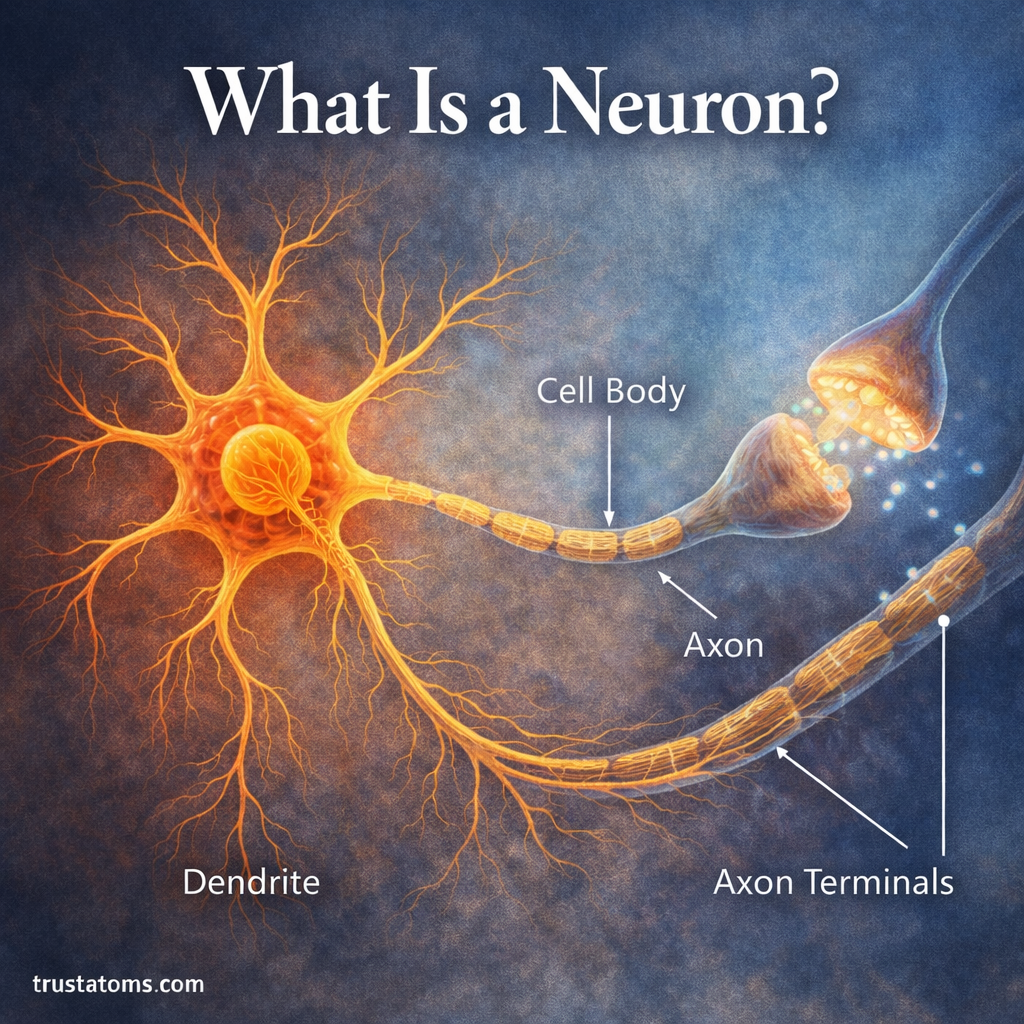
The brain contains billions of neurons that communicate through specialized junctions called synapses.
When we learn something new or repeat a skill, neurons that fire together begin to form stronger connections. This process strengthens communication pathways in the brain.
Over time, repeated activity can lead to:
- Stronger synaptic connections
- More efficient neural signaling
- New neural pathways forming between regions
This process is sometimes summarized by the principle: “neurons that fire together wire together.”
Repeated learning reinforces these pathways, making certain behaviors or skills easier to perform.
Types of Neural Plasticity
Neural plasticity occurs in several ways depending on the type of change occurring within the brain.
Synaptic Plasticity
Synaptic plasticity refers to changes in the strength of communication between neurons.
Two major forms include:
- Long-term potentiation (LTP) – strengthening of synaptic connections
- Long-term depression (LTD) – weakening of connections that are less frequently used
These processes help refine neural circuits so that frequently used pathways become more efficient.
Structural Plasticity
Structural plasticity involves physical changes in the brain’s structure.
These changes may include:
- Growth of new synaptic connections
- Formation of new dendritic branches
- Reorganization of neural networks
Structural plasticity is particularly important during development and when the brain adapts to injury.
Neural Plasticity and Learning
Learning is one of the most powerful drivers of neural plasticity.
Every time a person practices a skill or studies new information, the brain modifies its neural connections to support that activity.
Examples of learning-related plasticity include:
- Musicians developing specialized motor and auditory brain regions
- Athletes strengthening neural pathways related to coordination
- Language learners forming new connections related to vocabulary and grammar
Through repetition and practice, neural circuits become faster and more efficient.
Neural Plasticity in Memory Formation
Memory formation relies heavily on plastic changes within the brain.
When experiences occur, patterns of neural activity encode information into memory networks.
Key processes involved in memory include:
- Encoding – converting experiences into neural signals
- Storage – maintaining those signals within neural circuits
- Retrieval – accessing stored information when needed
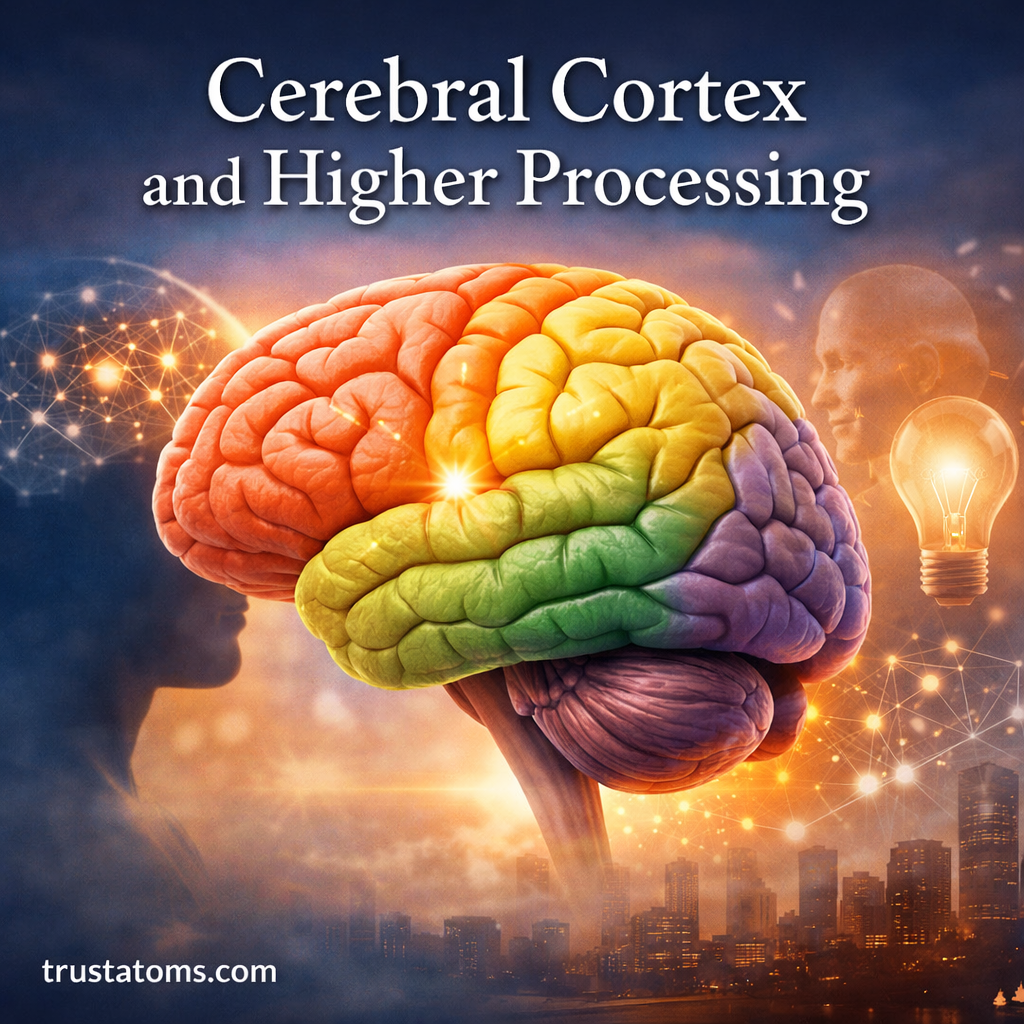
Structures such as the hippocampus and parts of the cerebral cortex play important roles in strengthening these memory-related neural pathways.
Plasticity During Brain Development
Neural plasticity is especially strong during childhood and adolescence.
During early development, the brain rapidly forms connections between neurons. At the same time, it also eliminates less useful connections through a process known as synaptic pruning.
This process helps refine neural circuits so that the most efficient pathways remain.
Key characteristics of developmental plasticity include:
- Rapid formation of neural connections
- Increased sensitivity to learning and experience
- Reorganization of neural networks during growth
Early experiences therefore play a major role in shaping the developing brain.
Neural Plasticity and Brain Injury Recovery
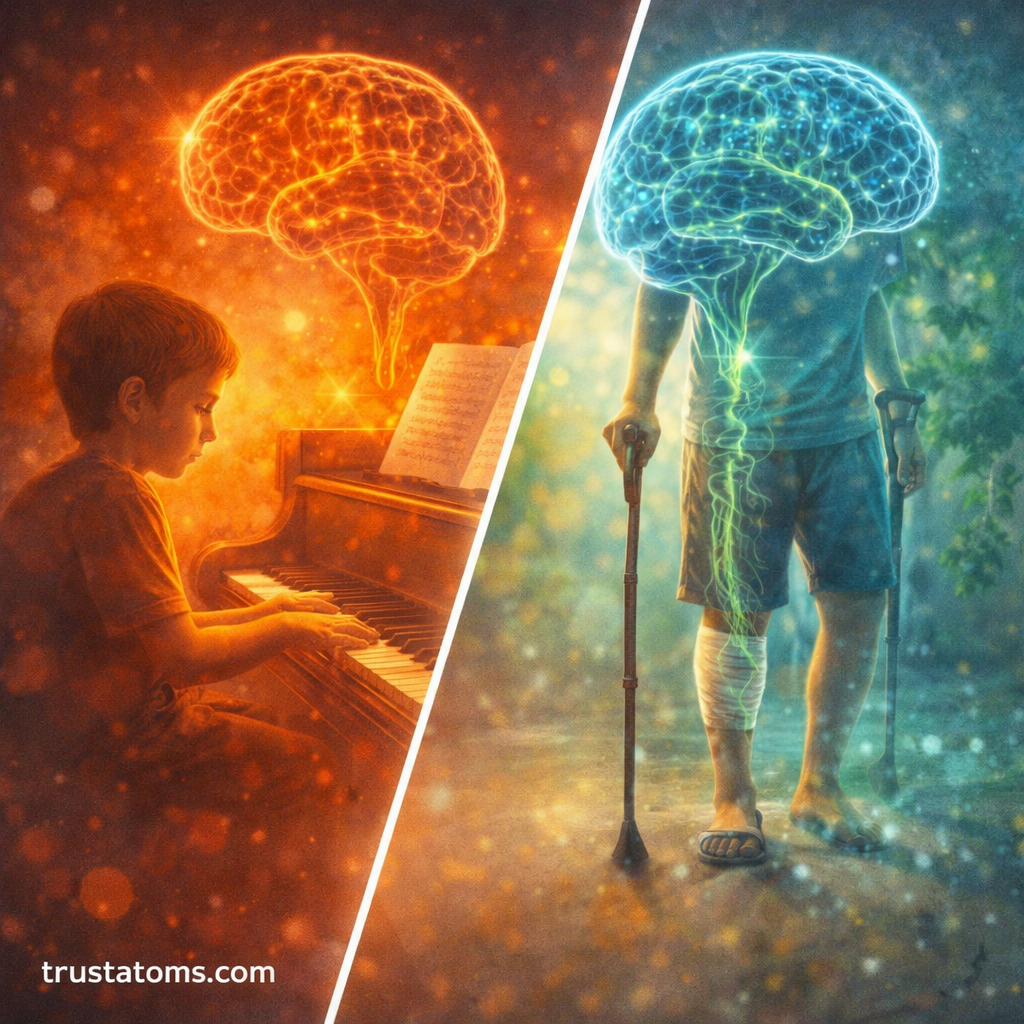
Another important aspect of neural plasticity is its role in recovery after brain injury.
When certain brain regions are damaged, other areas can sometimes reorganize to compensate for lost functions.
Examples of recovery-related plasticity include:
- Stroke patients regaining movement through therapy
- Individuals recovering speech abilities after brain injury
- Brain regions adapting to sensory loss
Rehabilitation therapies often focus on stimulating neural plasticity through repeated practice and training.
Factors That Influence Neural Plasticity
Several biological and environmental factors influence how effectively the brain can adapt.
Important factors include:
- Age and developmental stage
- Repetition and practice
- Quality of sleep
- Physical exercise
- Mental stimulation
- Emotional engagement
Healthy lifestyle habits and active learning environments can promote stronger neural adaptation.
Practical Examples of Neural Plasticity
Neural plasticity can be observed in many everyday situations.
Examples include:
- Learning to play a musical instrument
- Developing new language skills
- Improving athletic performance
- Adjusting to new technologies
- Adapting to changes in sensory input
Each of these experiences triggers changes in neural circuits that help the brain become more efficient at specific tasks.
Why Neural Plasticity Matters
Neural plasticity is one of the most important features of the human brain. Without it, learning and adaptation would not be possible.
This capability allows the brain to:
- Continuously update knowledge
- Adjust to new environments
- Recover from injuries
- Improve skills through practice
- Store memories across a lifetime
In essence, neural plasticity makes the brain a dynamic and adaptable organ rather than a rigid structure.
Final Thoughts
Neural plasticity demonstrates the brain’s extraordinary ability to change and adapt throughout life. Through the strengthening and reorganization of neural connections, the brain can learn new skills, store memories, and recover from challenges.
From childhood development to adult learning and injury recovery, plasticity remains a central mechanism supporting human intelligence and adaptability. As neuroscience continues to advance, researchers are gaining deeper insights into how these processes shape behavior, cognition, and long-term brain health.