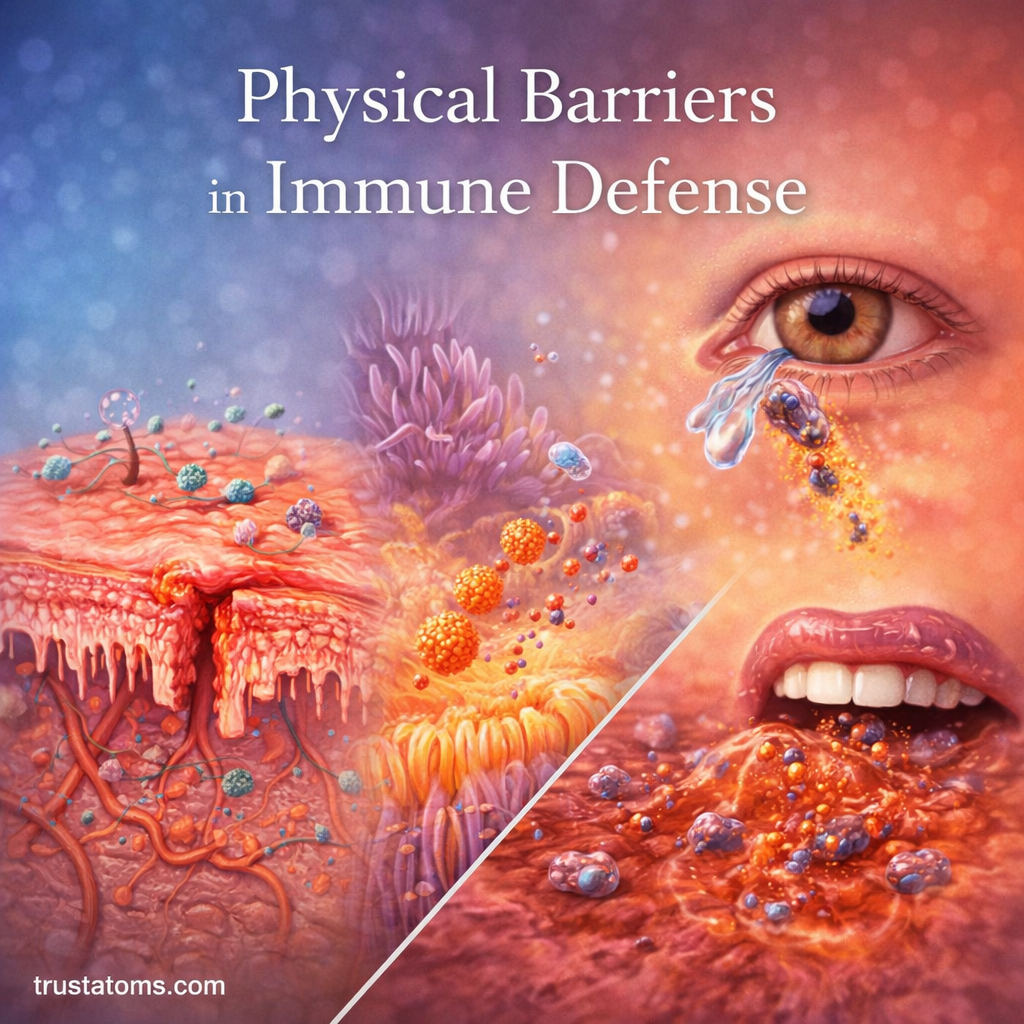
Before the immune system even needs to fight an infection, the body relies on its first line of defense: physical barriers. These structures prevent harmful pathogens—like bacteria, viruses, and fungi—from entering the body in the first place.
Physical barriers are part of the innate immune system, meaning they work automatically and immediately. They are always active, forming a constant shield between your internal environment and the outside world.
What Are Physical Barriers?
Physical barriers are structures and surfaces of the body that block or trap pathogens before they can cause harm.
They serve to:
- Prevent entry of harmful microorganisms
- Trap and remove potential threats
- Maintain a protective boundary between internal tissues and the external environment
Unlike other immune responses, physical barriers do not target specific pathogens—they stop many threats at once.
The Skin: The Body’s Primary Shield
The skin is the largest and most important physical barrier in the body.
How Skin Protects You
- Acts as a tough, outer layer that blocks pathogen entry
- Contains tightly packed cells that are difficult for microbes to penetrate
- Continuously sheds dead cells, removing attached pathogens
- Produces oils and antimicrobial substances that inhibit microbial growth
Even small cuts or abrasions can compromise this barrier, which is why wounds increase infection risk.
Mucous Membranes: Trapping Invaders
Mucous membranes line many entry points into the body, including:
- The respiratory tract
- The digestive system
- The urinary and reproductive systems
Role of Mucus
Mucus is a sticky substance that:
- Traps bacteria, viruses, and particles
- Prevents pathogens from reaching deeper tissues
- Helps move harmful substances out of the body
This is especially important in areas exposed to the external environment, like the nose and lungs.
Cilia: Moving Threats Out
Cilia are tiny, hair-like structures found in the respiratory tract.
How Cilia Work
- Beat rhythmically to move mucus upward and out of the airways
- Carry trapped pathogens toward the throat
- Help remove particles through coughing or swallowing
This process is often called the mucociliary escalator, and it plays a key role in keeping the lungs clean.
Protective Secretions
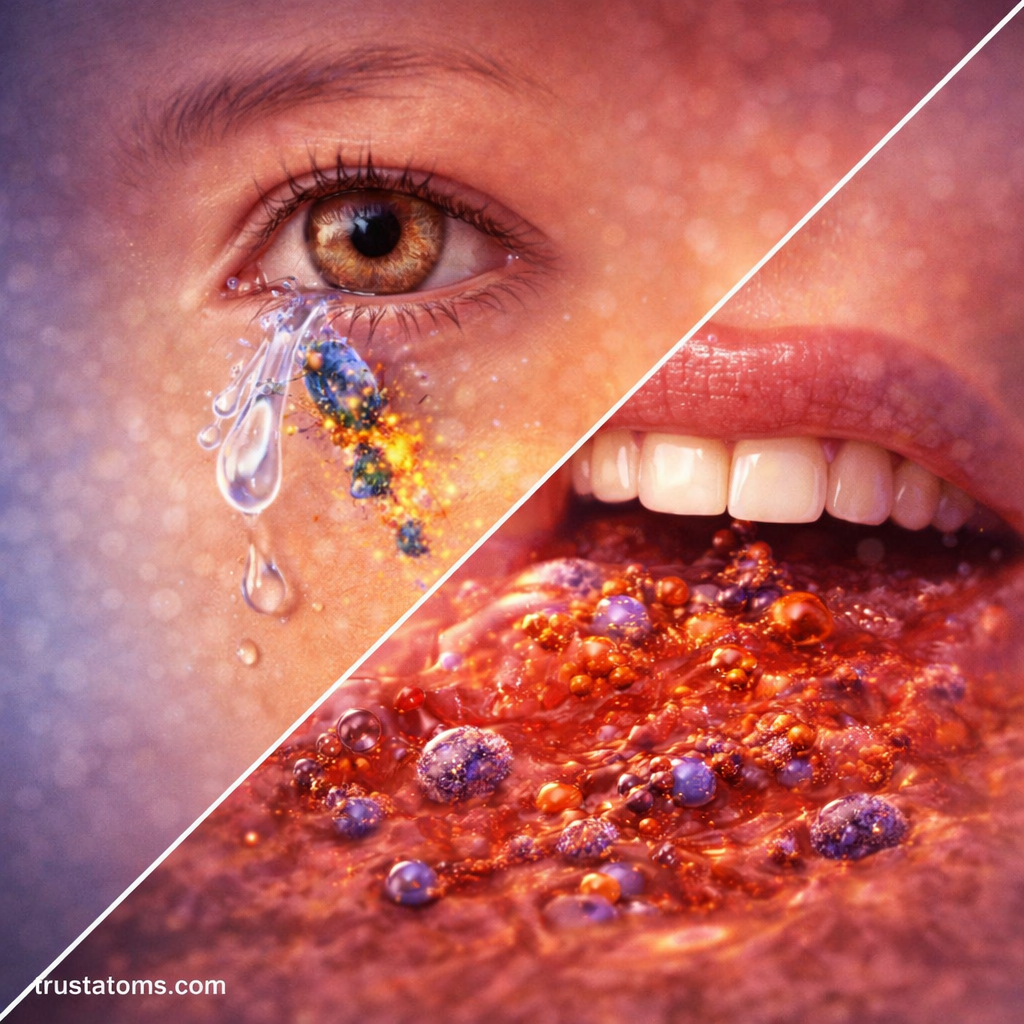
The body produces several fluids that act as barriers by washing away or destroying pathogens.
Examples of Protective Secretions
- Tears
Contain enzymes like lysozyme that break down bacteria - Saliva
Helps flush microbes from the mouth and contains antimicrobial compounds - Sweat
Slightly acidic, which discourages microbial growth - Stomach acid
Destroys many pathogens that enter through food or drink
These secretions create an environment that is hostile to harmful microorganisms.
The Role of Normal Microbiota
The body is home to beneficial microorganisms, especially on the skin and in the gut.
How They Help
- Compete with harmful microbes for space and nutrients
- Produce substances that inhibit pathogen growth
- Support overall immune function
This natural balance helps prevent infections before they start.
What Happens When Barriers Are Breached?
If physical barriers are damaged or bypassed, pathogens can enter the body and trigger a deeper immune response.
Examples include:
- Cuts or wounds in the skin
- Inhalation of airborne pathogens
- Consumption of contaminated food or water
Once inside, the immune system activates inflammatory and adaptive responses to fight the infection.
Why Physical Barriers Matter
Physical barriers are essential because they:
- Provide constant, passive protection
- Reduce the need for more energy-intensive immune responses
- Prevent infections before they begin
- Protect vulnerable internal organs and tissues
Without these barriers, the body would be constantly exposed to harmful microbes.
Supporting Strong Physical Barriers
Maintaining healthy physical barriers is key to preventing illness.
Helpful habits include:
- Keeping skin clean and moisturized
- Treating cuts and wounds promptly
- Staying hydrated to support mucus production
- Practicing good hygiene (handwashing, oral care)
- Eating a balanced diet to support skin and tissue health
These actions help strengthen the body’s natural defenses.
Final Thoughts
Physical barriers are the foundation of immune defense. From the skin to mucus and protective secretions, these systems work continuously to block, trap, and eliminate harmful invaders.
By stopping pathogens before they enter the body, physical barriers reduce the burden on the immune system and play a crucial role in maintaining overall health.
Understanding these defenses highlights just how effective—and essential—the body’s first line of protection truly is.