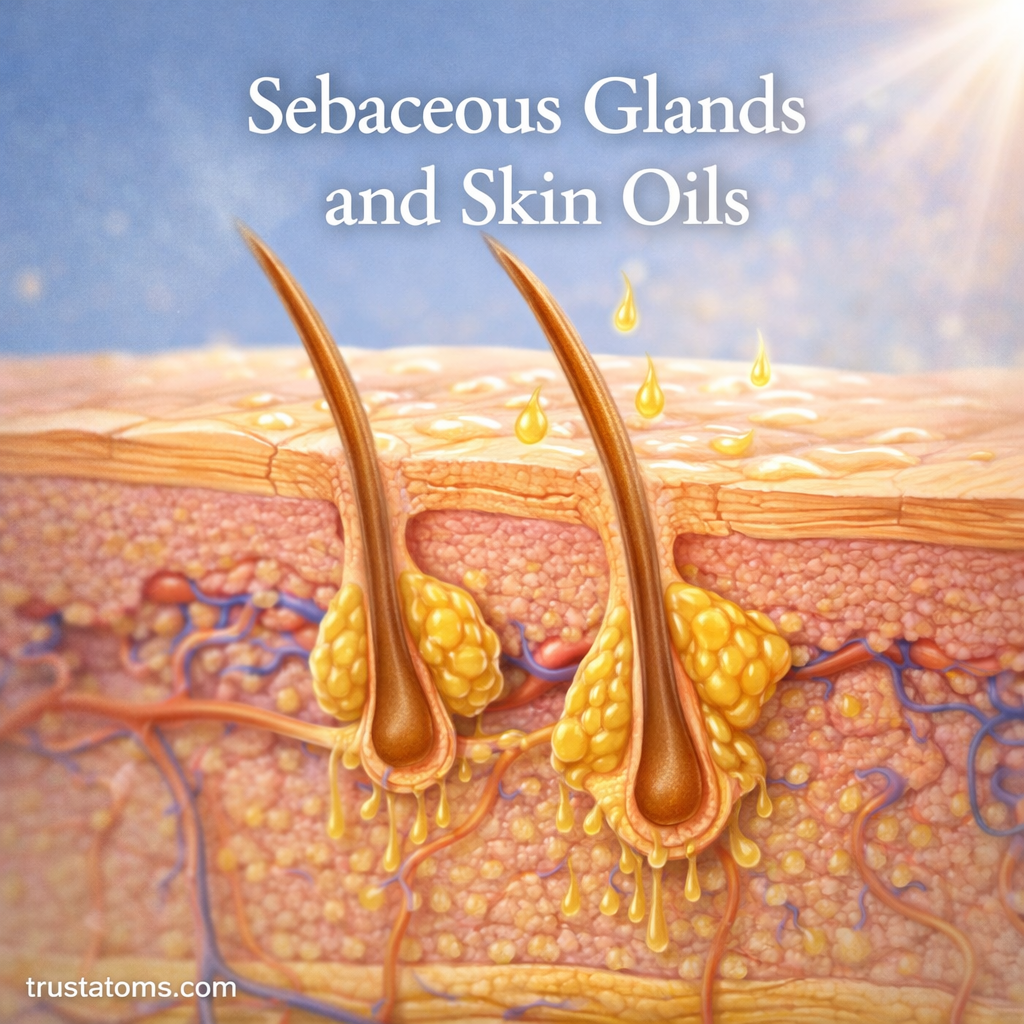
Sebaceous glands are small but essential components of the skin that play a major role in maintaining moisture, protection, and overall skin health. These glands produce sebum, a natural oil that helps keep the skin and hair hydrated while forming part of the skin’s protective barrier.
Understanding how sebaceous glands function provides insight into common skin conditions like acne, dryness, and oil imbalance.
What Are Sebaceous Glands?
Sebaceous glands are microscopic glands located in the dermis layer of the skin. They are usually attached to hair follicles and release sebum through these follicles onto the skin’s surface.
Key Characteristics
- Found almost everywhere on the body (except palms and soles)
- Most concentrated on the face, scalp, chest, and back
- Connected to hair follicles (pilosebaceous units)
- Produce an oily substance called sebum
What Is Sebum?
Sebum is a complex mixture of lipids (fats) that coats the skin and hair.
Composition of Sebum
Sebum contains:
- Triglycerides
- Wax esters
- Squalene
- Free fatty acids
This unique composition allows sebum to:
- Lubricate the skin and hair
- Prevent excessive water loss
- Protect against environmental damage
Functions of Sebaceous Glands
Sebaceous glands perform several important functions that contribute to healthy skin.
1. Moisturization and Hydration
- Prevents dryness by reducing water loss
- Keeps skin soft and flexible
- Supports the skin barrier
2. Protection Against Microbes
- Sebum has mild antibacterial properties
- Helps defend against harmful microorganisms
3. Support for the Skin Barrier
- Works with lipids in the epidermis
- Reinforces the outer protective layer
- Helps maintain skin integrity
4. Hair Conditioning
- Coats hair strands
- Adds shine and prevents brittleness
How Sebaceous Glands Are Regulated
Sebum production is influenced by several internal and external factors.
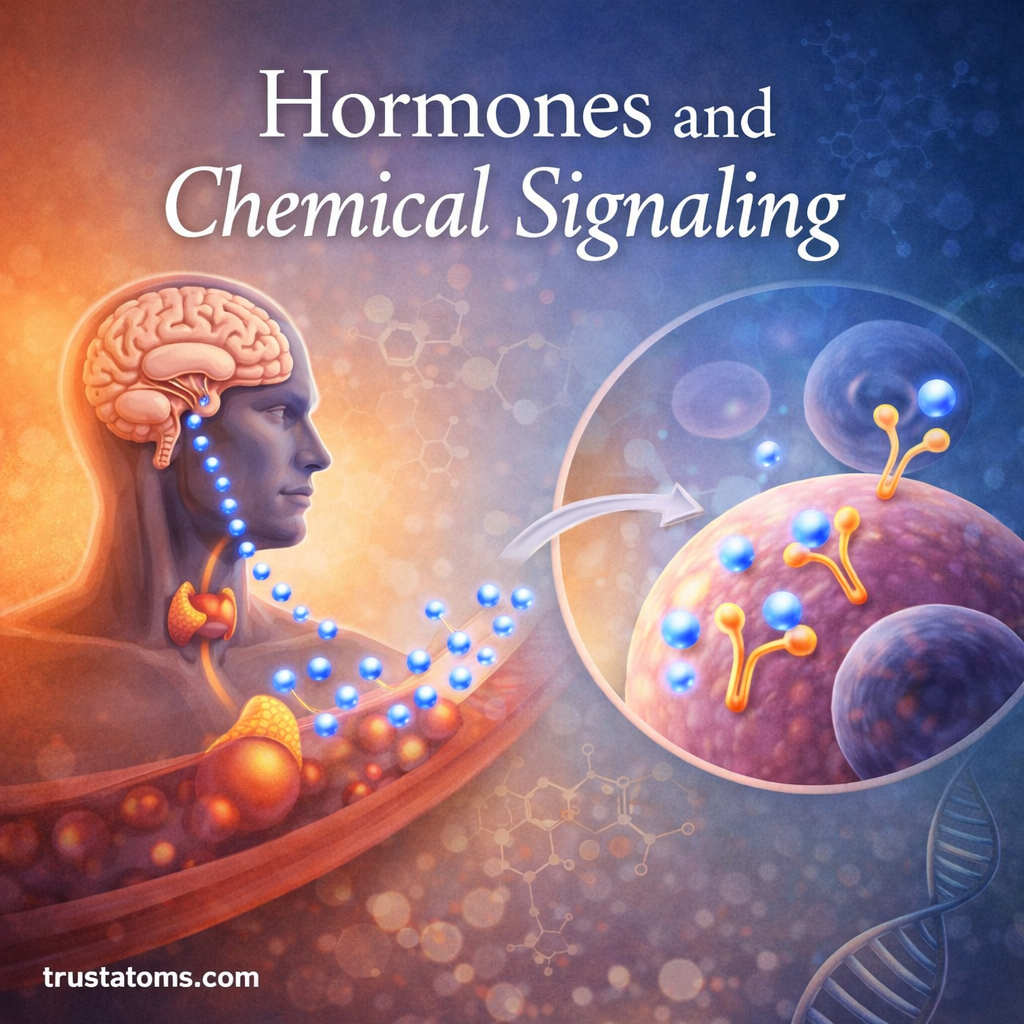
Hormonal Influence
- Androgens (male hormones present in all genders) increase sebum production
- Activity often rises during puberty
- Hormonal fluctuations can affect oil levels
Other Influencing Factors
- Genetics
- Age
- Climate and environment
- Skincare habits
Sebaceous Glands and Acne
Sebaceous glands are closely linked to acne development.
How Acne Forms
- Excess sebum production
- Dead skin cells clog hair follicles
- Bacteria multiply within the clogged pore
- Inflammation leads to pimples or cysts
Common Acne-Prone Areas
- Face (especially forehead, nose, and chin)
- Chest
- Upper back
These areas have a higher concentration of sebaceous glands.
Oily vs Dry Skin: Finding Balance
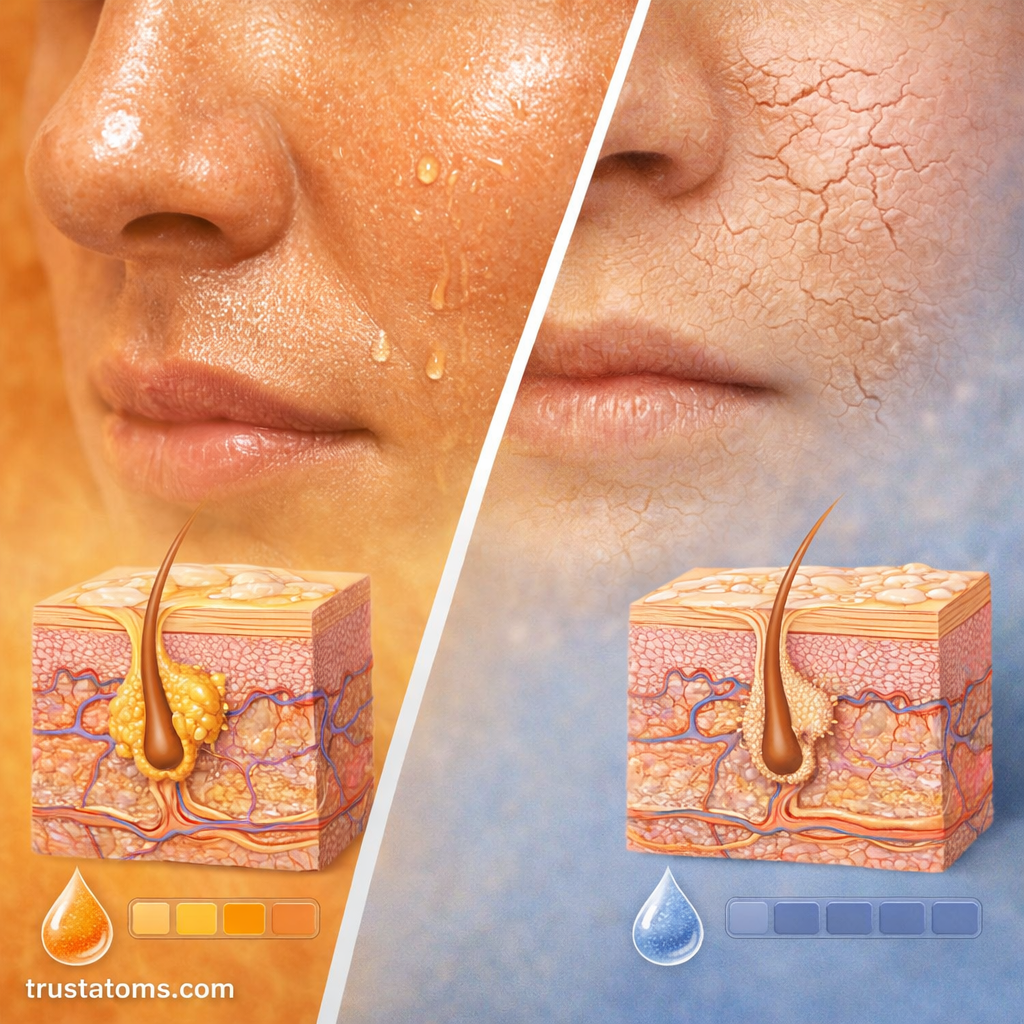
Sebum levels determine whether skin is oily, dry, or balanced.
Oily Skin
- Excess sebum production
- Shiny appearance
- Enlarged pores
- Higher likelihood of acne
Dry Skin
- Insufficient sebum production
- Flaking and rough texture
- Increased sensitivity
- Weakened skin barrier
Balanced Skin
- Moderate sebum production
- Smooth texture
- Minimal breakouts or irritation
Common Conditions Involving Sebaceous Glands
Several skin conditions are directly related to sebaceous gland activity:
- Acne: Excess oil and clogged pores
- Seborrheic dermatitis: Overactive glands causing flaky, oily patches
- Blackheads and whiteheads: Blocked follicles
- Oily scalp: Excess sebum production in hair follicles
How the Body Maintains Oil Balance
The body naturally regulates sebum production, but this balance can be disrupted.
Natural Regulation Mechanisms
- Hormonal feedback systems
- Skin cell turnover
- Interaction with the microbiome (skin bacteria)
When balanced, these systems help maintain healthy, resilient skin.
Supporting Healthy Sebaceous Function
Maintaining proper sebaceous gland function is key to healthy skin.
Practical Tips
- Use gentle cleansers to avoid stripping natural oils
- Avoid over-washing, which can trigger more oil production
- Maintain a balanced skincare routine
- Stay hydrated
- Protect skin from extreme environmental conditions
Ingredients That Help Balance Oil
- Niacinamide: Helps regulate sebum production
- Salicylic acid: Keeps pores clear
- Hyaluronic acid: Hydrates without clogging pores
- Lightweight moisturizers: Support barrier without excess oil
Why Sebaceous Glands Matter
Sebaceous glands are essential for:
- Maintaining skin hydration
- Supporting the skin barrier
- Protecting against environmental damage
- Keeping hair healthy
While excess or insufficient sebum can lead to skin issues, a balanced level is crucial for overall skin health.
Final Thoughts
Sebaceous glands and the oils they produce are vital to maintaining healthy, functional skin. By understanding how sebum works and what influences its production, it becomes easier to manage common skin concerns and support the skin’s natural balance.
Healthy skin is not about eliminating oil—it is about maintaining the right amount.